Overview
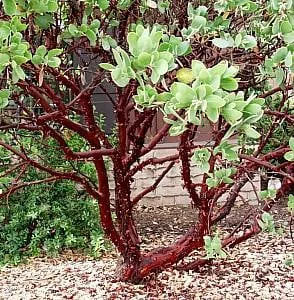
Introduce a magnificent centerpiece to your garden with the Dr. Hurd Manzanita live plant. This exceptional evergreen shrub, scientifically known as Arctostaphylos manzanita ‘Dr. Hurd’, is celebrated for its striking aesthetic appeal and resilient nature. Originating from California, this particular manzanita cultivar is a natural hybrid, renowned for its beautiful dark reddish-brown bark that peels gracefully, creating an attractive contrast with its glossy, light green foliage. It is a relatively fast-growing shrub that can be pruned to achieve a desired height and spread, and with time, it can even mature into a small, multi-branched tree. The Dr. Hurd Manzanita live plant is an excellent choice for those seeking a distinctive, low-maintenance, and visually impactful addition to their outdoor space, especially in drought-prone regions. Its unique characteristics make it a standout specimen plant in any landscape.
The ‘Dr. Hurd’ variety is particularly valued for its adaptability and vigor, distinguishing it from other manzanita species. Its evergreen structure ensures year-round interest, providing a consistent backdrop of lush green leaves and captivating bark textures. Beyond its ornamental value, this plant plays a crucial ecological role, offering early-season white flowers that bloom from February to April, followed by clusters of berries in the fall. These features make it a vital year-round pollinator plant, attracting bees and other beneficial insects to your garden. Whether you’re aiming for a Mediterranean-style garden, a xeriscape, or simply a beautiful and resilient shrub, the Dr. Hurd Manzanita live plant is an outstanding selection.
Key Benefits
The Dr. Hurd Manzanita live plant offers a multitude of benefits, making it a highly desirable choice for various garden settings. From its aesthetic appeal to its ecological contributions and ease of care, this shrub is a true garden asset. Adding this plant will elevate the beauty and sustainability of your outdoor environment.
- Stunning Visual Appeal: Features beautiful dark reddish-brown bark and glossy, light green evergreen foliage, providing year-round interest and an attractive contrast in the garden. Its multi-branched, treelike form makes it a prized specimen.
- Drought Tolerance: Once established, this manzanita is perfectly drought-adapted, requiring minimal supplemental water, especially in Mediterranean climates. It’s an ideal choice for water-wise landscaping, making it a truly drought tolerant manzanita.
- Pollinator Magnet: Produces white flowers from February to April, followed by berries in the fall, serving as an excellent year-round food source for pollinators like bees and birds, enhancing biodiversity in your garden.
- Adaptable to Various Soils: While it can handle some summer water and richer soil, it also thrives in clay soil and tolerates sandy soil, demonstrating remarkable versatility in soil conditions.
- Fast Growing: Known as one of the faster manzanitas, this shrub establishes quickly and can be pruned in late summer to achieve your desired height or spread, offering dynamic growth for your landscape. It truly is a fast growing manzanita.
- Low Maintenance: This robust shrub requires minimal care once established, making it suitable for both experienced gardeners and those new to gardening. Its natural resilience reduces the need for constant intervention.
- Versatile Placement: Thrives in full sun along the coast and part shade inland, allowing for flexible planting options depending on your climate and garden layout.
Plant Care & Growing Tips
Caring for your Dr. Hurd Manzanita live plant is relatively straightforward, especially once it has established its root system. This plant is known for its resilience and adaptability, making it a rewarding addition to many landscapes. For optimal growth, understanding its specific needs for sunlight, water, and soil is key. Along the coast, the Dr. Hurd manzanita prefers full sun exposure, ensuring it receives ample light to support its vigorous growth and flowering. If you are planting inland, it thrives in part shade, which helps protect it from the more intense afternoon sun. Providing the correct light conditions will significantly impact its health and vigor. It’s a truly reliable pollinator shrub.
When it comes to watering, the Dr. Hurd Manzanita live plant is remarkably drought-adapted once established. While it can tolerate some summer water, it generally prefers well-draining conditions and should not be overwatered. Allow the soil to dry out between waterings to prevent root rot. For soil type, this manzanita is quite forgiving, growing well in clay soil and tolerating sandy soil, though it can also handle richer soil. The most critical factor is good drainage to prevent waterlogging. In terms of temperature and USDA hardiness zones, the Dr. Hurd Manzanita is typically hardy in USDA zones 8-10, making it suitable for a wide range of temperate climates. Fertilization is generally not heavily required for this robust plant; a light application of a balanced, slow-release fertilizer in early spring can be beneficial but is often not necessary for established plants. Watch for signs of stress like yellowing leaves, which might indicate overwatering or poor drainage, and adjust care accordingly. Proper care ensures your Arctostaphylos manzanita Dr. Hurd will flourish.
Size & Details
This offering includes one Dr. Hurd Manzanita live plant, standing approximately 1 to 2 feet tall upon arrival. It is carefully shipped in a 3-gallon nursery pot, ensuring the roots are well-established and ready for planting in your garden. The plant’s initial height allows for immediate visual impact while providing ample opportunity for growth and shaping. The ‘Dr. Hurd’ variety is known for being one of the faster-growing manzanitas, allowing it to quickly fill its designated space and become a prominent feature in your landscape. With proper care, it can grow into a substantial shrub or even a small tree, reaching mature heights of 8-15 feet and a similar spread, creating a stunning multi-branched form. Its growth rate makes it an excellent choice if you are looking for a fast growing manzanita to quickly establish a focal point.
The plant’s natural growth habit is upright and spreading, making it versatile for various garden designs, from specimen planting to informal hedging. The evergreen foliage ensures continuous beauty throughout the year, with its distinctive reddish-brown bark providing textural interest even in winter. The white flowers appear in late winter to early spring (February to April), followed by attractive berry clusters in the fall, extending its season of interest. This plant is delivered in a healthy, thriving condition, ready to be transplanted into its permanent home. Its robust nature and adaptability, coupled with its aesthetic appeal, make the Dr. Hurd Manzanita live plant a valuable and long-lasting addition to any garden.
Frequently Asked Questions
- Q: How big does this plant get? A: The Dr. Hurd Manzanita live plant typically grows to a mature height of 8-15 feet and can have a similar spread, forming a multi-branched shrub or small tree. Its actual size can be managed with pruning.
- Q: What size pot does it come in? A: This plant is shipped in a 3-gallon nursery pot, providing a healthy root system for successful transplanting into your garden.
- Q: Is this an indoor or outdoor plant? A: The Dr. Hurd Manzanita live plant is an outdoor plant, best suited for landscape planting in appropriate hardiness zones. It is not recommended for indoor cultivation.
- Q: How much sunlight does it need? A: Along the coast, it prefers full sun. Inland, it thrives in part shade, needing at least 4-6 hours of direct sunlight daily to grow best.
- Q: Is this plant easy to care for? A: Yes, once established, the Dr. Hurd Manzanita live plant is considered low-maintenance and very resilient, especially due to its drought tolerance. It’s a reliable shrub for many gardeners.
- Q: What condition will it arrive in? A: Your plant will arrive healthy and well-rooted in its 3-gallon pot, carefully packaged to ensure its safe journey to your home.
- Q: Can I use this plant to attract pollinators? A: Absolutely! The white flowers that bloom from February to April and subsequent berries make it an excellent year-round pollinator shrub, attracting bees and birds to your garden.
- Q: When is the best time to plant? A: The best time to plant is typically in the fall or early spring, allowing the plant to establish its roots before extreme summer heat or winter cold.
- Q: Will it survive winter in my zone? A: The Arctostaphylos manzanita Dr. Hurd is hardy in USDA Zones 8-10. If you are in these zones, it should survive winter without issue.
- Q: Is it a fast growing manzanita? A: Yes, ‘Dr. Hurd’ is known for being one of the faster-growing manzanita varieties, allowing it to establish quickly and provide significant coverage in your landscape.


Reviews
There are no reviews yet.