












Overview
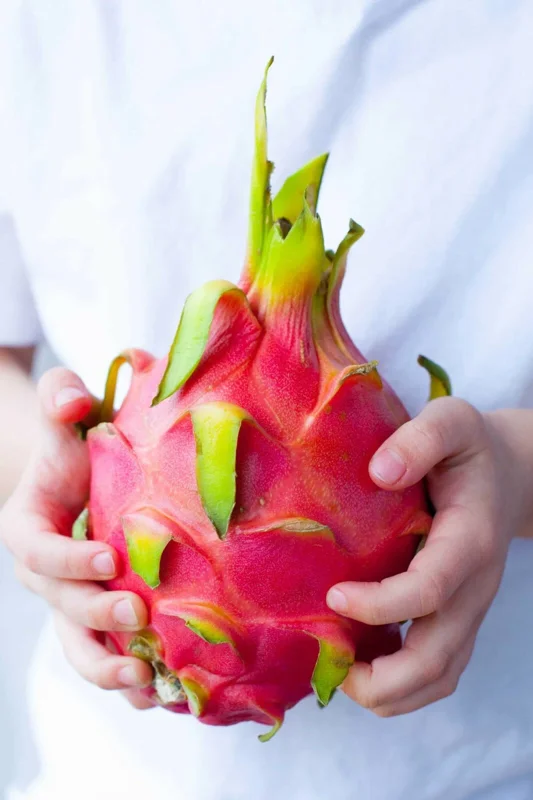
Embark on an exciting gardening journey with our premium dragon fruit plant cuttings and seeds. The dragon fruit, also widely known as pitahaya, is a stunning tropical cactus renowned for its vibrant, edible fruit and beautiful, night-blooming flowers. Whether you choose to start from a robust cutting or cultivate from seeds, you’re investing in a rewarding experience that culminates in delicious, healthy produce. This unique plant, a member of the cactus family, thrives in warm climates and can be a striking addition to any garden or a fascinating indoor project. Our selection provides you with the foundational elements to successfully grow your own exotic fruit plant, bringing a taste of the tropics right to your home.
The dragon fruit (Hylocereus spp.) is not only visually appealing but also offers a refreshing, mildly sweet flavor. Its striking appearance, both the plant itself and its fruit, makes it a popular choice for gardeners looking for something out of the ordinary. With proper care, these plants can produce fruit within a few years, offering a sustainable source of this highly sought-after superfood. Experience the joy of nurturing your own exotic fruit plant from its initial stages to a fruit-bearing specimen, understanding that effective pitahaya plant care is key to its success.
Key Benefits
Cultivating your own dragon fruit offers a multitude of benefits, from the satisfaction of homegrown produce to the aesthetic enhancement of your living space. This versatile plant is a fantastic choice for both novice and experienced gardeners, making dragon fruit cultivation a truly rewarding endeavor.
- Delicious & Nutritious Fruit: Enjoy fresh, homegrown dragon fruit, packed with antioxidants, vitamins, and fiber. Growing your own ensures you have access to the freshest possible produce, free from commercial pesticides.
- Stunning Ornamental Value: The unique, sculptural form of the dragon fruit cactus adds an exotic touch to any garden or indoor setting. Its large, fragrant, nocturnal flowers are a spectacular sight to behold, making dragon fruit cultivation a truly rewarding visual experience.
- Relatively Low Maintenance: Once established, dragon fruit plant cuttings and plants grown from seeds are surprisingly resilient and require less consistent attention than many other fruit-bearing plants, making them ideal for busy gardeners.
- Adaptable Growth: While a tropical plant, dragon fruit can be grown in containers, allowing for indoor overwintering in colder climates, extending its reach beyond its native habitat. This means you can still grow dragon fruit from seeds even in cooler regions.
- Rewarding Growing Experience: There’s immense satisfaction in watching your plant grow from a small cutting or seed into a thriving, fruit-producing specimen. It’s a great project for anyone interested in growing this exotic fruit plant from scratch.
- Sustainable Food Source: Establish a sustainable source of healthy, exotic fruit right in your backyard or on your patio, reducing reliance on store-bought options.
Plant Care & Growing Tips
To ensure your dragon fruit plant cuttings or seeds thrive, understanding their specific care requirements is crucial. Dragon fruit, being a cactus, prefers warm, sunny conditions. For optimal growth and fruit production, aim for at least 6-8 hours of direct sunlight daily. In extremely hot climates, some afternoon shade can be beneficial to prevent scorching. If growing indoors, place your plant near a south-facing window or supplement with a grow light to provide adequate light intensity. The plant’s climbing nature means it will require a sturdy support structure, such as a trellis or post, to grow vertically. This essential aspect of pitahaya plant care ensures healthy vertical growth.
Watering should be consistent but not excessive. Allow the top few inches of soil to dry out completely between waterings to prevent root rot, a common issue for cacti. During the growing season (spring and summer), water more frequently, and reduce watering significantly in fall and winter. Well-draining soil is paramount; a mix specifically formulated for cacti and succulents, or a blend of potting soil, perlite, and sand, will work well. The ideal temperature range for dragon fruit is between 65°F and 80°F (18°C-27°C). While mature plants can tolerate brief dips below freezing, prolonged cold will damage them. Therefore, bring container-grown plants indoors if temperatures drop below 40°F (4°C). Fertilize monthly during the active growing season with a balanced, slow-release fertilizer or a liquid feed diluted to half strength. Monitoring for common pests like aphids and mealybugs, and treating them promptly with insecticidal soap, will help maintain a healthy exotic fruit plant. These comprehensive tips will help you grow dragon fruit from seeds or cuttings successfully.
Size & Details
Our dragon fruit plant cuttings are typically 6-12 inches long, ready for rooting, offering a quicker path to fruit production compared to seeds. When starting from seeds, germination can take anywhere from a few days to several weeks, and plants will generally take 3-5 years to bear fruit. Mature dragon fruit cultivation specimens, whether grown from cuttings or seeds, can reach impressive sizes, often growing 10-20 feet long if allowed to climb freely. However, with regular pruning and proper support, they can be maintained at a manageable height for container growing or smaller gardens. The plants exhibit a fast growth rate under ideal conditions, developing thick, triangular stems. Each option provides a unique starting point for your project, leading to a robust and productive plant.
Frequently Asked Questions
- Q: How big does this plant get? A: A mature dragon fruit plant can reach lengths of 10 to 20 feet if given adequate support to climb. However, it can be kept smaller through regular pruning, especially when grown in containers.
- Q: Is this an indoor or outdoor plant? A: Dragon fruit is a tropical plant that thrives outdoors in warm climates (USDA Zones 9-11). In colder regions, it can be grown indoors in a bright location or brought inside during winter to protect it from frost, making dragon fruit cultivation versatile.
- Q: How much sunlight does it need? A: For optimal growth and fruit production, dragon fruit requires at least 6-8 hours of direct sunlight per day. If growing indoors, ensure it receives ample bright light, preferably from a south-facing window.
- Q: Is this plant easy to care for? A: While tropical, dragon fruit is relatively low-maintenance once established. Its needs are similar to other cacti: plenty of sun, well-draining soil, and careful watering. This makes pitahaya plant care accessible to many.
- Q: What condition will it arrive in? A: Our dragon fruit plant cuttings are carefully selected for health and vigor, ready for rooting. Seeds are packaged to ensure viability upon arrival. Both are prepared for safe transit to your home.
- Q: How long until it blooms or fruits? A: Plants grown from cuttings can start flowering and fruiting within 1-3 years. If you choose to grow dragon fruit from seeds, it typically takes 3-5 years for the plant to mature enough to produce fruit.
- Q: What’s the best soil type for dragon fruit? A: Dragon fruit prefers well-draining soil. A cactus and succulent mix or a blend of potting soil with added perlite and sand works best to prevent waterlogging and promote healthy root development.
- Q: Can I use dragon fruit in cooking? A: Absolutely! The fruit is highly versatile, delicious fresh, and can be added to smoothies, salads, desserts, or salsas. It’s a fantastic ingredient for healthy and exotic recipes.
- Q: Will it survive winter in my zone? A: Dragon fruit is sensitive to cold. It will survive winter outdoors only in USDA Zones 9-11. In colder zones, it must be protected from frost or brought indoors during the colder months to ensure its survival.
- Q: Is it good for beginners? A: Yes, with a basic understanding of its needs, dragon fruit cultivation can be a very rewarding plant for beginners. Its resilience and striking appearance make it an enjoyable plant to nurture.


Reviews
There are no reviews yet.