
Overview
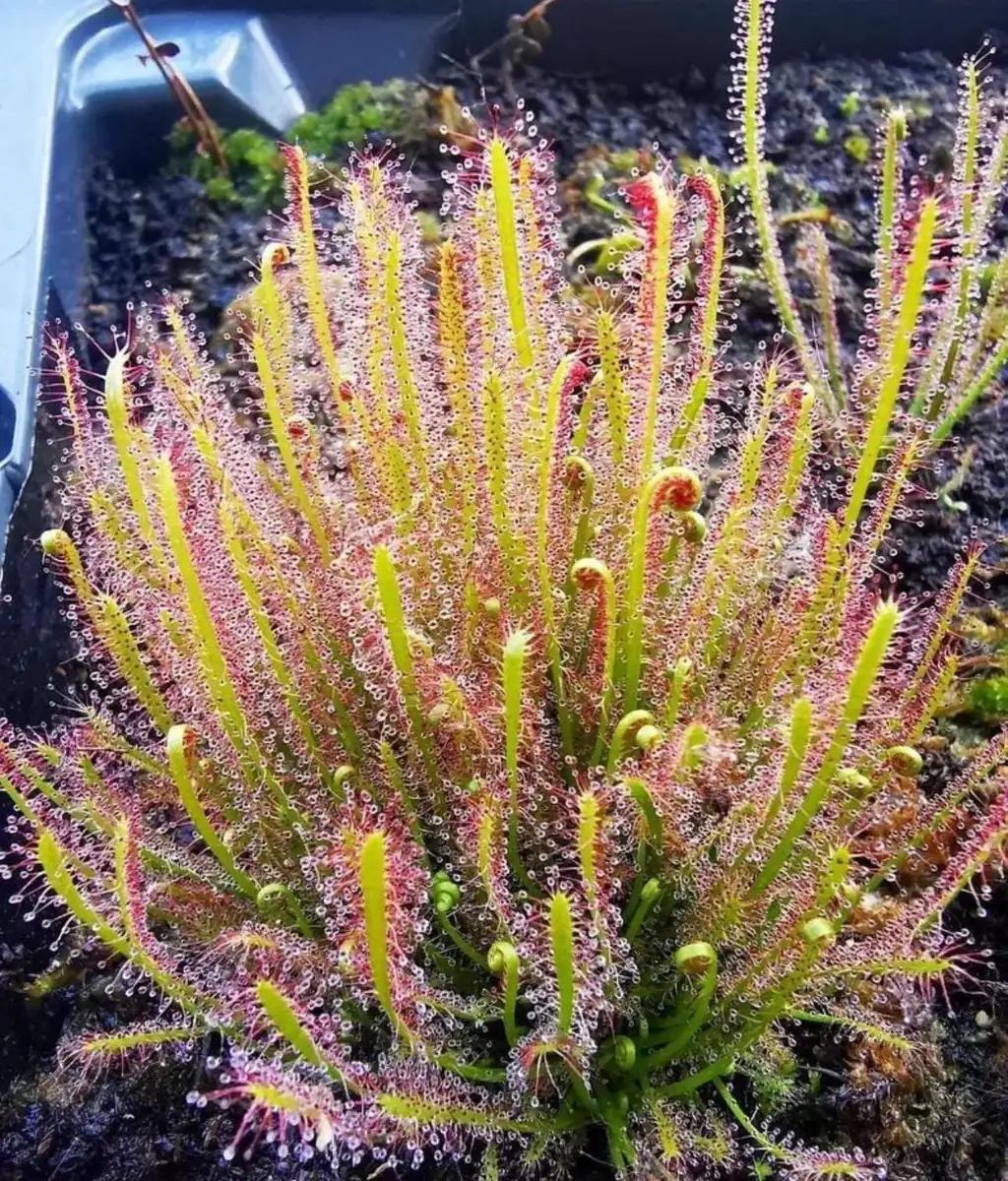
Bring the intriguing world of carnivorous plants into your home with this stunning Drosera Capensis live plant. Commonly known as the Cape Sundew, this captivating species is a fantastic choice for both seasoned plant collectors and those new to the realm of insect-eating flora. Each starter plant features long, slender leaves covered in glistening, sticky tentacles that not only look beautiful but also serve as natural insect traps, making it an excellent conversation starter and a natural pest control solution. Originating from the Cape region of South Africa, the Drosera Capensis plant is renowned for its hardiness and relatively straightforward care requirements, making it one of the most popular carnivorous plants available. Its unique predatory nature provides endless fascination as you observe it in action, catching fruit flies and other small insects.
This particular variety, the “octopus plant,” highlights its distinctive appearance with tentacles reaching out from a central rosette. The Cape Sundew plant thrives in conditions that mimic its natural boggy habitat, preferring consistently moist, nutrient-poor soil and ample light. Its ability to produce a sticky ‘dew’ on its leaves is what gives it the common name “sundew,” shimmering in the light and luring unsuspecting prey. Adding a Drosera Capensis live plant to your indoor garden means embracing a piece of nature’s ingenious design, providing both aesthetic beauty and a touch of the wild.
Key Benefits
The Drosera Capensis live plant offers a multitude of benefits beyond its unique appearance, making it a truly rewarding addition to your plant collection:
-
Natural Pest Control: One of the primary advantages of owning a Cape Sundew plant is its ability to naturally catch and consume small insects like fruit flies, gnats, and mosquitoes. This makes it an eco-friendly and fascinating way to manage common household pests without chemical sprays.
-
Visually Striking: The glistening, dew-covered tentacles of the Drosera Capensis are incredibly beautiful, especially when illuminated by sunlight. Its vibrant green and often reddish hues add a unique splash of color and texture to any indoor plant display.
-
Educational and Engaging: Observing the carnivorous habits of the Drosera Capensis live plant is a truly educational experience. It provides a real-time demonstration of adaptation and survival in the plant kingdom, captivating both adults and children.
-
Relatively Easy Care: Compared to many other carnivorous plants, the Drosera Capensis is quite forgiving, making it an excellent choice for those new to growing carnivorous species. Its robust nature means it can tolerate minor fluctuations in care, establishing it as a great beginner carnivorous plant.
-
Compact Size: This starter plant typically remains a manageable size, making it perfect for windowsills, desks, terrariums, or small indoor spaces where you want to add a distinctive botanical element without taking up too much room.
-
Unique Conversation Starter: Its exotic appearance and insect-catching abilities guarantee that your Drosera Capensis will be a focal point, sparking curiosity and conversation among guests.
Plant Care & Growing Tips
Caring for your Drosera Capensis live plant is straightforward once you understand its specific needs, which mimic its natural bog environment. Providing the right conditions will ensure a thriving and active carnivorous specimen. Sunlight is crucial; this plant loves bright light. Place it in a spot where it can receive at least 4-6 hours of direct sunlight daily, such as a south-facing window. If natural light is insufficient, a full-spectrum grow light can be used for 10-12 hours a day to maintain its vibrant color and dew production. Insufficient light can lead to a lack of dew, which hinders its ability to catch insects.
Watering is perhaps the most critical aspect of carnivorous plant care. The Drosera Capensis requires consistently moist soil. The best method is to keep the pot sitting in about 1-2 inches of distilled water, rainwater, or reverse osmosis water. Tap water should be avoided as the minerals and chemicals can be harmful to carnivorous plants over time. Allow the tray to dry out completely for a day or two occasionally before refilling, to prevent root rot. The soil itself should be a nutrient-poor mix, typically a blend of peat moss and perlite or horticultural sand. Avoid standard potting soil, which is too rich and will quickly kill the plant. The ideal temperature range is between 60-85°F (15-30°C), making it well-suited for average indoor climates. While it can tolerate short dips, prolonged cold can be detrimental. Fertilization is not necessary, as the plant obtains nutrients from the insects it catches; adding fertilizer to the soil can burn its sensitive roots. If you notice your Drosera Capensis for sale is not producing dew, check its light and water conditions first.
Humidity is also beneficial for the Cape Sundew plant, ideally above 50%. While it can adapt to lower indoor humidity, placing it near a humidifier or grouping it with other plants can help create a more favorable microclimate. Common problems include drying out (due to lack of water or tap water use) and lack of dew (due to insufficient light or humidity). With proper attention to these key elements, your Drosera Capensis will flourish and continue its fascinating insect-trapping display.
Size & Details
This offering is for a Drosera Capensis live plant, provided as a healthy starter specimen. Each plant is carefully cultivated to ensure robust growth upon arrival. While exact dimensions can vary slightly with each unique plant, you can generally expect a compact size suitable for immediate display or transplanting into a slightly larger bog-friendly container. The leaves typically form a rosette that can span 2-4 inches in diameter, with individual tentacles reaching up to 2-3 inches in length. This size makes it an ideal fit for windowsills, terrariums, or as a charming desk companion. The plant will arrive potted in a small nursery pot, ready for you to provide its specific care requirements.
With proper care, your Cape Sundew plant will continue to grow, potentially reaching a mature size of 4-6 inches in diameter, and may even flower, producing delicate pink or white blooms on a tall stalk. The growth rate is moderate, and you will notice new leaves and dew production regularly under optimal conditions. This beginner carnivorous plant is shipped with care to ensure it arrives in the best possible condition, ready to thrive in its new home.
Frequently Asked Questions
-
Q: How big does this Drosera Capensis live plant get? A: As a starter plant, it will typically be 2-4 inches in diameter. With proper care, a mature Drosera Capensis can reach about 4-6 inches in diameter, making it a compact and manageable carnivorous plant for indoor spaces.
-
Q: Is this an indoor or outdoor plant? A: The Drosera Capensis plant is primarily grown as an indoor plant in most climates due to its specific temperature and humidity needs. It can be grown outdoors in very warm, humid climates that mimic its native South African habitat, but is generally kept indoors for optimal control over its environment.
-
Q: How much sunlight does the Cape Sundew plant need? A: It requires bright light, ideally 4-6 hours of direct sunlight each day. A south-facing window is often ideal. If natural light is insufficient, a full-spectrum grow light can be used to ensure healthy growth and ample dew production.
-
Q: Is this plant easy to care for? Is it good for beginners? A: Yes, the Drosera Capensis is considered one of the easiest carnivorous plants to care for, making it an excellent beginner carnivorous plant. Its care requirements are straightforward, focusing on distilled water, nutrient-poor soil, and bright light.
-
Q: What condition will the Drosera Capensis for sale arrive in? A: Your Drosera Capensis will arrive as a healthy, live starter plant, typically in a small nursery pot with appropriate soil. While some minor stress from shipping is normal, it will be carefully packaged to ensure its safe arrival.
-
Q: What kind of water should I use for my Cape Sundew plant? A: It is crucial to use only distilled water, rainwater, or reverse osmosis water. Tap water contains minerals and chemicals that can harm or kill carnivorous plants over time. Keep the soil consistently moist by placing the pot in a tray of water.
-
Q: Does the Drosera Capensis live plant need to catch insects to survive? A: While catching insects provides essential nutrients, the plant can survive for extended periods without them. It photosynthesizes for energy. However, a diet of small insects promotes faster growth and better health. You can occasionally feed it small, live insects or rehydrated bloodworms.
-
Q: When is the best time to plant or repot my Drosera Capensis? A: The best time to repot is typically in spring or early summer, when the plant is actively growing. Use a suitable carnivorous plant soil mix (peat moss and perlite) and ensure minimal disturbance to the roots.
-
Q: What is the ideal temperature range for a Drosera Capensis plant? A: The ideal temperature range is between 60-85°F (15-30°C). It can tolerate slightly cooler temperatures but prefers consistent warmth. Avoid freezing temperatures or extreme heat.
-
Q: Is the Drosera Capensis for sale pet-safe? A: Carnivorous plants are generally considered non-toxic to pets, but it’s always best to prevent pets from consuming any houseplant. While not highly toxic, ingestion could cause mild stomach upset.


Reviews
There are no reviews yet.