
Overview
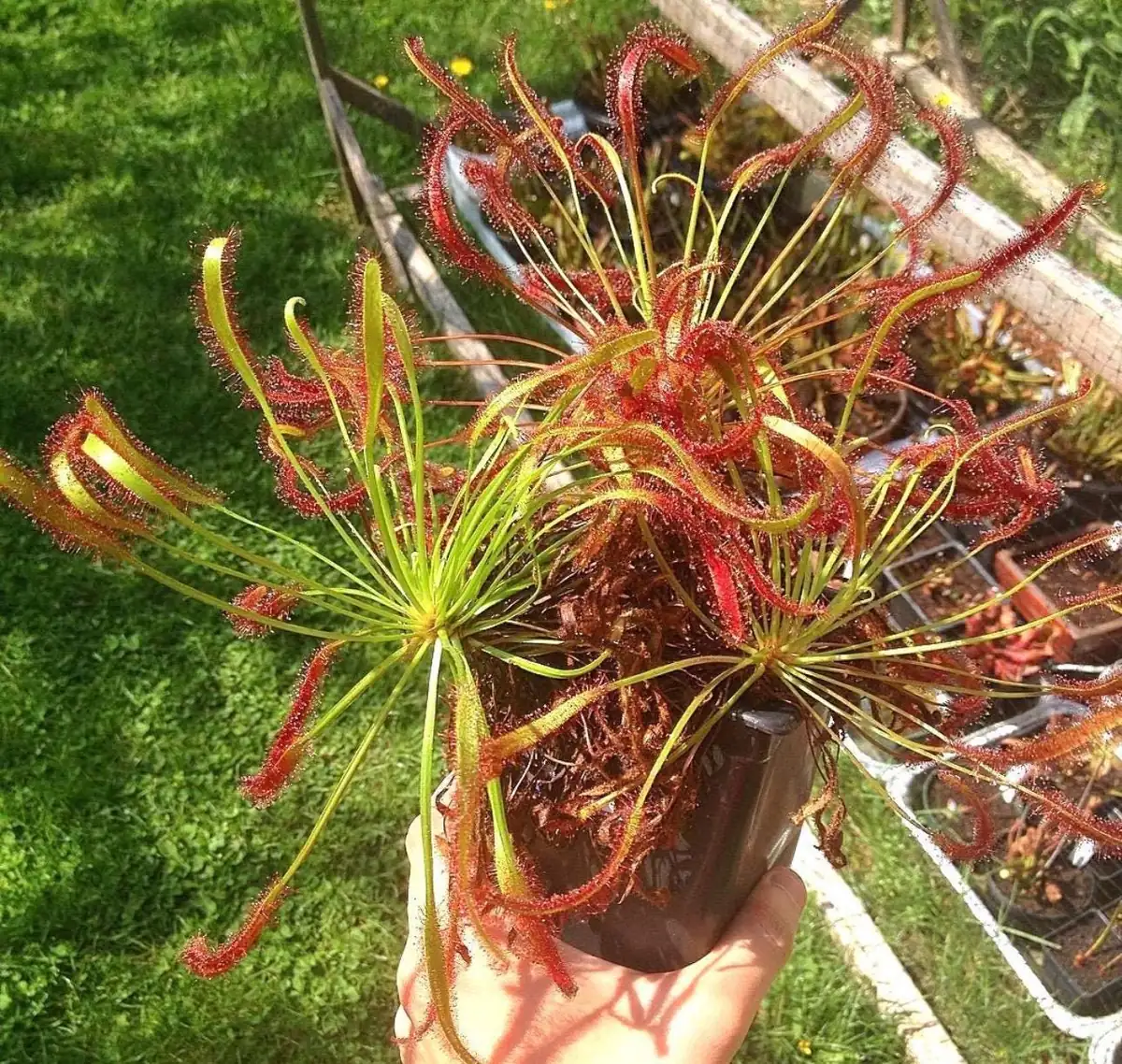
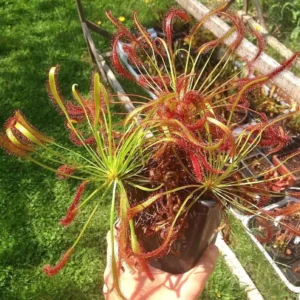
Introduce a touch of the extraordinary to your home with the Drosera Capensis live plant, commonly known as the “Octopus Plant” due to its long, sticky tentacles resembling an octopus’s arms. This remarkable carnivorous plant is a species of sundew native to the Cape region of South Africa, celebrated for its unique ability to trap and digest insects. Each leaf is covered in glistening, sticky dew-like droplets that attract and ensnare small prey, making it an engaging and natural pest controller for your indoor space. This particular offering provides a healthy specimen in a 4-inch pot, ready to be a captivating focal point in your plant collection. Its vibrant green to reddish hues, especially under strong light, add to its visual appeal, making it a favorite among both seasoned collectors and those new to the world of carnivorous plants. The Drosera Capensis live plant is known for its relatively easy care, making it an excellent entry point into growing sundews.
The “Octopus Plant” description perfectly captures the unusual and beautiful form of this species, which continuously produces new leaves from its central rosette. As an active hunter, it provides constant entertainment, showcasing nature’s ingenious adaptations. Owning a carnivorous plant like the Drosera Capensis adds an educational and aesthetic dimension to any indoor garden, sparking curiosity and conversation.
Key Benefits
The Drosera Capensis live plant offers a multitude of benefits, making it an excellent choice for any plant enthusiast. Its unique characteristics provide both aesthetic appeal and practical advantages.
- Natural Pest Control: The sticky tentacles effectively capture and digest small insects like gnats and fruit flies, helping to keep your home pest-free without chemicals. This makes it an ideal natural solution for common household pests.
- Visually Striking Appearance: With its vibrant green leaves often tipped with red under proper light, and the mesmerizing glistening ‘dew’ on its tentacles, the carnivorous plant is a true living sculpture. It adds an exotic and intriguing element to any room.
- Educational Value: Observing the Drosera Capensis capture and digest insects provides a fascinating insight into the natural world and the adaptations of carnivorous plants. It’s a great learning tool for all ages.
- Relatively Easy Care: Compared to many other carnivorous plants, the Drosera Capensis care is straightforward, making it suitable for beginners. It thrives with consistent moisture and bright light, requiring minimal fuss once its basic needs are met.
- Compact Size: Growing in a 4-inch pot, this octopus plant is perfectly sized for windowsills, desks, or terrariums, making it a versatile addition to smaller spaces or plant arrangements.
- Unique Conversation Starter: Its unusual appearance and carnivorous nature are sure to spark interest and conversation among guests, highlighting your unique taste in houseplants.
- Indoor Adaptability: This specific sundew plant thrives as a sundew plant indoor, making it an excellent choice for those looking to expand their indoor plant collection with something truly distinctive.
Plant Care & Growing Tips
Proper Drosera Capensis care is essential for its health and vibrant growth. This carnivorous plant thrives in specific conditions that mimic its natural boggy habitat. Sunlight is crucial; it requires bright, direct sunlight for at least 4-6 hours daily. A south-facing window is ideal, or you can supplement with a full-spectrum grow light. Insufficient light will result in less dew production and a paler plant. Temperature-wise, it prefers moderate conditions, typically between 65-85°F (18-29°C), making it well-suited as a sundew plant indoor. While it can tolerate cooler temperatures, avoid frost.
Watering is perhaps the most critical aspect of Drosera Capensis care. These plants need consistently moist soil. The best method is the tray method: place the potted plant in a tray filled with about an inch of distilled water, rainwater, or reverse osmosis water. Never use tap water, as the minerals and salts can quickly kill the plant. Allow the tray to dry out completely for a day or two before refilling. The soil should be a low-nutrient, acidic mix, typically a blend of peat moss and perlite or horticultural sand (50/50 ratio). Avoid standard potting soil, which is too rich in nutrients and can harm the plant. Fertilization is generally not needed; the plant gets its nutrients from the insects it catches. If it’s not catching enough insects, you can occasionally feed it small, flightless insects or a very diluted carnivorous plant fertilizer.
Humidity is also important for this octopus plant, ideally above 50%. While it can tolerate lower humidity, higher levels will encourage more dew production. You can achieve this with a humidifier, by grouping plants, or by growing it in a terrarium (though ensure good air circulation). Watch out for common pests like aphids or mealybugs, which can be treated with insecticidal soap or by manual removal. Overall, with consistent attention to light, water quality, and soil, your Drosera Capensis live plant will flourish.
Size & Details
This offering features a healthy Drosera Capensis live plant, also known as the “Octopus Plant,” cultivated in a standard 4-inch nursery pot. At the time of shipping, the plant typically measures approximately 3-5 inches in diameter, with a height of 2-4 inches from the soil line, though exact dimensions may vary slightly depending on individual growth patterns and seasonal availability. Each plant is carefully selected to ensure vigor and readiness for its new home. The plant will be shipped in its growing medium within the 4-inch pot, minimizing transplant shock upon arrival. Expect a moderate growth rate, with new leaves continually emerging from the central rosette. Given optimal care, this carnivorous plant can reach a mature spread of 6-8 inches or more over time, developing a robust and attractive form. It is a perennial species, meaning it will live for many years with proper care and attention, providing continuous enjoyment as a captivating sundew plant indoor.
Frequently Asked Questions
- Q: How big does this Drosera Capensis live plant get? A: When mature, the Drosera Capensis live plant can reach a diameter of 6-8 inches or more. This particular plant is currently in a 4-inch pot and will continue to grow larger.
- Q: Is this an indoor or outdoor carnivorous plant? A: While it can tolerate some outdoor conditions in suitable climates, the Drosera Capensis live plant is primarily grown as an indoor plant, making it an excellent sundew plant indoor choice, especially in regions with cold winters.
- Q: How much sunlight does the octopus plant need? A: The octopus plant requires bright, direct sunlight for at least 4-6 hours daily. A south-facing window or supplemental grow lights are highly recommended to ensure it produces ample dew.
- Q: Is this plant easy to care for? Is it good for beginners? A: Yes, the Drosera Capensis care is considered relatively easy compared to many other carnivorous plants, making it an excellent choice for beginners interested in growing sundews.
- Q: What condition will the Drosera Capensis live plant arrive in? A: Your Drosera Capensis live plant will arrive carefully packaged in its 4-inch nursery pot with its growing medium, ready for placement in your home. Some minor leaf yellowing or stress from transit is normal.
- Q: How often should I water my carnivorous plant? A: You should keep the soil of your carnivorous plant consistently moist using the tray method with distilled, rainwater, or reverse osmosis water. Never let it dry out completely for extended periods.
- Q: What type of soil does the Drosera Capensis need? A: The Drosera Capensis live plant requires a low-nutrient, acidic soil mix, typically a blend of peat moss and perlite or horticultural sand. Avoid standard potting soil.
- Q: Can I feed my Drosera Capensis regular bugs from my house? A: The octopus plant will catch small insects like gnats and fruit flies on its own. You can occasionally offer small, flightless insects if it’s not catching enough, but avoid large or hard-shelled bugs.
- Q: Will this sundew plant indoor survive winter without special care? A: As a tropical sundew plant indoor, it prefers consistent warm temperatures and will not tolerate frost. Keep it indoors in a warm, bright spot during colder months.
- Q: How long until my Drosera Capensis starts flowering? A: With good care, a mature Drosera Capensis live plant can flower multiple times a year, producing small pink or white flowers on a tall stalk.


Reviews
There are no reviews yet.