

Overview
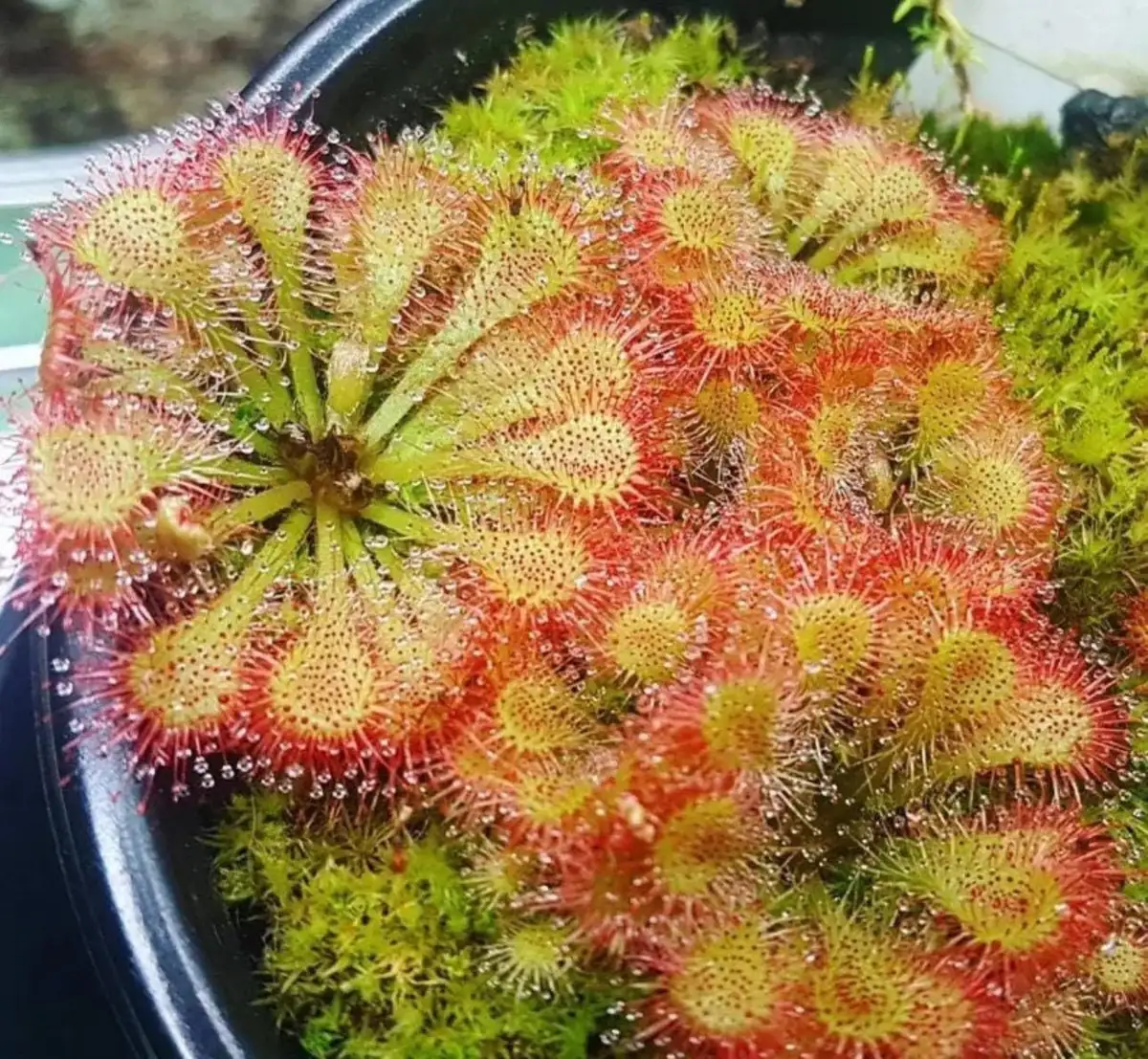
Introduce a truly captivating specimen to your collection with the drosera spatulata live plant. Also known as the Spoon-leaved Sundew, this remarkable carnivorous plant is celebrated for its compact size and vibrant, dew-covered leaves that glisten in the light. Each leaf is tipped with mucilage-secreting tentacles that attract, trap, and digest small insects, offering a fascinating natural pest control solution for your home. This starter plant provides an excellent opportunity to observe the intricate world of carnivorous flora up close, making it a perfect choice for both novice and experienced plant enthusiasts eager to explore the unique adaptations of insectivorous plants. Its charming appearance and active hunting mechanism make it a constant source of wonder and an engaging focal point in any indoor garden or terrarium.
The drosera spatulata live plant is a small, rosette-forming sundew native to various regions of Asia and Australia. Its name derives from the Greek word ‘drosos’ meaning ‘dewdrop,’ perfectly describing the sticky, glandular hairs that cover its leaves. These ‘dewdrops’ are actually a powerful adhesive, luring unsuspecting insects to their demise. This live plant is not just a decorative item; it’s a living, breathing ecosystem that constantly works to keep your environment free of small gnats and other flying pests. Its ease of care and striking appearance make it an ideal choice for anyone looking to add an extraordinary botanical element to their space.
Key Benefits
The drosera spatulata live plant offers a range of unique benefits that extend beyond its striking appearance, making it a valuable addition to your home or garden. Its natural predatory instincts provide an effective and chemical-free method of insect control.
- Natural Insect Control: The primary benefit of the drosera spatulata live plant is its ability to naturally trap and digest small insects like gnats, fruit flies, and mosquitoes. This provides a chemical-free solution for pest management in your home.
- Unique Aesthetic Appeal: With its glistening, dew-covered leaves and compact rosette form, this sundew offers an exotic and captivating visual element that stands out among traditional houseplants. It’s a living conversation starter.
- Educational Value: Observing the mechanics of this carnivorous plant as it traps and digests insects provides a fascinating educational experience for all ages, highlighting the incredible diversity of the plant kingdom.
- Low Maintenance: Once its specific environmental needs are met, the carnivorous sundew care is surprisingly straightforward, requiring consistent moisture and appropriate light without much fuss.
- Compact Size: The small, rosette growth habit of the spoon-leaved sundew makes it ideal for windowsills, terrariums, or small indoor spaces where larger plants might not fit.
- Enhances Humidity: As a bog plant, it thrives in high humidity, which can contribute to a slightly more humid environment in its immediate vicinity, beneficial for other humidity-loving plants.
- Therapeutic Hobby: Tending to unique plants like this contributes to a relaxing and rewarding gardening hobby, offering a sense of accomplishment as your plant thrives.
Plant Care & Growing Tips
Proper carnivorous sundew care is essential for the health and vitality of your drosera spatulata live plant. These plants thrive when their specific environmental needs are consistently met. They require plenty of bright light to develop their characteristic red coloration and abundant ‘dew’. Place your sundew in a location where it receives at least 4-6 hours of direct sunlight daily, such as a south-facing window. If natural light is insufficient, a full-spectrum grow light can be used for 12-14 hours a day to ensure vigorous growth and strong dew production. Avoid low light conditions, which can lead to a lack of dew and poor health.
Watering is perhaps the most crucial aspect of caring for a spoon-leaved sundew. These plants are bog dwellers and require consistently moist, never dry, soil. Always use distilled water, rainwater, or reverse osmosis water, as tap water often contains minerals that can harm carnivorous plants. The best method is to keep the pot sitting in a tray of about 1 inch of water. Allow the tray to dry out completely for a day or two before refilling it to prevent root rot. Humidity is also important; while they can tolerate average household humidity, higher levels (50-70%) will promote better dew production. Consider placing your plant in a terrarium or using a humidity tray if your environment is particularly dry.
For soil, a specialized carnivorous plant mix is necessary. A common mix is a 1:1 ratio of peat moss (or sphagnum moss) and perlite or horticultural sand. Never use regular potting soil, as it contains nutrients and minerals that are toxic to sundews. The drosera spatulata live plant does not need fertilizer; it obtains all necessary nutrients from the insects it catches. Repotting is generally needed every 1-2 years, or when the plant outgrows its pot. These plants prefer temperatures between 65-85°F (18-29°C) during the day and slightly cooler at night. They are generally hardy in USDA zones 9-11 if grown outdoors, but are most commonly kept as indoor bog plants due to their specific water and soil requirements.
Size & Details
Your drosera spatulata live plant will arrive as a healthy starter plant, typically with a rosette diameter of approximately 1 to 2 inches. These compact plants are known for their relatively fast growth rate under optimal conditions, quickly filling out their pots. They are shipped as live, rooted plants, carefully packaged to ensure their safe arrival. While individual plants vary, you can expect a robust specimen ready to thrive in its new environment. Drosera spatulata is a perennial species, meaning it will continue to grow and flourish for many years with proper care, often producing small flower stalks with delicate pink or white blooms.
This species generally reaches a mature size of about 2-3 inches in diameter, making it an ideal choice for windowsills, small terrariums, or mixed carnivorous plant displays. The plant will be shipped in a small nursery pot, ready for you to transfer to your preferred acidic, well-draining substrate. Its preference for consistently moist, nutrient-poor conditions, typical of an indoor bog plant, makes it a unique and rewarding plant to cultivate. Ensure you have appropriate water (distilled, RO, or rainwater) and a suitable potting mix ready for its arrival to give it the best start.
Frequently Asked Questions
- Q: How big will my Drosera Spatulata get? A: A drosera spatulata live plant typically grows to a mature rosette diameter of 2-3 inches. It remains relatively compact, making it suitable for small spaces and terrariums.
- Q: Is this an indoor or outdoor plant? A: While it can tolerate outdoor conditions in very specific climates (USDA zones 9-11), the spoon-leaved sundew is most commonly grown as an indoor plant due to its precise requirements for water quality and humidity, making it an excellent indoor bog plant.
- Q: How much sunlight does it need? A: Your drosera spatulata live plant requires at least 4-6 hours of direct sunlight daily to produce vibrant color and ample dew. If natural light is insufficient, a full-spectrum grow light is highly recommended.
- Q: Is this plant easy to care for? A: Yes, once you understand its specific needs for distilled water and bog-like soil, carnivorous sundew care is quite straightforward. It’s considered one of the easier carnivorous plants for beginners.
- Q: What condition will it arrive in? A: Your plant will arrive as a live, rooted starter plant, carefully packaged to minimize stress during transit. Some minor leaf yellowing or loss can occur but the plant recovers quickly.
- Q: What should I plant it in? A: Use a mix of peat moss (or sphagnum moss) and perlite or horticultural sand. Never use regular potting soil, as it contains harmful nutrients. This specialized mix supports its needs as an indoor bog plant.
- Q: Will it help with household pests? A: Absolutely! The sticky ‘dew’ on the leaves of your drosera spatulata live plant is highly effective at trapping small flying insects like gnats and fruit flies, providing natural pest control.
- Q: Do I need to feed it insects? A: No, your sundew will catch its own insects if available. If grown indoors without pests, you can occasionally offer a small, live insect or a tiny amount of rehydrated bloodworms, but it’s not strictly necessary for survival.
- Q: What kind of water should I use? A: Always use distilled water, rainwater, or reverse osmosis water. Tap water contains minerals that can harm and eventually kill carnivorous plants like the spoon-leaved sundew.
- Q: Is it safe for pets? A: While generally considered non-toxic, it’s always best to keep plants out of reach of pets to prevent accidental ingestion and protect the plant itself.


Reviews
There are no reviews yet.