Overview
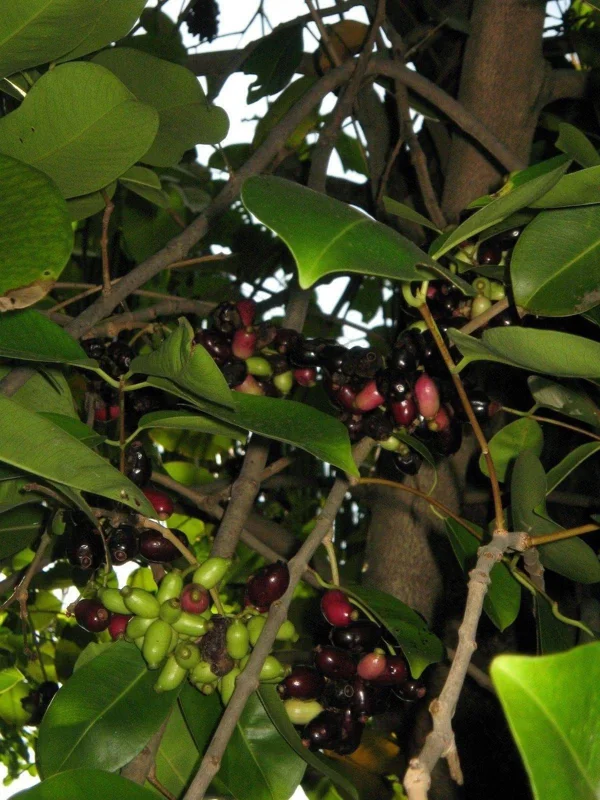
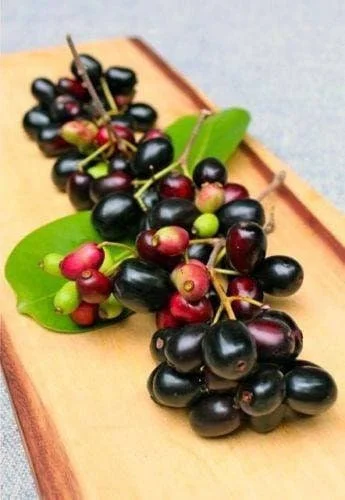
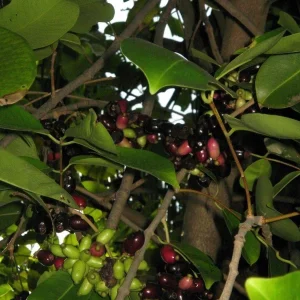
Introduce a taste of the Philippines to your landscape with the magnificent Duhat fruit tree. This Jambul live plant, also known scientifically as Syzygium cumini, arrives as a well-established specimen, typically 3 to 4 feet tall and shipped in a robust 3-gallon pot, ready for planting. The Duhat, or Jambul, is renowned for its delicious, dark purple fruits that are a staple in many tropical regions. Originating from our fresh gardens, each plant is carefully nurtured to ensure strong roots and healthy growth upon arrival. This versatile fruit tree is not only a source of popular, nutritious fruit but also an attractive addition to any garden, offering lush green foliage and a unique culinary experience.
The Duhat fruit tree is highly valued for its cultural significance and widespread popularity, especially in Southeast Asia. Its rapid growth and adaptability make it a rewarding choice for both novice and experienced gardeners looking to cultivate an exotic fruit. When you acquire a Jambul live plant, you’re not just getting a tree; you’re investing in a source of fresh, homegrown fruit for years to come. This particular offering provides a substantial plant, giving it a head start in your garden and bringing you closer to enjoying its bounty sooner.
Key Benefits
Cultivating a Duhat fruit tree offers a multitude of advantages, from its delicious fruit to its ornamental value. This Jambul live plant is more than just a source of food; it’s a vibrant addition to your home garden, providing both beauty and utility. Here are some of the key benefits:
- Delicious and Nutritious Fruit: The Duhat fruit is one of the most popular fruits in the Philippines and other tropical regions. Ripe fruits can be eaten outright, offering a unique sweet and tart flavor that is both refreshing and satisfying.
- Versatile Culinary Uses: Beyond fresh consumption, the juice from the ripe fruit can be made into wine, often used in the manufacture of red wine, known as “tinto dulce.” The unripe fruit’s juice can also be used to make vinegar, adding a distinctive flavor to various dishes.
- Rich in Essential Nutrients: The fruit is a good source of calcium, crucial for bone health, and a fair source of iron, important for blood production and energy. Incorporating Duhat into your diet can contribute to overall well-being.
- Attractive Garden Addition: With its lush foliage and eventual fruit production, the Duhat fruit tree serves as an attractive ornamental plant, enhancing the aesthetic appeal of your garden or patio.
- Established Plant for Faster Fruiting: Shipping a 3 to 4 feet tall plant in a 3-gallon pot means you receive a well-developed specimen, significantly reducing the time until your tree begins bearing fruit compared to planting from a smaller size.
- Easy to Grow: The Jambul live plant is known for its resilience and relatively easy care, making it suitable for a wide range of gardeners.
- Unique Flavor Profile: Experience the distinct taste of this exotic fruit that is hard to find in conventional grocery stores, offering a unique culinary adventure.
Plant Care & Growing Tips
Caring for your Duhat fruit tree is straightforward, ensuring a bountiful harvest with proper attention. This Syzygium cumini plant thrives in warm, tropical, and subtropical climates. For optimal growth, it requires full sun exposure, meaning at least 6-8 hours of direct sunlight per day. If planting in a container, ensure it’s placed in the sunniest spot on your patio or near a south-facing window if grown indoors in cooler climates. Young plants may benefit from some afternoon shade in extremely hot regions to prevent scorching.
When it comes to watering, the Duhat fruit tree prefers consistently moist soil, especially during its active growing season and fruit production. However, it’s crucial to avoid waterlogging, which can lead to root rot. Allow the top inch or two of soil to dry out slightly between waterings before thoroughly soaking the plant. Well-draining soil is paramount for this tree’s health. A rich, loamy soil mix with good organic content is ideal. For potted plants, use a high-quality potting mix designed for fruit trees or tropical plants, ensuring the pot has adequate drainage holes. The tree is generally hardy in USDA zones 9-11, preferring temperatures above 50°F (10°C). In colder zones, it can be grown in a container and brought indoors during winter months.
Fertilization should begin in the spring as new growth emerges and continue through the summer. Use a balanced, slow-release fertilizer formulated for fruit trees, following the product’s instructions for application rates. A Duhat plant care regimen also includes occasional pruning to maintain shape, remove dead or diseased branches, and encourage better air circulation and fruit production. Watch out for common pests like aphids or scale insects; treat them promptly with organic insecticidal soap if observed. Providing consistent care will ensure your fruit tree for sale flourishes and produces delicious fruit.
Size & Details
This offering is for one robust Duhat fruit tree, a quality Jambul live plant that stands approximately 3 to 4 feet tall from the base of the pot to the tip of its tallest branch. The plant is shipped securely in a 3-gallon nursery pot, providing ample space for its established root system to continue growing during transit and upon arrival. This significant size gives the plant a strong head start, allowing it to establish quickly in your garden or a larger container. While the exact time to maturity can vary based on growing conditions, a plant of this size typically begins to bear fruit within 2-3 years after planting, often sooner than smaller specimens.
The Syzygium cumini plant is known for its moderate growth rate, eventually reaching heights of 20-40 feet in ideal outdoor conditions, though it can be maintained at a smaller size with regular pruning when grown in containers. The spread can be equally wide, forming a dense, rounded canopy. The foliage is evergreen, contributing to its year-round appeal. Each plant is meticulously inspected to ensure it arrives in excellent health, ready to be transplanted into its permanent home. Expect a well-branched plant with strong, healthy roots, indicative of a thriving Duhat fruit tree that has been cared for from our gardens.
Frequently Asked Questions
- Q: How big does this plant get? A: This Duhat fruit tree is currently 3 to 4 feet tall. If planted in the ground in suitable climates, it can eventually reach heights of 20-40 feet, but it can be kept smaller with regular pruning when grown in a container.
- Q: What size pot does it come in? A: The Jambul live plant is shipped in a 3-gallon nursery pot, providing a healthy root system and a good head start for growth.
- Q: Is this an indoor or outdoor plant? A: The Duhat fruit tree is best suited for outdoor planting in USDA zones 9-11. In colder climates, it can be grown in a container and brought indoors during the winter months.
- Q: How much sunlight does it need? A: This Syzygium cumini plant thrives in full sun, requiring at least 6-8 hours of direct sunlight per day for optimal growth and fruit production.
- Q: Is this plant easy to care for? A: Yes, the Duhat fruit tree is considered relatively easy to care for, especially once established. It requires consistent watering, well-draining soil, and adequate sunlight.
- Q: What condition will it arrive in? A: Your fruit tree for sale will arrive as a healthy, live plant with good roots, carefully packaged to minimize stress during shipping. We ensure a vigorous plant ready for transplanting.
- Q: Can I use Duhat fruit in cooking? A: Absolutely! The ripe fruit is commonly eaten fresh, and its juice is used to make wine. The juice of unripe fruit can also be used to make vinegar, adding a unique flavor to various culinary creations.
- Q: How long until it blooms? A: Given its current size of 3-4 feet, your Duhat fruit tree may start to flower and fruit within 2-3 years, or even sooner, depending on growing conditions and care.
- Q: What’s the best time to plant? A: The best time to plant your Jambul live plant is typically in spring or early summer, allowing it ample time to establish before cooler weather. However, in tropical climates, it can be planted year-round.
- Q: Will it survive winter in my zone? A: The Duhat fruit tree is hardy in USDA zones 9-11. If you live in a colder zone, you will need to protect it from frost or grow it in a container and move it indoors during winter.


Reviews
There are no reviews yet.