Overview
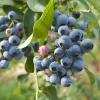
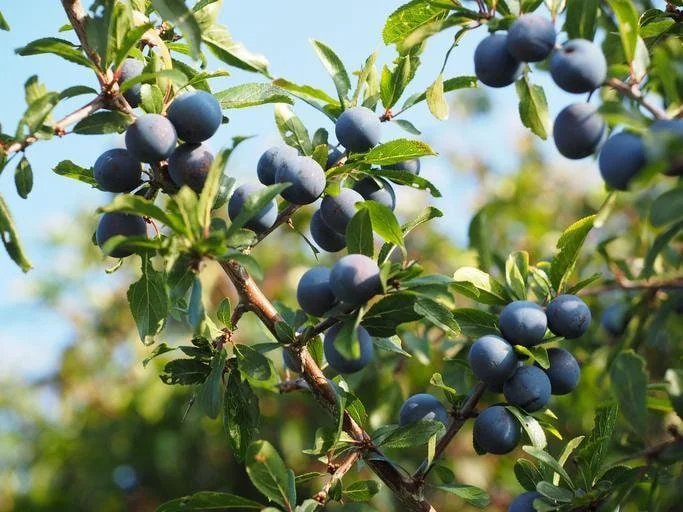
Bring the joy of fresh, homegrown fruit to your garden with the Duke blueberry live plant. This exceptional variety is renowned for its vigorous growth and abundant production of delicious, quarter-sized blueberries. Shipped as a 1-quart sized bare root plant, typically 18 to 24 inches in size, it’s ready to establish quickly in your landscape. The ‘Duke’ cultivar is a popular choice among home gardeners and commercial growers alike, prized for its reliable yield, excellent flavor profile, and attractive ornamental qualities. This cold-hardy plant not only provides a bountiful harvest but also adds seasonal beauty with its white blooms in spring and vibrant fall foliage.
The ‘Duke’ blueberry is a highbush variety, meaning it grows into a substantial shrub, perfect for edible landscaping or dedicated berry patches. Its ability to produce fruit later in the season helps it avoid damage from late spring frosts, ensuring a more consistent crop. If you’re considering growing Duke blueberries, you’ll be delighted by their versatility and the relatively low maintenance required once established. This specific offering provides a healthy, well-developed bare root specimen, giving you a head start on cultivating your own berry patch.
Key Benefits
The Duke blueberry live plant offers a multitude of advantages for gardeners, combining aesthetic appeal with a rewarding harvest. It’s a fantastic addition to any garden space, promising both beauty and delicious fruit for years to come.
- Abundant and Flavorful Fruit: Produces a generous yield of large, quarter-sized blueberries with a mild, crisp texture, perfect for fresh eating, baking, or preserves.
- Cold Hardiness: Thrives in USDA Zones 4-7, making it a robust choice for cooler climates and a reliable cold-hardy blueberry.
- Late Season Bloom: Blooms later than many other varieties, significantly reducing the risk of frost damage to developing fruit.
- Self-Pollinating: While cross-pollination can increase yields, the ‘Duke’ is a self-pollinating blueberry, meaning you only need one plant to get fruit.
- Attractive Ornamental Qualities: Features beautiful white spring blooms and striking fall foliage, adding year-round interest to your garden.
- Vigorous Growth: Known for its strong, upright growth habit, establishing well and producing fruit relatively quickly after planting.
- Rich in Antioxidants: Blueberries are celebrated for their health benefits, packed with antioxidants and essential nutrients.
Plant Care & Growing Tips
Caring for your Duke blueberry live plant is straightforward, especially when you provide the right conditions. Blueberries generally prefer full sun, meaning at least 6-8 hours of direct sunlight per day. Choose a location that receives ample light throughout the growing season to ensure optimal fruit production and plant health. The ‘Duke’ variety is adaptable but will perform best in a consistent light environment. Ensure good air circulation around the plant to prevent fungal issues.
Soil is paramount for successful growing Duke blueberries. They require acidic, well-drained soil with a pH level between 4.5 and 5.5. If your soil is naturally alkaline, you may need to amend it with peat moss, sulfur, or specific acidifying fertilizers. Loamy soil is ideal, providing good drainage while retaining sufficient moisture. Keep the soil consistently moist, especially during fruiting, but avoid waterlogging. A layer of organic mulch, such as pine bark or wood chips, can help retain moisture, suppress weeds, and maintain soil acidity. Water deeply when the top inch of soil feels dry to the touch.
Fertilize your blueberry plant in early spring with a fertilizer specifically formulated for acid-loving plants, such as azaleas or rhododendrons, or a balanced slow-release fertilizer. Avoid fertilizers containing nitrates, which can be harmful to blueberries. Pruning is essential for maintaining plant vigor and maximizing fruit production. In late winter or early spring, remove any dead, damaged, or weak canes. After a few years, begin to remove some of the oldest, least productive canes to encourage new growth. The ‘Duke’ is a resilient and cold-hardy blueberry, but protecting it from extreme winter winds in colder zones can be beneficial.
Size & Details
This offering includes one Duke blueberry live plant, shipped as a bare root specimen. Each plant is typically 18 to 24 inches in height upon arrival, providing a substantial start for your garden. Bare root plants are dormant when shipped, which minimizes transplant shock and allows them to establish quickly once planted. The ‘Duke’ is a highbush blueberry, maturing into an upright shrub that can reach 4-6 feet tall and 3-5 feet wide, depending on growing conditions and pruning practices. It has a moderate growth rate, and you can expect to see fruit production within 1-2 years after planting, with full production achieved in 3-5 years.
The plant is self-pollinating, making it a convenient choice for any garden size, though planting multiple blueberry varieties can often enhance cross-pollination and lead to even larger harvests. The berries typically ripen in late May, offering an early-season harvest of delicious fruit. This self-pollinating blueberry is a reliable producer, known for its consistent yields year after year when properly cared for. Its robust nature and adaptability to a range of soil types (within the acidic pH range) make it a forgiving plant for both novice and experienced gardeners.
Frequently Asked Questions
- Q: How big does this Duke blueberry plant get? A: The Duke blueberry live plant typically grows to a mature height of 4-6 feet and a width of 3-5 feet. Its upright growth habit makes it a great addition to various garden spaces, and regular pruning can help maintain its size and shape.
- Q: Is this an indoor or outdoor plant? A: The ‘Duke’ blueberry is an outdoor plant, specifically a fruiting shrub. It requires full sun exposure and is best suited for planting directly in the ground or in large outdoor containers where it can receive adequate light and space.
- Q: How much sunlight does it need? A: For optimal fruit production and health, the Duke blueberry live plant needs at least 6-8 hours of direct sunlight per day. A full sun location will yield the best results for your harvest.
- Q: Is this plant easy to care for? A: Yes, ‘Duke’ blueberries are considered relatively easy to care for once established, especially if you provide the necessary acidic soil conditions. Consistent moisture and annual pruning are key aspects of successful Duke blueberry plant care.
- Q: What condition will it arrive in? A: Your Duke blueberry live plant will arrive as a dormant bare root plant, typically 18-24 inches in size. This method of shipping minimizes stress and ensures the plant is ready for successful transplanting into your garden.
- Q: How long until it blooms and produces fruit? A: You can expect the ‘Duke’ blueberry to bloom in its first or second year after planting. Significant fruit production usually begins in 1-2 years, with full yields achieved in 3-5 years as the plant matures.
- Q: Will it survive winter in my zone? A: Yes, the ‘Duke’ is a highly resilient and cold-hardy blueberry variety, thriving in USDA Zones 4-7. It is well-adapted to surviving cold winters in these regions, making it a reliable choice for many northern climates.
- Q: Do I need more than one plant for pollination? A: The ‘Duke’ is a self-pollinating blueberry, meaning you will get fruit with just one plant. However, planting another blueberry variety nearby can often lead to increased fruit set and larger harvests due to cross-pollination.
- Q: What kind of soil does this blueberry prefer? A: The ‘Duke’ blueberry thrives in acidic, well-draining soil with a pH between 4.5 and 5.5. Loamy soil enriched with organic matter like peat moss is ideal for growing Duke blueberries.
- Q: When is the best time to plant this bare root blueberry? A: The best time to plant bare root blueberries is typically in early spring, after the last hard frost but before the heat of summer. This allows the plant ample time to establish its root system before active growth begins.


Reviews
There are no reviews yet.