Overview
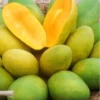
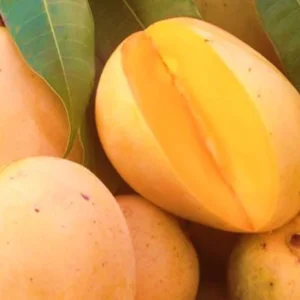
Cultivate your own tropical paradise with the exceptional Duncan mango tree live plant. This grafted specimen, typically standing 2-4 feet tall, is a highly sought-after variety known for its superior fruit quality and robust growth. The Duncan mango, scientifically known as Mangifera indica ‘Duncan’, was developed in Florida and quickly gained recognition for its unique characteristics. It produces medium-sized, clean yellow fruit with a vibrant yellow, fiberless flesh that boasts a delightful Indochinese/Philippine-type flavor. This particular cultivar is a low-vigor grower with a spreading habit, making it very manageable for home gardeners. Its early fruiting capability and remarkable disease resistance further enhance its appeal, establishing it as a top choice among tropical fruit enthusiasts.
The origin of the Duncan mango is as intriguing as its flavor. It emerged from an Edward seedling, selected by David Sturrock in West Palm Beach, FL, and is the result of a cross between the Edward and a Philippine mango. Named after Ralph Duncan, an employee of the Water Control District who contributed to a book by Sturrock, this variety was patented due to its outstanding traits. Its ability to fruit quickly, often within two years of planting, was achieved through an innovative approach-grafting technique. This grafted mango tree offers a reliable and rewarding growing experience for those looking to enjoy homegrown tropical fruit.
Key Benefits
The Duncan mango tree live plant offers a multitude of advantages for the discerning gardener, combining ease of care with an abundance of delicious fruit. Its unique qualities make it a standout choice for both novice and experienced growers.
- Exceptional Fruit Quality: Enjoy medium-sized, clean yellow fruit with a vibrant yellow, fiberless flesh. The flavor is a delightful Indochinese/Philippine type, known for its sweetness and smooth texture, making it perfect for fresh eating, desserts, and culinary creations.
- Superior Disease Resistance: This cultivar boasts some of the best disease resistance among mango varieties, displaying excellent resilience to major diseases impacting mangoes in South Florida, including bacterial spot and rot. This reduces the need for extensive chemical treatments and ensures a healthier tree.
- Manageable Growth Habit: As a low-vigor grower with a spreading growth habit, the Duncan mango tree live plant is highly manageable in a home garden setting. Its compact nature makes it suitable for smaller spaces or container growing in colder climates, where it can be moved indoors during winter.
- Early and Productive Fruiting: Due to its grafted nature, the tree typically produces fruit much faster than seed-grown varieties, often within two years of planting. It is also noted for being a highly productive tree, yielding a generous harvest each season.
- Long Harvest Season: The fruit has a long season, lasting from late June into early August. This extended harvest period allows you to enjoy fresh mangoes over several weeks, with later-maturing fruit often proving superior in flavor and quality.
- Monoembryonic Seed: The Duncan mango contains a monoembryonic seed, meaning the seedling grown from the seed will be genetically identical to the parent tree. This is a valuable trait for propagation and maintaining cultivar purity.
- Adaptable to Various Climates: While thriving in tropical and subtropical regions, with proper care and protection, a tropical fruit tree like the Duncan mango can be grown in USDA zones where winter protection is provided.
Plant Care & Growing Tips
Caring for your Duncan mango tree live plant involves providing the right conditions to ensure healthy growth and abundant fruiting. Mango trees thrive in warm, sunny environments and well-draining soil. For optimal growth, choose a location that receives at least 6-8 hours of direct sunlight per day. In very hot climates, some afternoon shade can be beneficial to prevent sunburn on young trees. If growing in a container, ensure it is large enough to accommodate root growth and has ample drainage holes. The right environment is crucial for successful Duncan mango care.
Watering is a critical aspect of mango tree care. While established trees are somewhat drought-tolerant, young trees require consistent moisture, especially during dry periods. Water deeply when the top few inches of soil feel dry to the touch, but avoid overwatering, which can lead to root rot. Good drainage is paramount. A well-draining soil mix, ideally sandy loam, is preferred. For fertilization, use a balanced slow-release fertilizer designed for tropical fruit trees, following the product’s instructions. Fertilize more frequently during the growing season (spring and summer) and reduce frequency in fall and winter. Pruning should focus on shaping the tree, removing dead or diseased branches, and encouraging air circulation. This helps manage the tree’s size and promotes better fruit production.
The disease resistant mango characteristic of the Duncan variety simplifies maintenance, but regular inspection for pests and diseases is still recommended. Common pests like aphids or scale can be managed with horticultural oil or insecticidal soap. Protect young trees from frost if temperatures drop below freezing, either by covering them or bringing container-grown plants indoors. USDA hardiness zones 9-11 are generally suitable for outdoor cultivation. Consistent care, including proper watering, fertilization, and sun exposure, will ensure your Duncan mango tree live plant flourishes and provides delicious fruit for years to come.
Size & Details
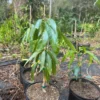
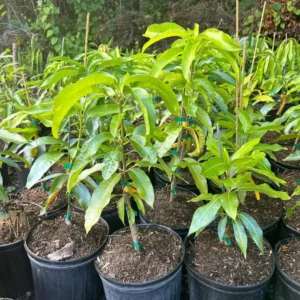
This offering is for a Duncan mango tree live plant that typically stands 2-4 feet tall at the time of shipping. As a grafted tree, it benefits from the rootstock’s vigor and the scion’s desirable fruiting characteristics, allowing for earlier fruit production compared to seed-grown mangoes. The tree will be shipped in a nursery pot, with its root ball carefully protected to ensure a healthy transition to your garden or larger container. Duncan mangoes are known for their low vigor and spreading growth habit, making them quite manageable in terms of size, usually reaching a mature height of 10-15 feet in the ground if not pruned, though they can be kept smaller with regular pruning. The fruit season extends from late June into early August, offering a prolonged period to enjoy fresh fruit. Expect the tree to begin fruiting within approximately 2 years of planting, provided it receives appropriate care and growing conditions.
Frequently Asked Questions
- Q: How big does this Duncan mango tree get? A: This Duncan mango tree live plant typically arrives 2-4 feet tall. At maturity, if grown in the ground and unpruned, it can reach 10-15 feet, but its low-vigor and spreading habit make it very manageable for home gardens and container growing, allowing you to control its size with pruning.
- Q: How much sunlight does the Duncan mango need? A: Duncan mango trees thrive in full sun, requiring at least 6-8 hours of direct sunlight per day for optimal growth and fruit production. In extremely hot climates, some afternoon shade can be beneficial for young trees.
- Q: Is this an indoor or outdoor plant? A: The Duncan mango tree live plant is primarily an outdoor tropical fruit tree, best suited for USDA Zones 9-11. In colder climates, it can be grown in a large pot and brought indoors during the winter months to protect it from frost.
- Q: How often should I water my Duncan mango tree? A: Water thoroughly when the top few inches of soil feel dry. Young trees require more consistent moisture, while established trees are more drought-tolerant. Ensure good drainage to prevent waterlogging.
- Q: What condition will the grafted mango tree arrive in? A: Your grafted mango tree will arrive as a live, healthy plant in a nursery pot, with its roots protected. We take great care in packaging to ensure it reaches you in the best possible condition, ready for planting.
- Q: When is the best time to plant a Duncan mango tree? A: The best time to plant a Duncan mango tree is typically in late spring or early summer, after the last threat of frost has passed and temperatures are consistently warm. This allows the tree to establish its root system before cooler weather.
- Q: Is the Duncan mango a disease resistant mango? A: Yes, the Duncan mango is highly regarded for its excellent disease resistance, particularly against common mango diseases in South Florida, including bacterial spot and rot. This makes Duncan mango care relatively easier compared to other varieties.
- Q: How long until my Duncan mango tree produces fruit? A: As a grafted tree, the Duncan mango typically begins to produce fruit relatively quickly, often within approximately 2 years of planting, given proper care and ideal growing conditions. The fruit season runs from late June into early August.
- Q: What kind of soil does the Duncan mango prefer? A: This tropical fruit tree prefers well-draining soil, ideally a sandy loam. Good drainage is crucial to prevent root rot, so avoid heavy clay soils or amend them extensively with organic matter and sand.
- Q: Can I grow this mango tree in a container? A: Yes, the Duncan mango’s low-vigor growth habit makes it a good candidate for container growing, especially in regions outside its recommended USDA zones. Ensure the container is large, has excellent drainage, and is moved indoors during cold periods.


Reviews
There are no reviews yet.