Overview
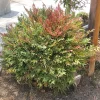
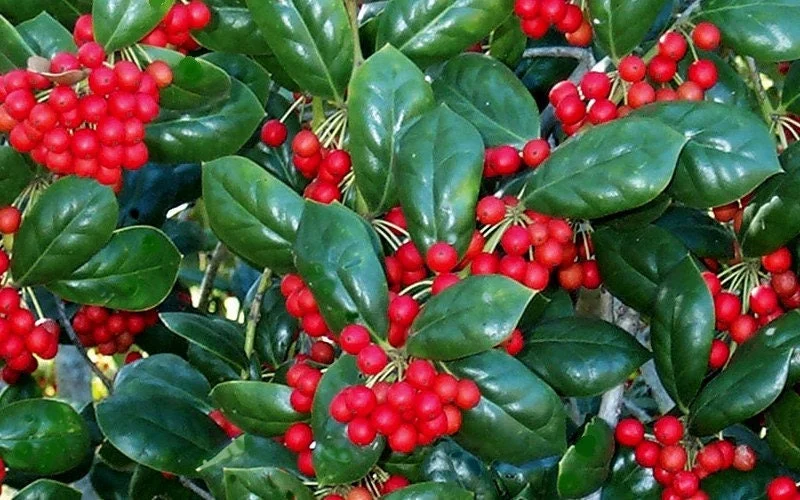
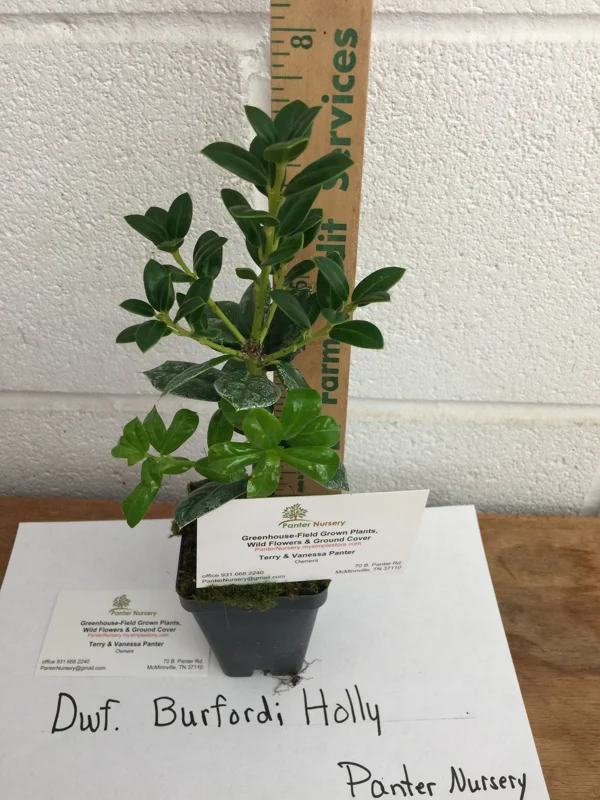
Introduce a touch of enduring greenery and vibrant color to your landscape with the Dwarf Burford Holly live plant. This exceptional evergreen shrub, provided in a 4-inch pot, is renowned for its ease of care and attractive appearance. The Dwarf Burford Holly (Ilex cornuta ‘Burfordii Nana’) is a compact variety of Chinese Holly, celebrated for its very shiny, deep green foliage and distinctive single terminal spine on each leaf. It’s a highly adaptable plant, perfect for various garden applications, from foundational plantings to formal hedges. Its self-pollinating nature ensures a reliable display of festive red berries, adding seasonal interest without the need for a separate male pollinator. This makes the Dwarf Burford Holly live plant a hassle-free addition for gardeners of all experience levels.
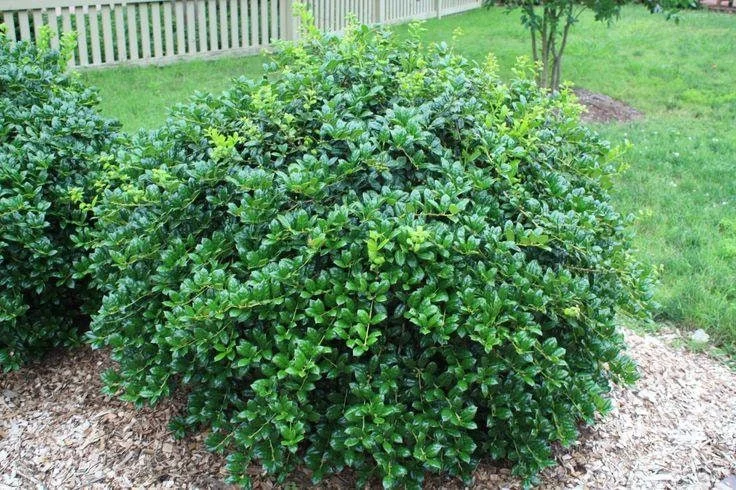
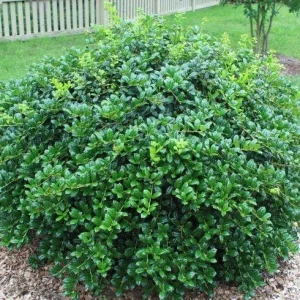
Beyond its aesthetic appeal, the Dwarf Burford Holly is a resilient shrub that thrives in a range of conditions. Its moderate growth rate allows for easy management, whether you prefer to let it grow naturally or shape it with regular pruning. The mature size, typically 4-6 feet tall and wide, makes it suitable for many garden spaces. This evergreen holly shrub is a fantastic choice for those seeking year-round visual interest and a plant that requires minimal intervention once established.
Key Benefits
The Dwarf Burford Holly live plant offers numerous advantages that make it a standout choice for any garden. Its hardiness and versatility contribute significantly to its appeal, providing gardeners with a reliable and beautiful option.
- Year-Round Appeal: As an evergreen, the Dwarf Burford Holly maintains its lush, glossy green foliage throughout all seasons, providing consistent color and structure to your landscape even in winter months.
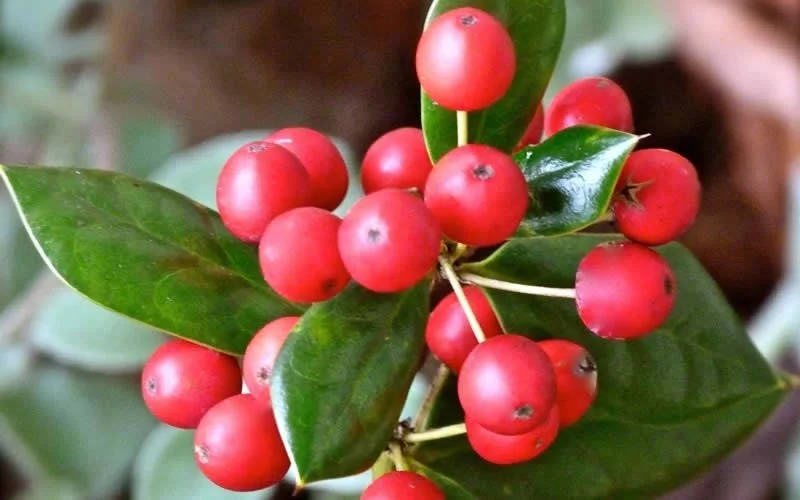
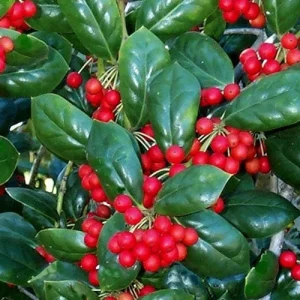
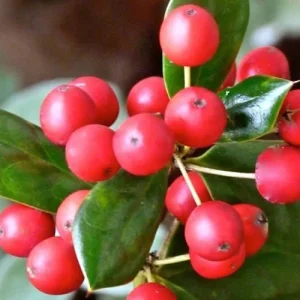
- Abundant Berries: This self-pollinating variety produces a large number of bright red berries annually, offering significant visual interest and a food source for local wildlife, particularly birds, enhancing your garden’s ecosystem. These vibrant berries are a hallmark feature of the Burford Holly berries.
- Low Maintenance: Known for being one of the easiest hollies to care for, it requires minimal attention once established. It tolerates various soil conditions and can be pruned easily to maintain desired shapes, making Dwarf Burford Holly care straightforward.
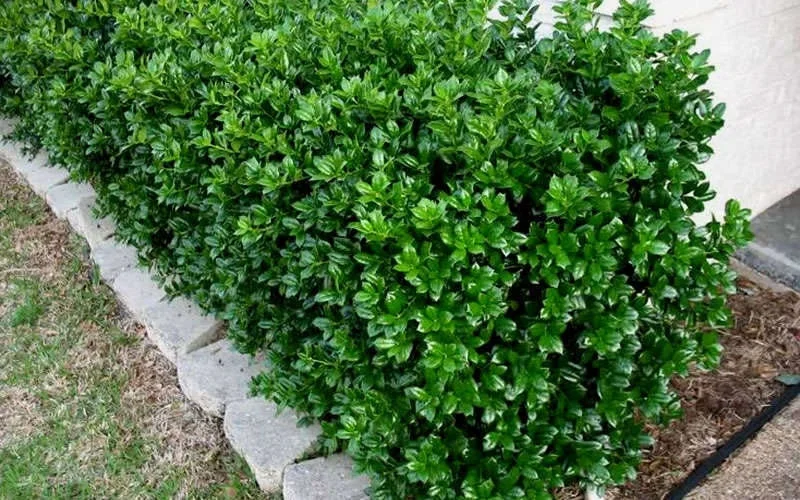
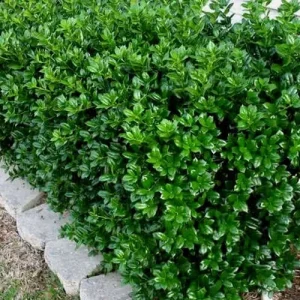
- Versatile Landscaping Use: Its adaptable nature allows it to be used in diverse ways, from creating dense, attractive hedges and borders to serving as a striking specimen plant, or even in mass plantings. It’s an excellent dwarf holly plant for hedge applications.
- Adaptable to Pruning: The plant responds very well to pruning and shearing, allowing gardeners to precisely shape it into formal hedges, topiary forms, or to simply keep it neat and compact.
- Disease and Pest Resistance: Generally robust, the Dwarf Burford Holly exhibits good resistance to common pests and diseases, contributing to its reputation as a resilient and healthy garden plant.
- Self-Pollinating: Unlike many other holly varieties, the ‘Burfordii Nana’ is self-fertile, meaning a single plant will produce berries without needing a separate male plant nearby, simplifying planting considerations.
Plant Care & Growing Tips
Proper Dwarf Burford Holly care is relatively simple, ensuring a healthy and vibrant plant for years to come. This holly is known for its resilience, making it suitable for both novice and experienced gardeners. It thrives in USDA hardiness zones 5 through 9, demonstrating excellent cold tolerance in most temperate climates. When planting, choose a location that receives full to partial sun. While it can tolerate some shade, fruit and flower production, including the abundance of Burford Holly berries, will be reduced in overly shady areas. Aim for at least 4-6 hours of direct sunlight daily for optimal growth and berry set.
The Dwarf Burford Holly is tolerant of various soil types, but it prefers well-drained, slightly acidic to neutral soil. While it can handle moist soils, poorly drained conditions should be avoided to prevent root rot. Incorporating organic matter into heavy clay soils can improve drainage. Water newly planted hollies regularly to establish a strong root system. Once established, they are moderately drought-tolerant but will benefit from consistent moisture during dry periods. Fertilize in early spring with a balanced, slow-release evergreen fertilizer to support healthy growth and berry production. Pruning can be done in late winter or early spring to shape the plant, remove dead or damaged branches, or maintain a desired size and form, especially if you’re cultivating a dwarf holly plant for hedge.
Watch for common issues such as scale insects or spider mites, though they are generally not severe problems for this hardy plant. Good air circulation and proper watering practices can help prevent most issues. If you notice yellowing leaves, it could indicate a nutrient deficiency or poor drainage. Addressing these factors promptly will ensure the continued health of your Dwarf Burford Holly live plant. Remember that consistent care will result in a robust and berry-laden shrub.
Size & Details
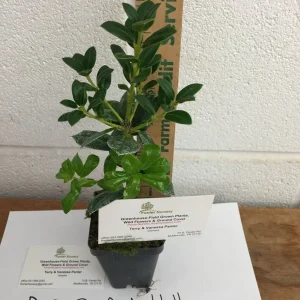
This offering is for one Dwarf Burford Holly live plant in a 4-inch nursery pot. At maturity, if left unpruned, this evergreen shrub typically reaches a height of 4 to 6 feet with an equal spread, forming a dense and rounded habit. Its moderate growth rate allows it to fill in spaces effectively without becoming overgrown too quickly. The plant will arrive healthy and ready for transplanting into your garden or a larger container. It is an ideal size for establishing new hedges, adding to mixed borders, or as a foundation plant. The distinct glossy green leaves with a single terminal spine are present from a young age.
The plant is self-pollinating, guaranteeing a consistent display of bright red Burford Holly berries each year without the need for additional plants. It’s cold hardy in USDA Zones 5-9, making it a reliable choice for a wide range of climates across the United States. Expect it to begin producing berries within its first few years after planting, with increasing abundance as it matures. Its compact nature also makes it a great candidate for a dwarf holly plant for hedge, providing year-round privacy and beauty.
Frequently Asked Questions
- Q: How big does this Dwarf Burford Holly get? A: If left to grow naturally, the Dwarf Burford Holly live plant typically reaches a mature height and width of 4-6 feet. It can be pruned to maintain a smaller size if desired.
- Q: What size pot does it come in? A: This Dwarf Burford Holly is supplied in a 4-inch nursery pot, providing a well-established plant ready for transplanting.
- Q: Is this an indoor or outdoor plant? A: The Dwarf Burford Holly is primarily an outdoor evergreen shrub, hardy in USDA Zones 5-9. It is not generally recommended as an indoor houseplant.
- Q: How much sunlight does it need? A: This holly performs best in full sun to partial sun, ideally receiving at least 4-6 hours of direct sunlight daily. Too much shade can reduce berry production.
- Q: Is this plant easy to care for? A: Yes, Dwarf Burford Holly care is considered very easy. It’s known for its hardiness and adaptability, making it a great choice for beginners and experienced gardeners alike.
- Q: Will it produce berries? A: Yes, the Dwarf Burford Holly is self-pollinating, so a single plant will reliably produce abundant bright red Burford Holly berries each year without needing a companion plant.
- Q: When is the best time to plant? A: Spring or fall are generally the best times to plant the Dwarf Burford Holly live plant, allowing the plant to establish its root system before extreme temperatures.
- Q: What condition will it arrive in? A: Your Dwarf Burford Holly will arrive as a healthy, live plant in its 4-inch nursery pot, carefully packaged to ensure its safe journey.
- Q: Can I use this plant for a hedge? A: Absolutely! Its dense growth habit and ability to be pruned make it an excellent choice for creating a beautiful and low-maintenance dwarf holly plant for hedge or border.
- Q: What kind of soil does it prefer? A: It prefers well-drained soil, tolerating a range from slightly acidic to neutral. Avoid poorly drained, waterlogged conditions.


Reviews
There are no reviews yet.