Overview
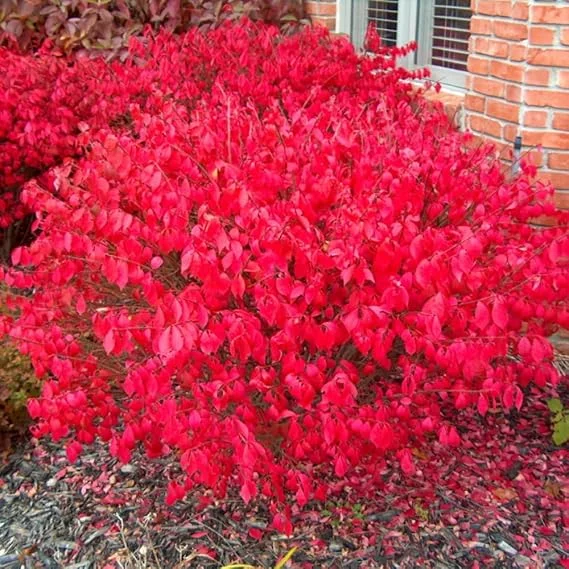
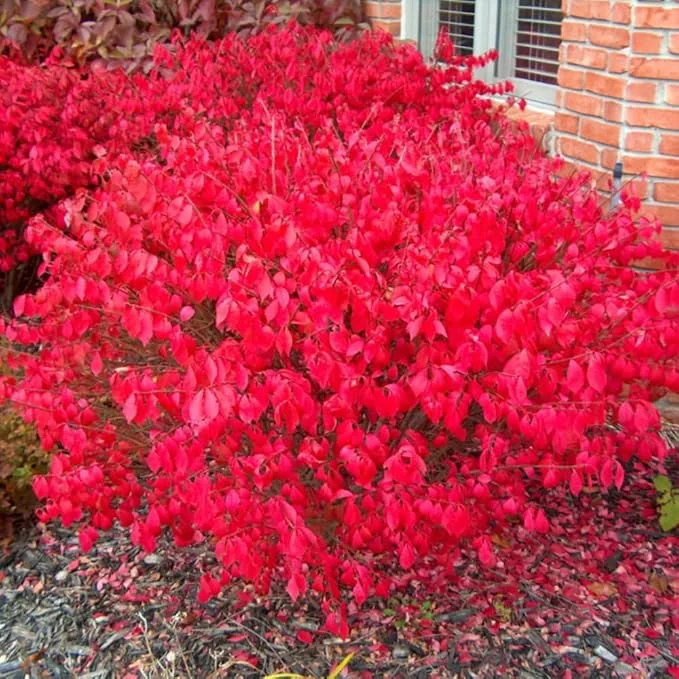
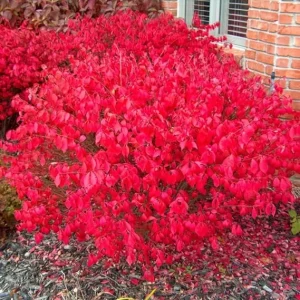
Transform your garden with the vibrant beauty of the dwarf burning bush live plant. This exceptional offering provides two carefully selected rooted cuttings, each measuring 8-12 inches tall, poised to become a stunning addition to your outdoor space. The Dwarf Burning Bush, scientifically known as Euonymus alatus ‘Compactus’, is a highly prized ornamental shrub celebrated for its spectacular scarlet-red fall foliage. Its compact growth habit makes it an ideal choice for various landscape applications, from hedges and borders to foundation plantings. These rooted cuttings are grown to establish quickly, ensuring a rewarding and relatively low-maintenance gardening experience. Prepare to be captivated by the intense color show this plant provides as the seasons change, turning your garden into a breathtaking display of nature’s artistry. The dwarf burning bush live plant is a versatile and durable choice for gardeners seeking both beauty and resilience.
Originating from Asia, the Dwarf Burning Bush has gained immense popularity in North American gardens due to its hardiness and striking visual appeal. Unlike its larger relatives, ‘Compactus’ offers a more manageable size, typically maturing at 4-6 feet tall and wide, making it suitable for smaller gardens or more defined landscape designs. These bare-root starter plants are shipped dormant, without leaves, which is the optimal condition for successful transplanting and establishment. Once planted, they will awaken with the warmth of spring, gradually developing their lush green summer foliage before erupting into their iconic fiery red in autumn. This hardy ornamental shrub is an investment in long-term garden beauty.
Key Benefits
The dwarf burning bush live plant offers a multitude of advantages for any gardener looking to enhance their outdoor environment. Its unique characteristics contribute significantly to landscape aesthetics and ease of care. Here are some of the key benefits:
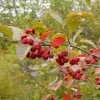
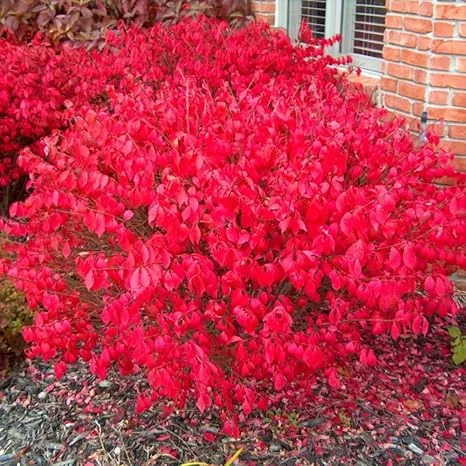
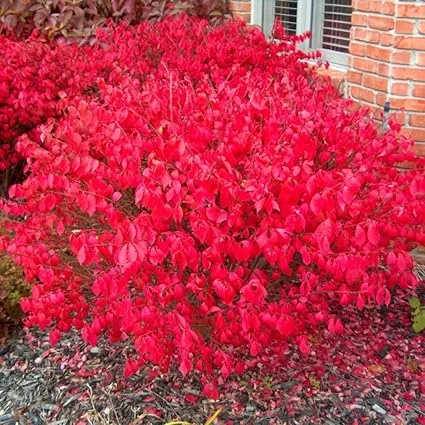
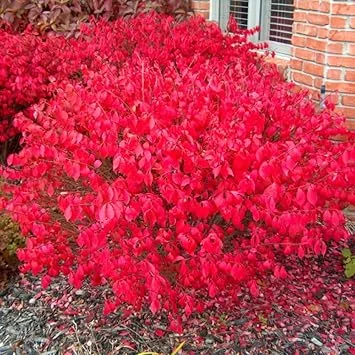
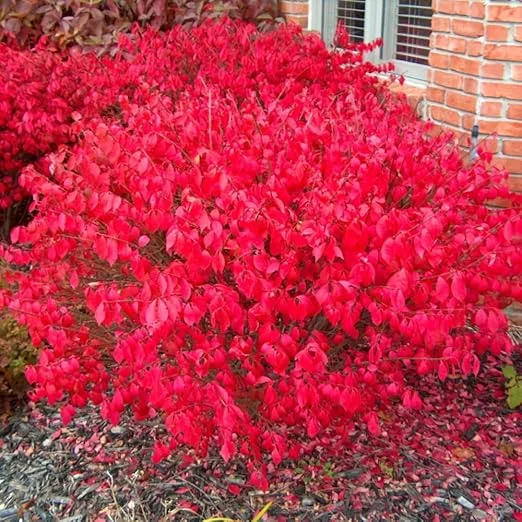
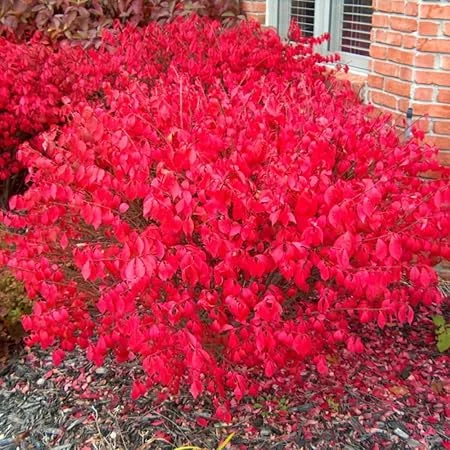
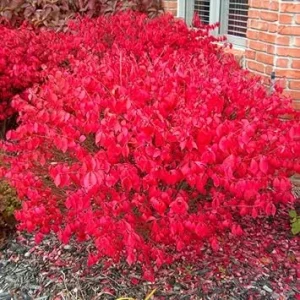
- Spectacular Fall Color: The primary allure of this plant is its incredibly vibrant red fall foliage shrub. As autumn arrives, the leaves transform into an intense, fiery scarlet, providing an unparalleled splash of color that stands out in any garden. This dramatic display lasts for several weeks, creating a focal point in your landscape.
- Compact Growth Habit: Unlike the species plant, the ‘Compactus’ variety maintains a more controlled and dense growth pattern, reaching a mature size of approximately 4-6 feet tall and wide. This makes it perfect for smaller gardens, urban landscapes, or for use in defined borders and hedges without requiring constant pruning.
- Exceptional Hardiness: This hardy ornamental shrub thrives across a wide range of climates, specifically USDA Zones 4-8. It is highly tolerant of various soil conditions and can withstand both cold winters and warm summers, making it a reliable choice for many regions.
- Low Maintenance: Once established, the dwarf burning bush care requirements are minimal. It is relatively pest and disease resistant and does not demand constant attention, allowing you more time to enjoy its beauty rather than tending to it.
- Versatile Landscape Use: Its dense foliage and striking color make it an excellent choice for a variety of landscaping purposes. Use it as a specimen plant, in mass plantings, as a vibrant hedge, or to add structure and seasonal interest to shrub borders and foundation plantings.
- Easy Establishment: Shipped as rooted cuttings, these plants are designed for easy transplanting and quick establishment in your garden. The dormant state ensures less transplant shock, allowing them to acclimate and grow robustly once planted.
- Distinctive Twig Structure: Even in winter, after the leaves have fallen, the Dwarf Burning Bush offers visual interest with its unique corky wings on its branches, adding texture to the dormant landscape.
Plant Care & Growing Tips
Successful cultivation of your dwarf burning bush live plant begins with proper planting and consistent care. These rooted cuttings are resilient, but following these guidelines will ensure they thrive and develop into magnificent shrubs. The Dwarf Burning Bush prefers a location that receives full sun to partial shade. For the most intense red fall foliage shrub color, aim for at least 6 hours of direct sunlight per day. While it can tolerate some shade, too much shade may result in less vibrant autumn hues. Good air circulation is also beneficial to prevent fungal issues.
When it comes to watering, newly planted cuttings require consistent moisture to establish their root systems. Water deeply and regularly, especially during dry spells, ensuring the soil remains evenly moist but not waterlogged. Once established, the Dwarf Burning Bush is quite drought-tolerant, but occasional deep watering during prolonged dry periods will promote healthier growth. For optimal growth, plant in well-draining soil that is rich in organic matter. This shrub is adaptable to a wide range of soil types, including clay, loam, and sand, as long as drainage is adequate. Avoid heavy, waterlogged soils, which can lead to root rot. A soil pH between 6.0 and 7.0 is generally ideal.
The dwarf burning bush care routine is relatively simple. Fertilize in early spring with a balanced, slow-release granular fertilizer formulated for trees and shrubs. Follow the product instructions carefully to avoid over-fertilization. Pruning is best done in late winter or early spring before new growth emerges. You can prune to maintain its compact shape, remove any dead or damaged branches, or to encourage denser growth. This hardy ornamental shrub is cold hardy in USDA Zones 4-8, meaning it can withstand winter temperatures down to -30°F (-34°C). No special winter protection is typically needed within these zones. Keep an eye out for common pests like spider mites or scale insects, though they are generally not a severe problem for this robust plant.
Size & Details
This offering includes two individual dwarf burning bush live plant rooted cuttings. Each cutting measures approximately 8-12 inches in height, providing a robust starter plant ready for transplanting. They are shipped as bare-root starter plants, meaning they arrive dormant, without leaves, and with their roots carefully packaged. This method ensures minimal stress during transit and promotes quicker establishment once planted in your garden. The mature size of a dwarf burning bush care ‘Compactus’ variety typically ranges from 4 to 6 feet tall and wide, making it a perfect fit for a variety of landscape designs where a compact and manageable shrub is desired. The growth rate is moderate, allowing you to enjoy its development over time. Expect the spectacular red fall foliage shrub display to begin in its first or second autumn after planting, becoming more vibrant with age.
These cuttings are ideal for gardeners who appreciate the satisfaction of nurturing a plant from its early stages. They are easy to handle and transplant, making them suitable for both experienced and novice gardeners. The compact nature of the euonymus alatus compactus means it won’t outgrow its space quickly, reducing the need for constant pruning and maintenance. With proper care, these young plants will develop into dense, well-branched shrubs that offer year-round interest, culminating in their iconic fiery autumn color. This hardy ornamental shrub is an excellent choice for adding consistent beauty to your outdoor living spaces.
Frequently Asked Questions
- Q: How big does this dwarf burning bush live plant get? A: The ‘Compactus’ variety of the dwarf burning bush live plant typically reaches a mature height and spread of 4 to 6 feet. Its compact nature makes it an excellent choice for smaller gardens or for use in hedges and borders where a controlled size is desired.
- Q: How much sunlight does the dwarf burning bush need? A: For the most intense and vibrant red fall foliage shrub color, the dwarf burning bush prefers full sun, meaning at least 6 hours of direct sunlight per day. It can tolerate partial shade, but the autumn color may be less dramatic.
- Q: Is this plant easy to care for? A: Yes, the dwarf burning bush care requirements are considered low. Once established, it is quite hardy, drought-tolerant, and relatively pest-resistant, making it a good choice for gardeners of all skill levels.
- Q: What condition will the plants arrive in? A: You will receive two 8-12 inch tall rooted cuttings. They are shipped as dormant, bare-root starter plants, meaning they will have no leaves upon arrival. This is the ideal state for successful transplanting.
- Q: When is the best time to plant a dwarf burning bush? A: The best time to plant these rooted cuttings is in spring or fall when temperatures are moderate. This allows the plant to establish its root system before the stress of extreme summer heat or winter cold.
- Q: What USDA zones is this hardy ornamental shrub suitable for? A: The Dwarf Burning Bush is cold hardy and thrives in USDA Zones 4 through 8. It can withstand a wide range of winter temperatures within these zones.
- Q: Can I use the dwarf burning bush for a hedge? A: Absolutely! Its dense growth habit and compact size make the euonymus alatus compactus an excellent choice for creating attractive and vibrant hedges or borders. Plant them about 3-4 feet apart for a continuous hedge.
- Q: Will the fall color be red immediately after planting? A: While the potential for stunning red fall foliage shrub is present, it may take one or two seasons for the newly planted cuttings to establish fully and produce their most vibrant autumn display. The color will intensify with age and proper sun exposure.
- Q: What kind of soil does this hardy ornamental shrub prefer? A: The Dwarf Burning Bush is adaptable but prefers well-draining soil that is rich in organic matter. It tolerates a range of soil types, from sandy to clay, as long as good drainage is provided.
- Q: Is the dwarf burning bush considered invasive? A: While the species Euonymus alatus can be invasive in some regions, the ‘Compactus’ cultivar is generally considered less prone to spreading aggressively due to its reduced seed production. However, it’s always good to check with local agricultural extensions for specific regional concerns.


Reviews
There are no reviews yet.