Overview
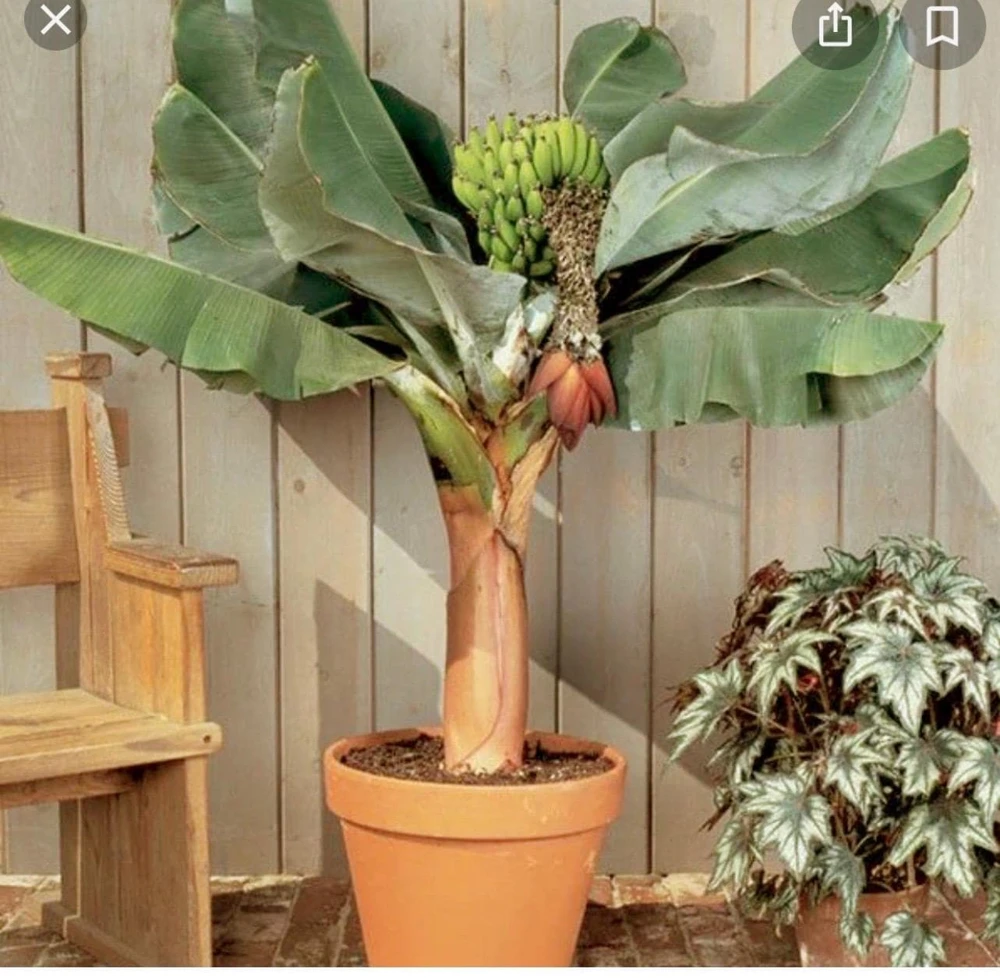
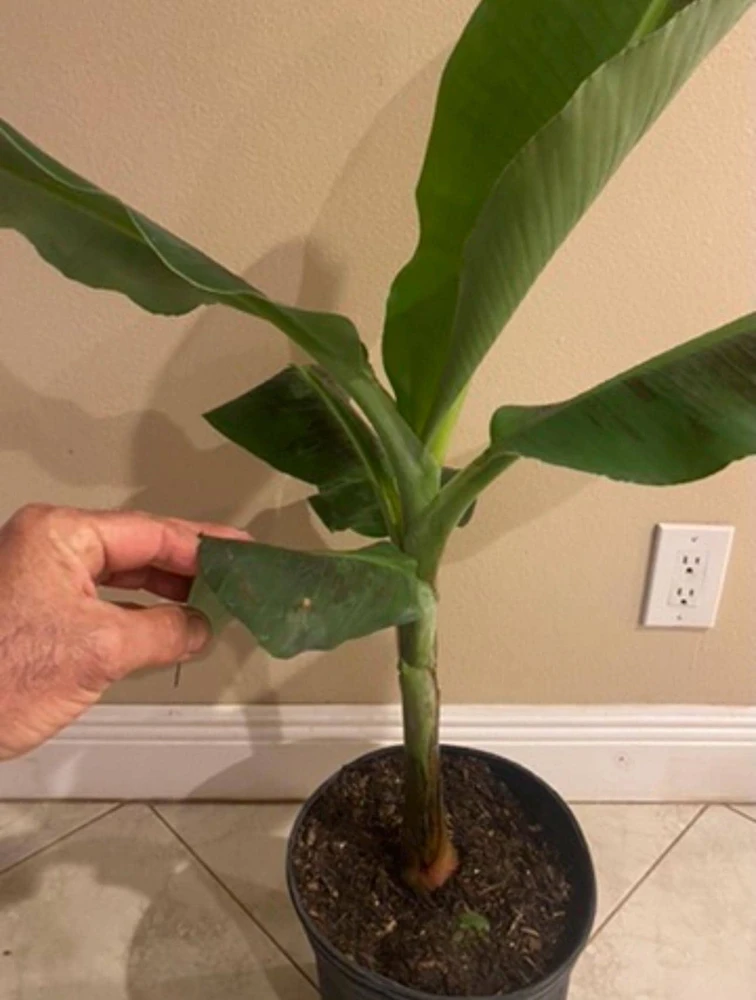
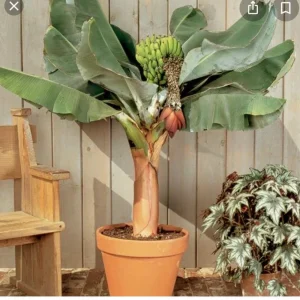
Introduce a tropical paradise to your home or garden with the magnificent dwarf cavendish banana plant. This popular cultivar, scientifically known as Musa acuminata ‘Dwarf Cavendish’, is renowned for its manageable size and prolific fruit production. Unlike its larger relatives, the dwarf cavendish banana plant typically reaches a height of 5-10 feet, making it an excellent choice for container growing on patios or as a vibrant indoor banana plant. Originating from Southeast Asia, this banana variety has become a global favorite due to its sweet, creamy fruit and relatively easy care. You will receive a well-established 3-gallon plant, ready to thrive in its new environment. Its lush, broad leaves add an instant exotic appeal, and with proper care, you’ll be enjoying your own homegrown bananas in approximately 9-14 months after flowering. This is truly a rewarding plant for both novice and experienced gardeners seeking a unique and productive addition.
The dwarf cavendish banana plant is celebrated not just for its fruit, but also for its ornamental value. Its rapid growth and striking foliage create a dramatic focal point. Even before fruiting, the plant’s large, paddle-shaped leaves, sometimes adorned with purple blotches when young, provide a lush, jungle-like aesthetic. This resilience and adaptability make it a top choice for those looking to cultivate a productive and beautiful tropical specimen.
Key Benefits
Cultivating a dwarf cavendish banana plant offers numerous advantages, from fresh fruit to aesthetic enhancement. This plant is a fantastic choice for anyone looking to add a unique and rewarding specimen to their collection.
- Fresh, Homegrown Bananas: Enjoy the unparalleled taste of your own sweet, creamy bananas, free from pesticides and ripened to perfection right on the plant. This fruiting banana plant provides a continuous harvest once established.
- Compact & Versatile Growth: With a mature height of 5-10 feet, the dwarf cavendish banana plant is perfectly suited for container gardening on patios, balconies, or as a striking indoor banana plant in a sunny room.
- Exotic & Lush Foliage: Its large, vibrant green leaves create a stunning tropical aesthetic, transforming any space into a lush, inviting oasis. Young leaves often feature attractive purple blotches.
- Air Purification: Like many large-leaved plants, the banana plant helps to improve indoor air quality by absorbing toxins and releasing oxygen, contributing to a healthier living environment.
- Educational & Rewarding: Growing your own fruit from a tropical plant is an incredibly rewarding experience, offering a hands-on lesson in botany and sustainable living, perfect for families.
- Relatively Fast Production: While it takes time, this variety can produce fruit within 9-14 months after flowering under optimal conditions, offering quicker gratification than many other fruit trees.
- Rhizomatous Root System: The plant’s rhizomatous root system allows it to send up new stalks, ensuring a continuous cycle of growth and fruit production for years to come with proper cavendish banana care.
Plant Care & Growing Tips
Proper cavendish banana care is essential for a thriving plant and abundant fruit production. The dwarf cavendish banana plant requires consistent attention to light, water, and nutrients to flourish. It thrives in full sun, meaning at least 6-8 hours of direct sunlight per day. If growing indoors, place it in your brightest south-facing window or supplement with a grow light to ensure it receives adequate intensity. In warmer climates (USDA Zones 8-11), it can be grown outdoors year-round, while in cooler zones, it’s best grown in containers and brought indoors before the first frost.
Watering is crucial for this tropical plant. It requires consistently moist but well-draining soil. Never let the soil dry out completely, but also avoid waterlogging, which can lead to root rot. Check the top inch of soil; if it feels dry, it’s time to water thoroughly until it drains from the bottom of the pot. During warmer months and active growth, watering may be needed daily, while in winter, frequency can be reduced. Use a rich, well-draining potting mix for container growing, ideally one formulated for tropical plants or fruit trees. Regular feeding is also vital; use a balanced, slow-release fertilizer or a liquid feed every 2-4 weeks during the growing season (spring through fall).
Maintain consistent temperatures between 65-80°F (18-27°C) and high humidity, especially for an indoor banana plant. You can increase humidity by misting daily, placing the pot on a pebble tray with water, or using a humidifier. Protect the plant from strong winds, which can shred its large leaves. Common problems include spider mites in dry conditions and nutrient deficiencies if not fertilized regularly. Monitor for pests and address them promptly with organic insecticidal soap if necessary. With diligent cavendish banana care, your plant will reward you with lush growth and delicious fruit.
Size & Details
This offering includes one well-established dwarf cavendish banana plant, delivered in a 3-gallon nursery pot. At maturity, this compact variety typically reaches a height of 5-10 feet (approximately 1.5 to 3 meters), making it highly suitable for container cultivation on patios or as a significant indoor specimen. The plant’s spread can be considerable due to its large leaves, often reaching 3-5 feet (0.9 to 1.5 meters) in width. It exhibits a moderate to fast growth rate under optimal conditions, with flowering typically occurring within 1-2 years from planting, followed by fruit ripening in about 9-14 months. The plant will arrive healthy and actively growing, ready to be transplanted into a larger pot or your garden if local climate permits. Expect robust foliage and a strong rhizomatous root system, which will produce new suckers over time, ensuring continued production from this fruiting banana plant.
Frequently Asked Questions
- Q: How big does this Dwarf Cavendish banana plant get? A: The dwarf cavendish banana plant typically reaches a mature height of 5-10 feet when grown in ideal conditions, making it a manageable size for both indoor and patio environments. Its compact nature is one of its key appeals.
- Q: What size pot does it come in? A: You will receive a well-established plant in a 3-gallon nursery pot, ready for immediate placement or transplanting into a larger container.
- Q: Is this an indoor or outdoor plant? A: The dwarf cavendish banana plant is versatile and can be grown both indoors as a houseplant or outdoors in warmer climates (USDA Zones 8-11). In cooler regions, it should be brought inside during winter.
- Q: How much sunlight does it need? A: This plant thrives in full sun, requiring at least 6-8 hours of direct sunlight per day. If grown indoors, a bright south-facing window is ideal, or supplemental grow lights can be used.
- Q: Is this plant easy to care for? A: While not entirely hands-off, the dwarf cavendish banana plant is considered relatively easy to care for, especially for those with some plant experience. Consistent watering, feeding, and adequate sunlight are key to successful cavendish banana care.
- Q: What condition will it arrive in? A: Your fruiting banana plant will arrive healthy and well-rooted in its 3-gallon nursery pot, carefully packaged to ensure its safe journey.
- Q: How long until it produces fruit? A: Under optimal growing conditions, the Dwarf Cavendish banana plant can start flowering within 1-2 years. Once it flowers, the fruit will typically ripen in about 9-14 months.
- Q: What’s the minimum temperature this plant can tolerate? A: This tropical plant prefers temperatures above 60°F (15°C). It can tolerate brief dips to around 40-45°F (4-7°C) but will suffer damage from frost, so it must be protected in colder climates.
- Q: Does this plant require special soil? A: It prefers rich, consistently moist, and well-draining soil. A high-quality potting mix with good organic content is recommended for container-grown plants.
- Q: How often should I fertilize my dwarf banana tree? A: During the active growing season (spring through fall), fertilize every 2-4 weeks with a balanced, slow-release or liquid fertilizer to support its vigorous growth and fruit production.


Reviews
There are no reviews yet.