Overview
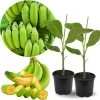
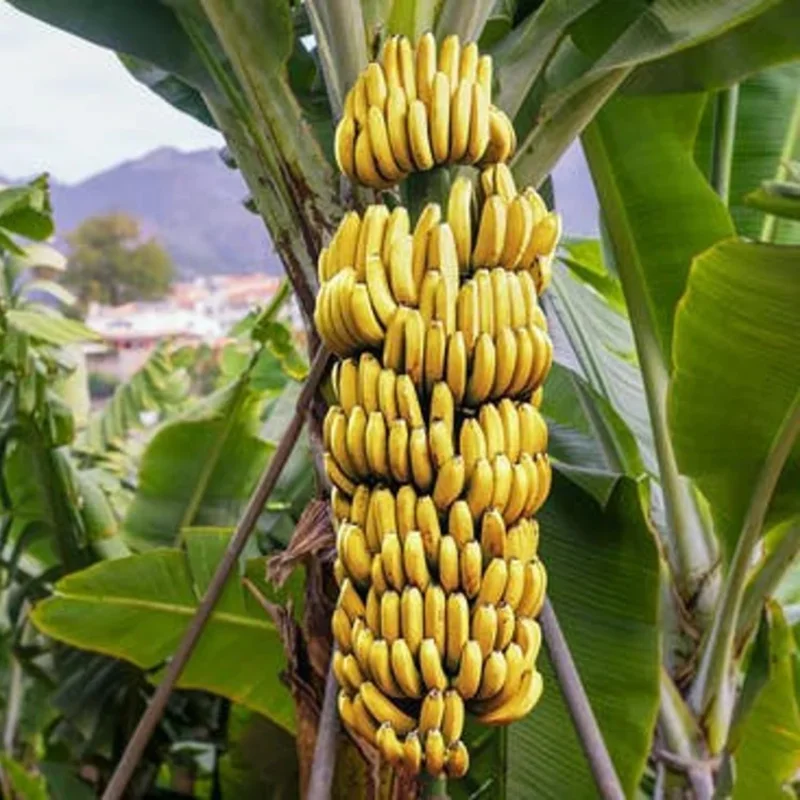
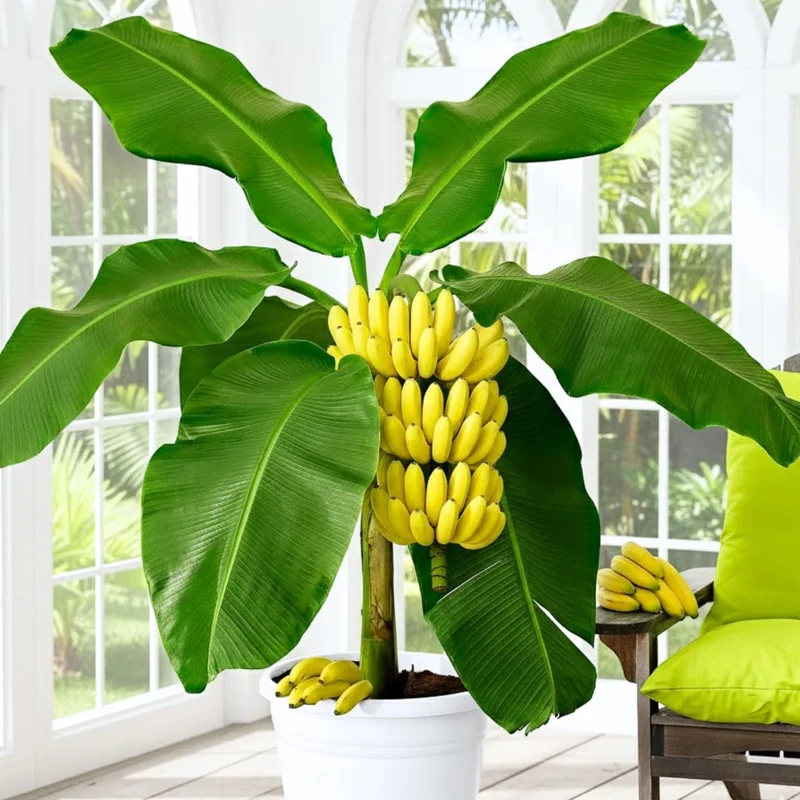
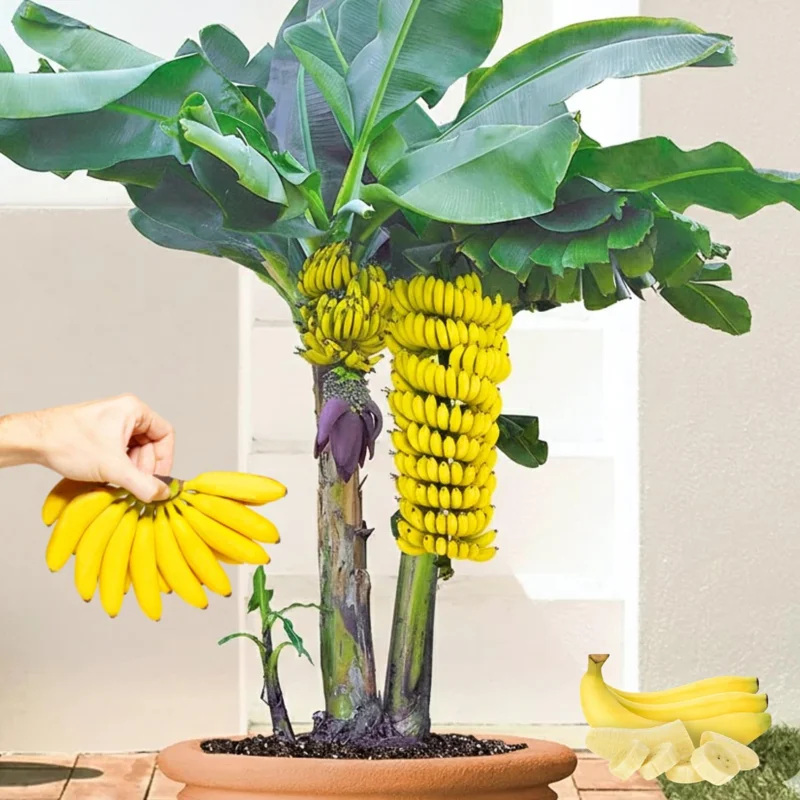
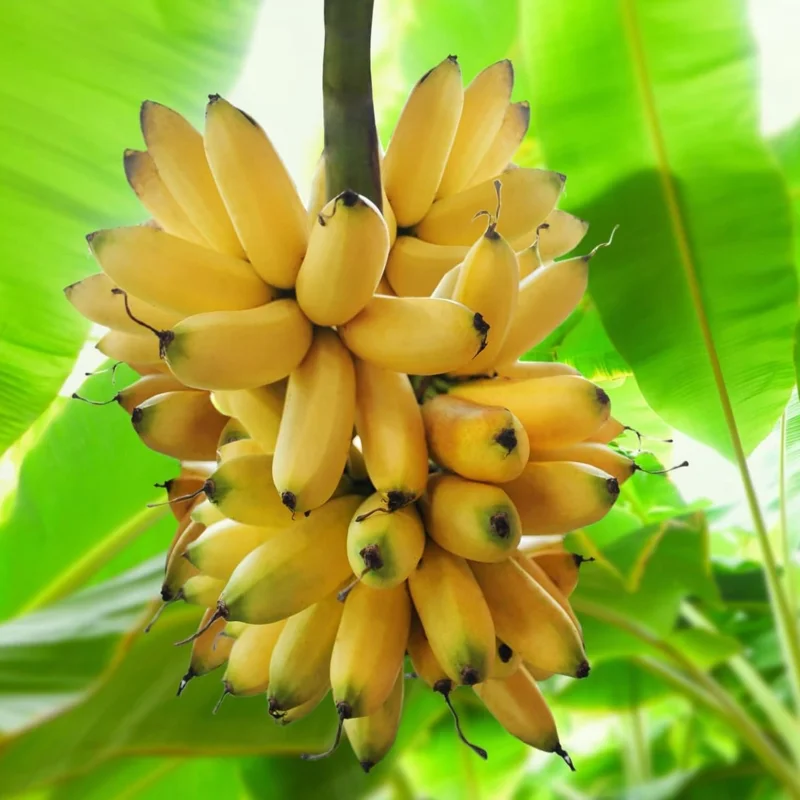
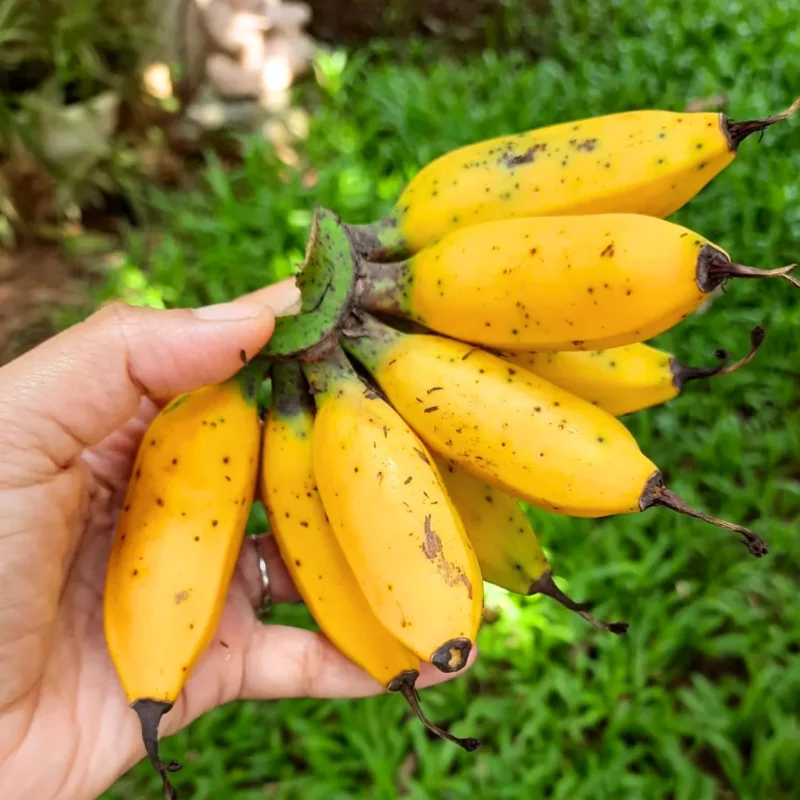
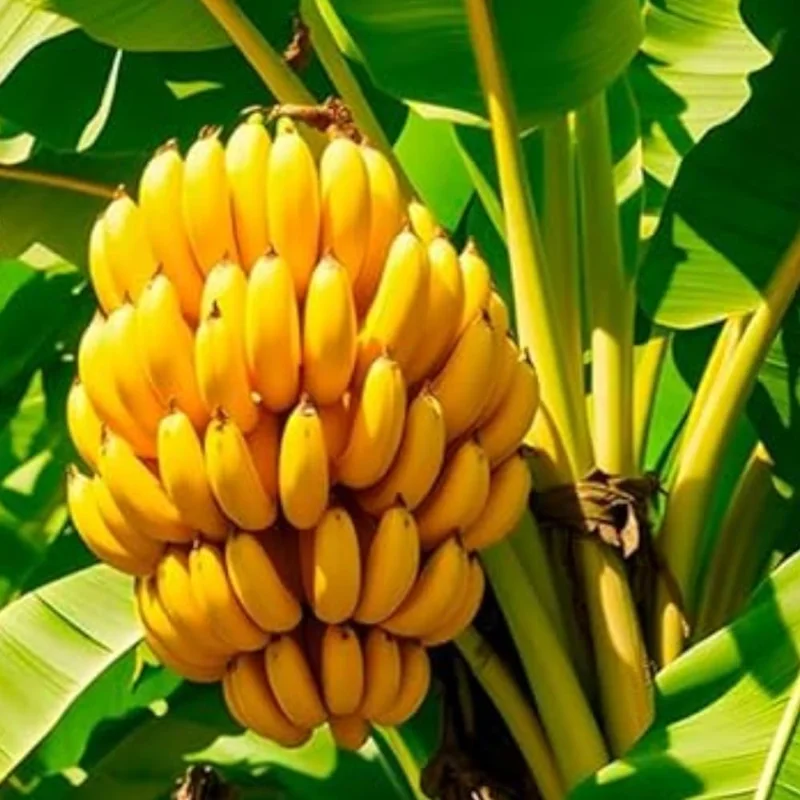
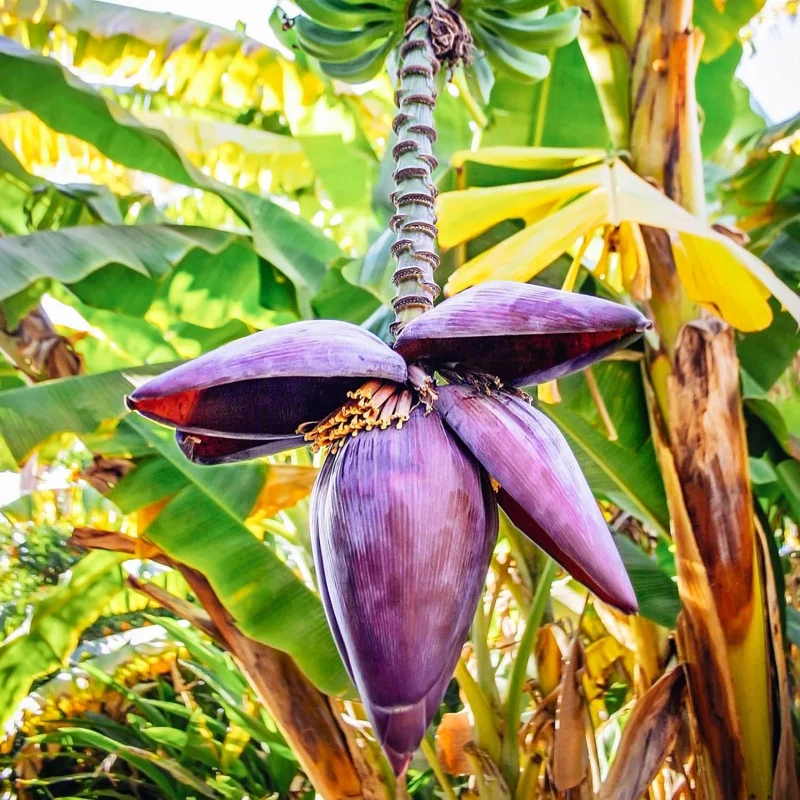
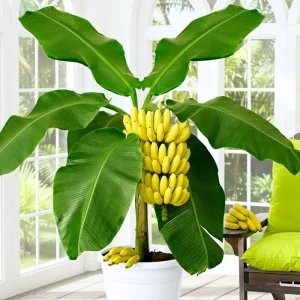
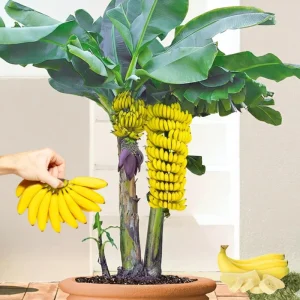
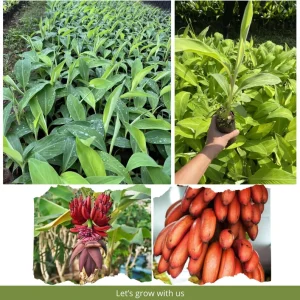
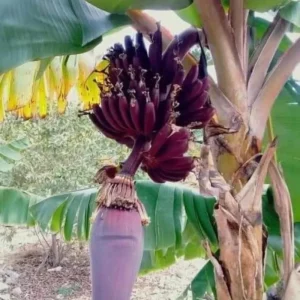
Bring the tropics to your home or garden with the incredible dwarf cavendish banana tree live plant. This popular and beloved variety allows you to grow your own sweet, full-sized bananas, even if space is limited. Known for its compact growth habit, the Dwarf Cavendish banana tree typically reaches a manageable height of 4-6 feet, making it an excellent choice for container gardening on patios, balconies, or as an impressive indoor specimen. Originating from Southeast Asia, this tropical fruit tree is celebrated worldwide for its delicious, creamy fruit and relatively easy care. Our well-rooted live plant arrives ready to thrive, offering you the joy of cultivating your own fresh, organic bananas.
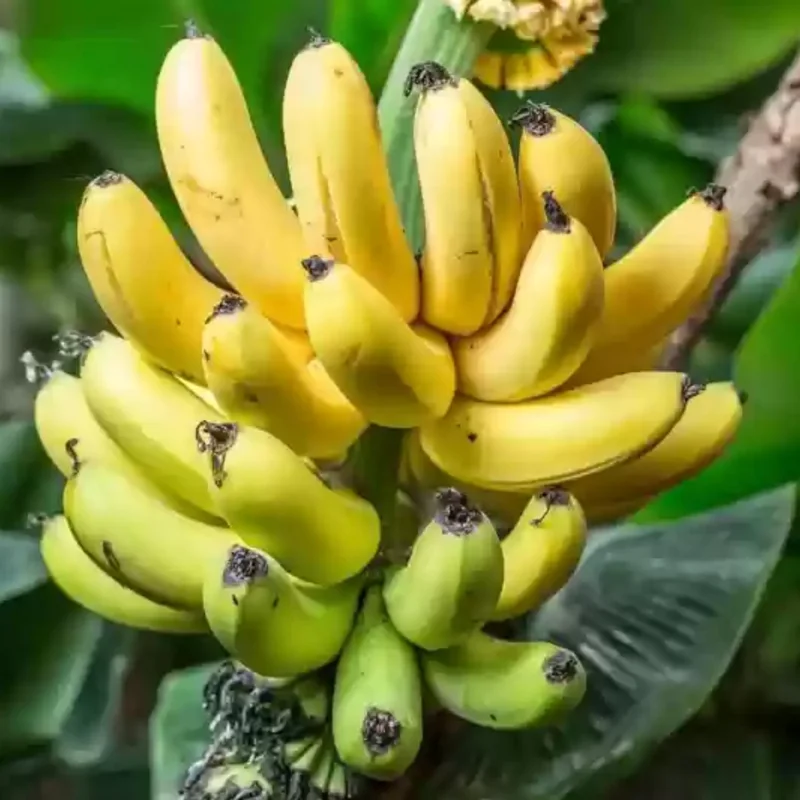
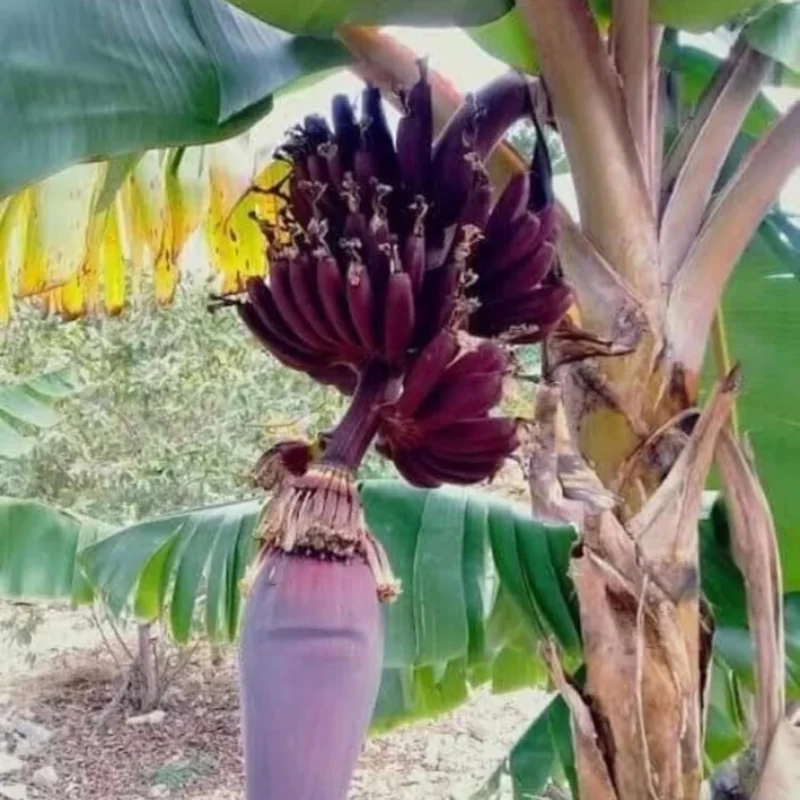
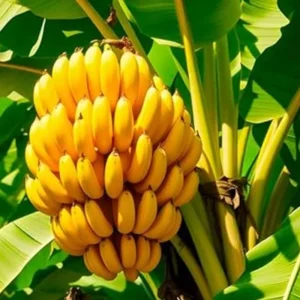
The Dwarf Cavendish is a true banana plant, producing the familiar yellow fruit that is a staple in many diets. Unlike larger varieties, its smaller stature doesn’t compromise on fruit quality or quantity. Whether you’re an experienced gardener or just starting your green thumb journey, this cold hardy banana plant offers a rewarding experience, transforming your space into a lush, edible oasis. Prepare to be amazed as you watch this vibrant plant mature and produce its first bountiful harvest.
Key Benefits
Beyond its delicious fruit, the dwarf cavendish banana tree live plant offers a multitude of benefits for both the gardener and the environment. Its presence adds a unique tropical aesthetic to any setting while providing a sustainable source of fresh produce.
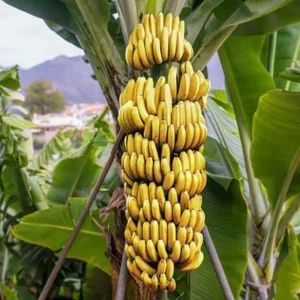
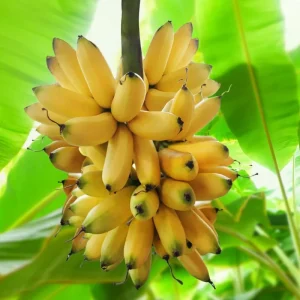
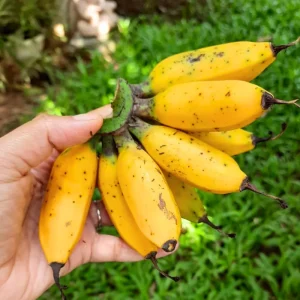
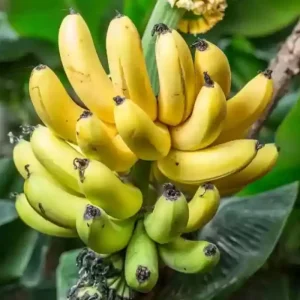
- Produces Sweet, Full-Sized Edible Bananas: Enjoy the satisfaction of harvesting your own delicious, creamy bananas right from your home. The fruit is known for its excellent flavor and texture, making it perfect for snacking, smoothies, or desserts.
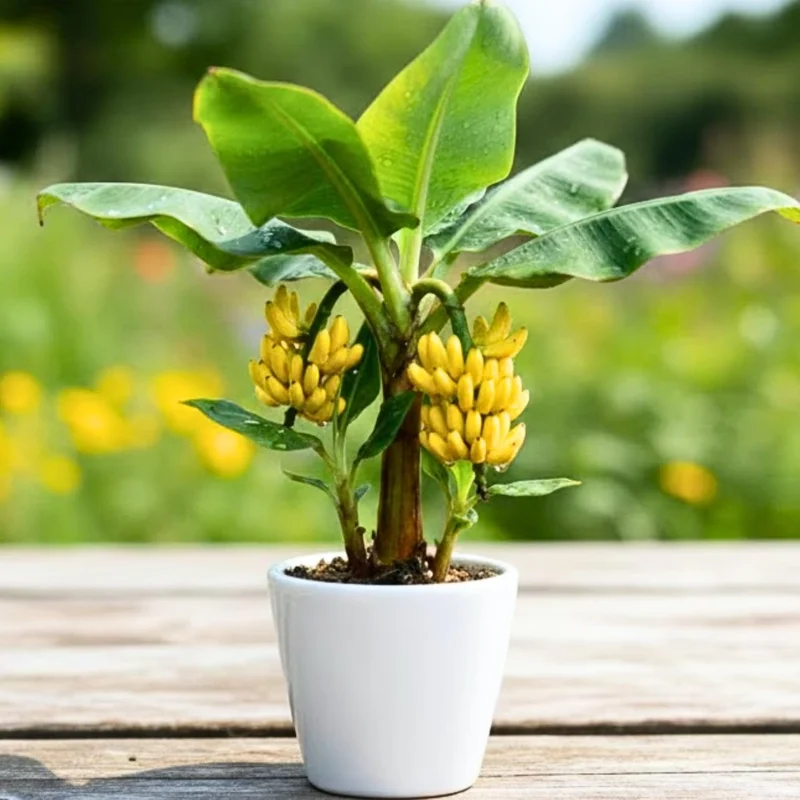
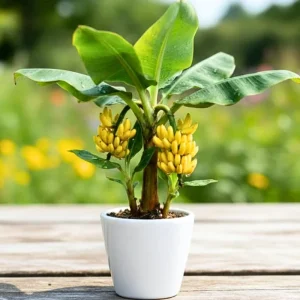
- Compact Growth Habit: Growing to a manageable 4-6 feet tall, this banana tree is ideal for smaller spaces, container gardening, or as an indoor plant. Its dwarf size makes it versatile for various growing environments.
- Cold Hardy & Adaptable: While a tropical plant, the Dwarf Cavendish exhibits a good degree of cold hardiness. It thrives in USDA zones 9-11 outdoors and can be successfully grown indoors in colder climates, allowing you to enjoy an edible banana plant year-round.
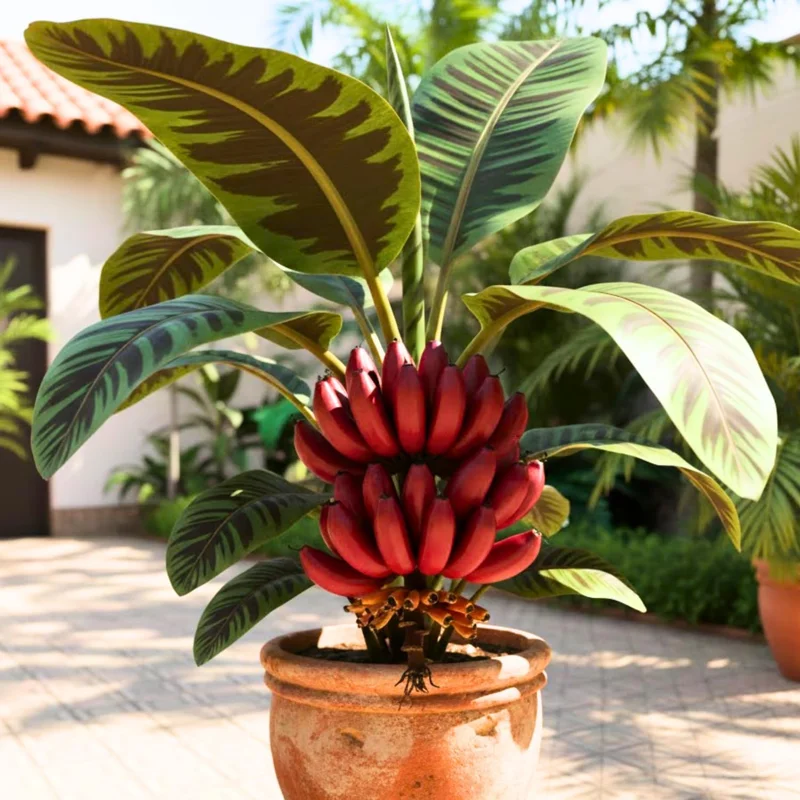
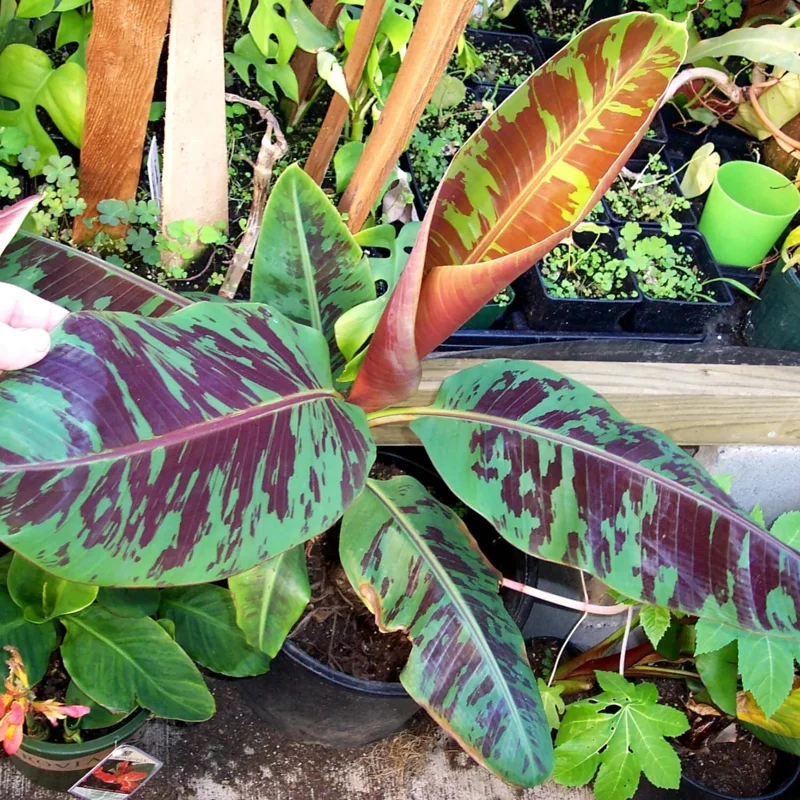
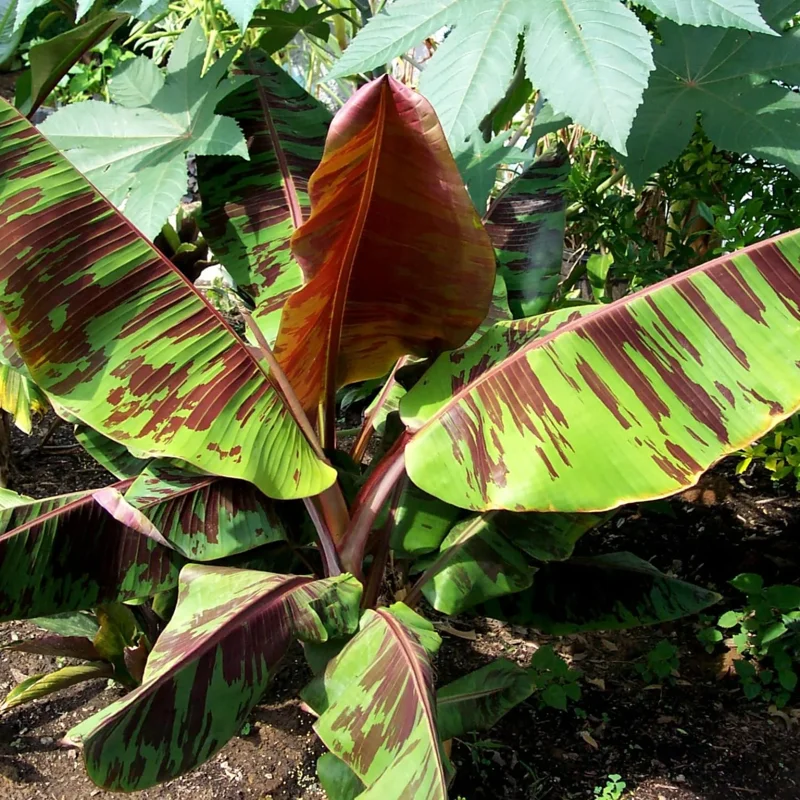
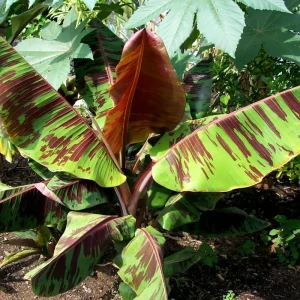
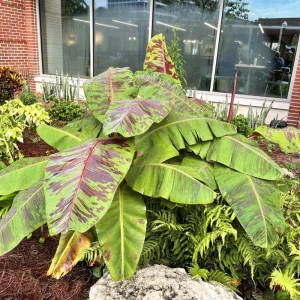
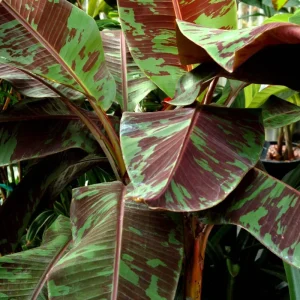
- Lush, Tropical Foliage: The large, paddle-shaped leaves create a vibrant, exotic display, enhancing the aesthetic appeal of your garden or interior space. It brings a touch of the tropics wherever it grows.
- Easy to Grow for Beginners: This variety is relatively low-maintenance and forgiving, making it a great choice for both novice and experienced gardeners. With basic care, you can expect a healthy, fruiting plant.
- Sustainable Food Source: Growing your own bananas reduces reliance on store-bought produce and provides a fresh, organic option right at your fingertips. It’s a step towards a more self-sufficient lifestyle.
- Air Purifying Qualities: Like many large-leaved plants, the dwarf banana tree indoors can contribute to improved air quality by absorbing carbon dioxide and releasing oxygen, creating a healthier living environment.
Plant Care & Growing Tips
Caring for your dwarf cavendish banana tree live plant is a rewarding experience that requires attention to a few key environmental factors. To ensure vigorous growth and abundant fruit production, understanding its needs for light, water, soil, and temperature is crucial. This tropical beauty thrives when its core requirements are met, whether it’s an edible banana plant growing outdoors or a cherished dwarf banana tree indoors.
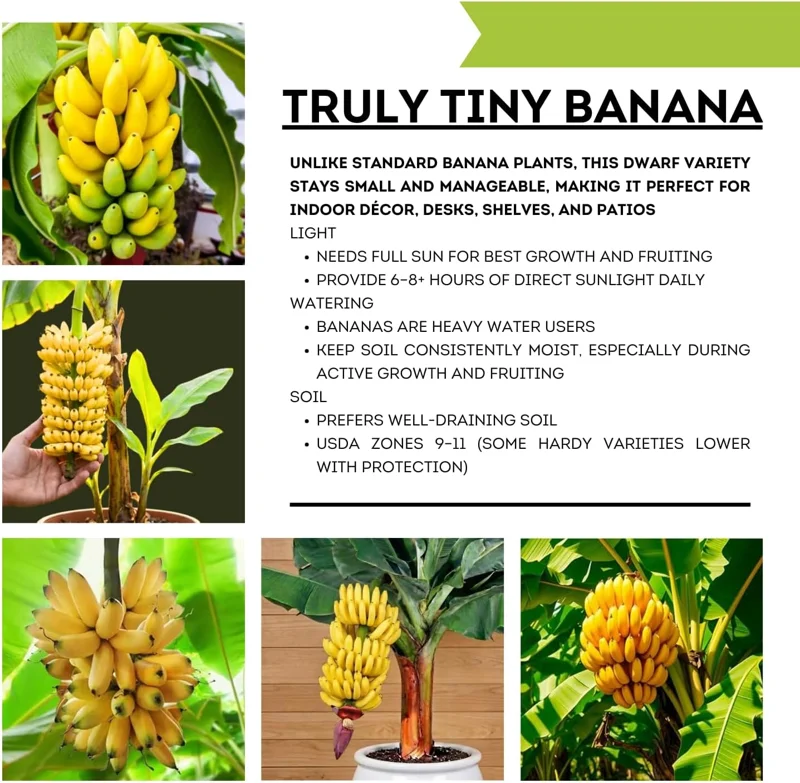
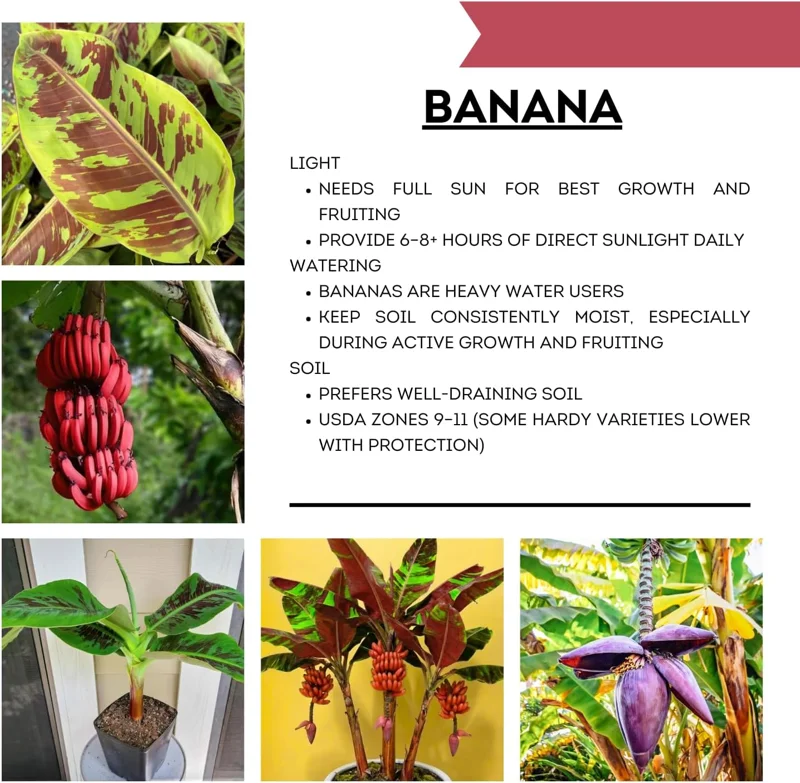
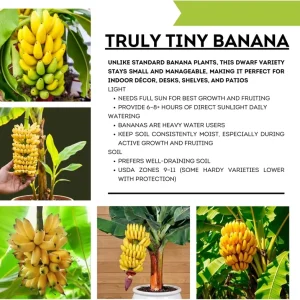
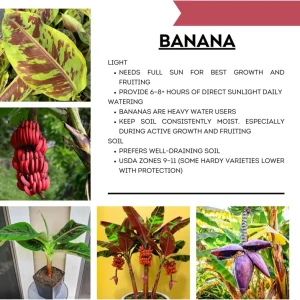
Sunlight Requirements: Banana plants are sun-lovers. Provide at least 6-8 hours of direct sunlight per day for optimal growth and fruiting. If growing indoors, place your plant in the brightest south-facing window possible, or supplement with a grow light. Insufficient light can lead to leggy growth and reduced fruit production. Rotate your potted plant regularly to ensure even sun exposure on all sides.
Watering and Humidity: Bananas are thirsty plants, especially during warm weather. Keep the soil consistently moist but never waterlogged. Water deeply when the top inch of soil feels dry to the touch. During cooler months or when grown indoors, reduce watering frequency. Good drainage is essential to prevent root rot. High humidity is also beneficial; misting the leaves regularly or placing the pot on a pebble tray filled with water can help, particularly for an indoor tropical fruit tree.
Soil and Fertilization: A rich, well-draining potting mix is ideal. Look for mixes high in organic matter. A slightly acidic to neutral pH (6.0-7.0) is preferred. Fertilize regularly during the growing season (spring through fall) with a balanced, slow-release fertilizer or a liquid feed rich in potassium. Reduce or cease fertilization during winter dormancy. Repotting every 1-2 years into a slightly larger container will also benefit the plant’s growth.
Temperature and Hardiness: The Dwarf Cavendish thrives in warm temperatures, ideally between 75-85°F (24-29°C). It is considered a cold hardy banana plant for true tropical climates (USDA zones 9-11) but must be protected from frost. If temperatures drop below 50°F (10°C), bring container-grown plants indoors. Indoors, avoid placing it near cold drafts or heating vents. Protecting your plant from strong winds is also advisable, as they can shred the large leaves.
Size & Details
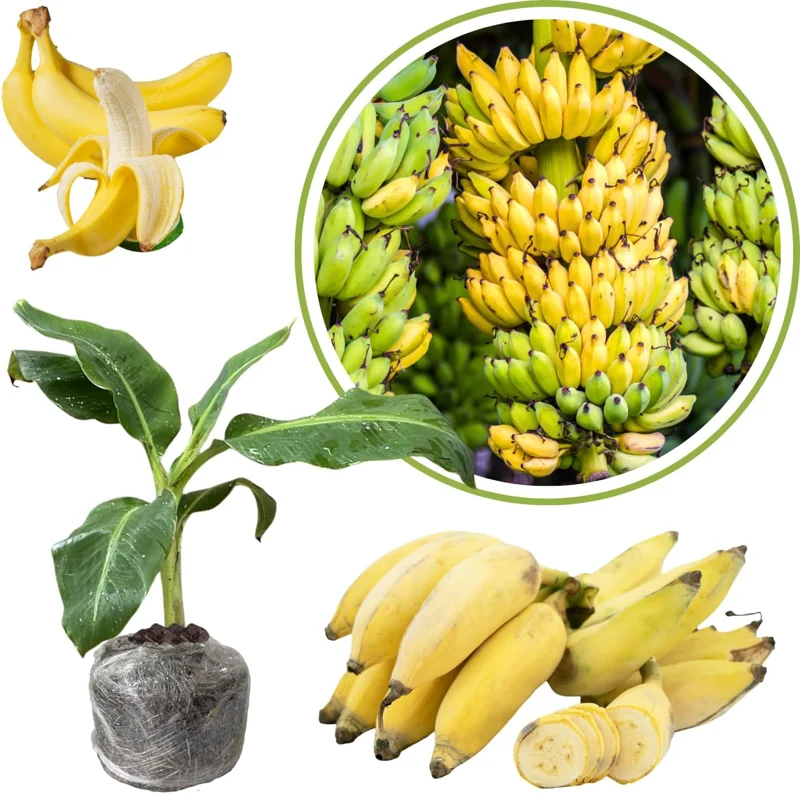
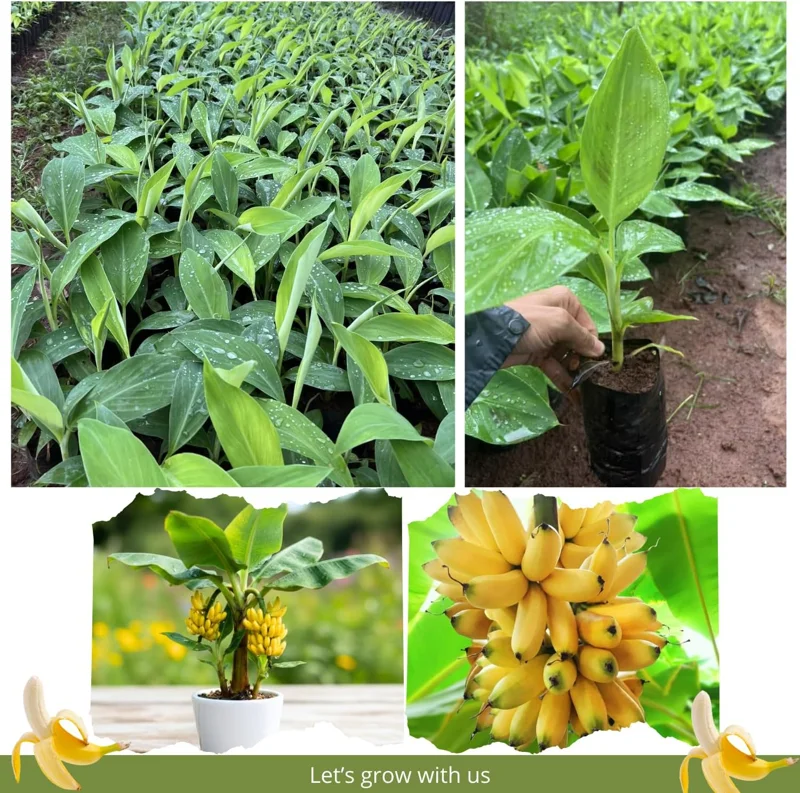
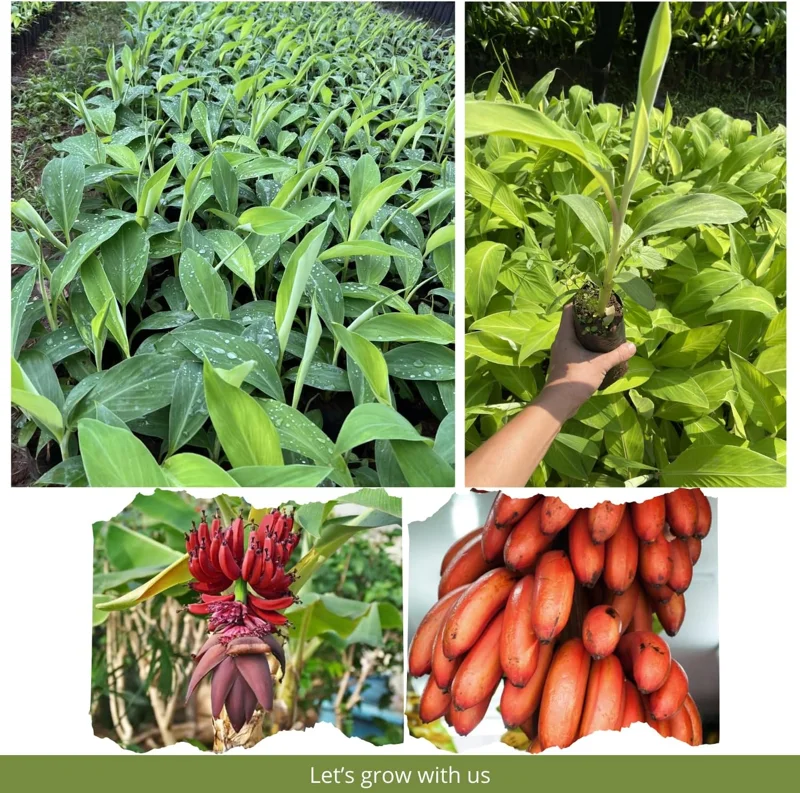
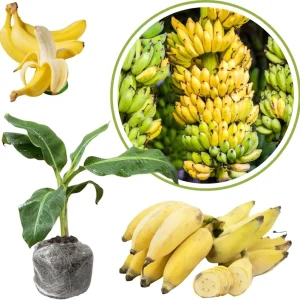
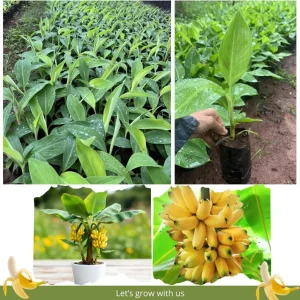
Your dwarf cavendish banana tree live plant arrives as a well-rooted specimen, typically measuring between 4-8 inches tall from the base of the soil. This healthy starter plant is ready to be transplanted into a larger pot or directly into your garden if you reside in an appropriate climate zone. Dwarf Cavendish banana trees are known for their relatively fast growth rate under ideal conditions, quickly developing into a mature, fruit-producing plant within 1-2 years. While compact, expect your plant to reach an average mature height of 4-6 feet, making it a perfect choice for both spacious and limited growing areas. The plant is shipped in a nursery pot, ensuring its roots are protected during transit and ready for a smooth transition to its new home. With proper care, you can look forward to enjoying its tropical foliage and delicious fruit for many years.
Frequently Asked Questions
- Q: How big will my dwarf cavendish banana tree live plant get? A: This dwarf variety typically grows to a mature height of 4-6 feet, making it significantly smaller than standard banana trees. Its compact size is perfect for container gardening and indoor growing.
- Q: Is this an indoor or outdoor plant? A: The Dwarf Cavendish can be grown outdoors in USDA hardiness zones 9-11. In colder climates, it thrives as an indoor plant or can be moved outdoors during warm summer months and brought back inside before frost.
- Q: How much sunlight does a cold hardy banana plant need? A: Banana plants require a lot of sun. Aim for at least 6-8 hours of direct sunlight daily. If growing indoors, place it in the brightest window available, preferably south-facing, or use a supplemental grow light.
- Q: Is this edible banana plant easy to care for? A: Yes, the Dwarf Cavendish is considered relatively easy to care for, making it suitable for beginners. Consistent watering, plenty of sunlight, and regular feeding are key to its success.
- Q: What condition will the plant arrive in? A: Your live plant will arrive well-rooted and carefully packaged to ensure its health during transit. It will be secured in a nursery pot, ready for you to transplant.
- Q: How long until my tropical fruit tree produces bananas? A: Under optimal growing conditions, a Dwarf Cavendish banana tree typically begins to produce fruit within 1-2 years from planting, though this can vary based on care and environment.
- Q: Can I grow a dwarf banana tree indoors year-round? A: Absolutely! With adequate light, warmth, and humidity, you can successfully grow a Dwarf Cavendish banana tree indoors year-round, allowing you to enjoy fresh bananas even in non-tropical regions.
- Q: What kind of soil is best for this banana tree? A: Use a rich, well-draining potting mix that is high in organic matter. Good drainage is crucial to prevent root issues. A pH between 6.0 and 7.0 is ideal.
- Q: How often should I water my banana plant? A: Keep the soil consistently moist but not waterlogged. Water deeply when the top inch of soil feels dry to the touch. Reduce watering during cooler, dormant periods.
- Q: Will this banana plant survive winter in my zone? A: If you are outside of USDA zones 9-11, your banana plant will need to be brought indoors or provided with significant winter protection to survive cold temperatures and frost.


Reviews
There are no reviews yet.