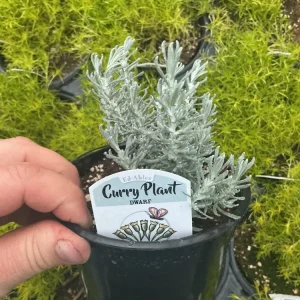
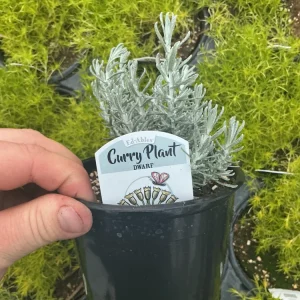
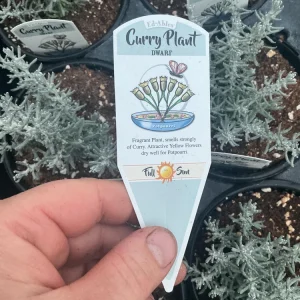
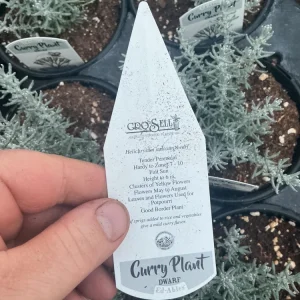
Overview
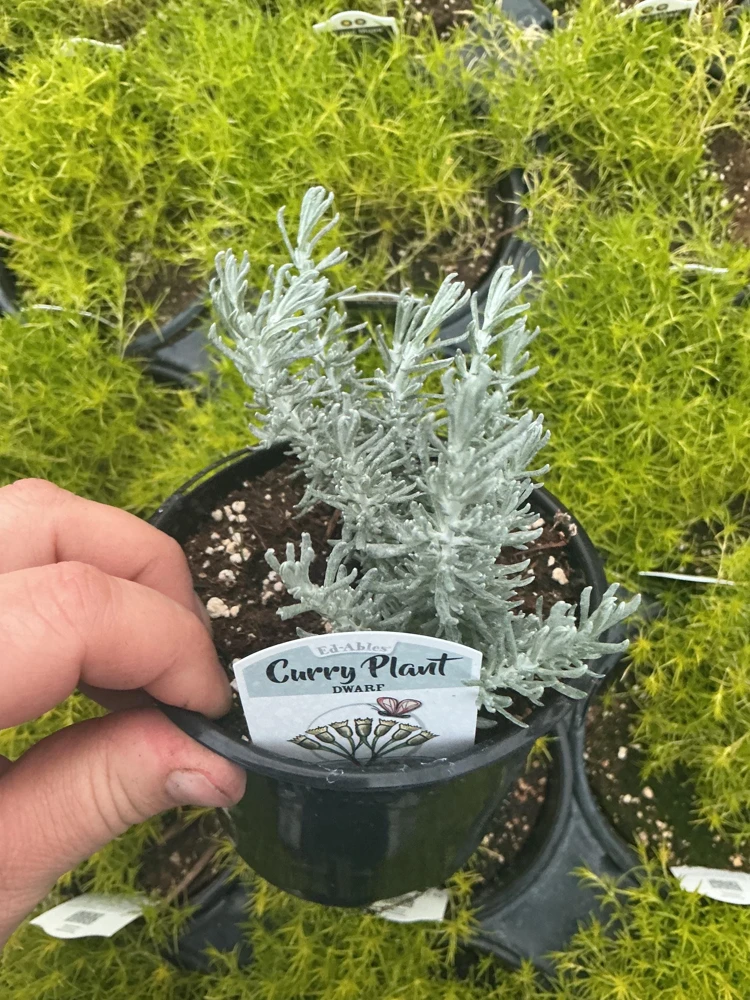
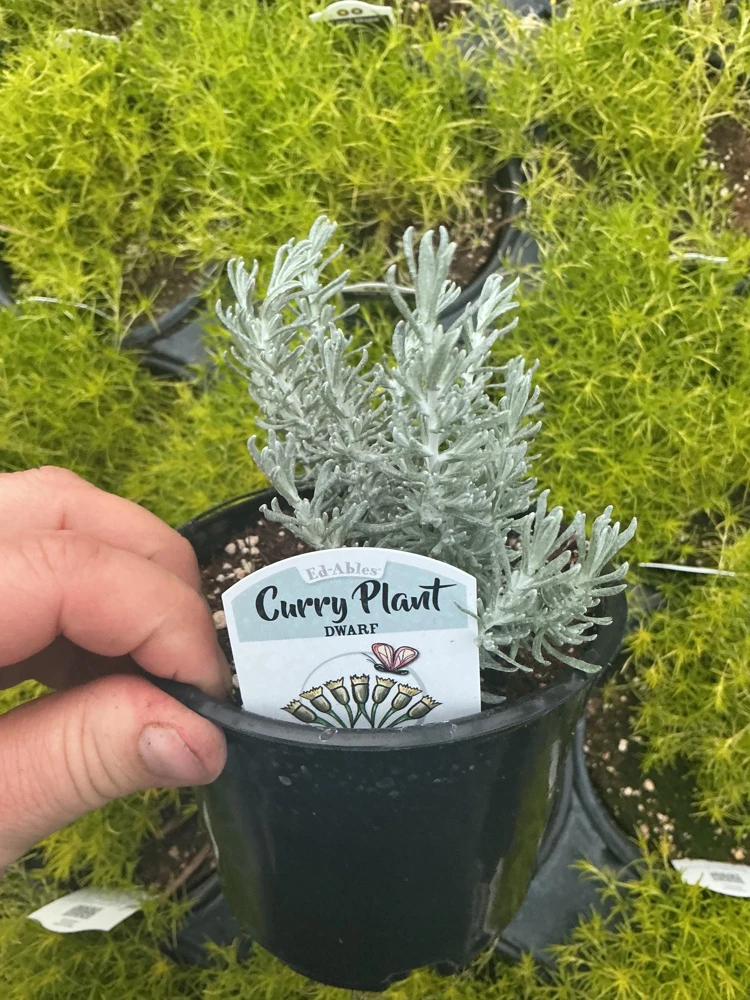
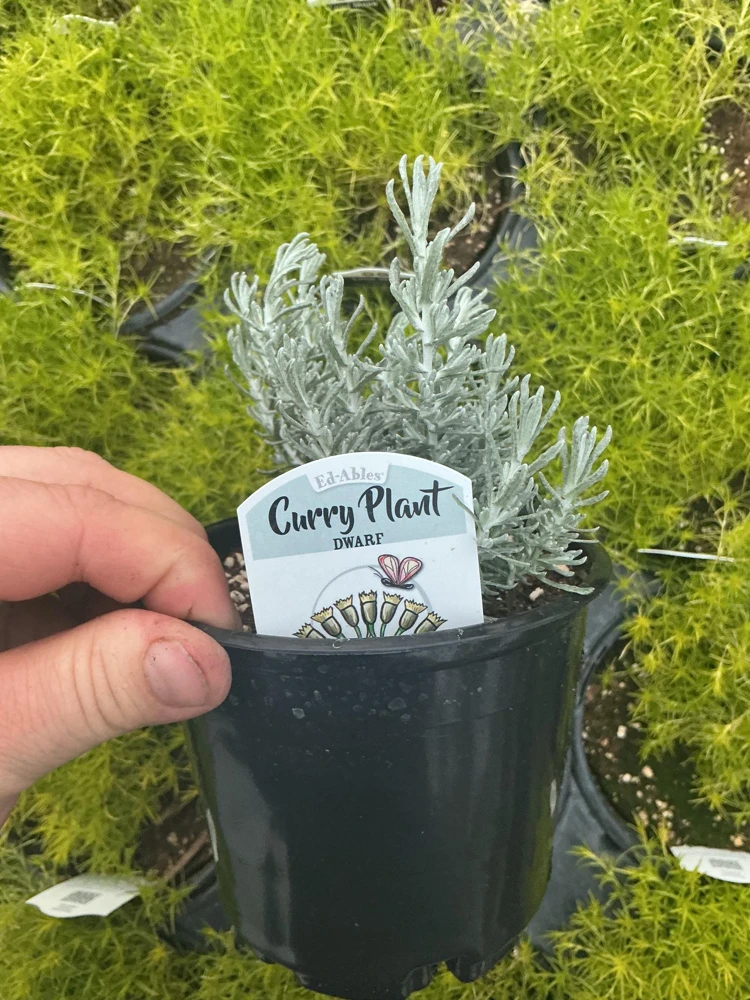
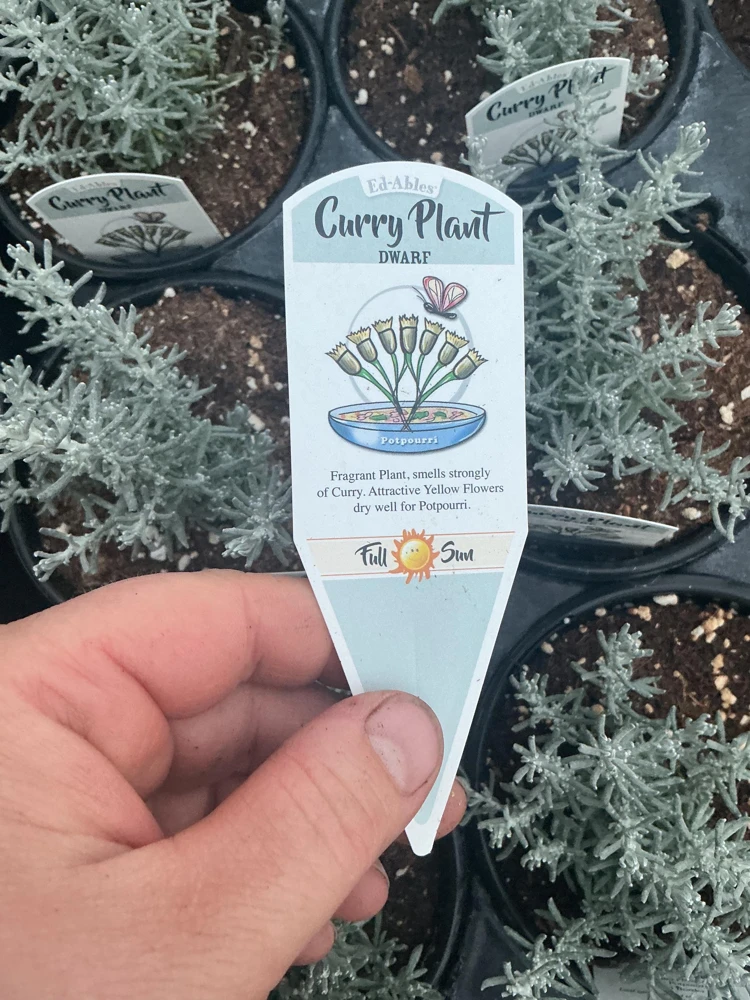
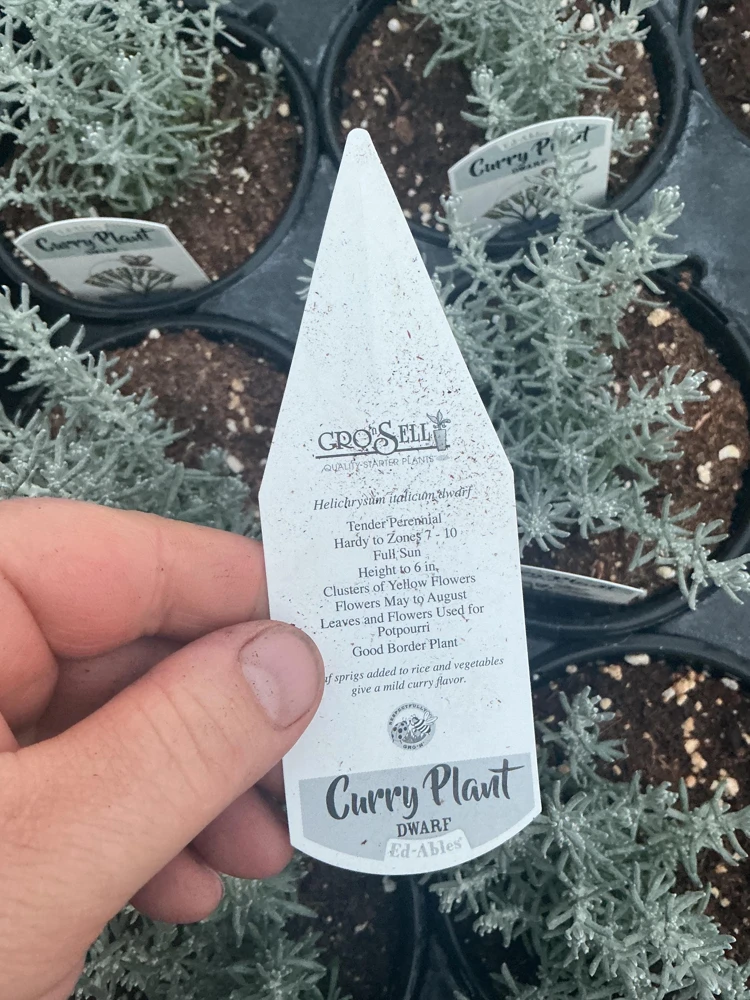
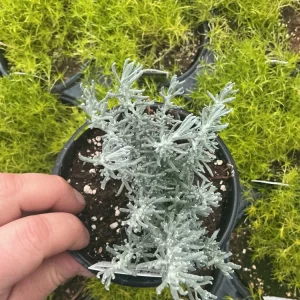
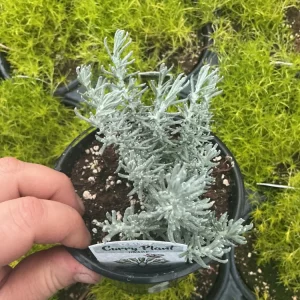
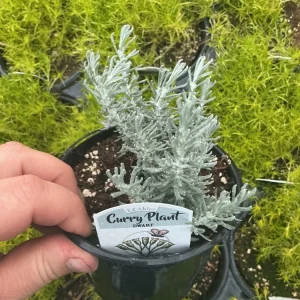
Cultivate the vibrant flavor of India and Sri Lanka right in your home with our exquisite dwarf curry live plant. This aromatic and highly sought-after herb, scientifically known as Murraya koenigii, is a must-have for any culinary enthusiast. Our dwarf curry live plant is carefully cultivated and arrives well-established in a 4.5-inch nursery pot, ensuring it’s ready to flourish in your space. Unlike its larger counterparts, this dwarf variety offers a more compact growth habit, making it an ideal choice for indoor gardening, patios, or smaller outdoor spaces where space is a premium. The fresh leaves are essential for adding a distinctive, warm, and slightly nutty flavor to curries, stews, and various South Asian dishes. Experience the joy of harvesting your own fresh curry leaves whenever inspiration strikes.
The dwarf curry live plant is not just a culinary asset; it also makes an attractive foliage plant with its glossy, dark green leaves. It’s a rewarding plant to grow, providing both beauty and utility. Our plants are nurtured for health and vigor, so you receive a robust specimen ready to become a productive part of your home garden. Whether you’re an experienced gardener or just starting, this plant offers an accessible way to elevate your cooking with fresh, homegrown ingredients.
Key Benefits
Adding a dwarf curry live plant to your home offers numerous advantages beyond its culinary appeal. This versatile herb provides both aesthetic beauty and practical utility for any gardener or cook.
- Fresh Culinary Ingredient: Enjoy the unparalleled flavor of fresh curry leaves directly from your plant. These leaves are a staple in many cuisines, offering a unique aroma and taste that dried leaves simply cannot replicate. Having a fresh supply means your dishes will always be vibrant and authentic.
- Compact & Manageable Size: The dwarf variety is specifically bred for smaller spaces, making it perfect for indoor growing on windowsills, kitchen counters, or in compact outdoor gardens. Its manageable size means less pruning and easier care compared to larger curry trees.
- Aromatic Foliage: The leaves release a delightful, spicy, and earthy fragrance when brushed or bruised, adding a pleasant aroma to your living space. This natural fragrance can be a subtle and refreshing addition to your home environment.
- Ease of Growth: This dwarf curry live plant is relatively easy to care for, thriving with adequate sunlight and proper watering. It’s a resilient plant that can adapt to various conditions, making it suitable for gardeners of all experience levels.
- Continuous Harvest: Once established, your plant will provide a continuous supply of fresh leaves throughout the growing season, allowing you to harvest as needed without harming the plant’s overall health. This ensures a steady source for your culinary needs.
- Decorative Appeal: With its lush, green foliage, the dwarf curry live plant serves as an attractive ornamental plant. It can enhance the aesthetic of your kitchen or patio, bringing a touch of natural beauty indoors or outdoors.
- Health Benefits: Curry leaves are known for their traditional medicinal properties and are rich in antioxidants, vitamins, and minerals. Incorporating them into your diet can contribute to overall well-being.
Plant Care & Growing Tips
Caring for your dwarf curry live plant is straightforward, ensuring a bountiful supply of fresh leaves. This plant thrives in warm, humid conditions and requires specific care to reach its full potential. For optimal growth, provide at least 6-8 hours of direct sunlight daily. An east-facing window indoors or a sunny, sheltered spot outdoors is ideal. If growing indoors, consider using a grow light during shorter winter days to supplement natural light. Insufficient light can lead to leggy growth and reduced leaf production.
Watering is crucial for a healthy dwarf curry live plant. The soil should be kept consistently moist but never waterlogged. Allow the top inch or two of soil to dry out before watering again. Overwatering can lead to root rot, while underwatering can cause leaves to wilt and drop. Ensure your pot has good drainage holes. A well-draining potting mix is essential. Fertilize every 2-4 weeks during the growing season (spring and summer) with a balanced, organic liquid fertilizer. Reduce fertilization in fall and winter when growth slows. The ideal temperature range for this plant is between 65-85°F (18-29°C). Protect it from frost, as it is not cold-hardy. If growing outdoors in a cooler climate, bring it inside before temperatures drop below 50°F (10°C). Watch out for common pests like spider mites and aphids; treat them promptly with neem oil or insecticidal soap if detected.
Pruning your karivepaku plant encourages bushier growth and more leaves. Pinch off the tips of new growth regularly. You can also harvest leaves as needed, taking care not to remove more than one-third of the plant’s foliage at a time. Repot your plant every 1-2 years into a slightly larger pot with fresh potting mix to provide new nutrients and space for root growth. This will help your curry tree indoor thrive and continue to produce fragrant leaves for many years. Regular attention to these care tips will ensure your murraya koenigii remains healthy and productive.
Size & Details
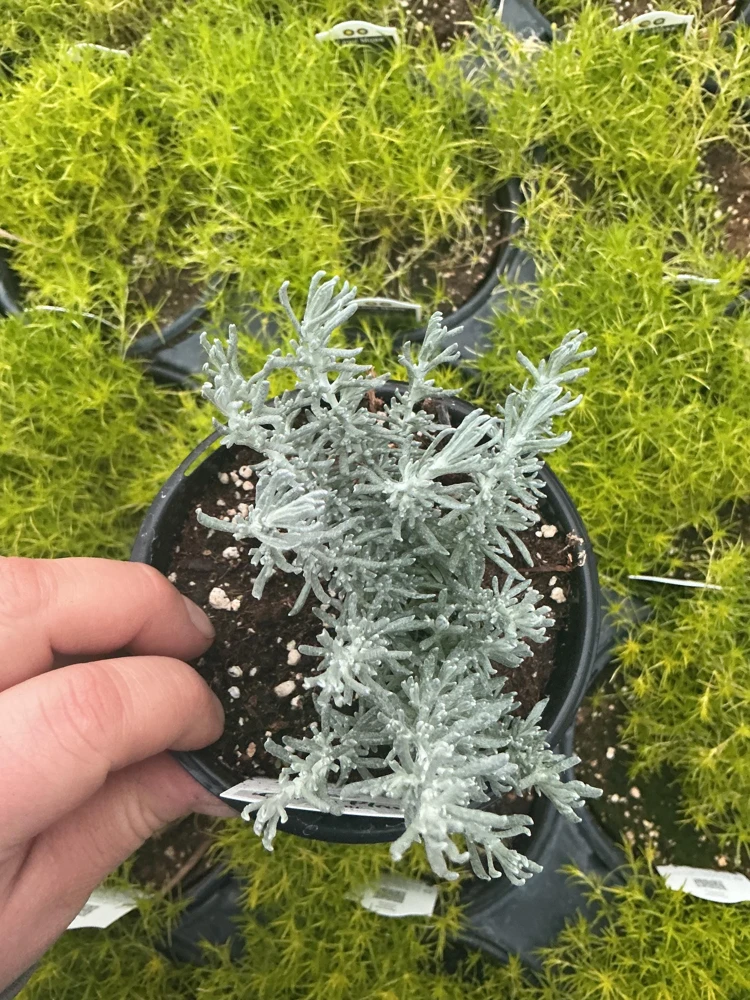
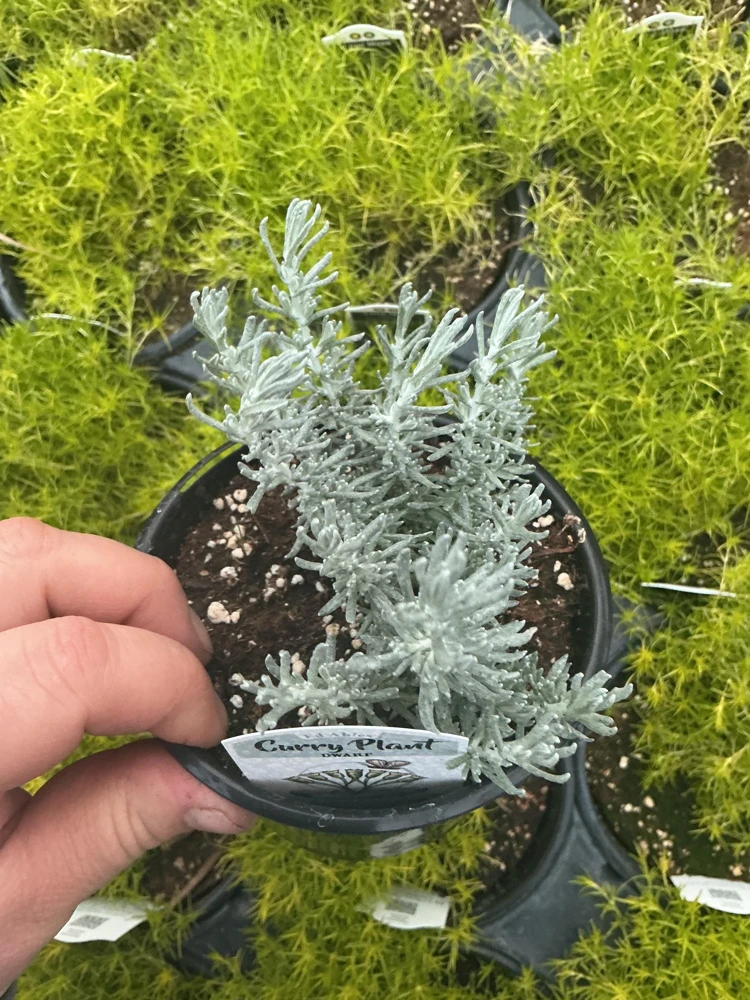
This offering includes one healthy dwarf curry live plant, which arrives well-established and actively growing in a 4.5-inch plastic nursery pot. The plant’s current height typically ranges from 6 to 10 inches from the soil line, though exact measurements may vary slightly depending on growth stage and individual plant development. As a dwarf variety, it is designed for a more compact growth habit, generally reaching a mature height of 2 to 4 feet tall and wide when grown in optimal conditions, making it suitable for container gardening or as a patio plant. The plant will continue to grow and produce fresh leaves over time, providing a continuous harvest for your culinary needs. It ships with its roots intact within the nursery pot, minimizing transplant shock and ensuring a smooth transition to your home.
Expect your dwarf curry live plant to be a vigorous grower in warm conditions, quickly developing new foliage that can be harvested. While it may take some time to reach its full mature size, regular harvesting and proper care will encourage a bushy form and consistent leaf production. This plant is a long-lived perennial in suitable climates, offering years of aromatic leaves.
Frequently Asked Questions
- Q: How big will this dwarf curry live plant get? A: This dwarf variety typically grows to a mature height and width of 2 to 4 feet, making it ideal for container growing indoors or on patios. Its compact size is perfect for smaller spaces.
- Q: Is this an indoor or outdoor plant? A: The dwarf curry live plant can be grown both indoors and outdoors. If grown outdoors, it thrives in warm climates (USDA zones 9-11) and should be brought indoors before temperatures drop below 50°F (10°C).
- Q: How much sunlight does the curry plant need? A: This plant requires at least 6-8 hours of direct sunlight per day to thrive. Indoors, place it near a bright, south-facing window. Outdoors, choose a sunny location.
- Q: Is this plant easy to care for? A: Yes, the dwarf curry live plant is relatively easy to care for, provided it receives adequate sunlight, consistent moisture, and protection from cold temperatures. It’s suitable for gardeners of all experience levels.
- Q: Can I use the leaves for cooking? A: Absolutely! The leaves from this karivepaku plant are perfect for culinary use. They add an authentic, aromatic flavor to curries, stews, and many other South Asian dishes.
- Q: How often should I water my curry tree indoor? A: Water when the top 1-2 inches of soil feel dry to the touch. Keep the soil consistently moist but avoid overwatering, which can lead to root rot. Ensure good drainage.
- Q: What condition will the plant arrive in? A: Your dwarf curry live plant will arrive well-established and growing in a 4.5-inch nursery pot, carefully packaged to ensure a safe journey and minimal stress during transit.
- Q: When is the best time to plant or repot? A: The best time for repotting is in the spring, as the plant enters its active growing phase. For outdoor planting in suitable climates, spring or early summer is ideal.
- Q: Will this murraya koenigii produce flowers or fruit? A: Yes, mature curry plants can produce small, fragrant white flowers followed by small, black, edible berries. However, the leaves are the primary culinary focus.
- Q: Is this plant pet-safe? A: While the leaves are widely used in human cuisine, it’s always best to research specific plant toxicity for pets. Generally, curry leaves are not considered highly toxic, but ingestion of large quantities by pets is not recommended.


Reviews
There are no reviews yet.