Overview
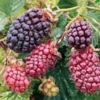
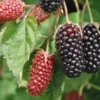
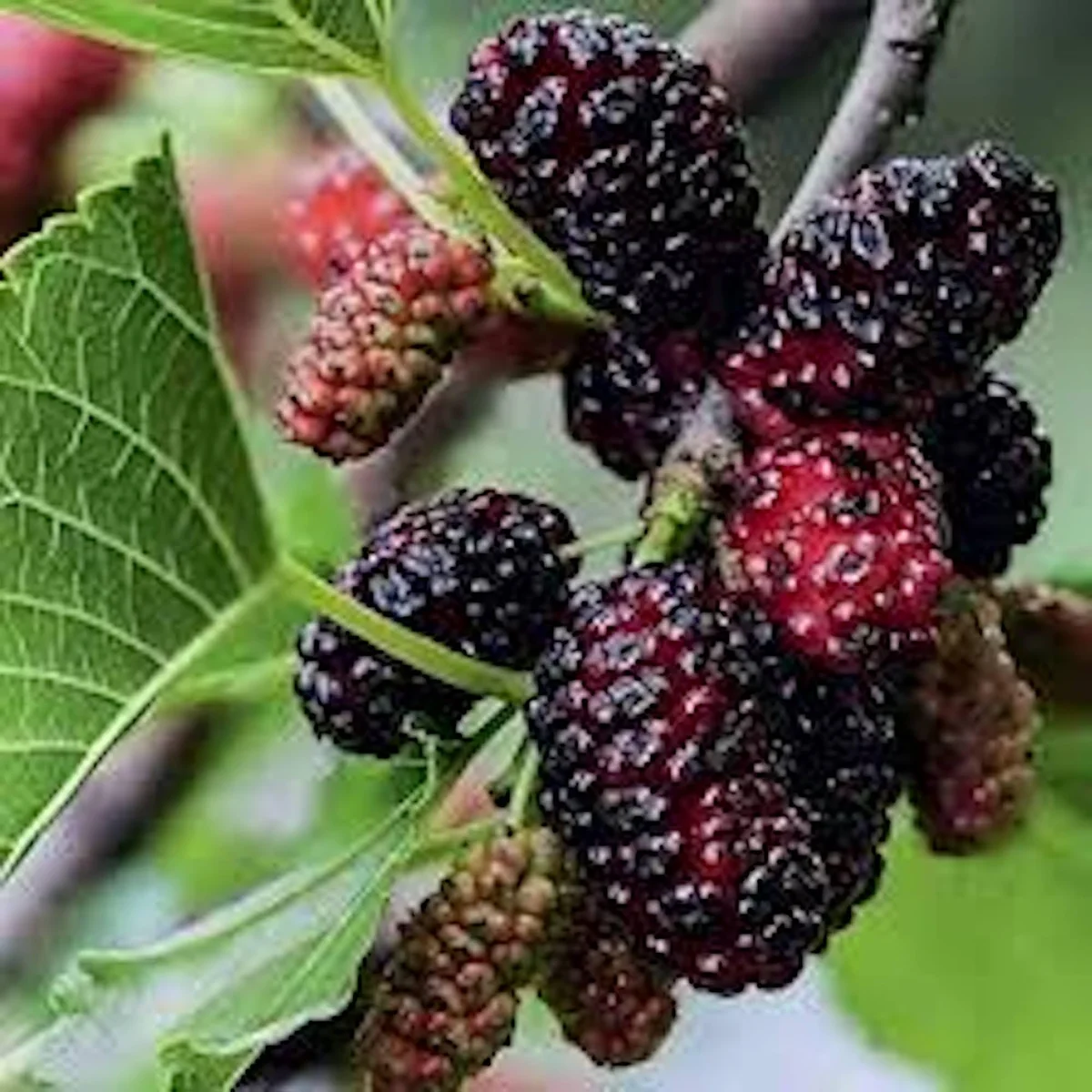
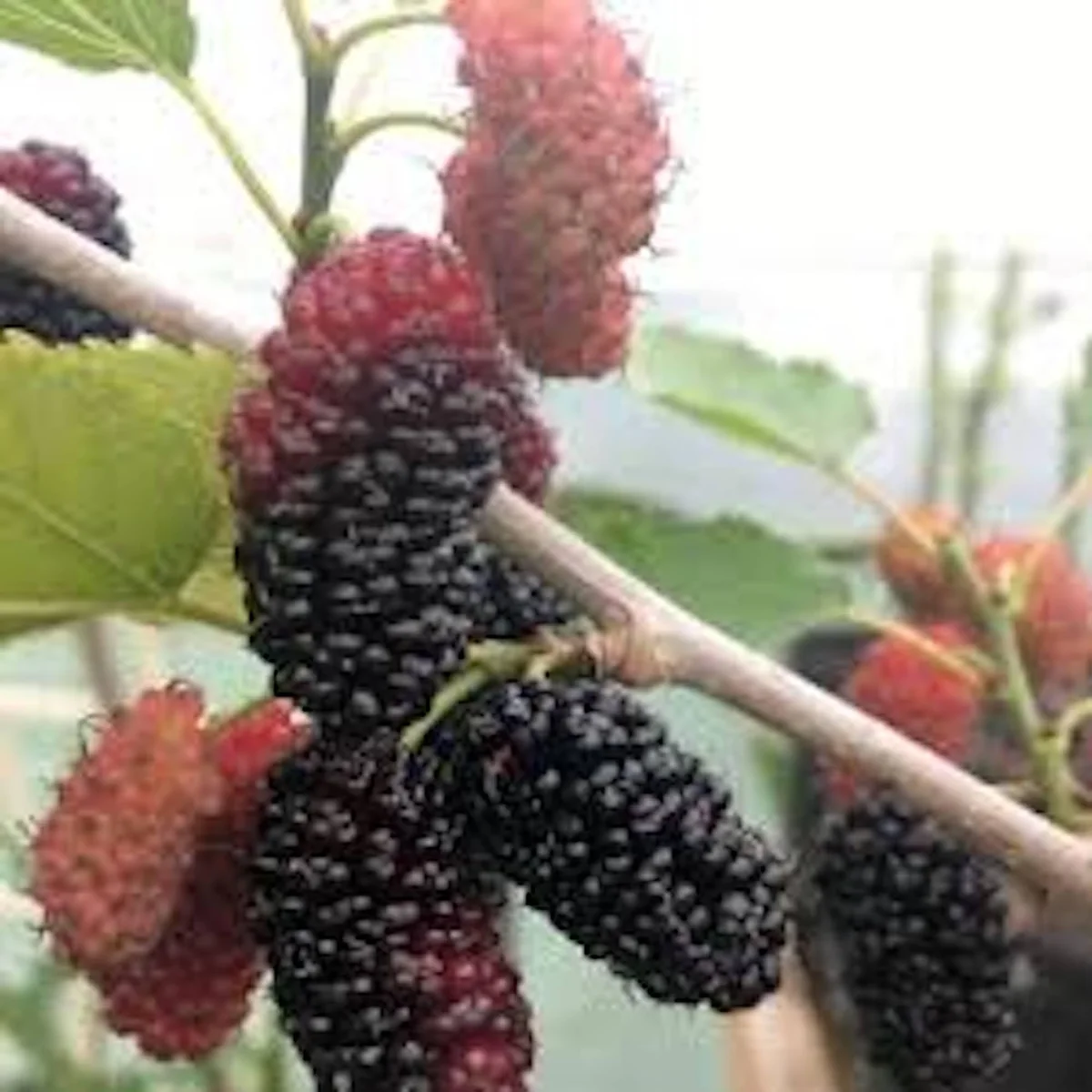
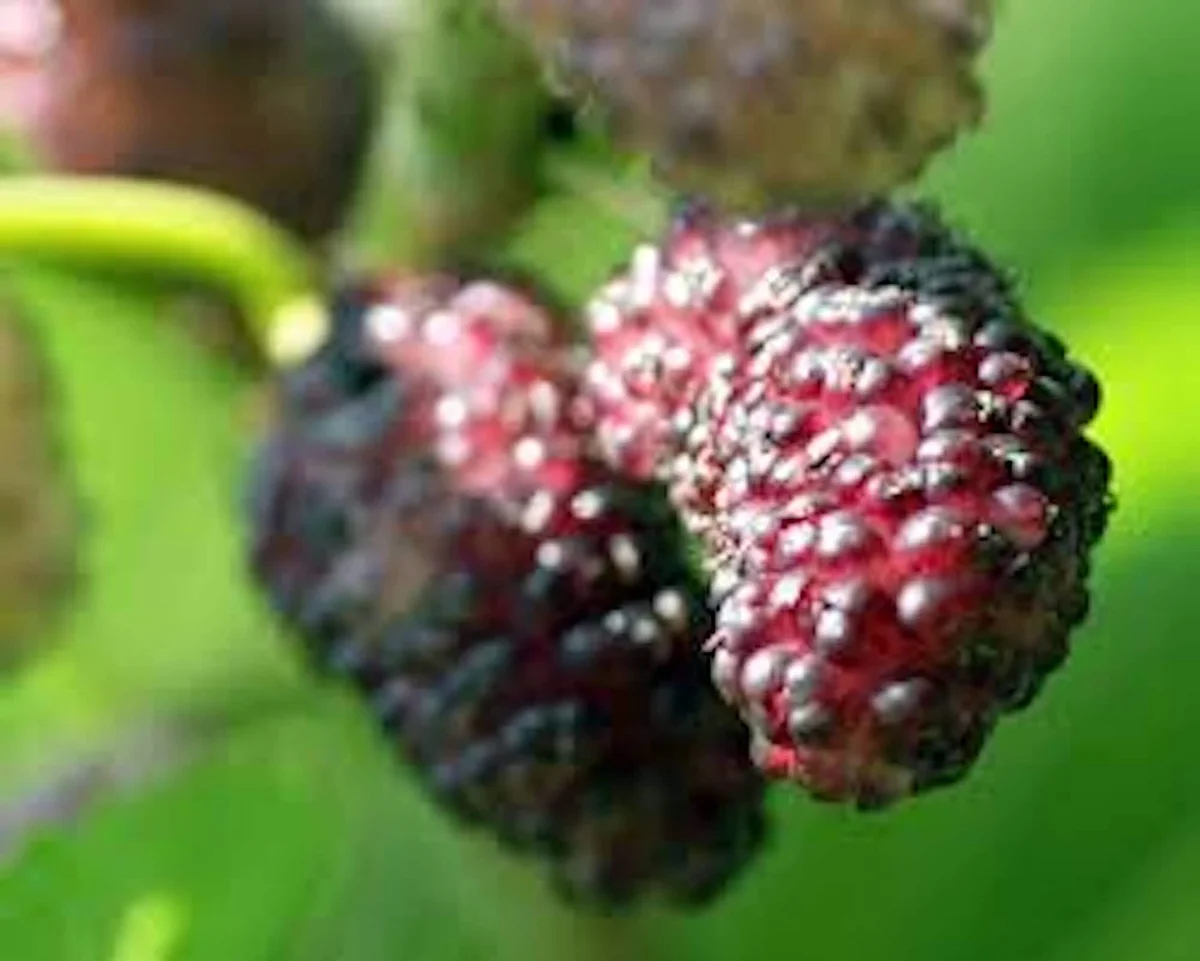
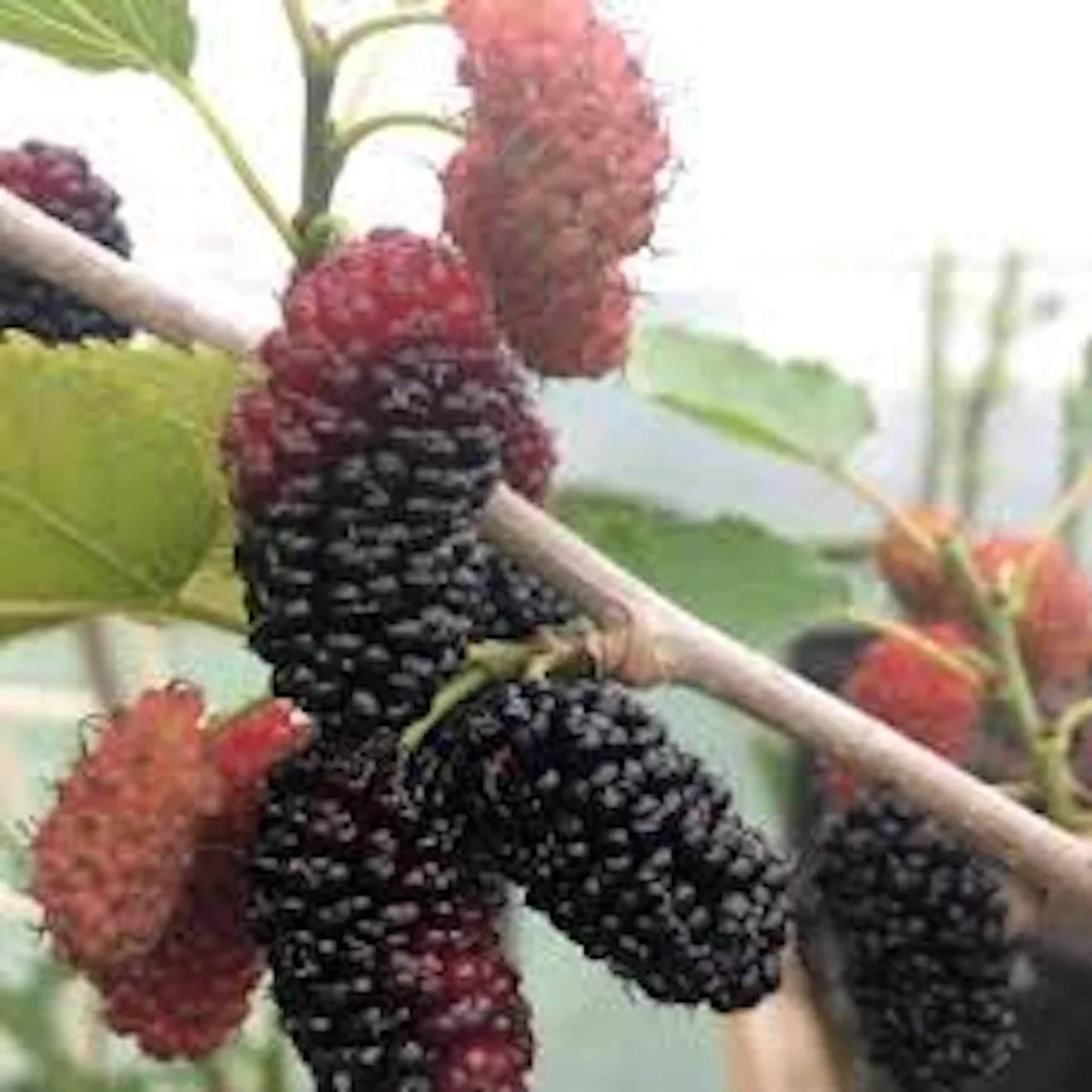
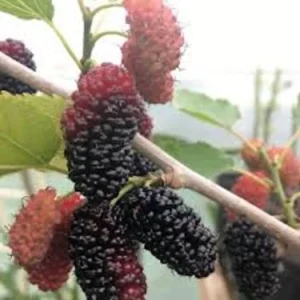
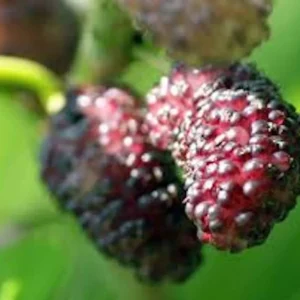
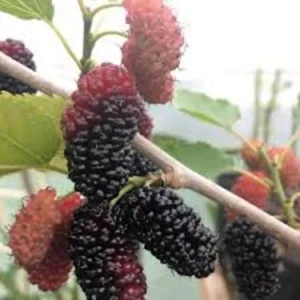
Start your home orchard with a resilient dwarf everbearing mulberry tree, a fantastic choice for gardeners looking for low-maintenance, prolific fruit production. This offering is for a healthy bare root mulberry plant, ready to establish itself in your garden. Known scientifically as Morus sp., the Dwarf Everbearing Mulberry is celebrated for its ability to produce fruit continuously over an extended season, typically from late spring through fall. Unlike many fruit trees, it’s self-pollinating, meaning you only need one plant to enjoy a bountiful harvest. Its manageable size makes it suitable for various garden spaces, including smaller yards or even large containers, offering delicious, fresh mulberries right at your fingertips.
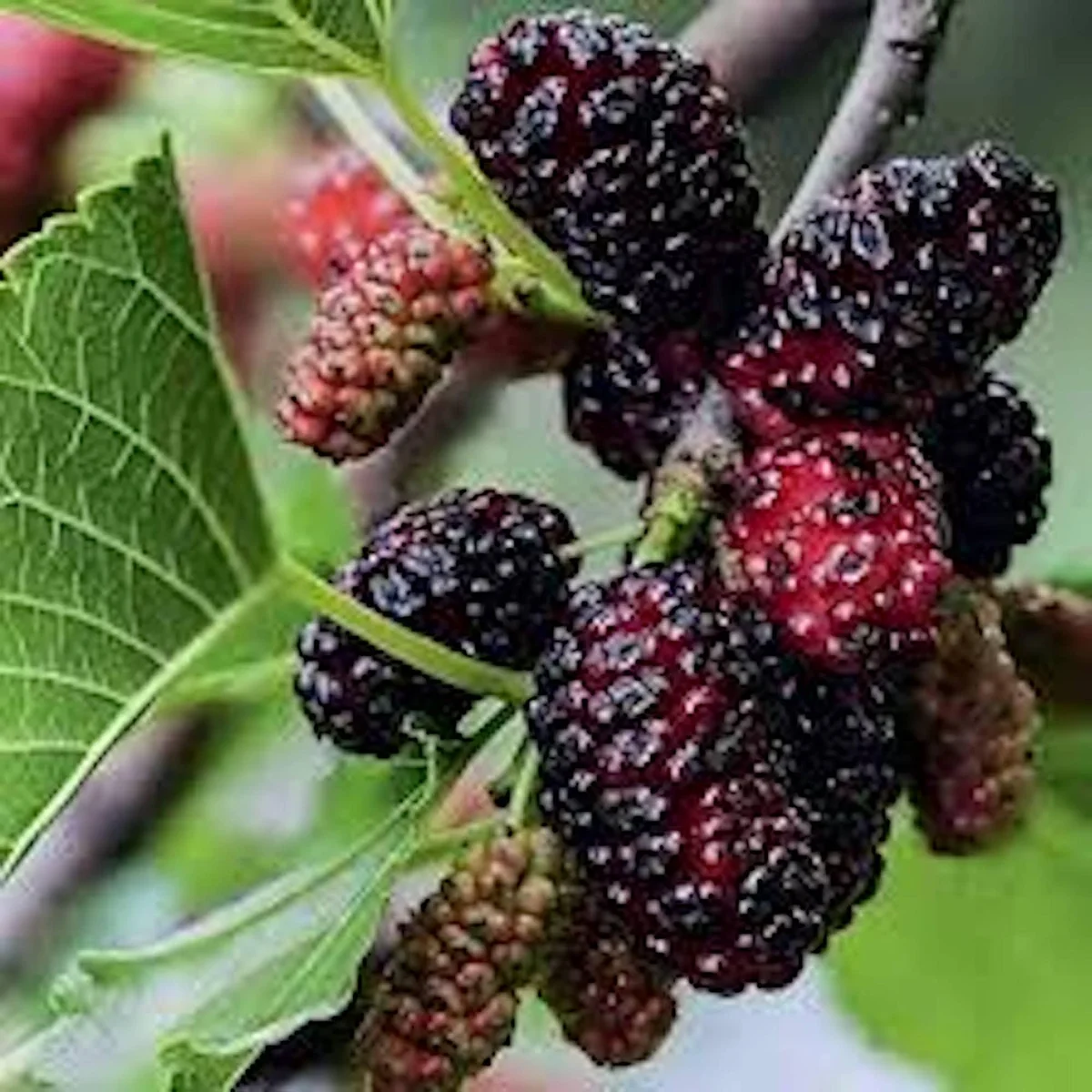
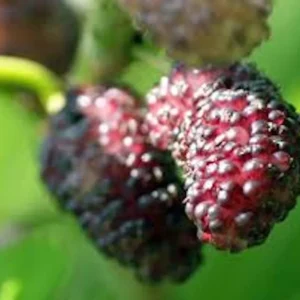
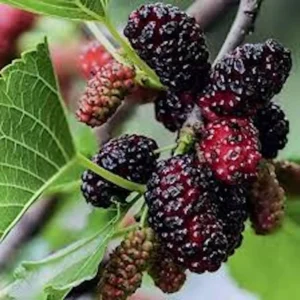
The Dwarf Everbearing Mulberry is a truly versatile and hardy fruit tree. It’s a cold hardy fruit tree, making it suitable for a wide range of climates (USDA Zones 4-9). This variety is known for its vigor and resistance to common pests, simplifying the growing process for both novice and experienced gardeners. Enjoy the fresh, sweet, reddish-black berries that are perfect for eating fresh, baking, or preserving. This starter plant will grow into a productive tree, enriching your landscape with both beauty and delicious fruit.
Key Benefits
Investing in a dwarf everbearing mulberry tree brings numerous advantages to your garden and culinary endeavors. These remarkable plants are not only beautiful but also incredibly productive, offering a continuous supply of sweet, nutritious fruit. Their ease of care and adaptability make them a top choice for home gardeners.
- Continuous Fruit Production: Enjoy a prolonged harvest season, with juicy, reddish-black mulberries ripening from late June through early fall, providing fresh fruit for months.
- Self-Pollinating: This self pollinating mulberry variety means you only need one plant to produce fruit, simplifying planting and ensuring a reliable yield without needing companion plants.
- Pest-Resistant: Known for its robust nature, the Dwarf Everbearing Mulberry demonstrates good resistance to many common garden pests, reducing the need for chemical treatments.
- Versatile Growth Habit: Can be easily trained as a single-stemmed tree or allowed to grow as a multi-stemmed shrub, adapting to your specific garden design and space constraints.
- Cold Hardy: As a robust cold hardy fruit tree, it thrives in a wide range of climates, making it a reliable choice for many regions.
- Early Fruiting: Many plants can begin to bear fruit within their first 1-3 years after planting, offering a relatively quick return on your gardening efforts.
- Nutritious Berries: The sweet, flavorful berries are packed with vitamins and antioxidants, perfect for fresh eating, jams, pies, or dried snacks.
Plant Care & Growing Tips
Proper mulberry tree care ensures a healthy and productive plant. The dwarf everbearing mulberry tree is relatively low-maintenance, making it an excellent choice for a wide range of gardeners. These trees thrive in full sun, requiring at least 6-8 hours of direct sunlight daily to produce the best fruit. They are adaptable to various soil types but prefer well-draining soil with a pH between 6.0 and 7.0. If your soil is heavy clay, consider amending it with organic matter to improve drainage. When planting your bare root mulberry plant, dig a hole wide enough to accommodate the roots without bending them, and deep enough so the crown is level with the soil surface.
Watering is crucial, especially during the first year of establishment. Keep the soil consistently moist but not waterlogged. Once established, mulberry trees are quite drought-tolerant, but regular watering during dry spells will encourage better fruit production. Fertilize in early spring with a balanced, all-purpose fertilizer, or use a slow-release organic option. Pruning can be done in late winter or early spring while the tree is dormant to shape it, remove dead or diseased branches, and encourage new growth. Remember that while root systems can be robust, careful placement away from utility lines is advisable. This cold hardy fruit tree is resilient, but protecting young trees from harsh winter winds can be beneficial in colder zones.
The dwarf everbearing mulberry tree is a joy to grow, and understanding its needs will lead to years of delicious harvests. Monitor for common pests or diseases, though mulberries are generally quite resistant. Regular observation and prompt action can prevent most issues. With proper mulberry tree care, your plant will flourish and become a beloved part of your garden.
Size & Details
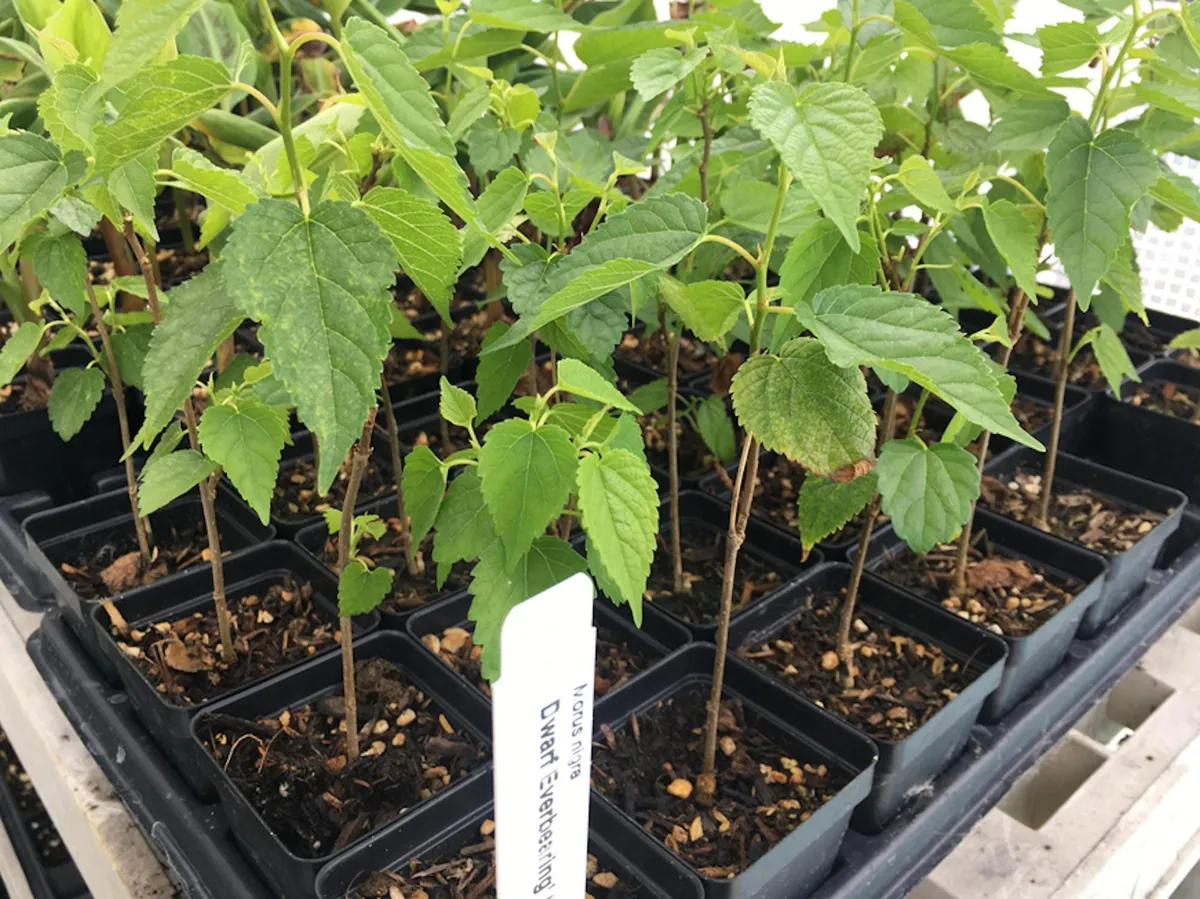
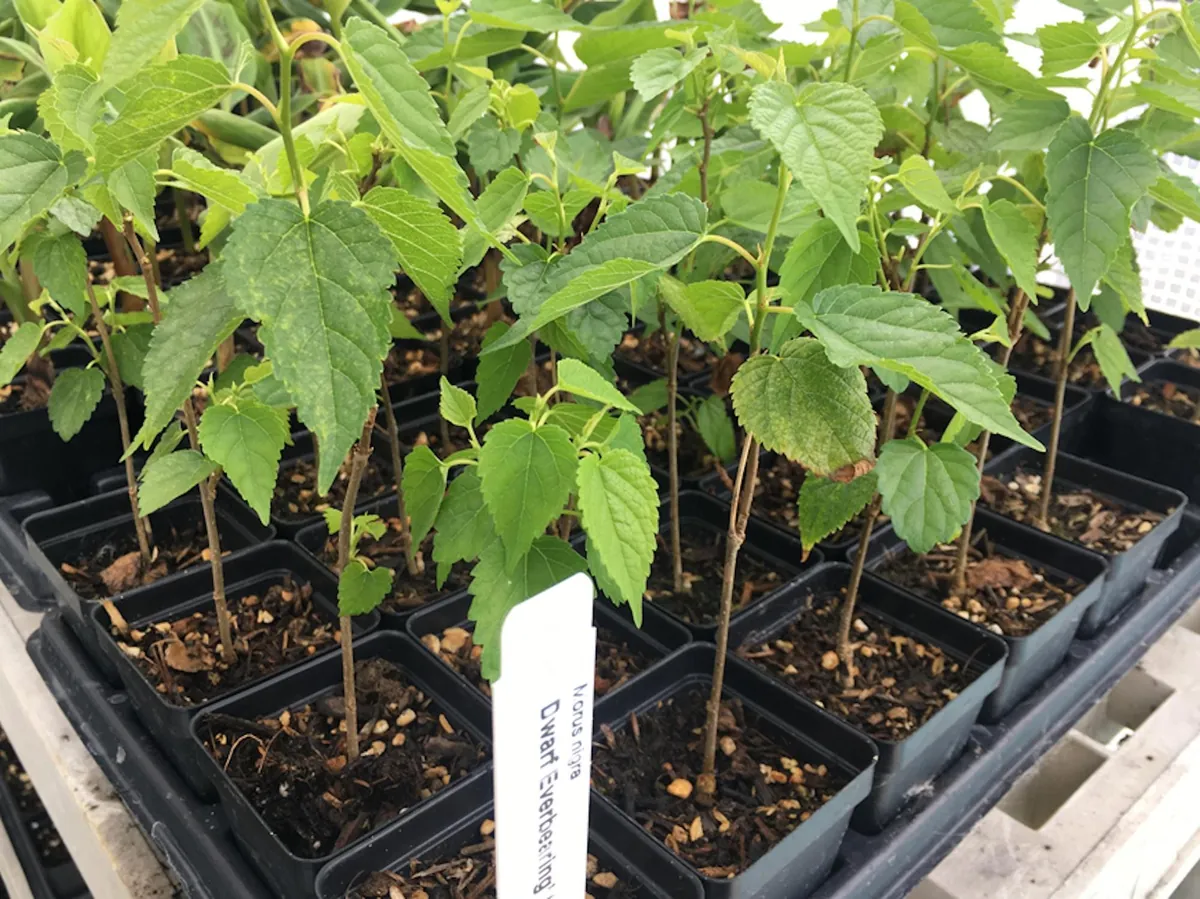
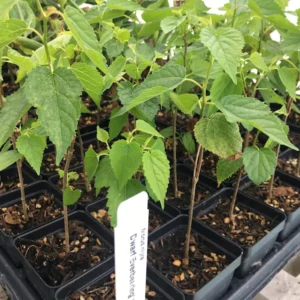
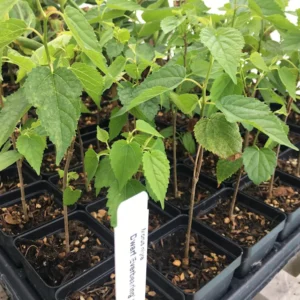
This offering is for one bare root mulberry plant, specifically a Dwarf Everbearing variety. As a starter plant, it arrives without soil or a pot, allowing for easier transplanting and establishment in your chosen location. Dwarf everbearing mulberry trees typically grow to a maximum height of 10-15 feet tall, with a spread of 15-20 feet, making them a more compact option compared to larger mulberry varieties like the Illinois everbearing, which can reach 30-35 feet tall. The plant you receive is a healthy starter tree, ready to grow. While most images depict a mature plant, your starter will develop into a productive fruit-bearing tree over time. It can bear fruit in its first 1-3 years, offering a relatively quick reward for your gardening efforts.
Frequently Asked Questions
- Q: How big does this Dwarf Everbearing Mulberry Tree get? A: A dwarf everbearing mulberry tree typically reaches a mature height of 10-15 feet tall with a spread of 15-20 feet. It is a more compact variety suitable for various garden sizes.
- Q: What condition will the plant arrive in? A: You will receive a healthy starter bare root mulberry plant. This means it will arrive without soil or a pot, with its roots carefully packaged to maintain moisture during transit.
- Q: Is this mulberry tree self-pollinating? A: Yes, the Dwarf Everbearing Mulberry is a self pollinating mulberry variety. You only need one plant to produce fruit, making it a convenient choice for any garden.
- Q: How much sunlight does this cold hardy fruit tree need? A: This cold hardy fruit tree thrives in full sun, requiring at least 6-8 hours of direct sunlight per day for optimal growth and fruit production.
- Q: When can I expect fruit from my Dwarf Everbearing Mulberry Tree? A: Many dwarf everbearing mulberry tree plants can begin to bear fruit within their first 1-3 years after planting, with a ripening season from late June to early fall.
- Q: What kind of soil is best for mulberry tree care? A: For successful mulberry tree care, plant your tree in well-draining soil. While adaptable, a slightly acidic to neutral pH (6.0-7.0) is ideal.
- Q: Is this mulberry variety truly cold hardy? A: Yes, the Dwarf Everbearing Mulberry is a very resilient and cold hardy fruit tree, suitable for USDA Zones 4 through 9, making it a robust choice for many regions.
- Q: Can I grow this plant in a container? A: While it can be trained as a tree or shrub, a dwarf everbearing mulberry tree can be successfully grown in a large container, provided it has adequate drainage and is regularly watered and fertilized.
- Q: Are the berries messy? A: The juicy, reddish-black berries do drop from the tree when ripe. While this means no picking is needed, they can create a mess on patios or walkways if not harvested promptly.
- Q: What is the best time to plant a bare root mulberry plant? A: The best time to plant a bare root mulberry plant is typically in late winter or early spring, before new growth begins, to allow the roots to establish before the heat of summer.


Reviews
There are no reviews yet.