Overview
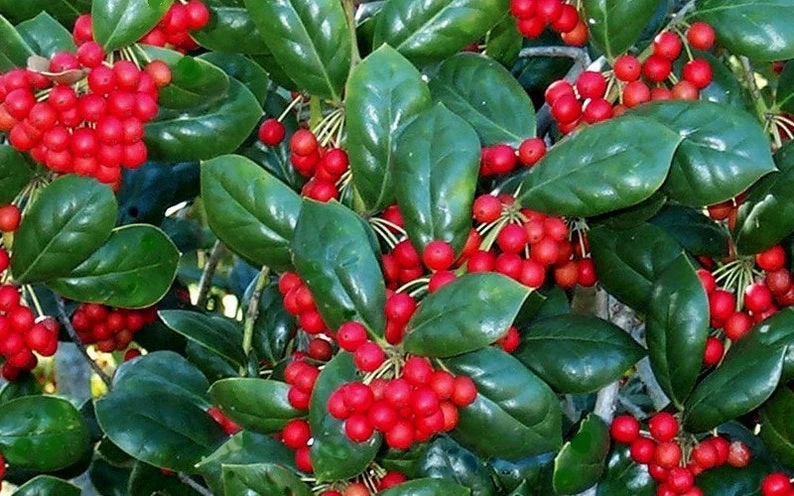
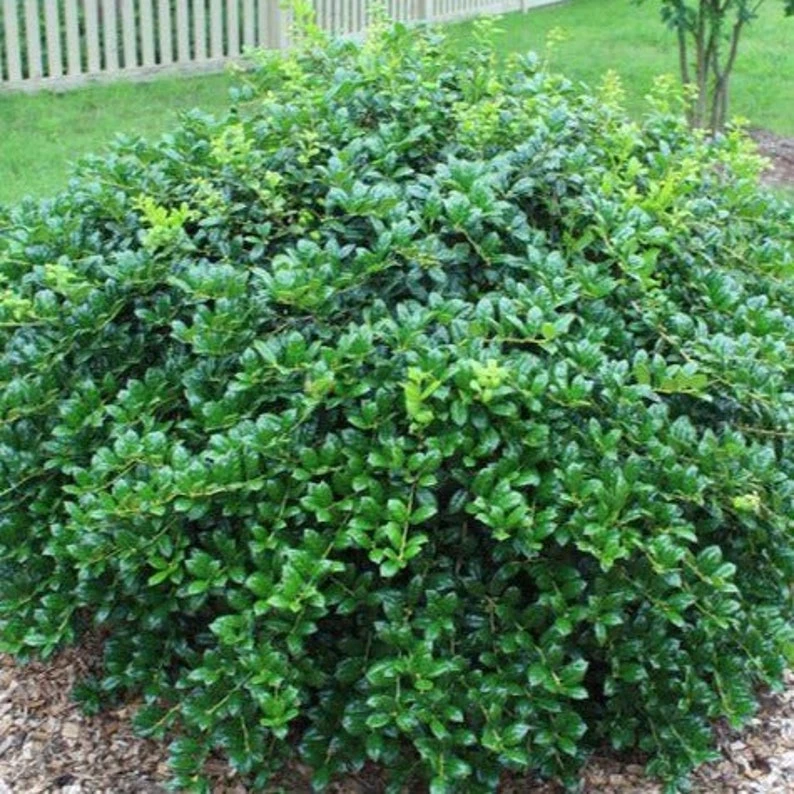
Introduce year-round elegance and vibrant color to your landscape with the beautiful dwarf holly berry tree. This compact evergreen shrub, arriving in a 3-inch pot, is a perfect addition for gardeners seeking low-maintenance beauty and seasonal interest. Known for its glossy green foliage and brilliant red berries, the dwarf holly adds a sophisticated touch to any outdoor space. Unlike larger holly varieties, this dwarf form maintains a manageable size, making it versatile for various garden designs. Whether you’re creating a formal hedge, a mixed border, or a charming container display, this live holly plant provides consistent visual appeal throughout the seasons, particularly brightening winter months with its festive berries.
The dwarf holly berry tree is cherished for its hardiness and adaptability, thriving in a range of conditions once established. It’s an excellent choice for adding structure and evergreen texture to your garden beds or as a standalone specimen. Its dense growth habit also makes it an attractive option for ground cover or small hedges, offering both aesthetic value and practical benefits. Cultivating a dwarf holly berry tree is a rewarding experience, providing a continuous display of natural beauty and a haven for local wildlife, particularly birds attracted to its bright red fruits.
Key Benefits
Choosing a dwarf holly berry tree for your garden offers numerous advantages, from its striking appearance to its ecological contributions. This resilient shrub is designed to bring lasting beauty and simplify your gardening efforts.
-
Year-Round Evergreen Foliage: Enjoy lush, deep green leaves throughout all four seasons. This evergreen quality ensures your garden maintains structure and color even during the colder months, providing a constant backdrop of natural beauty.
-
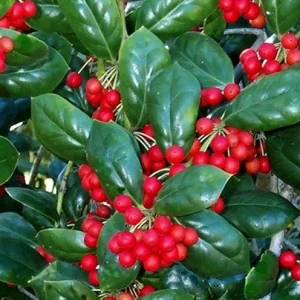
Vibrant Red Berries: The highlight of this plant is its profusion of bright red berries, which emerge in fall and often persist through winter. These berries not only add a festive splash of color but also serve as a vital food source for birds, enhancing local biodiversity.
-
Compact & Manageable Size: As a dwarf variety, this holly remains smaller than its full-sized counterparts, typically reaching a height and spread of 3-5 feet. This makes it ideal for smaller gardens, containers, foundation plantings, or as a component in mixed borders without overwhelming the space. It’s perfect for holly for landscaping where space is a consideration.
-
Low Maintenance: Once established, the dwarf holly berry tree is remarkably resilient and requires minimal care. It is relatively pest and disease resistant, making it a hassle-free addition to your garden that thrives with little intervention.
-
Versatile Landscaping Use: Its dense growth and attractive form make it suitable for a wide array of landscaping applications. Use it as a specimen plant, in mass plantings, for creating low hedges, or even in decorative pots on patios and decks.
-
Wildlife Attraction: The berries are a natural attractant for various bird species, providing both food and shelter. This helps create a lively and dynamic garden ecosystem, bringing nature closer to your home.
Plant Care & Growing Tips
Caring for your dwarf holly berry tree is straightforward, ensuring it flourishes and provides years of enjoyment. This hardy evergreen holly shrub is quite adaptable, but a few key practices will help it reach its full potential. When planting, choose a site with well-draining soil and ensure it receives adequate sunlight. While it can tolerate some shade, for the best berry production and densest foliage, aim for full sun to partial shade.
Watering is crucial, especially during the first year after planting, to establish a strong root system. Keep the soil consistently moist but never waterlogged. Once established, the dwarf holly is relatively drought-tolerant but will benefit from supplemental watering during prolonged dry spells. Fertilize in early spring with a balanced, slow-release fertilizer formulated for acid-loving plants. Pruning is generally minimal; simply remove any dead, damaged, or crossing branches to maintain its shape and promote healthy growth. Regular pruning can also help create a denser habit, which is desirable for a dwarf holly berry tree used in hedging or formal plantings. Pay attention to signs of common pests or diseases, though holly is generally quite resistant. Ensuring proper air circulation and avoiding overwatering can prevent most issues.
For colder climates, mulching around the base of the plant can help protect its roots from extreme winter temperatures. The dwarf holly care routine is designed to be accessible for gardeners of all experience levels, making it a popular choice for both beginners and seasoned enthusiasts. Providing these basic needs will ensure your dwarf holly remains a vibrant and healthy feature in your landscape.
Size & Details
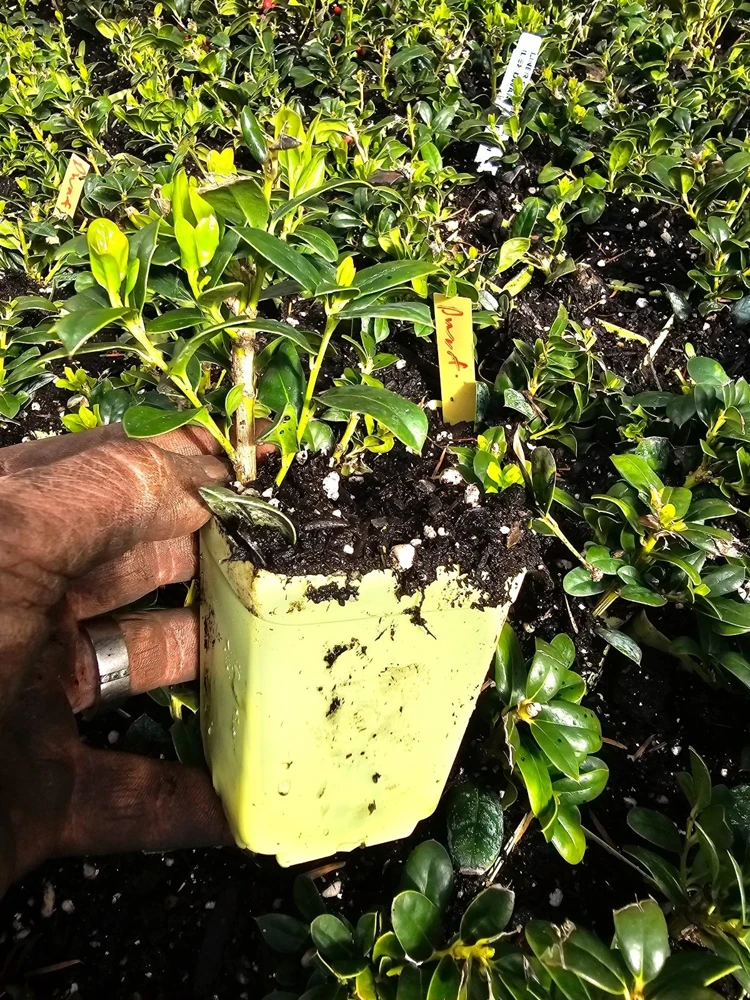
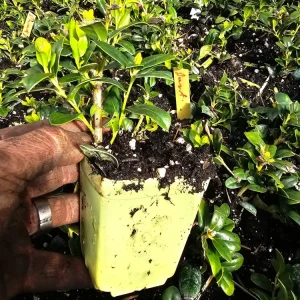
This dwarf holly berry tree arrives as a healthy, young live plant in a 3-inch nursery pot, providing a robust start for your garden. At the time of shipment, the plant typically stands approximately 6-10 inches tall, ready to be transplanted into its permanent location. This variety is known for its slow to moderate growth rate, eventually reaching a mature height and spread of 3 to 5 feet, creating a compact and rounded form. The dense, dark green foliage provides an excellent backdrop for the bright red berries that develop in the fall and persist through the winter months. It’s a perfect size for adding evergreen structure to smaller garden spaces or for use in container gardening. Expect to see significant berry production once the plant is established, usually within 1-2 years after planting. This plant is shipped as a rooted specimen, ensuring a higher success rate upon transplanting.
Frequently Asked Questions
-
Q: How big does this dwarf holly berry tree get? A: This dwarf variety typically grows to a mature height and spread of 3 to 5 feet. Its compact size makes it ideal for various landscaping uses without requiring extensive pruning to maintain its shape.
-
Q: Is this an indoor or outdoor plant? A: The dwarf holly berry tree is an outdoor evergreen shrub. It thrives in garden beds, as part of hedges, or in large outdoor containers, providing year-round interest and vibrant berries.
-
Q: How much sunlight does it need? A: For optimal growth and the best berry production, this evergreen holly shrub prefers full sun to partial shade. Aim for at least 4-6 hours of direct sunlight per day.
-
Q: Is this plant easy to care for? A: Yes, the dwarf holly is considered a low-maintenance plant. Once established, it is quite hardy and drought-tolerant, making dwarf holly care relatively simple for gardeners of all skill levels.
-
Q: What condition will it arrive in? A: Your live holly plant will arrive as a healthy, well-rooted specimen in a 3-inch nursery pot, carefully packaged to ensure its safe journey to your home. It will be ready for immediate planting upon arrival.
-
Q: When is the best time to plant a dwarf holly? A: The best times to plant a dwarf holly are in the spring or fall when temperatures are moderate. This allows the plant to establish its root system before extreme heat or cold sets in.
-
Q: Will it survive winter in my zone? A: Dwarf holly varieties are generally hardy in USDA zones 5-9. If you are in a colder zone, consider providing winter protection or growing it in a container that can be moved indoors during severe cold snaps.
-
Q: Do I need more than one plant for berries? A: Most holly varieties require both male and female plants to produce berries. While some dwarf hollies are self-fertile, it’s generally best to have at least two plants (one male, one female) in proximity to ensure good berry production for your holly for landscaping.
-
Q: What kind of soil does it prefer? A: The dwarf holly thrives in well-draining, slightly acidic soil. Amending heavy clay soils with organic matter can improve drainage and provide a better growing environment.
-
Q: Is it pet-safe? A: Holly berries are generally considered toxic if ingested by pets. While the leaves are less toxic, it’s best to keep pets from consuming any part of the plant. If you have curious pets, consider placing the plant in an area they cannot easily access.


Reviews
There are no reviews yet.