Overview
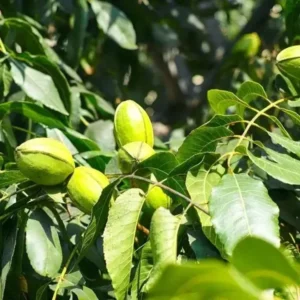
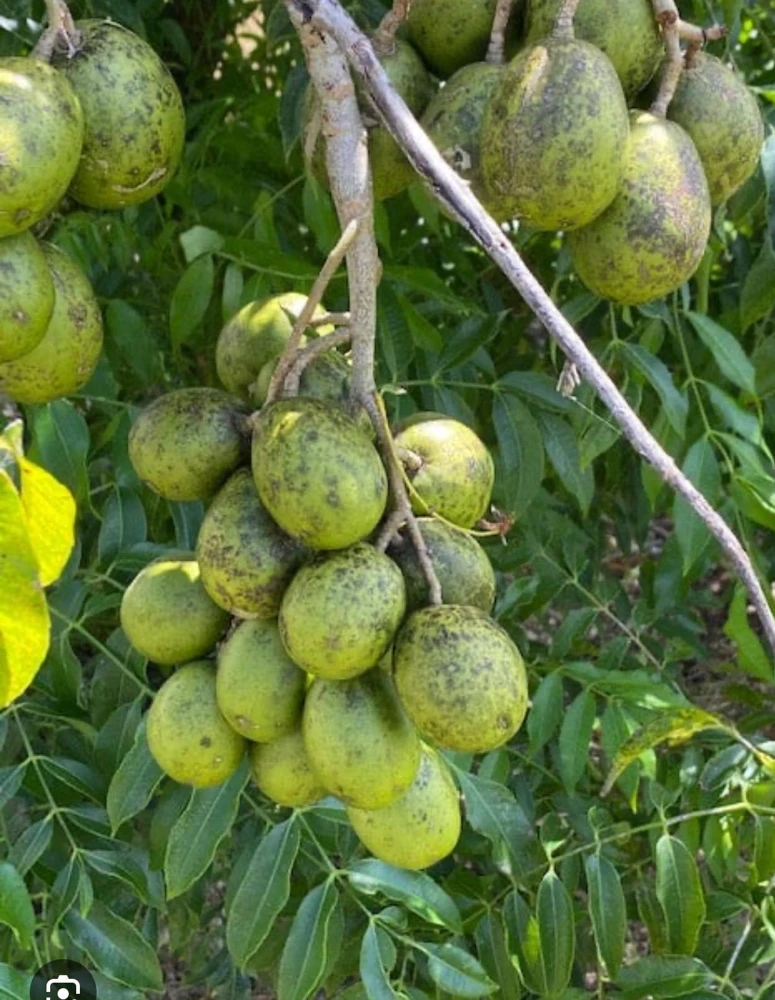
Bring the exotic taste of the tropics to your home with our magnificent dwarf june plum tree. This particular live plant is a 3-gallon specimen, carefully nurtured to ensure it arrives healthy and ready to thrive. What makes the June Plum (Spondias dulcis) truly remarkable is its ability to produce fruit at a surprisingly young age, allowing you to enjoy its bounty sooner than many other fruit trees. Originating from New World regions, this deciduous plant offers a unique culinary experience, providing delicious fruit for many months of the year. Whether you’re an experienced gardener or just starting your edible landscape journey, the dwarf june plum tree is an exciting and rewarding addition to any collection, promising both ornamental beauty and a bountiful harvest.
The allure of the June Plum extends beyond its early fruiting. Its manageable size, especially in its dwarf form, makes it an excellent choice for container gardening, fitting perfectly on a patio, balcony, or in a small yard. This tropical gem adapts well to various growing conditions, making it accessible to a wider range of growers. Experience the joy of harvesting your own fruit, from the crisp, tart green plums perfect for salads, to the sweet, pineapple-mango flavored golden-yellow fruits when fully ripened. This plant’s resilience and unique fruiting cycle, even holding fruit after leaf drop, ensures a long and satisfying season of fresh, homegrown produce.
Key Benefits
Embrace the many advantages of growing your own dwarf june plum tree. This versatile plant offers both aesthetic appeal and practical benefits for any garden enthusiast:
- Early and Abundant Fruiting: Unlike many fruit trees that take years to mature, this dwarf June Plum is known for its ability to flower and fruit at a remarkably young age. You can anticipate enjoying fresh, delicious plums much sooner, making it a highly rewarding plant for impatient gardeners.
- Versatile Culinary Uses: The fruit of the June Plum can be enjoyed in two distinct stages. When green, it’s tart and crunchy, perfect for adding a zesty kick to salads, salsas, or pickling. When fully ripe, it transforms into a sweet, golden-yellow fruit with a delightful pineapple-mango flavor, ideal for eating fresh, making juices, or desserts.
- Compact Size for Container Growing: As a dwarf fruit tree, it’s perfectly suited for cultivation in a 12-inch pot or larger. This allows it to be easily maintained on patios, balconies, or in small garden spaces where traditional fruit trees would be too large.
- Extended Harvest Season: This unique plant holds its fruit on the tree for an extended period, often up to 6-8 months even after the leaves have dropped in winter. This means a prolonged harvest window, ensuring a steady supply of fresh fruit.
- Ornamental Appeal: Beyond its delicious fruit, the dwarf june plum tree has an attractive growth habit. Its lush foliage during the growing season and unique fruit display make it a beautiful addition to any outdoor living area.
- Relatively Low Maintenance: Once established, the June Plum is not overly demanding. With proper care and attention to its basic needs, it can thrive and produce fruit with consistent effort, making june plum tree care straightforward.
- Unique Flavor Profile: The sweet and tangy flavor of the ripe fruit, often described as a blend of pineapple and mango, offers a distinct taste experience that is hard to find in common store-bought fruits.
Plant Care & Growing Tips
Proper june plum tree care is essential to ensure a healthy and productive plant. The dwarf june plum tree thrives in warm, subtropical to tropical climates and can be successfully grown in USDA Zones 9-11 outdoors. In cooler regions, it makes an excellent container plant that can be moved indoors during colder months. It prefers a location with full sun, meaning at least 6-8 hours of direct sunlight per day, to encourage robust growth and abundant fruiting. If growing indoors, place it near a south-facing window or supplement with grow lights.
Watering should be consistent, especially during the growing season and when the plant is actively fruiting. The soil should be kept consistently moist but not waterlogged. Allow the top inch or two of soil to dry out slightly between waterings. Ensure your pot has excellent drainage to prevent root rot. For soil, a well-draining, slightly acidic to neutral potting mix (pH 6.0-7.0) is ideal. A blend of compost, perlite, and sand can provide the necessary drainage and nutrients. Fertilize every 2-3 months during the growing season with a balanced, slow-release fertilizer or a liquid feed formulated for fruit trees. Reduce fertilization during the dormant winter period.
Pruning is important for shaping the tree, managing its size, and encouraging fruit production. Light pruning can be done after the main harvest. Watch out for common pests like aphids or scale insects, and treat them promptly with organic insecticidal soap if observed. While generally hardy, protecting your dwarf june plum tree from temperatures below 40°F (4°C) is crucial. Bringing container plants indoors or providing frost protection for in-ground trees will ensure their survival and continued fruiting. Understanding how to grow june plum successfully involves these key environmental and care considerations.
Size & Details
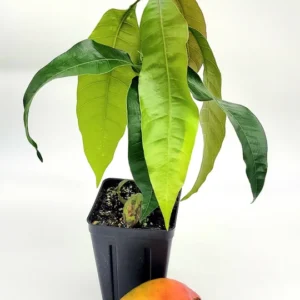
This offering is for a vibrant dwarf june plum tree, provided as a well-rooted 3-gallon live plant. When mature, and especially when maintained in a pot, this dwarf fruit tree typically reaches a height of 3-6 feet, making it an ideal size for patios, balconies, or smaller garden spaces. In optimal conditions and when planted in the ground, it may reach slightly larger sizes, but its dwarf nature keeps it manageable. The plant you receive will be a thriving specimen, ready to be transplanted into a larger container or directly into your garden, depending on your climate and preference. It is shipped as a potted plant, ensuring minimal stress during transit and a smooth transition to its new home.
The June Plum is known for its relatively fast growth rate once established, with fruit appearing at a young age. You can expect to see flowers and fruit within the first few years under good growing conditions. The fruit typically appears in pairs, offering a continuous harvest. While deciduous, shedding its leaves in winter, the unique characteristic of this plant is its ability to hold onto its fruit for several months after leaf drop, extending your enjoyment of this delicious fruit. This makes the edible june plum a truly special addition to your home orchard.
Frequently Asked Questions
- Q: How big does this plant get? A: This dwarf june plum tree typically reaches 3-6 feet in height when grown in a container, making it a manageable size for patios and small gardens. In optimal ground conditions, it may grow slightly taller but remains a compact fruit tree.
- Q: What size pot does it come in? A: The dwarf june plum tree is shipped as a well-rooted 3-gallon live plant, ready for transplanting into a larger container or directly into your garden.
- Q: Is this an indoor or outdoor plant? A: The June Plum thrives outdoors in USDA Zones 9-11. In cooler climates, it can be grown as a container plant and brought indoors during colder months. It adapts well to both environments with proper care.
- Q: How much sunlight does it need? A: This tree requires full sun exposure, ideally 6-8 hours of direct sunlight per day, to ensure healthy growth and abundant fruit production.
- Q: Is this plant easy to care for? A: With consistent watering, proper soil, and adequate sunlight, june plum tree care is relatively straightforward. It’s considered a good choice for gardeners looking for a rewarding edible plant.
- Q: What condition will it arrive in? A: Your dwarf june plum tree will arrive as a healthy, well-rooted live plant in its 3-gallon nursery pot, carefully packaged to ensure its safe journey.
- Q: Can I eat the fruit green? A: Yes, the fruit can be eaten green when it’s tart and crunchy, perfect for salads, pickles, or savory dishes. It ripens to a sweet, golden-yellow with a pineapple-mango flavor.
- Q: How long until it blooms and fruits? A: One of the remarkable qualities of this dwarf fruit tree is its ability to flower and fruit at a young age, often within the first few years of planting under good growing conditions.
- Q: Will it survive winter in my zone? A: It will survive winters outdoors in USDA Zones 9-11. If you are in a colder zone, you will need to provide winter protection or grow it as a container plant that can be moved indoors.
- Q: What does ‘deciduous’ mean for this plant? A: Deciduous means the plant will shed its leaves in winter. However, a unique feature of the edible june plum is that it can hold its fruit on the tree for up to 6-8 months even after the leaves have dropped.


Reviews
There are no reviews yet.