Overview
The dwarf nandina shrub, also known as Heavenly Bamboo (Nandina domestica ‘Compacta’), is a truly versatile and captivating ornamental plant that brings year-round beauty to any garden or landscape. Renowned for its vibrant foliage and compact growth habit, this live plant is an excellent choice for gardeners seeking low-maintenance yet high-impact visual appeal. While its common name suggests a bamboo-like appearance, it is not a true bamboo, offering a more refined and controlled presence in the garden. This particular variety, the dwarf nandina shrub, is celebrated for its ability to maintain a neat form without extensive pruning, making it a favorite for both novice and experienced gardeners. It’s a fantastic option for adding dynamic color and texture to various outdoor settings.
Originating from East Asia, Nandina domestica has been cultivated for centuries for its aesthetic qualities. The ‘Compacta’ cultivar specifically offers a smaller, denser growth, making it suitable for a wider range of applications, from intricate garden designs to simple patio containers. Its resilience and adaptability to different growing conditions further contribute to its popularity. When you choose a dwarf nandina shrub, you’re investing in a plant that promises consistent beauty throughout the seasons, with its striking foliage transitions and elegant form.
Key Benefits
The dwarf nandina shrub offers a multitude of benefits that make it a standout choice for various landscaping needs. Its adaptability and aesthetic appeal are just a few reasons why gardeners adore this plant. Here are some of the key advantages:
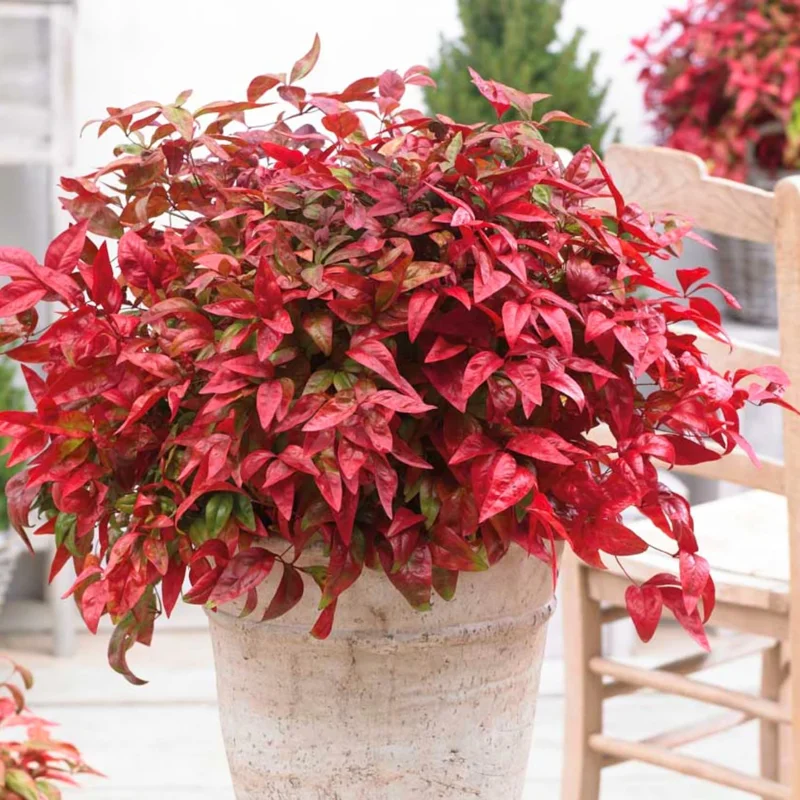
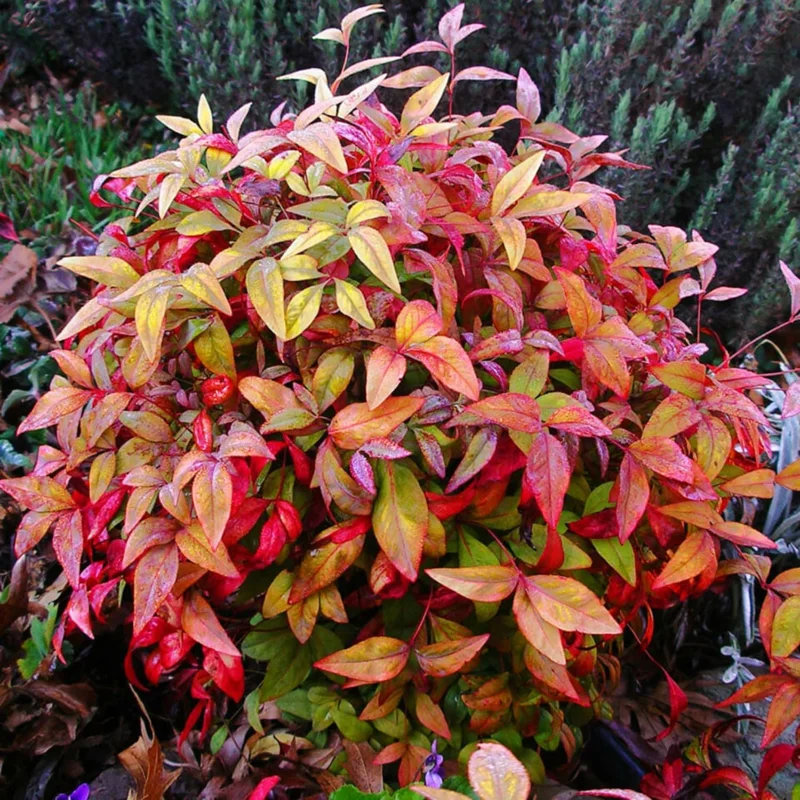
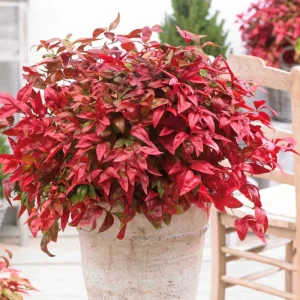
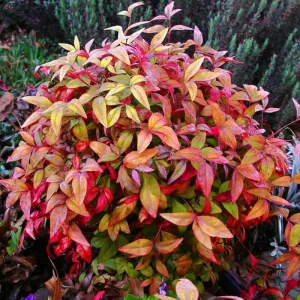
- Year-Round Color: Unlike many plants that offer seasonal interest, the dwarf nandina shrub provides vibrant color throughout the year. Its bright green leaves transition to stunning shades of red, purple, and orange in the fall and winter, ensuring your garden remains captivating even in colder months.
- Drought Tolerance: Once established, this shrub is highly drought-tolerant, making it an excellent choice for water-wise gardening and regions with limited rainfall. This reduces the need for frequent watering, saving both time and resources.
- Low Maintenance: The compact nature of this ornamental nandina plant means it requires minimal pruning to maintain its shape and size. It’s an easy-care plant that thrives with basic attention, perfect for busy gardeners.
- Versatile Landscaping Uses: Its manageable size and attractive foliage make it suitable for a wide array of landscape applications. Use it for borders, foundation plantings, container gardens, mass plantings, or as an accent plant.
- Adaptable to Various Conditions: The nandina bush can tolerate a range of soil types and light conditions, from full sun to partial shade, offering flexibility in placement within your garden design.
- Deer Resistant: Generally, nandinas are not a preferred food source for deer, which is a significant advantage for gardens in areas prone to deer browsing.
- Compact Growth Habit: Reaching a mature height of 18–24 inches, this dwarf variety maintains a neat and tidy appearance without becoming overgrown, making it ideal for smaller spaces or structured designs.
Plant Care & Growing Tips
Caring for your dwarf nandina shrub is straightforward, making it an excellent choice for both new and experienced gardeners. This resilient plant thrives with minimal fuss, provided its basic needs are met. For optimal growth and vibrant foliage, understanding its preferences is key. The first step to successful cultivation is selecting the right location. While the ornamental nandina plant can tolerate partial shade, it will exhibit the most intense fall and winter coloration when planted in full sun. Aim for at least 6 hours of direct sunlight per day to encourage the richest reds and purples in its foliage.
Watering is crucial during the establishment phase. Once planted, water regularly to keep the soil consistently moist but not waterlogged for the first few months. After it’s established, the nandina plant care becomes much simpler, as it becomes highly drought-tolerant, requiring only occasional watering during prolonged dry spells. Well-draining soil is paramount to prevent root rot; sandy loam or loamy soil with a neutral to slightly acidic pH is ideal. If your soil is heavy clay, amend it with organic matter to improve drainage. This plant thrives in USDA Zones 6–9, meaning it can withstand winter temperatures down to -10°F (-23°C). In colder zones, consider providing winter protection or growing it in a container that can be moved indoors.
Fertilization is generally not heavily required for the nandina bush. A balanced, slow-release fertilizer applied in early spring can promote vigorous growth, but avoid over-fertilizing, which can lead to excessive leggy growth. Pruning is minimal; simply remove any dead or damaged branches as needed. To encourage a bushier habit, you can lightly trim back new growth in late winter or early spring before new growth emerges. Pests and diseases are rarely an issue for this robust plant, further simplifying its care. By following these simple guidelines, your heavenly bamboo plant will flourish and provide stunning color for years to come.
Size & Details
This dwarf nandina shrub is typically offered as a live plant in a 4-inch nursery pot, providing a healthy, established start for your garden. Upon arrival, the plant will be ready for immediate planting in its permanent location, whether that’s in the ground or a larger container. These compact shrubs are known for their controlled growth, reaching a mature height of approximately 18–24 inches and a similar spread. This makes them perfectly suited for spaces where larger shrubs might overwhelm, such as under windows, along walkways, or in smaller garden beds. The moderate growth rate ensures it won’t outgrow its space quickly, requiring minimal intervention to maintain its desired size.
Each unit includes one live ornamental plant, carefully nurtured to ensure health and vitality. The robust root system within the 4-inch pot allows for a smooth transition to your garden environment. Expect the vibrant foliage to maintain its green hue through spring and summer, gradually intensifying to brilliant reds and oranges as autumn arrives and persists through winter. This consistent display of color is one of the hallmarks of the dwarf nandina shrub, providing continuous interest in your landscape. While it’s a relatively slow grower, its ultimate compact size and stunning seasonal transformation make it a valuable addition to any garden design.
Frequently Asked Questions
- Q: How big does this dwarf nandina shrub get? A: This dwarf variety typically reaches a mature height of 18–24 inches and a similar spread, making it a compact and manageable shrub for various garden applications.
- Q: What size pot does the ornamental nandina plant come in? A: The ornamental nandina plant is supplied as a live plant in a 4-inch nursery pot, perfectly sized for transplanting into your garden or a larger container.
- Q: Is this plant suitable for indoor or outdoor growing? A: The dwarf nandina shrub is primarily an outdoor plant, thriving in garden beds, borders, and outdoor containers within its recommended USDA hardiness zones.
- Q: How much sunlight does the nandina plant care require? A: For the best foliage color, especially the vibrant reds in fall and winter, provide full sun (at least 6 hours of direct sunlight daily). It can tolerate partial shade, but color may be less intense.
- Q: Is this nandina bush easy to care for, especially for beginners? A: Yes, the nandina bush is considered very easy to care for due to its drought tolerance, minimal pruning needs, and general resilience, making it an excellent choice for beginners.
- Q: What condition will my heavenly bamboo plant arrive in? A: Your live plant will arrive in a healthy, established condition within its 4-inch nursery pot, ready for planting and continued growth in your garden.
- Q: When is the best time to plant a dwarf nandina shrub? A: The best time to plant is in spring or early fall, allowing the plant sufficient time to establish its root system before extreme summer heat or winter cold.
- Q: Will this ornamental nandina plant survive winter in my climate? A: This shrub thrives in USDA Hardiness Zones 6–9. If you are within these zones, it should comfortably survive winter outdoors. In colder zones, consider winter protection or container planting.
- Q: Is the nandina plant care different if grown in a container? A: When growing in a container, ensure good drainage and monitor soil moisture more closely, as container plants tend to dry out faster than those in the ground.
- Q: Does the dwarf nandina shrub produce berries? A: While some nandina varieties produce red berries, the ‘Compacta’ cultivar is often selected for its foliage and may produce fewer or no berries, or they may be less prominent than other types.


Reviews
There are no reviews yet.