Overview
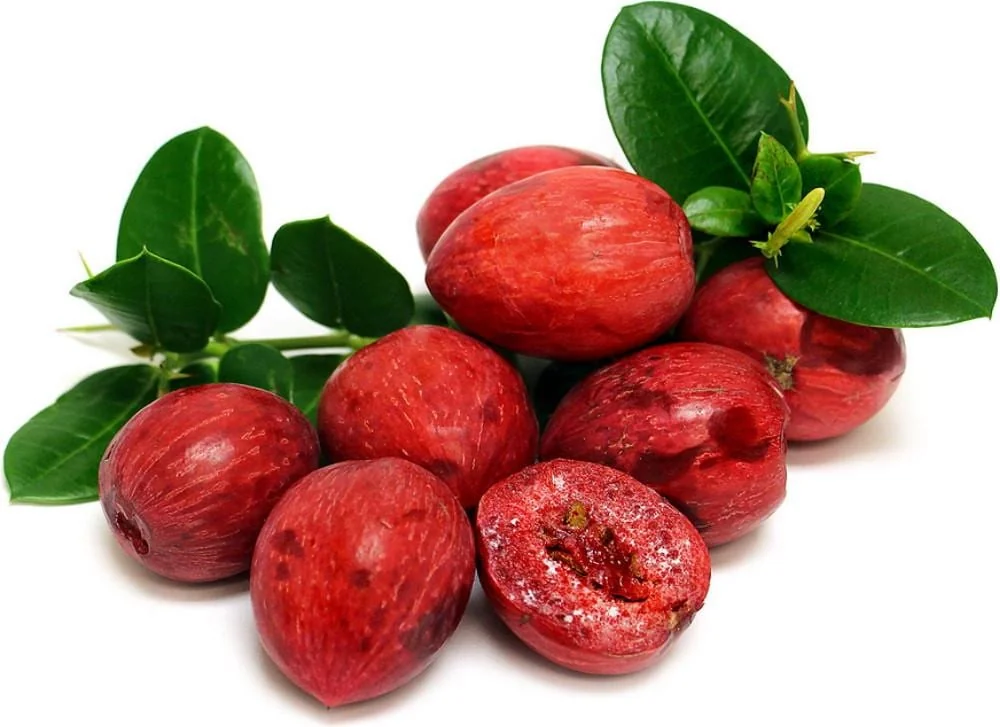
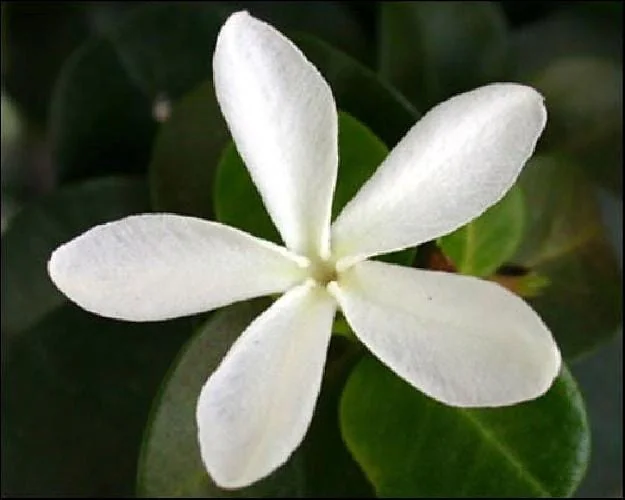
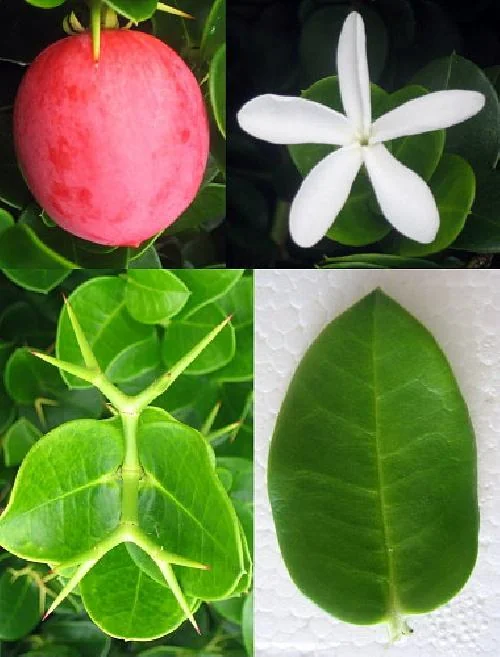
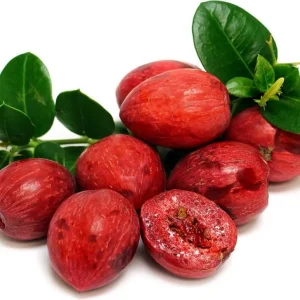
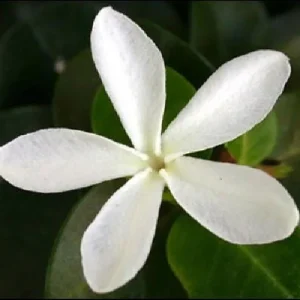
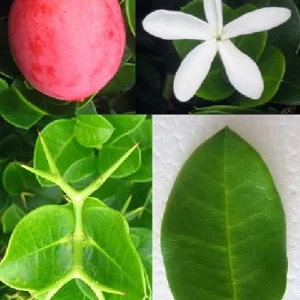
Bring the beauty and resilience of South Africa to your garden with the dwarf natal plum tree. Scientifically known as Carissa Macrocarpa plant, this charming shrub is celebrated for its dense, glossy deep-green foliage, often used to create natural hedges or as a striking free-standing ornamental. Its interestingly formed branches add architectural interest, even before its delicate white and pink flowers emerge, filling the air with a subtle, sweet fragrance. Following the bloom, the plant yields attractive 2-inch egg-shaped red fruits. These distinctive fruits are not only visually appealing but are also edible, offering a unique flavor profile often compared to cranberries, making them excellent for fresh consumption or for crafting delicious preserves. The dwarf natal plum tree is a live plant specimen, ready to establish itself in your landscape or as a versatile container plant.
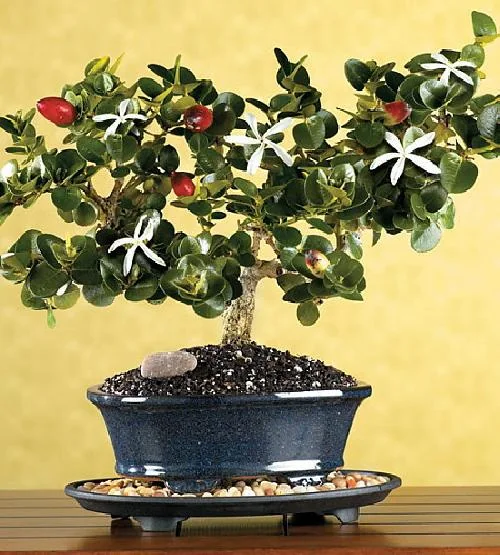
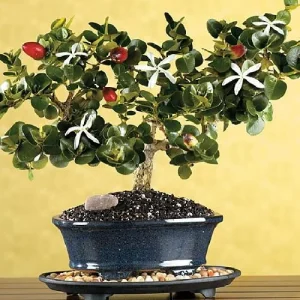
This robust shrub thrives in various conditions and is particularly noted for being a salt tolerant plant, making it an excellent choice for coastal regions or areas where irrigation water may have higher salinity. Its adaptability extends to cooler climates, where it can be successfully grown as a patio plant, a distinctive houseplant, or even meticulously shaped into a bonsai. Whether you’re looking for an attractive hedge, a unique edible landscape addition, or a resilient ornamental, the Carissa Macrocarpa plant offers a blend of beauty, utility, and hardiness that makes it a standout choice for gardeners of all levels.
Key Benefits
The dwarf natal plum tree offers a multitude of benefits, combining aesthetic appeal with practical advantages for any garden:
- Ornamental Beauty: With its shiny deep-green leaves and delicate white and pink flowers, the dwarf natal plum tree provides year-round visual interest. It can serve as an attractive hedge, a border plant, or a stunning specimen in a container.
- Edible Fruit Production: Enjoy the unique taste of its 2-inch egg-shaped red fruits. These tasty berries can be eaten fresh from the plant or used to make delicious cranberry-like preserves and jellies, adding a gourmet touch to your home. This makes it an excellent edible fruit plant for home gardeners.
- Salt Tolerance: Exceptionally resilient, this salt tolerant plant is perfect for coastal gardens or areas with poor soil conditions, enduring environments where many other plants struggle.
- Versatile Growth Habits: Adaptable to various forms, it can be pruned into a dense hedge, allowed to grow as a free-standing shrub, or even cultivated as a unique bonsai specimen, showcasing its interesting branch structure.
- Low Maintenance: Once established, the Carissa Macrocarpa plant is relatively low-maintenance, requiring minimal care while providing maximum impact, making it suitable for busy gardeners.
- Container Friendly: In cooler regions, the dwarf natal plum tree can be successfully grown in pots, allowing you to bring it indoors during winter or move it to protected areas.
- Drought Resistance: After establishment, this plant shows good drought tolerance, reducing the need for frequent watering and conserving water resources.
Plant Care & Growing Tips
Caring for your dwarf natal plum tree is relatively straightforward, ensuring it thrives and produces its beautiful foliage, flowers, and fruit. For optimal growth, provide plenty of sunlight. It performs best in full sun, which means at least 6-8 hours of direct sunlight per day. While it can tolerate partial shade, too little light may reduce flowering and fruiting. If growing indoors, place it near a south-facing window or under grow lights to ensure it receives adequate light. This hardy natal plum shrub adapts well to various conditions, but consistent care will yield the best results.
Watering should be consistent but allow the soil to dry out slightly between waterings. Overwatering can lead to root rot, so ensure good drainage. During hot, dry periods, more frequent watering may be necessary, especially for potted plants. In cooler regions or during winter dormancy, reduce watering. The Carissa Macrocarpa plant prefers well-draining soil. A sandy loam mixture is ideal, but it can adapt to other soil types as long as they drain efficiently. For potted plants, use a high-quality potting mix that offers good aeration and drainage. Fertilize in spring and mid-summer with a balanced, slow-release granular fertilizer or a liquid feed at half strength. Pruning can be done to maintain shape, size, or to encourage bushier growth. Remove any dead or diseased branches as needed. This edible fruit plant is relatively pest-resistant, but keep an eye out for common garden pests and address them promptly.
The dwarf natal plum tree is generally hardy and tolerant of a range of temperatures. It is best suited for USDA zones 9-11 for outdoor planting, where it can withstand mild frosts. In colder zones, it should be protected from freezing temperatures or grown in containers and brought indoors during winter. As a salt tolerant plant, it is an excellent choice for coastal areas, resisting the effects of salt spray and saline soils. Remember that while it is hardy, consistent care, especially during establishment, will ensure a robust and productive plant for many years.
Size & Details
This offering is for a dwarf natal plum tree, a vibrant Carissa Macrocarpa specimen, provided in a 6 inch pot. At this size, the plant is well-established and ready for transplanting into your garden or a larger decorative container. The growth rate is moderate, allowing it to reach its mature size within a few years with proper care. Typically, this shrub can grow to a height of 2-5 feet and spread equally wide, depending on pruning and environmental conditions. If used as a hedge, it can be maintained at a desired height and density through regular trimming. When grown as a bonsai, its size will be significantly smaller and controlled by specific pruning techniques.
The plant will arrive carefully packaged to ensure its health and vitality during transit. It is shipped as a live, potted plant, complete with its root ball and soil, minimizing transplant shock. Expect to see its characteristic glossy green leaves and, depending on the season, potentially developing flowers or small fruits. The edible fruit plant typically begins to flower in spring and continues through summer, with fruits maturing from summer into fall. Its robust nature and established pot size make it an excellent addition to any garden, providing immediate visual impact and the promise of future blooms and harvests.
Frequently Asked Questions
- Q: How big does this dwarf natal plum tree get? A: When grown outdoors, the dwarf natal plum tree typically reaches a mature height and spread of 2-5 feet. Its size can be controlled with regular pruning, making it versatile for hedges or smaller spaces.
- Q: What size pot does it come in? A: This Carissa Macrocarpa plant is shipped in a 6 inch pot, providing a good base for healthy root development and easy transplanting upon arrival.
- Q: Is this an indoor or outdoor plant? A: The dwarf natal plum tree is primarily an outdoor shrub suitable for USDA zones 9-11. In cooler regions, it can be grown as a patio plant or brought indoors as a houseplant during winter.
- Q: How much sunlight does it need? A: For best flowering and fruiting, this plant requires full sun, meaning at least 6-8 hours of direct sunlight daily. It can tolerate partial shade, but performance may be reduced.
- Q: Is this plant easy to care for? A: Yes, the dwarf natal plum tree is considered a low-maintenance plant once established. It tolerates various conditions, including being a salt tolerant plant, making it suitable for gardeners of all experience levels.
- Q: What condition will it arrive in? A: Your dwarf natal plum tree will arrive as a healthy, live potted plant, carefully packaged to ensure it reaches you in excellent condition, ready for planting.
- Q: Can I eat the fruit from the natal plum shrub? A: Yes, the 2-inch red, egg-shaped fruits are edible and have a tart, cranberry-like flavor. They are delicious fresh or can be used in preserves. This makes it a great edible fruit plant.
- Q: When is the best time to plant? A: The best time to plant your dwarf natal plum tree is in spring or early fall, allowing it time to establish before extreme temperatures. Potted plants can be transplanted almost any time of year.
- Q: Will it survive winter in my zone? A: The dwarf natal plum tree is hardy in USDA zones 9-11. If you are in a colder zone, it’s recommended to grow it in a container and provide winter protection or bring it indoors.
- Q: How often should I water my Carissa Macrocarpa plant? A: Water regularly, allowing the top inch or two of soil to dry out between waterings. Reduce watering frequency during cooler months or if grown indoors.


Reviews
There are no reviews yet.