Overview
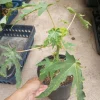
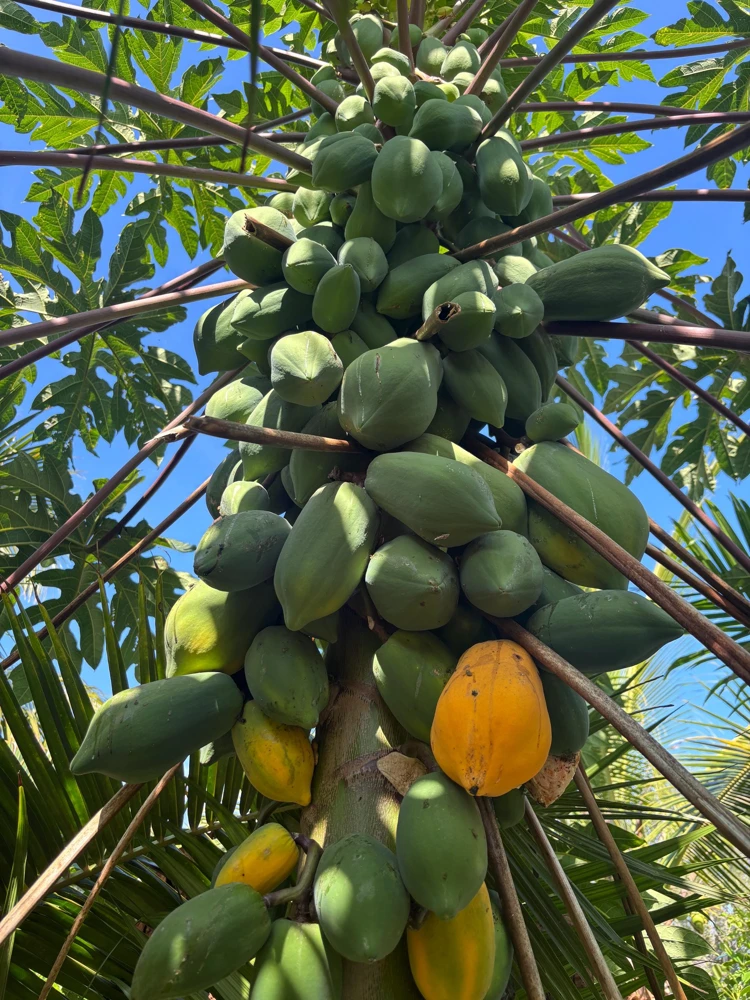
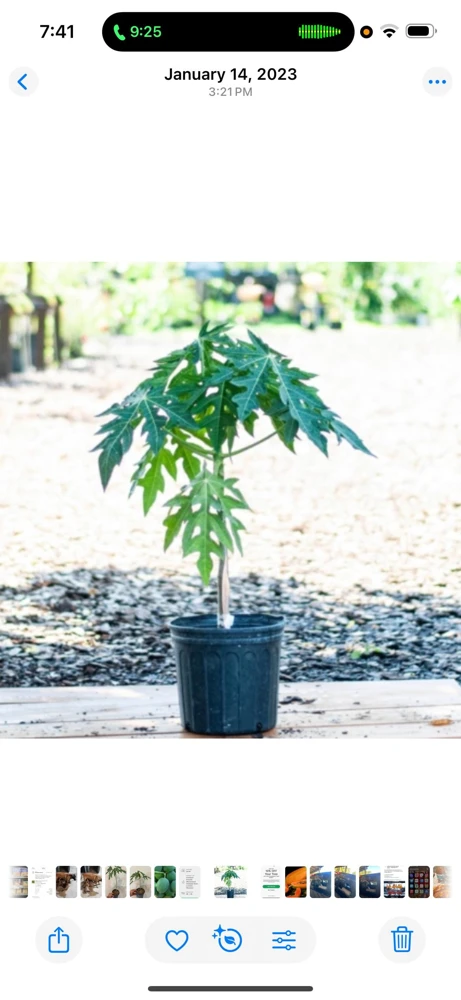
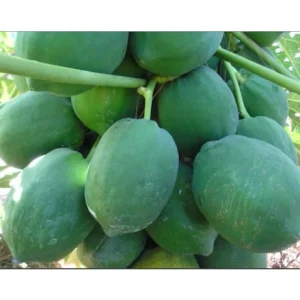
Cultivate your own tropical paradise with the exceptional dwarf papaya red lady live plant. This established 3-gallon tree offers a fantastic opportunity to grow delicious, sweet fruit right in your backyard or a large container. The ‘Red Lady’ variety is celebrated for its compact size, making it suitable for various garden spaces, while still delivering an abundance of high-quality papayas. Known botanically as Carica papaya ‘Red Lady’, this self-pollinating cultivar is a favorite among home gardeners for its reliability and delightful fruit. Unlike larger varieties, the red lady papaya typically reaches a manageable height of 8-10 feet, making harvesting a breeze. With proper care, you can look forward to enjoying its succulent, reddish-orange flesh soon after planting.
Key Benefits
The dwarf papaya red lady live plant offers numerous advantages for both seasoned gardeners and beginners alike. Its ease of growth and abundant yields make it a highly rewarding addition to any edible landscape.
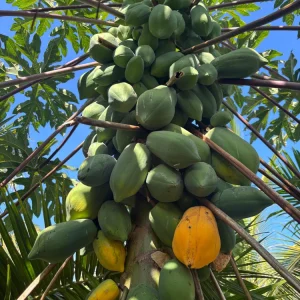
- Prolific Fruiting: This variety is renowned for its ability to produce a large quantity of fruit, often beginning in its first or second year, ensuring a steady supply of fresh papayas.
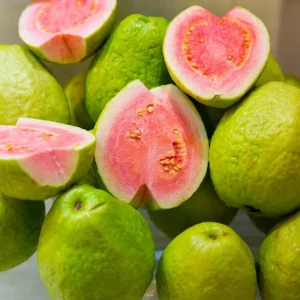
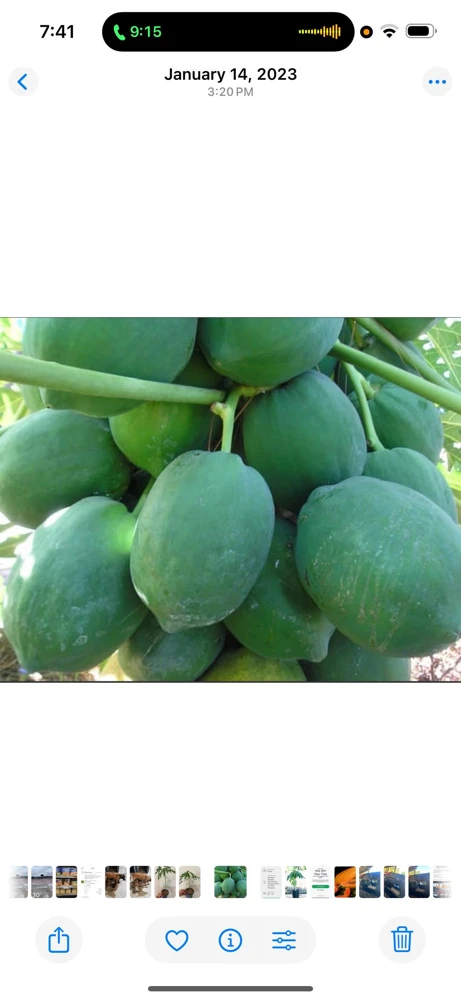
- Sweet, Delicious Flavor: The ‘Red Lady’ papaya boasts a wonderfully sweet, melon-like flavor with reddish-orange flesh, perfect for eating fresh, in smoothies, or in tropical salads.
- Compact Growth Habit: As a dwarf variety, it grows to a manageable height of 8-10 feet, making it ideal for smaller gardens, patios, or even growing in large pots, unlike larger, more unwieldy papaya trees.
- Established Plant: You receive an established 3 gallon papaya tree, which means it has a robust root system and is ready to thrive in its new home, significantly reducing the waiting time for fruit production.
- Self-Pollinating: The ‘Red Lady’ papaya is gynodioecious, meaning it has both female and hermaphrodite flowers on the same plant, ensuring successful fruit set without needing multiple plants for pollination.
- Nutrient-Rich Fruit: Papayas are packed with vitamins C and A, fiber, and antioxidants, offering a healthy and delicious addition to your diet.
- Tropical Aesthetic: Beyond its fruit, the lush, lobed leaves of the dwarf papaya red lady live plant add a beautiful, exotic touch to any garden or outdoor space.
Plant Care & Growing Tips
Caring for your dwarf papaya red lady live plant is straightforward if you provide it with the right conditions. Papayas thrive in warm, sunny environments, mimicking their tropical origins. For optimal growth and fruit production, select a location that receives at least 6-8 hours of direct sunlight daily. If growing indoors or in a greenhouse, ensure it gets ample light, possibly supplementing with grow lights during shorter days.
Watering is crucial for papaya trees, especially during dry spells and when the plant is actively fruiting. The soil should be kept consistently moist but never waterlogged, as this can lead to root rot. Good drainage is paramount; ensure your pot or garden bed has excellent drainage. A well-draining, rich, organic soil mix is ideal. Fertilize your papaya tree 3 gallon every 2-4 weeks during the growing season with a balanced fertilizer, reducing frequency in winter. Papayas are sensitive to cold and frost, so if you live in a region with chilly winters (below USDA Zone 9), consider growing your red lady papaya in a large container that can be moved indoors or protected during cold snaps. Protect young plants from strong winds which can damage their soft stems. Regularly check for pests and diseases, addressing any issues promptly to maintain plant health. Understanding how to grow papaya at home ensures a bountiful harvest.
Size & Details
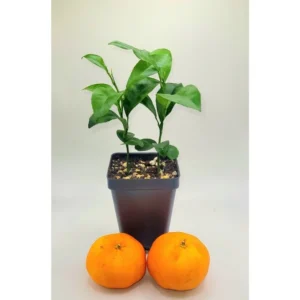
This offering includes an established dwarf papaya red lady live plant, delivered in a 3 gallon nursery pot. The plant has developed a strong root system and is ready for transplanting into a larger container or directly into your garden. ‘Red Lady’ papaya trees typically grow to a mature height of 8-10 feet (approximately 2.4-3 meters) and can spread 3-5 feet (0.9-1.5 meters) wide. The fruit size usually ranges from 1-3 pounds (0.45-1.36 kg) and begins to ripen within 1-2 years of planting. With proper care, you can expect a continuous harvest throughout the warmer months. This established plant provides a significant head start compared to growing from seed, allowing you to enjoy fresh, sweet papaya fruit sooner.
Frequently Asked Questions
- Q: How big does this dwarf papaya red lady live plant get? A: The ‘Red Lady’ dwarf papaya typically grows to a manageable height of 8-10 feet (2.4-3 meters) with a spread of 3-5 feet (0.9-1.5 meters), making it suitable for home gardens and large containers.
- Q: What size pot does it come in? A: This papaya tree 3 gallon is delivered in an established 3-gallon nursery pot, ensuring a robust and healthy start for your plant.
- Q: Is this an indoor or outdoor plant? A: While it thrives outdoors in warm, frost-free climates (USDA Zones 9-11), it can be grown in a large container and moved indoors or protected during colder months for those in cooler regions.
- Q: How much sunlight does it need? A: For optimal growth and fruit production, the ‘Red Lady’ papaya requires at least 6-8 hours of direct sunlight per day.
- Q: Is this plant easy to care for? A: Yes, the dwarf papaya red lady live plant is considered relatively easy to care for, especially in suitable climates. Consistent watering, good drainage, and ample sunlight are key for successfully growing papaya at home.
- Q: How long until it produces fruit? A: This established plant can begin producing the sweet papaya fruit within its first or second year after planting, much faster than starting from seed.
- Q: Will it survive winter in my zone? A: It is best suited for USDA Zones 9-11. If you live in a colder zone, you will need to provide winter protection or grow it in a container that can be brought indoors.
- Q: What is the average weight of the fruit? A: The fruit from the red lady papaya typically weighs between 1-3 pounds (0.45-1.36 kg) each, offering a substantial and delicious harvest.
- Q: Is it good for beginners? A: Absolutely! Its established size and reliable fruiting make it an excellent choice for beginners interested in growing tropical fruit trees.
- Q: What kind of soil does it prefer? A: This plant thrives in rich, well-draining soil with a slightly acidic to neutral pH. Amend heavy clay soils with organic matter to improve drainage.


Reviews
There are no reviews yet.