Overview
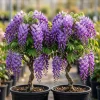
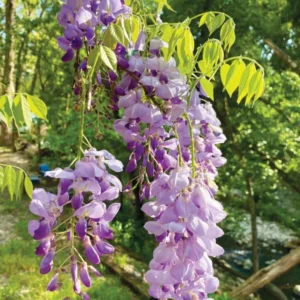
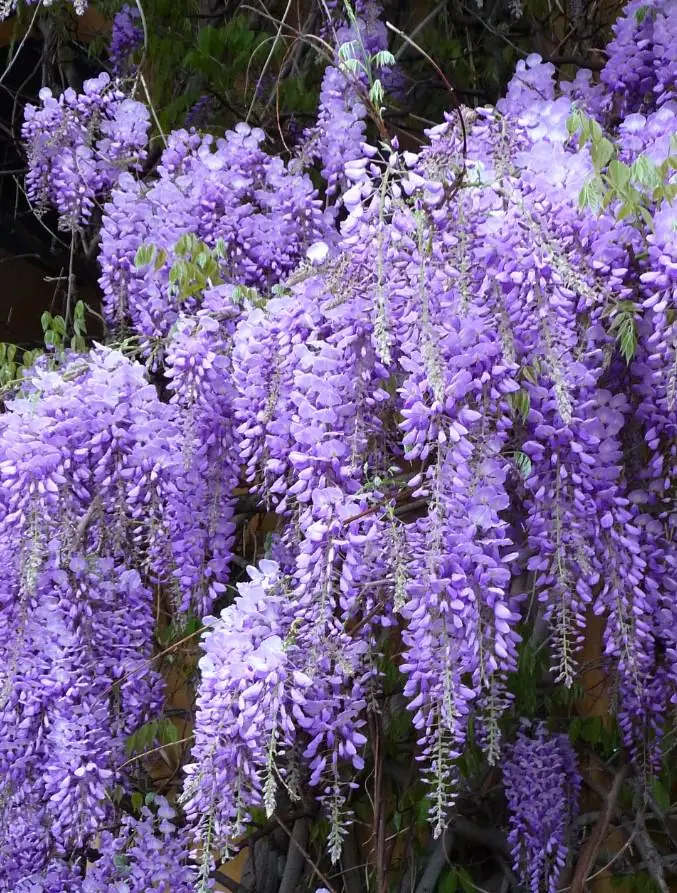
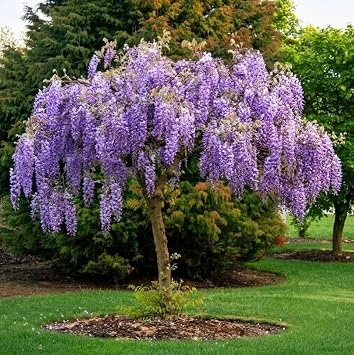
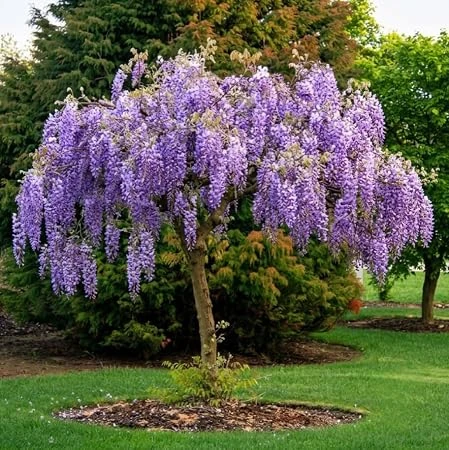
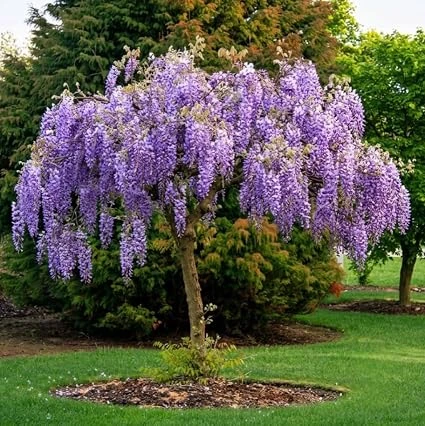
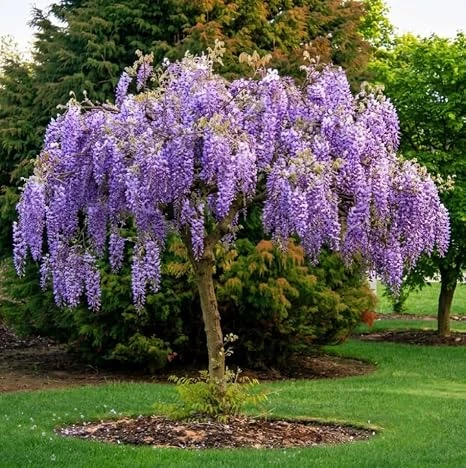
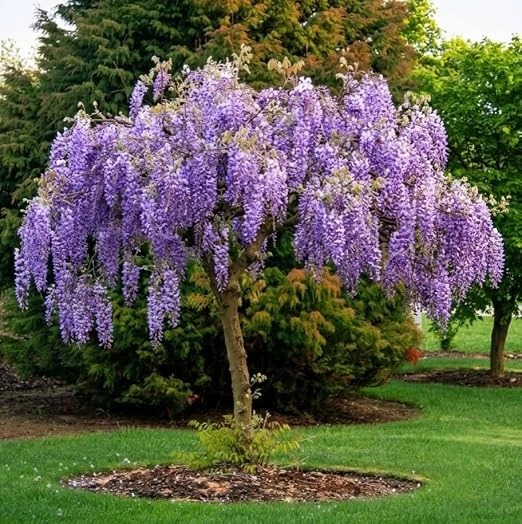
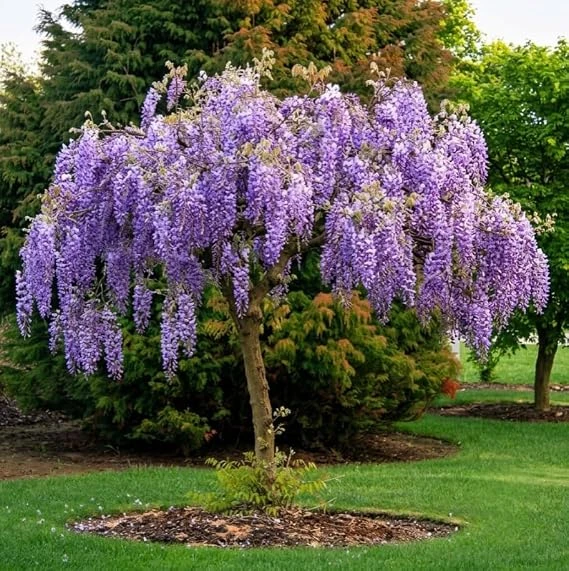
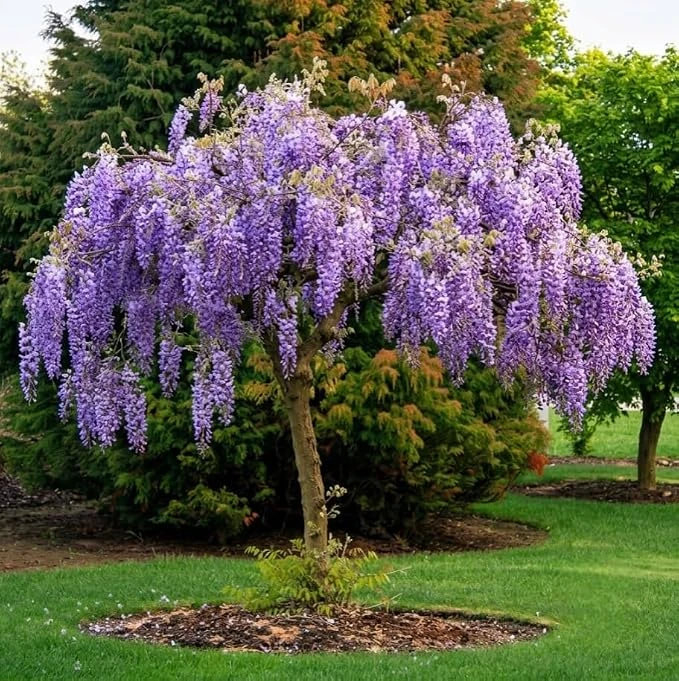
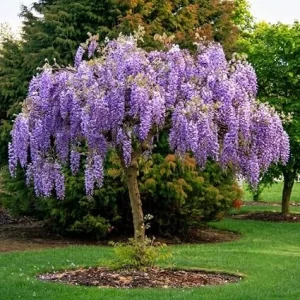
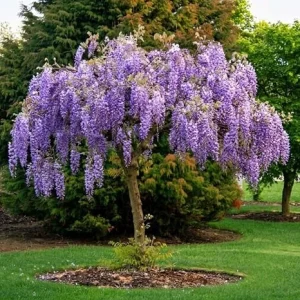
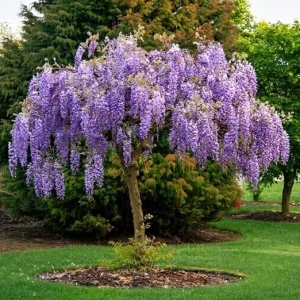
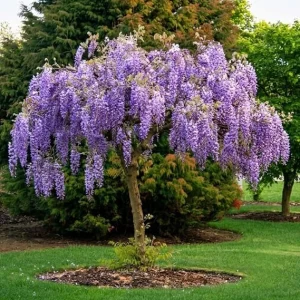
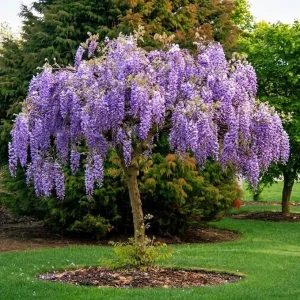
Transform your garden into a fragrant, visual masterpiece with this exquisite dwarf wisteria live plant. Celebrated for its breathtaking cascades of fragrant blue to violet pea-shaped blooms, this hardy deciduous climbing shrub is a showstopper in any outdoor space. Whether trained along a trellis, fence, pergola, or garden wall, the Wisteria ‘Dwarf Purple’ (likely a specific cultivar of Wisteria sinensis or Wisteria floribunda) offers a stunning display of color and aroma. Each plant arrives as a well-established start, typically standing 7–12 inches tall in a 2.5-inch pot, ready to be nurtured into a magnificent flowering vine. Its vigorous growth habit and stunning floral display make it a popular choice for gardeners seeking to add vertical interest and a touch of romance to their landscapes.
This particular dwarf variety provides the same enchanting beauty as its larger counterparts but in a more manageable size, making it suitable for smaller gardens, containers, or areas where space is a consideration. Enjoy the lush foliage and the abundant clusters of flowers that drape gracefully, creating a picturesque scene. The captivating fragrance of the purple wisteria vine will fill your garden, attracting pollinators and delighting visitors throughout its blooming season. It’s a truly rewarding plant for both novice and experienced gardeners.
Key Benefits
Choosing a dwarf wisteria live plant for your garden brings a multitude of benefits, combining aesthetic appeal with robust growth and delightful sensory experiences. This plant is not just a visual treat but also a versatile addition to various garden designs.
- Stunning Floral Display: Enjoy spectacular cascades of fragrant violet to purple flowers that create a dramatic and elegant focal point in any garden. The abundance of blooms is truly captivating.
- Vigorous Climbing Habit: As a hardy climbing wisteria, it’s perfect for training over structures like pergolas, arbors, fences, and walls, providing natural shade and vertical interest. Its strong tendrils will quickly latch on and grow.
- Fragrant Blooms: The enchanting, sweet scent of its flowers fills the air during spring and early summer, enhancing the sensory experience of your outdoor living spaces. It’s a natural air freshener for your garden.
- Attracts Pollinators: The vibrant flowers are a magnet for bees, butterflies, and hummingbirds, contributing to the biodiversity and health of your garden ecosystem. Support local wildlife with this beautiful vine.
- Long-Lived & Hardy: Wisteria plants are known for their longevity and resilience, thriving for many years with proper care and becoming a permanent, cherished feature of your landscape. This makes it a great investment for your garden.
- Versatile Landscaping: Ideal for creating living tunnels, shaded seating areas, or softening harsh architectural lines, offering immense flexibility in garden design. Its adaptability makes it a favorite among landscapers.
- Easy to Establish: Arriving as a well-rooted plant in a small pot, it offers an excellent start for gardeners, ensuring easier establishment and quicker growth in its new home. Get a head start on your beautiful garden.
Plant Care & Growing Tips
Caring for your dwarf wisteria live plant is straightforward, and with the right conditions, it will reward you with abundant, fragrant blooms. This violet flowering shrub thrives when its basic needs are met, ensuring a vigorous and healthy vine for years to come. Wisteria requires full to partial sun, meaning it needs at least 6 hours of direct sunlight per day for optimal flowering. While it can tolerate some shade, too little sun will result in fewer blooms. Ensure it’s planted in a location where it can soak up plenty of light.
When it comes to watering, keep the soil consistently moist, especially during its active growing season and dry spells. However, good drainage is crucial to prevent root rot. Wisteria prefers moist clay to sandy soil with good drainage, indicating a versatile tolerance for various soil types as long as they don’t remain waterlogged. Fertilize in early spring with a balanced, low-nitrogen fertilizer to encourage flowers over excessive foliage. Pruning is essential for both shaping the plant and promoting flowering; prune established plants twice a year, in late winter and again in mid-summer, to control growth and encourage flower bud formation. This diligent pruning is key to a spectacular display. Understanding wisteria plant care will ensure your vine flourishes.
Wisteria is generally hardy and can withstand a range of temperatures, making it suitable for many climates. It’s important to protect young plants from extreme cold, but established plants are quite resilient. Monitor for common pests like aphids or scale and treat as necessary with organic pest control methods. Providing a strong support structure from the beginning is vital, as wisteria is a vigorous climber with heavy woody stems. With these care tips, your wisteria will thrive and become a magnificent focal point in your garden.
Size & Details
This dwarf wisteria live plant is delivered as a healthy, well-rooted specimen, typically standing 7–12 inches tall upon arrival. It comes nestled in a 2.5-inch nursery pot, providing a solid foundation for transplanting into your garden or a larger container. While currently compact, this vigorous climbing plant has the potential to reach impressive dimensions. Wisteria will grow 10 to 20 feet high and 4 to 30 feet wide when mature, depending on the support structure and pruning. Its robust growth rate means you’ll see significant development within the first few seasons, quickly establishing its presence in your landscape.
The plant is shipped ready for immediate planting outdoors, ideally in spring to early summer. Expect the first significant blooms within 2-3 years, although some plants may flower sooner under optimal conditions. Its deciduous nature means it will lose its leaves in winter, revealing its interesting woody structure, and then burst forth with new foliage and stunning flowers in the spring. This violet flowering shrub is a long-term investment that will continue to enhance your garden’s beauty for decades.
Frequently Asked Questions
- Q: How big does this plant get? A: This dwarf wisteria live plant arrives 7-12 inches tall. When mature, it can reach heights of 10 to 20 feet and spread 4 to 30 feet wide, depending on growing conditions and pruning.
- Q: What size pot does it come in? A: Each plant is shipped in a 2.5-inch nursery pot, providing a healthy start for your garden. We recommend transplanting it into a larger pot or directly into the ground upon arrival.
- Q: Is this an indoor or outdoor plant? A: This purple wisteria vine is an outdoor plant, best suited for gardens, trellises, fences, and pergolas where it can receive ample sunlight and space to climb. It is not typically grown as an indoor houseplant.
- Q: How much sunlight does it need? A: Wisteria thrives in full to partial sun, requiring at least 6 hours of direct sunlight per day to produce its best blooms. More sun generally leads to more abundant flowering.
- Q: Is this plant easy to care for? A: While wisteria is a vigorous grower, understanding wisteria plant care, especially regarding pruning and providing a sturdy support, makes it manageable. It’s considered moderately easy to care for once established.
- Q: What condition will it arrive in? A: Your hardy climbing wisteria will arrive as a healthy, well-established plant in its nursery pot, carefully packaged to ensure its safe journey to your home. We take great care in preparing our plants for shipping.
- Q: Is it shipped in soil? A: Yes, the plant is shipped in its original nursery pot with soil, ensuring it stays hydrated and healthy during transit. This allows for a smooth transition to your garden.
- Q: How long until it blooms? A: Typically, wisteria plants begin to bloom within 2-3 years after planting. Optimal conditions and proper pruning can sometimes encourage earlier flowering for this violet flowering shrub.
- Q: When is the best time to plant? A: The best time to plant your dwarf wisteria is in the spring to early summer, after the last frost has passed. This gives the plant ample time to establish its root system before winter.
- Q: Will it survive winter in my zone? A: Wisteria is a hardy deciduous plant and can survive winters in many USDA zones. It is important to know your specific USDA hardiness zone to ensure it will thrive in your climate.
- Q: What’s the minimum temperature it can tolerate? A: Most wisteria varieties are hardy down to USDA Zone 5, meaning they can tolerate winter temperatures as low as -20°F to -10°F (-29°C to -23°C) once established.


Reviews
There are no reviews yet.