Overview
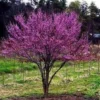
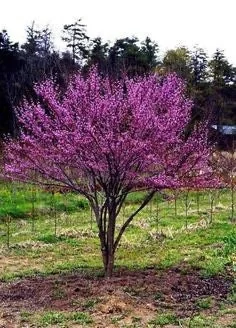
Discover the charm of the American landscape with our 5-pack of Eastern Redbud bare root seedling plants. Each purchase provides you with 5 vigorous 6-18 inch bare root plants of Cercis canadensis, commonly known as the Eastern Redbud. This magnificent native tree is celebrated for its breathtaking display of purple-pink flowers that emerge directly on its branches in early spring, even before the leaves unfurl. A truly iconic North American species, the Eastern Redbud bare root seedling grows into a small, elegant tree, offering not just spectacular spring blooms but also attractive heart-shaped leaves that turn a lovely yellow in autumn. It’s a fantastic choice for adding year-round beauty and ecological value to your garden or landscape, attracting pollinators and providing a vital food source for local wildlife. This economical and effective way to establish this beautiful tree allows for a strong root system to develop once planted.
Whether you’re aiming to create a naturalized woodland garden, a striking specimen tree, or a vibrant border, the Eastern Redbud bare root seedling is an excellent foundation for a thriving outdoor space. Its relatively compact size makes it suitable for various garden designs, from spacious yards to more intimate settings, providing shade and ornamental interest. The Eastern Redbud is a deciduous wonder, known for its adaptability and resilience across various climates.
Key Benefits
Choosing an Eastern Redbud bare root seedling offers numerous advantages for your garden and the environment. These native flowering tree plants are a fantastic investment for both aesthetic appeal and ecological contribution.
- Stunning Spring Blooms: Enjoy an early spring spectacle of delicate, pea-like purple-pink flowers that cover the branches, creating a breathtaking display before other trees begin to leaf out. This vibrant color makes the Eastern Redbud bare root seedling a focal point in any landscape.
- Native & Adaptable: As a native North American species, the Eastern Redbud is well-adapted to various climates and soil conditions, thriving in USDA Zones 4-9. This makes it a robust and reliable choice for most gardens, requiring minimal specialized Redbud tree care.
- Attracts Pollinators: The early spring flowers are a crucial food source for bees and other early-season pollinators, supporting local ecosystems and encouraging biodiversity in your yard. Planting these seedlings contributes to a healthier local environment.
- Attractive Foliage & Fall Color: Beyond its flowers, the tree boasts beautiful heart-shaped leaves that provide lush green shade throughout the summer, transforming into a brilliant yellow in the fall for continued seasonal interest. This offers multi-season appeal.
- Compact Size for Versatility: Growing to a moderate height, the Eastern Redbud is perfect as a specimen tree, understory tree, or even in group plantings, fitting well into various garden designs without overwhelming the space. Its versatile nature makes it a popular choice.
- Low Maintenance: Once established, these trees are relatively low-maintenance, requiring minimal care and offering good disease resistance, making Redbud tree care straightforward for gardeners of all experience levels. It’s an easy-to-grow option.
- Erosion Control: Its fibrous root system can help stabilize soil, making it a good choice for sloped areas or erosion-prone spots. This ecological benefit adds to its value beyond aesthetics.
Plant Care & Growing Tips
Proper Redbud tree care starts with understanding its basic needs. The Eastern Redbud thrives in full sun to partial shade. For the most abundant blooms, aim for at least 6 hours of direct sunlight per day. While it can tolerate some shade, too much shade can reduce flowering. When planting your Eastern Redbud bare root seedling, ensure the location has well-draining soil. These trees are adaptable to a range of soil types, including clay, loam, and sandy soils, but they do not tolerate consistently wet conditions. Once established, they are reasonably drought-tolerant, but regular watering during dry spells, especially in their first few years, will promote stronger growth.
Watering is crucial immediately after planting your bare root seedlings. Keep the soil consistently moist but not waterlogged until the tree is well-established, typically through its first growing season. After that, water deeply once a week during dry periods. Fertilization is generally not required if your soil is reasonably fertile; however, if growth appears slow, a balanced, slow-release granular fertilizer can be applied in early spring before new growth begins. Pruning should be done in late winter or early spring to remove any dead, damaged, or crossing branches. Avoid heavy pruning, as the tree tends to bleed sap. The Cercis canadensis is hardy in USDA Zones 4-9, making it a robust choice for a wide range of climates. Protecting young trees from deer browsing might be necessary in some regions. Understanding this bare root planting guide will set your trees up for success, ensuring your plants flourish.
Size & Details
This offering includes 5 individual Eastern Redbud bare root seedling plants, each measuring between 6-18 inches in height. These bare root plants are dormant and ship without soil or a container, making them lighter to ship and easier to plant upon arrival. The bare root format encourages rapid root establishment once planted in your garden. When mature, the Eastern Redbud typically grows to a height of 20-30 feet with a spread of 25-35 feet, forming a lovely rounded to vase-shaped canopy. It has a moderate growth rate, usually adding 12-24 inches of height per year. Expect the first stunning spring blooms within 3-5 years after planting, with the tree reaching its full ornamental potential in 10-15 years. This native flowering tree is an investment that will provide beauty for decades to come, enhancing your landscape with minimal Redbud tree care after establishment.
Frequently Asked Questions
- Q: How big does this Eastern Redbud bare root seedling get? A: Each seedling is 6-18 inches tall upon arrival. When mature, the Eastern Redbud typically grows to a height of 20-30 feet with a spread of 25-35 feet, forming a beautiful small tree.
- Q: Is this an indoor or outdoor plant? How much sunlight does it need? A: The Eastern Redbud is an outdoor tree. It thrives best in full sun to partial shade, ideally receiving at least 6 hours of direct sunlight per day for optimal flowering.
- Q: Is this tree easy to care for? Is it good for beginners? A: Yes, once established, the Eastern Redbud is considered relatively low-maintenance and is a good choice for beginners. Following a simple Redbud tree care routine ensures its health and vigor.
- Q: What condition will the bare root seedlings arrive in? A: Your 5-pack of Eastern Redbud bare root seedling plants will arrive dormant, without soil or a container. They are carefully packaged to ensure their roots remain viable for planting.
- Q: When is the best time to plant a bare root Eastern Redbud? A: The best time for bare root planting guide for Eastern Redbuds is in early spring, after the last hard frost but before the tree breaks dormancy and begins to leaf out. Fall planting is also possible in milder climates.
- Q: Will it survive winter in my zone? What’s the minimum temperature? A: The Cercis canadensis is hardy in USDA Zones 4-9. This means it can tolerate winter temperatures down to approximately -30 to -20 degrees Fahrenheit (-34 to -29 degrees Celsius) in Zone 4.
- Q: What is the typical growth rate of an Eastern Redbud? A: Eastern Redbuds have a moderate growth rate, usually adding about 12-24 inches of height per year under good growing conditions.
- Q: Does this tree attract wildlife? A: Yes, the early spring flowers are a significant nectar source for bees and other pollinators. The seed pods also provide food for birds and small mammals in the fall and winter.
- Q: What type of soil is best for an Eastern Redbud? A: This tree prefers well-draining soil and is adaptable to various soil types, including sandy, loamy, or clay soils. Ensure the planting site does not have standing water.
- Q: How often should I water my new Eastern Redbud bare root seedling? A: During its first growing season, keep the soil consistently moist but not waterlogged. Water deeply 1-2 times per week, especially during dry periods, to encourage strong root development.


Reviews
There are no reviews yet.