Overview
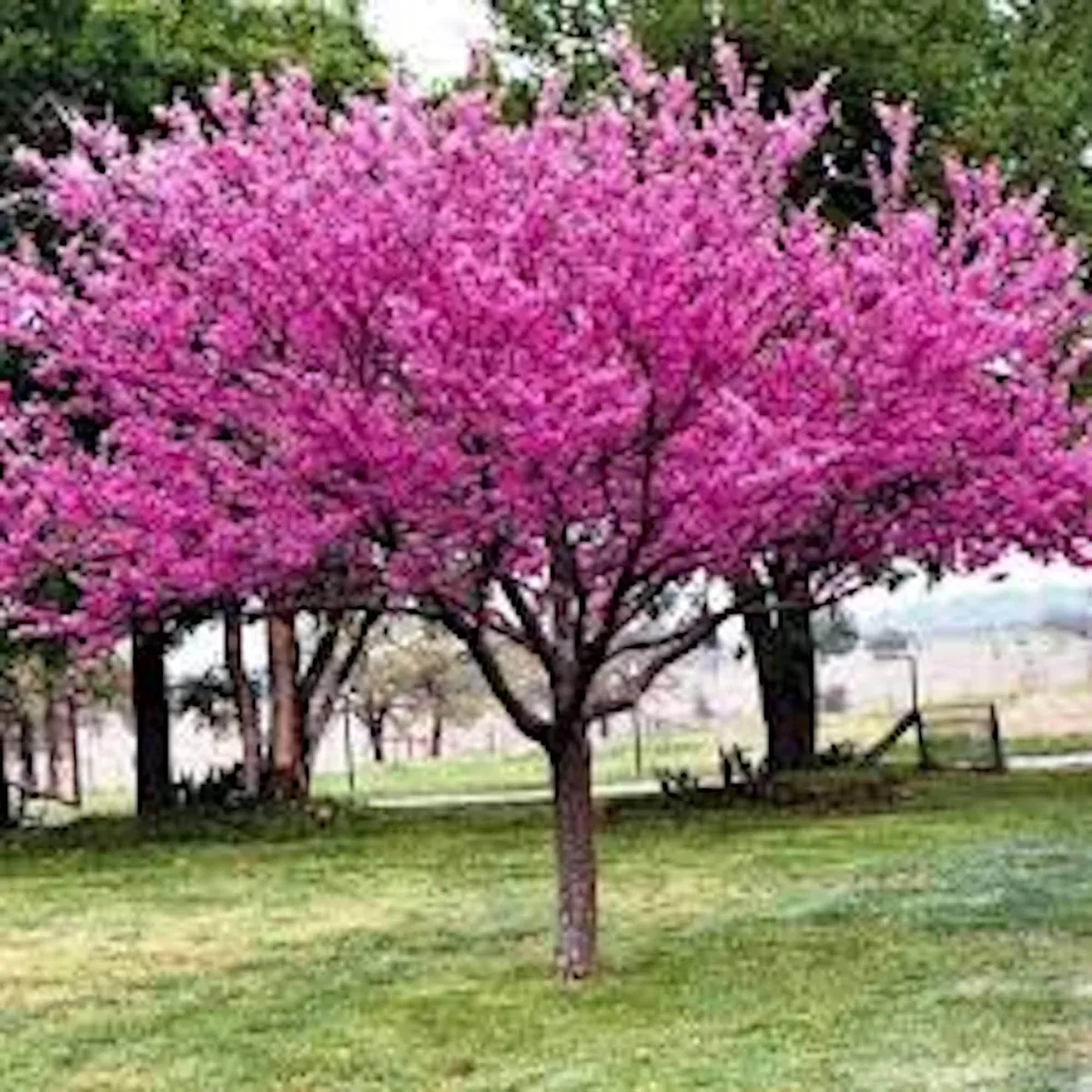
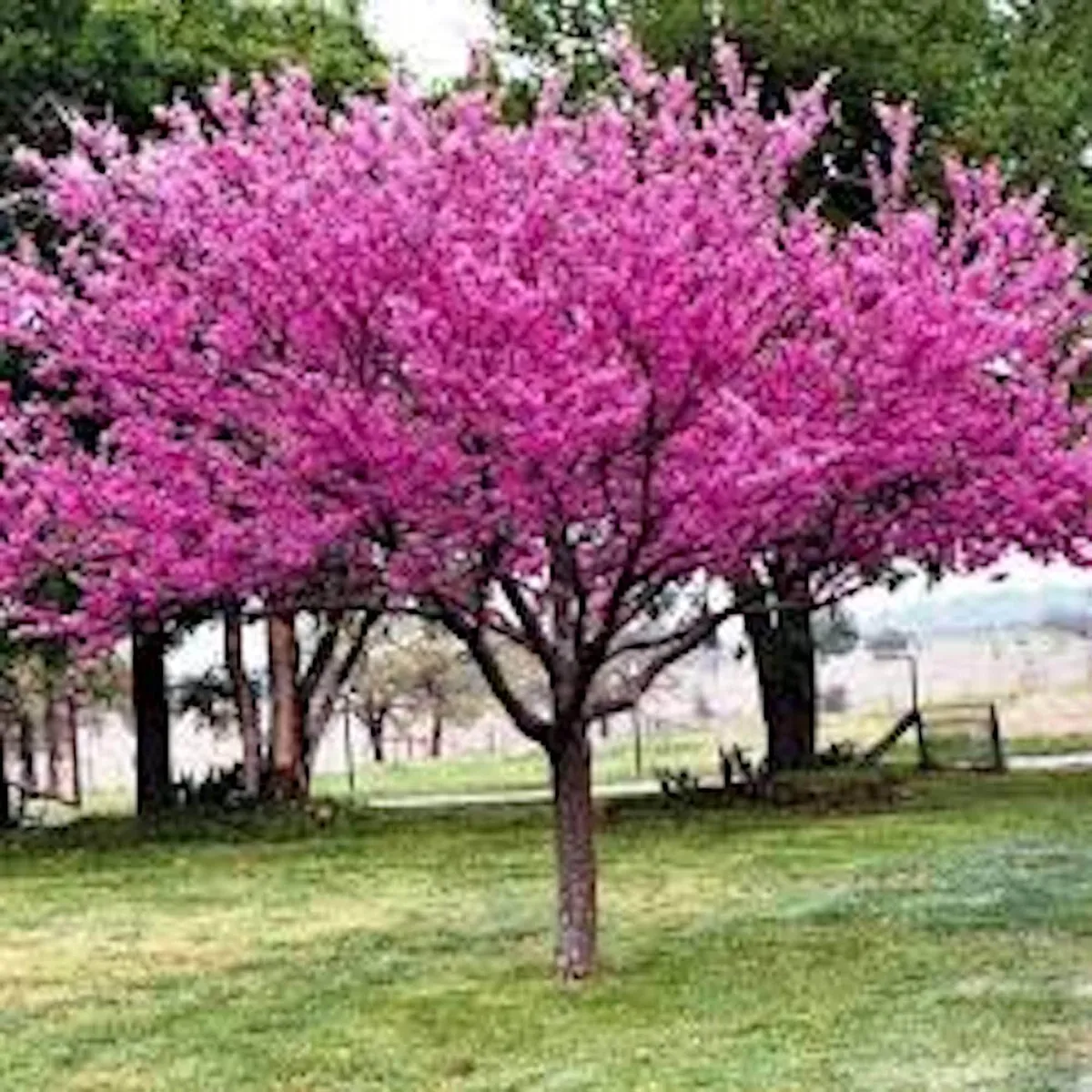
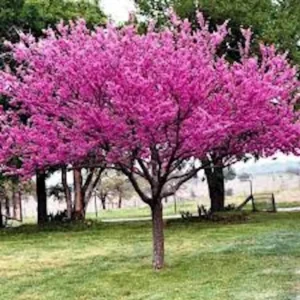
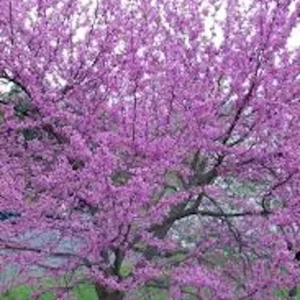
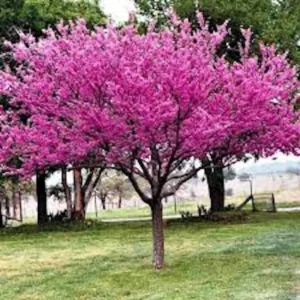
Transform your garden with the breathtaking beauty of an Eastern Redbud bare root tree. This deciduous tree, scientifically known as Cercis canadensis, is a true harbinger of spring, adorning its branches with a profusion of vibrant pinkish-purple flowers before its leaves even emerge. Our 12-24 inch tall bare root specimen provides an excellent foundation for a robust and healthy tree that will become a focal point in your landscape for years to come. Native to eastern and central North America, the Eastern Redbud is a beloved choice for its ornamental value, adaptability, and ease of care. It takes the form of a large shrub or small tree, making it versatile for various garden sizes and designs. This live plant is a fantastic addition for anyone looking to add early spring color and graceful form to their outdoor space.
The Eastern Redbud bare root tree is renowned for its distinctive heart-shaped leaves, which emerge after the spectacular floral display, transitioning from reddish-purple to a rich green in summer, and finally to a lovely yellow in autumn. This multi-season interest ensures your garden remains captivating throughout the year. Often referred to simply as Redbud or Judas Tree, Cercis canadensis is an excellent choice for naturalized settings, woodland gardens, or as a specimen tree. Its moderate size and attractive branching habit make it suitable for planting near patios or as part of a mixed border. When you choose a Cercis canadensis for sale, you’re investing in a piece of natural American beauty that provides habitat and food for local wildlife, including pollinators attracted to its early blooms.
Key Benefits
The Eastern Redbud bare root tree offers a multitude of benefits, making it a highly desirable addition to any landscape. Its striking appearance and ecological contributions are just a few reasons why gardeners adore this native species. Choosing a native Redbud tree means you’re selecting a plant well-suited to local conditions.
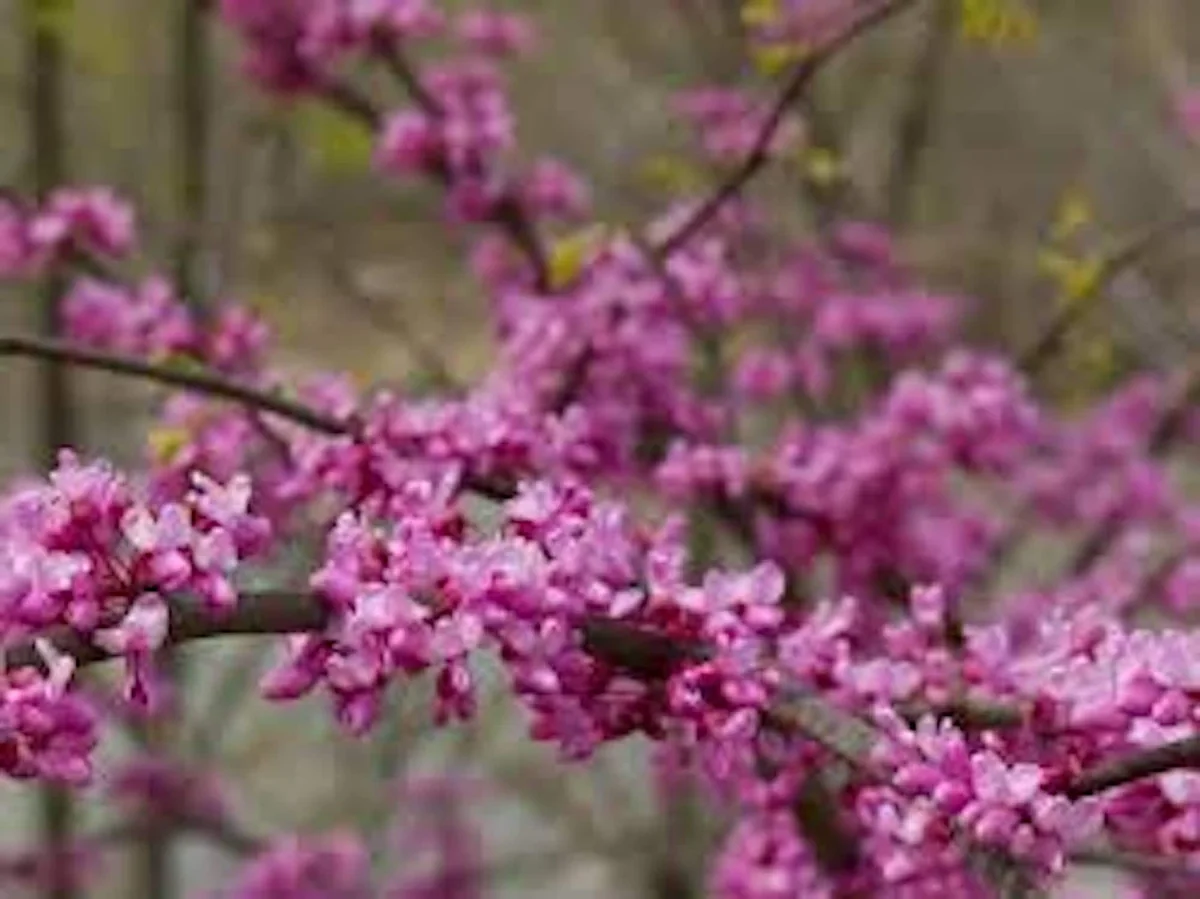
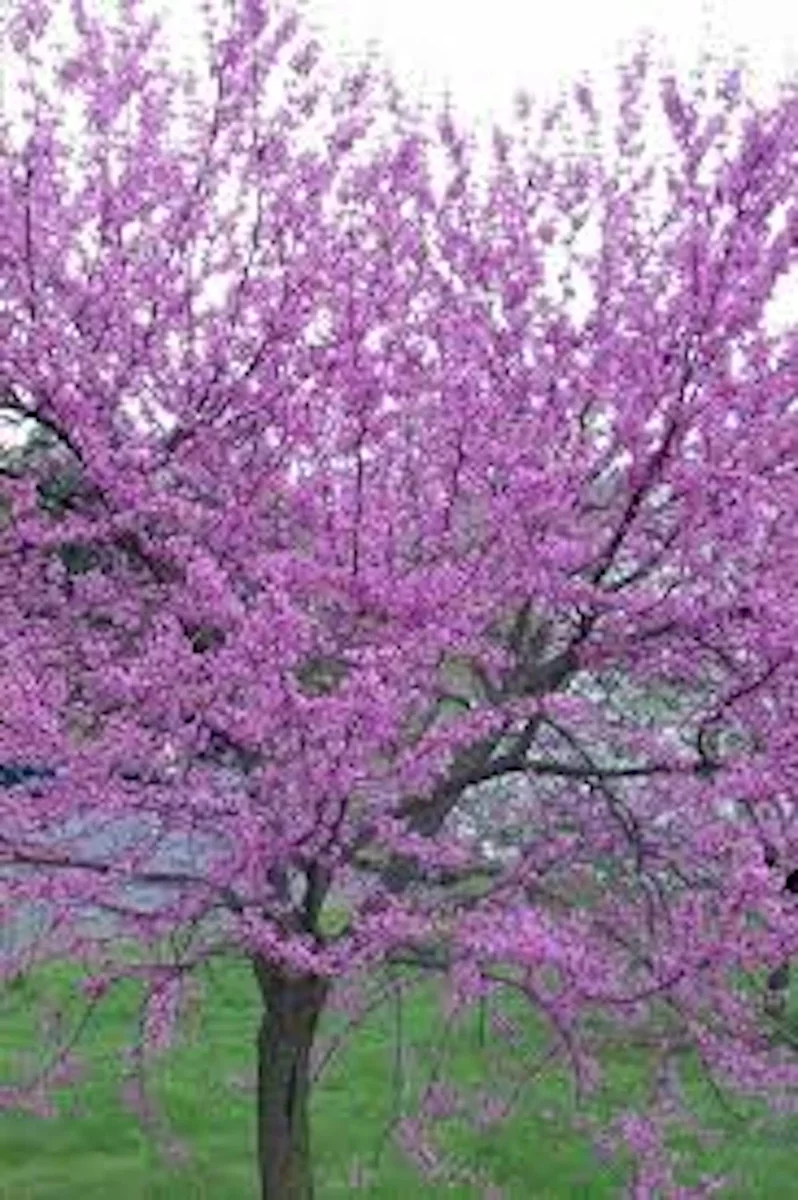
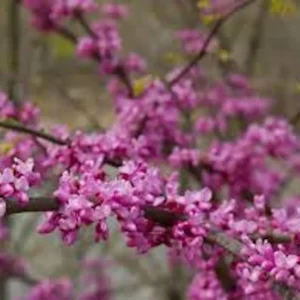
- Spectacular Spring Blooms: Enjoy an explosion of vibrant pinkish-purple flowers in early spring, often before other trees have leafed out. These pea-like blossoms grow directly on the branches and even the trunk, creating a stunning visual display that signals the end of winter.
- Multi-Season Interest: Beyond its showy flowers, the Eastern Redbud offers attractive heart-shaped foliage that provides a lush green canopy in summer, turning to brilliant yellow in the fall, ensuring year-round appeal.
- Wildlife Attractor: The early spring flowers are a vital nectar source for bees and other pollinators, while its seeds provide food for birds, contributing to local biodiversity.
- Adaptable & Resilient: This tree is remarkably adaptable to a variety of soil types and conditions, tolerating both full sun and partial shade, making it a versatile choice for many garden settings.
- Moderate Size for Urban Gardens: Growing to a mature height of 25-35 feet, the Redbud is an ideal small to medium-sized tree for urban and suburban gardens where larger trees might be too imposing.
- Low Maintenance: Once established, the planting Redbud tree requires minimal care, making it an excellent option for gardeners seeking beauty without excessive effort.
- Native Species Benefits: As a native Redbud tree, it is well-adapted to the climate and ecosystems of North America, requiring less water and fewer interventions than non-native alternatives.
Plant Care & Growing Tips
Proper care is essential for your Eastern Redbud bare root tree to thrive and deliver its full ornamental potential. When considering Redbud tree care, understanding its basic needs will ensure a healthy and vigorous specimen. The Eastern Redbud prefers full sun to light shade. In hotter climates, partial shade is often preferable, especially during the intense afternoon sun, to prevent leaf scorch. Aim for at least 6 hours of direct sunlight daily for the best flowering performance. When planting your bare root tree, ensure the site has good air circulation.
This species thrives in moist, well-drained soil. While adaptable to a variety of soil types, it performs best in loamy, slightly acidic to neutral soils. Avoid consistently wet or poorly-drained soils, as this can lead to root rot. When planting Redbud tree, amend heavy clay soils with organic matter to improve drainage. During the first growing season, consistent watering is crucial to help the bare root establish. Water deeply and regularly, ensuring the soil remains moist but not waterlogged. Once established, it is relatively drought-tolerant but will benefit from supplemental watering during prolonged dry periods. The native Redbud tree is hardy in USDA Zones 4-9.
Fertilization is generally not heavily required for established Eastern Redbuds. If your soil is poor, a balanced slow-release fertilizer applied in early spring can be beneficial. Avoid over-fertilizing, as this can lead to excessive foliage growth at the expense of flowers. Pruning should be done in late winter or early spring while the tree is dormant, focusing on removing dead, damaged, or crossing branches to maintain a strong structure and open canopy. Minimal pruning is usually needed. Common problems include cankers and verticillium wilt, which can be mitigated by ensuring good air circulation and avoiding injury to the bark. Good Redbud tree care practices will help prevent most issues.
Size & Details
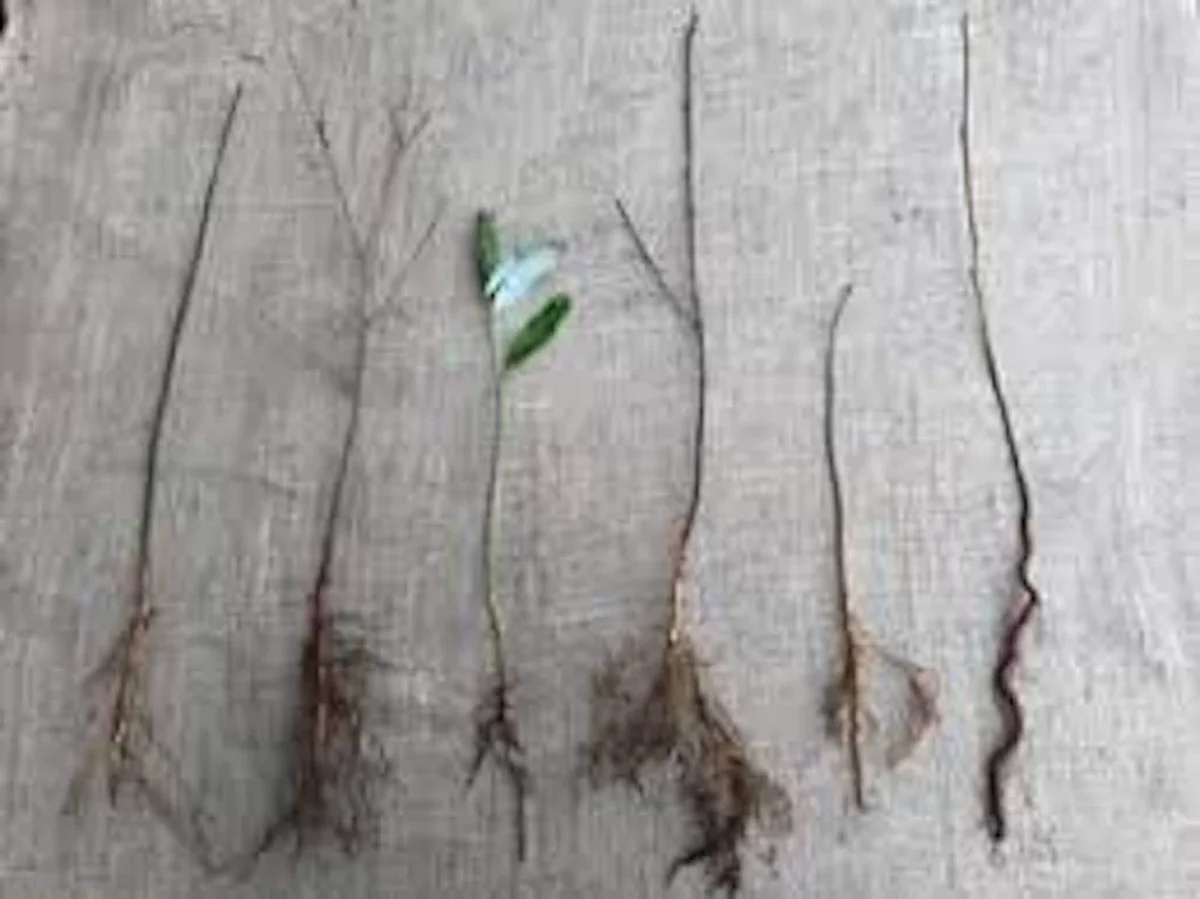
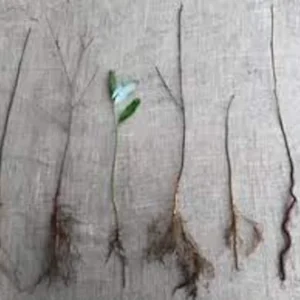
This offering is for one Eastern Redbud bare root tree, measuring approximately 12-24 inches tall upon arrival. Bare root trees are dormant plants shipped without soil, allowing for easier transport and often quicker establishment in the garden once planted correctly. The mature height of the Eastern Redbud bare root tree typically ranges from 25-35 feet (7-10 meters) with a crown that is slightly wider than tall and rounded, giving it a graceful, spreading habit. It can take on the form of either a large shrub or a small, single-trunked tree, depending on pruning and growing conditions.
Growth rate is moderate, meaning it will establish and grow at a steady pace, providing noticeable development each year. Expect the first blooms to appear a few years after planting, with the floral display becoming more abundant as the tree matures. When you receive your Cercis canadensis for sale, it will be in its dormant state, making it the ideal time for planting in early spring before new growth begins. This size is perfect for planting directly into your landscape, allowing its root system to expand naturally and quickly integrate into its new environment.
Frequently Asked Questions
- Q: How big will my Eastern Redbud tree get? A: A: Your Eastern Redbud bare root tree typically grows to a mature height of 25-35 feet tall with a similar spread, forming a rounded canopy. It can be trained as a multi-stemmed shrub or a single-trunked small tree.
- Q: Is this an indoor or outdoor plant? A: The Eastern Redbud bare root tree is an outdoor plant, best suited for landscaping in gardens, yards, and parks. It requires outdoor conditions to thrive and complete its natural growth cycle.
- Q: How much sunlight does an Eastern Redbud need? A: Your native Redbud tree prefers full sun to light shade. In hotter climates, partial shade is recommended to protect it from intense afternoon sun. Aim for at least 6 hours of direct sunlight for optimal flowering.
- Q: What condition will the bare root Redbud arrive in? A: The Eastern Redbud bare root tree will arrive dormant, without soil, with its roots protected. This is the ideal state for planting and ensures a successful transition to your garden.
- Q: When is the best time to plant a bare root Eastern Redbud? A: The best time for planting Redbud tree bare roots is in early spring, as soon as the soil can be worked and before the tree breaks dormancy and begins to leaf out.
- Q: What kind of soil does this tree prefer? A: The Eastern Redbud thrives in moist, well-drained soil. It is adaptable to various soil types but dislikes consistently wet or poorly-drained conditions. Amending heavy soils with organic matter is beneficial.
- Q: Is the Eastern Redbud tree easy to care for? A: Yes, once established, the Eastern Redbud bare root tree is relatively low-maintenance. It’s known for its adaptability and resilience, making Redbud tree care straightforward for most gardeners.
- Q: Will it survive winter in my zone? A: The Eastern Redbud bare root tree is hardy in USDA Zones 4-9, meaning it can tolerate winter temperatures down to -30°F to -20°F. If you are in these zones, it should survive winter without issue.
- Q: Can I grow a Redbud in a container? A: While young Redbuds can be grown in large containers temporarily, they are ultimately best suited for planting in the ground where their root systems can fully develop and support their mature size.
- Q: How long does it take for an Eastern Redbud to bloom? A: A young Cercis canadensis for sale often begins to bloom within 2-3 years after planting, with the floral display becoming more impressive as the tree matures and establishes itself.


Reviews
There are no reviews yet.