Overview
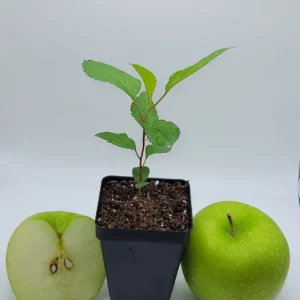
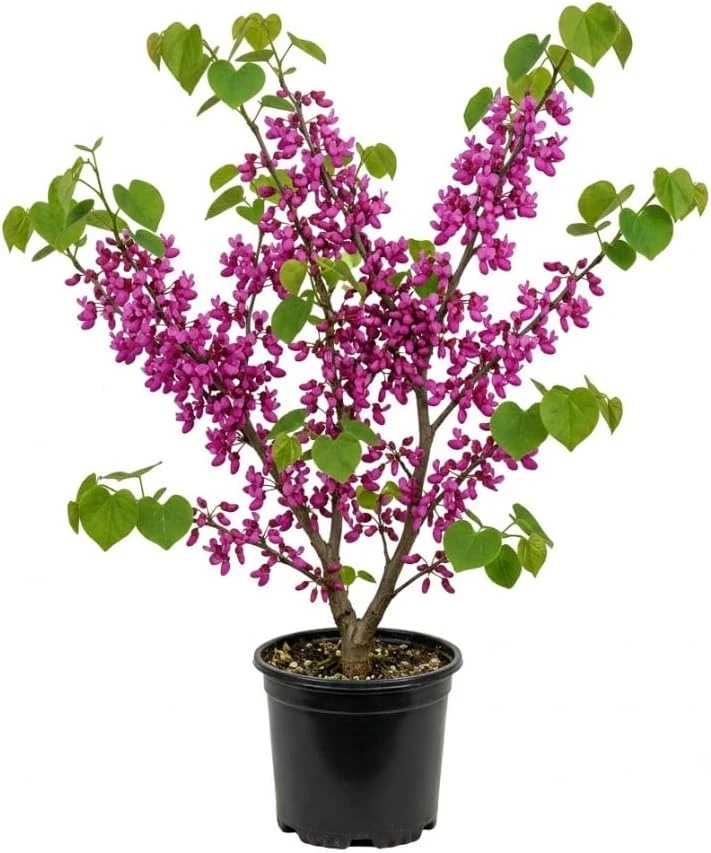
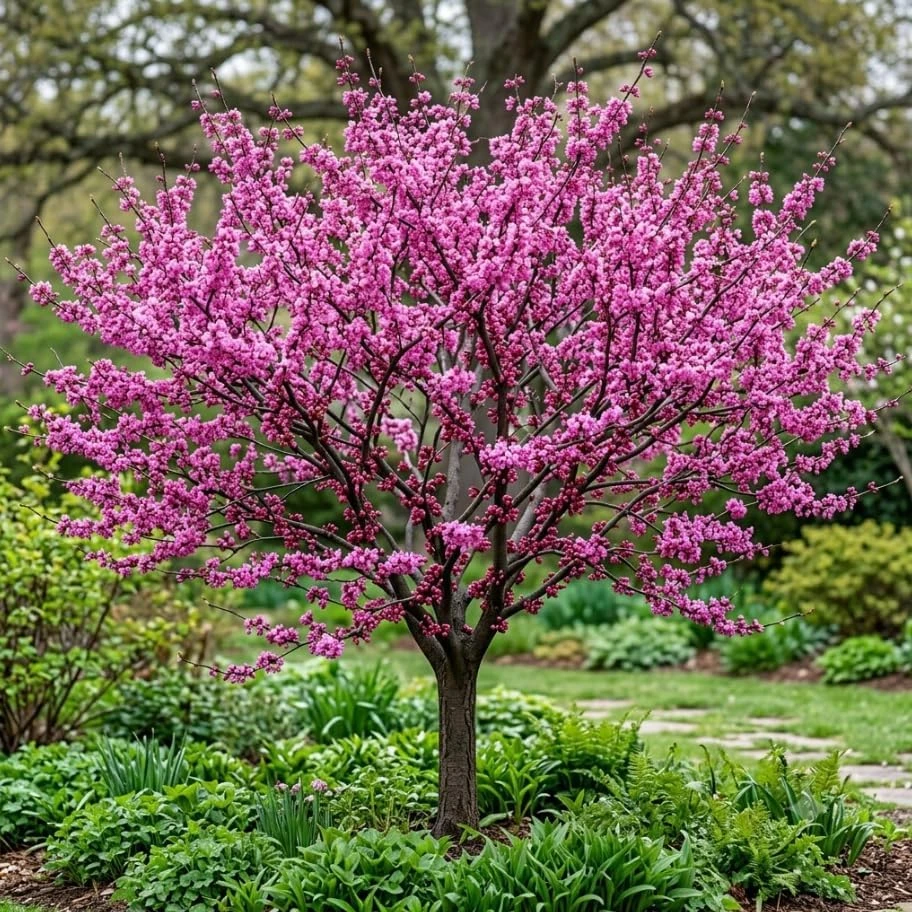
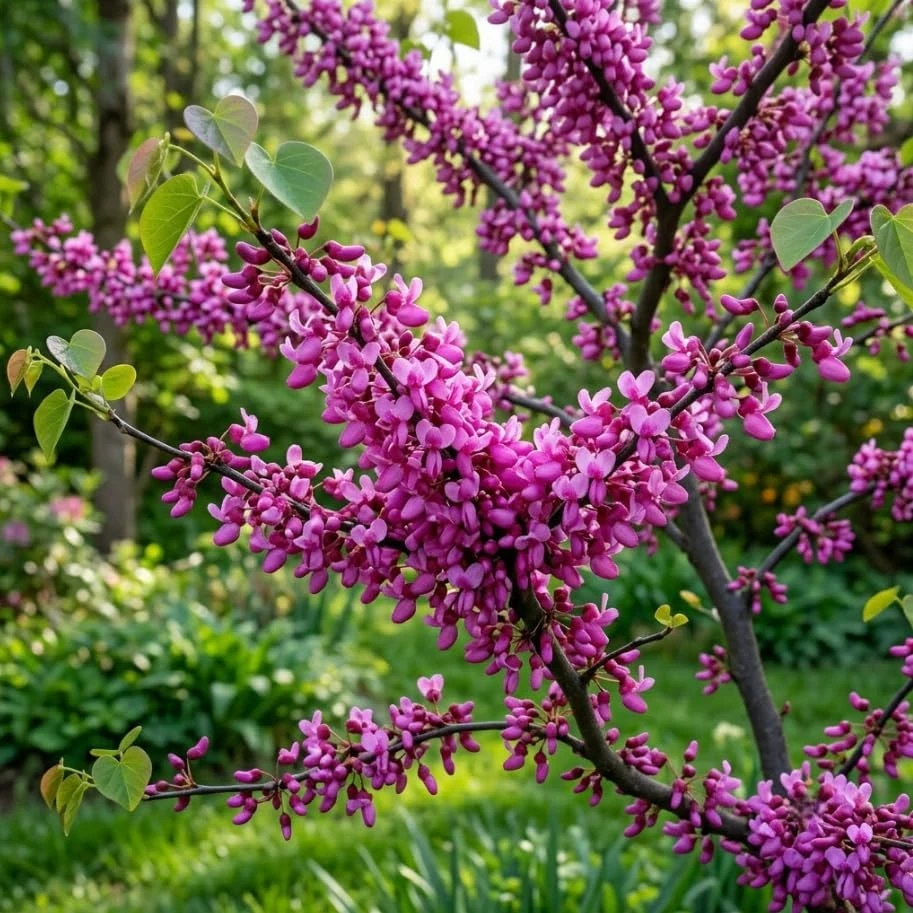
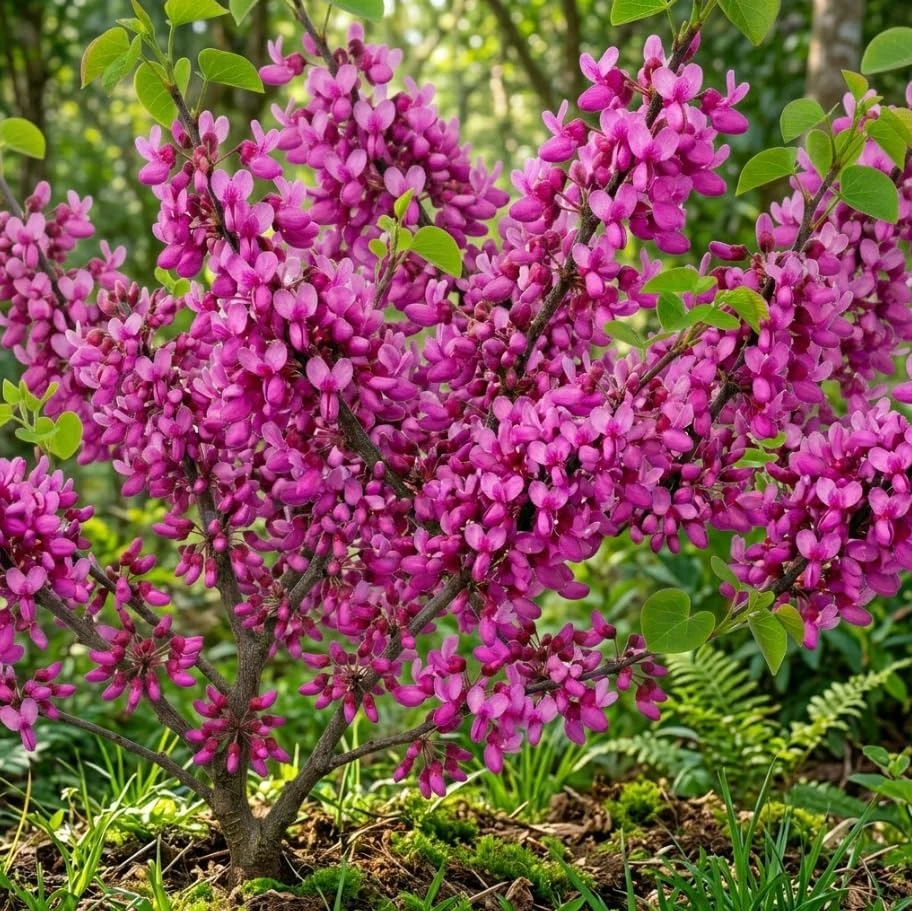
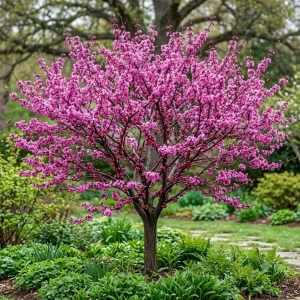
Introduce a touch of natural elegance to your outdoor space with the Eastern Redbud Tree live plant (Cercis canadensis). This beloved native North American species is renowned for its spectacular early spring display of vibrant, pea-like, reddish-pink flowers that emerge directly on its branches even before the leaves appear. Often grown as a multi-stemmed shrub or a small, graceful single-trunk tree, the Cercis canadensis tree provides year-round interest. Its heart-shaped leaves turn a lovely yellow in autumn, and its unique branching structure adds appeal in winter. This live seedling, standing 6-16 inches tall and rooted in a quart-sized pot, is ready to establish itself in your garden and grow into a magnificent specimen that will be admired for decades.
The Eastern Redbud Tree live plant is a versatile and resilient choice for various landscape designs. Whether you’re aiming for a focal point in a small garden, a striking addition to a woodland edge, or an attractive border plant, this tree delivers. Its adaptability to a range of soil types and light conditions, including partial shade, makes it a forgiving choice for many gardeners. Beyond its aesthetic appeal, the Eastern Redbud also supports local ecosystems, providing early nectar for pollinators and seeds for birds. Investing in an Eastern Redbud Tree live plant means cultivating a piece of natural beauty that will enhance your home’s curb appeal and ecological value.
Key Benefits
The Eastern Redbud Tree live plant offers a multitude of advantages, making it a highly desirable addition to any landscape. Its unique characteristics contribute to both aesthetic beauty and ecological health.
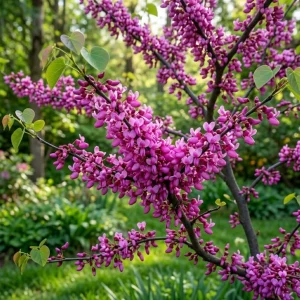
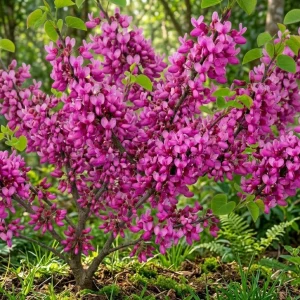
- Stunning Spring Blooms: Experience an explosion of vibrant reddish-pink flowers in early spring, creating a breathtaking visual spectacle before most other plants begin to leaf out. This spectacular display makes it a true highlight of the season.
- Flexible Growth Habit: This versatile plant can be cultivated as a graceful, multi-stemmed shrub or pruned to form an elegant single-trunk tree, allowing you to customize its form to perfectly suit your garden design and space requirements.
- Year-Round Interest: Beyond its iconic spring flowers, the Cercis canadensis tree provides attractive heart-shaped green foliage throughout summer, which transforms into a beautiful yellow in autumn. Its distinctive branching structure offers architectural interest even in winter.
- Attracts Pollinators: The early spring blossoms of the Eastern Redbud Tree live plant are a vital nectar source for bees and other early emerging pollinators, contributing to local biodiversity and supporting garden health.
- Adaptable and Resilient: Known for its hardiness, the Eastern Redbud thrives in a variety of soil types and light conditions, including partial shade, making it a relatively low-maintenance option for many different climates and garden settings.
- Native Beauty: As a native species, it is well-suited to North American climates and ecosystems, requiring less intervention once established and contributing to the natural landscape.
Plant Care & Growing Tips
Caring for your Eastern Redbud Tree live plant is straightforward, ensuring it thrives and delivers its beautiful spring display year after year. This hardy ornamental tree is relatively low-maintenance, making it an excellent choice for both experienced and novice gardeners. For optimal growth and health, understanding its basic needs for sunlight, water, soil, and fertilization is key. Proper redbud tree care will allow your plant to establish a strong root system and flourish in your garden.
The Eastern Redbud Tree live plant prefers a location with full sun to partial shade. Full sun (at least 6 hours of direct sunlight daily) will encourage the most abundant flowering, while partial shade (2-4 hours of sun, especially afternoon shade in hot climates) can help protect its foliage from scorching. It adapts to a wide range of soil types but thrives best in moist, well-drained soil with a neutral to slightly alkaline pH. Avoid planting in consistently wet or poorly draining areas, as this can lead to root rot. When watering, ensure the soil remains consistently moist, especially during its first year of establishment. Once mature, it is moderately drought-tolerant but will benefit from supplemental watering during prolonged dry spells. A good rule of thumb is to water deeply once a week during dry periods, allowing the top few inches of soil to dry out between waterings.
Fertilize your Eastern Redbud Tree live plant in early spring with a balanced, slow-release granular fertilizer formulated for trees and shrubs. Follow the product instructions for application rates. Young trees benefit from light pruning to establish a strong central leader if you desire a single-trunk form, or to encourage a more shrub-like, multi-stemmed growth habit. Remove any dead, diseased, or crossing branches. The Eastern Redbud is generally hardy in USDA Zones 4-9. While it is quite resilient, protect young trees from harsh winter winds in colder zones. Common problems are few, but watch for canker disease, which can be managed by proper pruning and ensuring good air circulation around the plant. With consistent redbud tree care, your ornamental redbud shrub will be a long-lasting source of beauty.
Size & Details
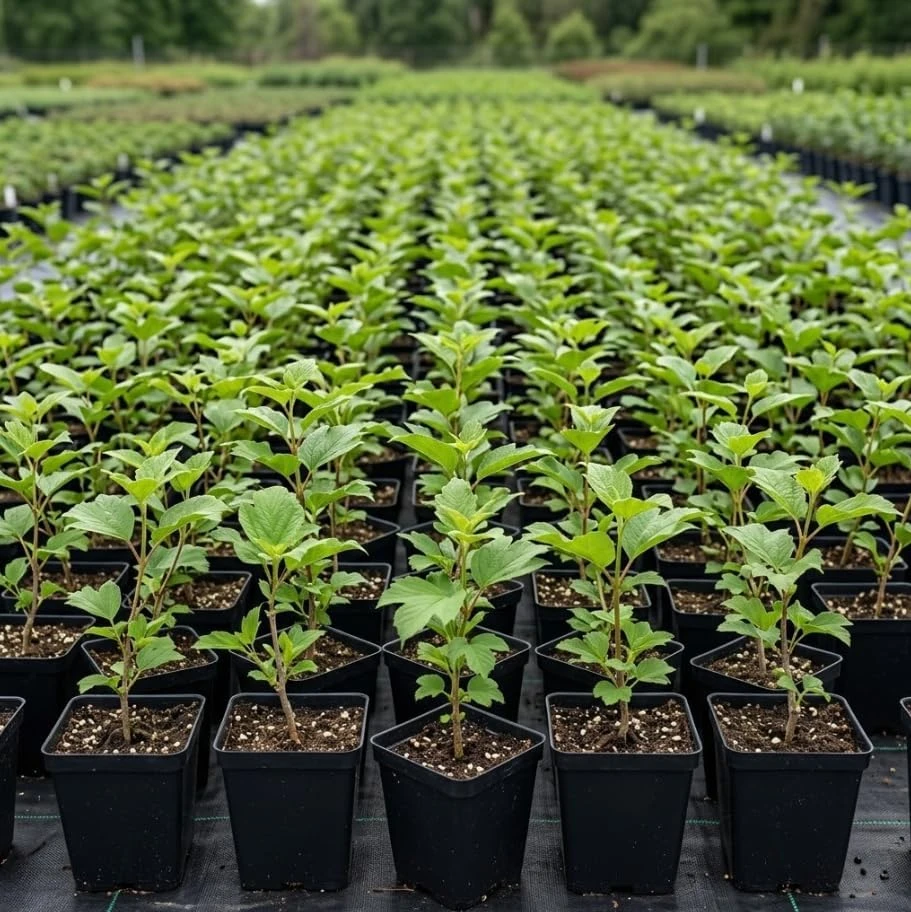
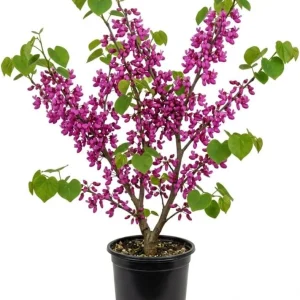
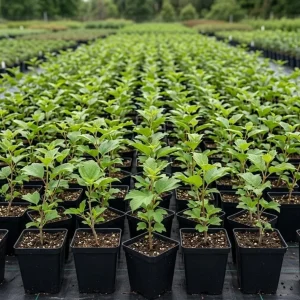
This offering includes one robust Eastern Redbud Tree live plant, meticulously nurtured and ready for transplant into your garden. Each seedling arrives in a sturdy quart-sized container, ensuring its root system is well-established and protected during transit. The plant stands approximately 6 to 16 inches tall from the base of the pot to the tip of its tallest stem, providing a healthy young specimen ready for vigorous growth. The height range accounts for natural variations in seedling development, ensuring you receive a viable and thriving plant.
The Cercis canadensis tree is known for its moderate growth rate, typically adding 1-2 feet per year once established. In ideal conditions, it can mature into a small tree reaching 20-30 feet tall with a similar spread, though it can also be maintained as a smaller, multi-stemmed shrub. You can expect the first vibrant reddish-pink blooms to appear within 2-3 years of planting, transforming your landscape into a spring wonderland. This ornamental redbud shrub ships with its roots intact within the quart pot, minimizing transplant shock and promoting successful establishment in its new home.
Frequently Asked Questions
- Q: How big does this Eastern Redbud Tree live plant get? A: This live plant is currently 6-16 inches tall in a quart pot. When mature, the Eastern Redbud Tree live plant typically grows to a height of 20-30 feet with a similar spread, though it can be pruned to remain smaller or grown as a large shrub.
- Q: Is this an indoor or outdoor plant? A: The Eastern Redbud Tree live plant is an outdoor tree or shrub. It requires outdoor conditions to thrive and complete its natural growth cycle, including dormancy in winter.
- Q: How much sunlight does it need? A: This plant thrives in full sun to partial shade. For the most abundant spring blooms, aim for at least 6 hours of direct sunlight per day. Partial shade is beneficial in hotter climates to prevent leaf scorch.
- Q: Is this plant easy to care for? A: Yes, the Cercis canadensis tree is considered relatively easy to care for. It’s adaptable to various soil types and light conditions, making it a good choice for beginners and experienced gardeners alike. Consistent watering during establishment is key.
- Q: What condition will it arrive in? A: Your Eastern Redbud Tree live plant will arrive as a healthy, live seedling, approximately 6-16 inches tall, securely rooted in a quart-sized container with soil. It is carefully packaged to ensure its safe arrival.
- Q: When is the best time to plant an Eastern Redbud? A: The best time to plant the Eastern Redbud Tree live plant is in early spring or fall when temperatures are moderate. This allows the tree to establish its root system before the stress of summer heat or winter cold.
- Q: Will it survive winter in my zone? A: The Eastern Redbud (Cercis canadensis) is hardy in USDA Zones 4-9. If you are within these zones, your plant should successfully survive winter once established, entering dormancy and re-emerging in spring.
- Q: What type of soil does the redbud tree prefer? A: The ornamental redbud shrub prefers moist, well-drained soil with a neutral to slightly alkaline pH. It tolerates a range of soil types but performs best when not waterlogged.
- Q: Can I grow this as a multi-stemmed shrub? A: Absolutely! The Eastern Redbud can naturally grow as a multi-stemmed shrub, or you can prune it to encourage this growth habit, offering flexible landscaping options for your garden.
- Q: How long until it blooms? A: While this is a young seedling, you can typically expect your Eastern Redbud Tree live plant to begin producing its characteristic reddish-pink blooms within 2-3 years after planting and establishment.


Reviews
There are no reviews yet.