Overview
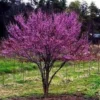
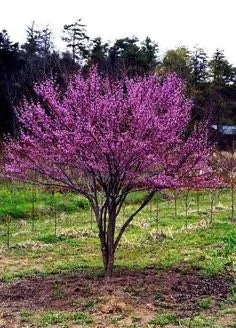
Introduce a touch of native elegance to your landscape with the Eastern Redbud Tree live plant (Cercis canadensis). This exquisite deciduous tree is celebrated for its breathtaking display of bright pink to purple pea-like flowers that emerge directly on its branches and trunk in early spring, often before the leaves appear. A true herald of warmer weather, the Redbud provides a spectacular show that transforms any garden into a vibrant haven. Following its floral exhibition, heart-shaped leaves unfurl, turning a lovely green in summer and often a soft yellow in fall, offering multi-season interest. This live plant is a quart-grown seedling, ready to be planted and cared for, eventually maturing into a beautiful small to medium-sized tree that can serve as a focal point, understory tree, or an attractive specimen in a mixed border. The Cercis canadensis is a popular choice among gardeners for its relatively low maintenance and adaptability. Native to eastern North America, it thrives in a wide range of climates and soil conditions, making it a versatile addition to many home gardens. Its charming appearance and ecological benefits, providing nectar for early pollinators, make it a valuable and rewarding plant to cultivate. Whether you are looking to enhance your garden with early spring color or seeking a native plant to support local wildlife, the Eastern Redbud Tree live plant is an excellent choice.
Key Benefits
The native flowering tree offers numerous advantages for both the gardener and the environment, making it a highly desirable addition to any landscape. Its unique characteristics provide beauty and ecological value.
- Stunning Spring Blooms: Enjoy an unforgettable display of pink spring blooms that cover the branches in early spring, often before the leaves emerge. This spectacular show makes the Eastern Redbud Tree live plant a standout in any garden.
- Year-Round Interest: Beyond its vibrant spring flowers, the tree features attractive heart-shaped green leaves in summer and often lovely yellow foliage in the fall, ensuring visual appeal throughout multiple seasons.
- Attracts Pollinators: The early spring flowers provide a crucial nectar source for bees and other early pollinators, supporting local ecosystems and biodiversity in your garden.
- Adaptable and Hardy: This native deciduous tree is known for its ability to thrive in a wide range of conditions, making it a resilient and relatively easy-to-care-for option for many gardeners. It’s suitable for USDA Zones 4-9.
- Compact Size: As a small to medium-sized tree, it fits well into various garden designs, from suburban yards to woodland edges, without overwhelming the space.
- Low Maintenance: Once established, the Cercis canadensis requires minimal care, making it an excellent choice for both experienced and novice gardeners.
- Native Beauty: Choosing a native plant like the Eastern Redbud Tree live plant supports local flora and fauna, contributing to a healthier and more sustainable environment.
Plant Care & Growing Tips
Caring for your Eastern Redbud Tree live plant is generally straightforward, making it a rewarding plant for many landscapes. Proper planting and ongoing care will ensure a healthy and vibrant tree. When considering Redbud tree care, it’s important to understand its preferences.
Sunlight Requirements: The Eastern Redbud Tree live plant thrives in full sun to partial shade. Full sun (at least 6 hours of direct sunlight per day) will generally result in the most abundant flowering, while partial shade (4-6 hours of sun, especially afternoon shade in hot climates) can help protect the leaves from scorching. Ensure it receives adequate light to support its growth and bloom production.
Watering and Soil: Redbuds prefer moist, well-draining soil. While they are somewhat drought-tolerant once established, consistent moisture is crucial during their first year of growth. Water regularly, especially during dry spells, ensuring the soil is evenly moist but not waterlogged. Avoid planting in areas with poor drainage, as this can lead to root rot. A layer of mulch around the base of the tree can help retain soil moisture and regulate soil temperature.
Soil Type and Fertilization: The Cercis canadensis is adaptable to a variety of soil types, including clay, loam, and sandy soils, as long as they are well-draining. It prefers a slightly acidic to neutral pH (6.0-7.0). Fertilization is typically not necessary in rich soils. If your soil is poor, a balanced slow-release fertilizer can be applied in early spring before new growth begins. Follow product instructions carefully to avoid over-fertilization.
Temperature and Hardiness: This deciduous tree is hardy in USDA Zones 4-9. It can withstand cold winters and hot summers within this range. Protection from harsh winter winds may be beneficial for young trees in the colder parts of its range. Common problems include canker disease, which can be minimized by ensuring proper air circulation and avoiding wounding the tree. Pruning should be done after flowering to remove any dead, diseased, or crossing branches. Proper Redbud tree care is essential for its longevity.
Size & Details
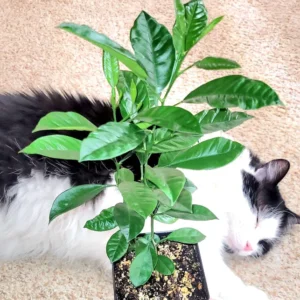
This offering is for one Eastern Redbud Tree live plant, grown in a quart-sized pot. The seedling will arrive healthy and ready for planting, providing a strong foundation for future growth. The Cercis canadensis typically grows to a mature height of 20-30 feet with a spread of 25-35 feet, forming a rounded or vase-shaped canopy. Its growth rate is moderate, usually adding 13-24 inches per year. The tree will develop its characteristic heart-shaped leaves and showy pink spring blooms, reaching its mature size over several years. This native flowering tree is shipped as a young, actively growing plant, making it easy to establish in your garden. Expect vibrant blooms and attractive foliage as it matures, enhancing your garden’s aesthetic for many years to come.
Frequently Asked Questions
- Q: How big does this Eastern Redbud Tree get? A: The Eastern Redbud Tree live plant typically grows to a mature height of 20-30 feet with a spread of 25-35 feet, forming a beautiful rounded canopy. Its size makes it suitable for many garden spaces.
- Q: What size pot does it come in? A: This native flowering tree is shipped as a healthy seedling in a quart-sized nursery pot, providing a good root base for successful transplanting.
- Q: Is this an indoor or outdoor plant? A: The Eastern Redbud Tree live plant is an outdoor plant, best suited for planting in your garden or landscape where it can receive adequate sunlight and space to grow.
- Q: How much sunlight does it need? A: This deciduous tree prefers full sun to partial shade. For the best flowering and most vibrant pink spring blooms, aim for at least 6 hours of direct sunlight daily. Partial shade is beneficial in hotter climates.
- Q: Is this plant easy to care for? A: Yes, Redbud tree care is relatively easy once established. It’s known for its adaptability and resilience, making it a good choice for various gardening skill levels.
- Q: What condition will it arrive in? A: Your Eastern Redbud Tree live plant will arrive as a live, healthy quart-grown seedling, carefully packaged to ensure its safety during transit.
- Q: When is the best time to plant? A: The best time to plant your Eastern Redbud Tree live plant is in spring or fall when temperatures are moderate, allowing the plant to establish its root system before extreme weather.
- Q: Will it survive winter in my zone? A: The Cercis canadensis is hardy in USDA Zones 4-9, meaning it can tolerate winter temperatures within this range. Check your local USDA zone to confirm suitability.
- Q: What are the main benefits of growing an Eastern Redbud Tree? A: The main benefits include its stunning early pink spring blooms, attractive heart-shaped leaves, adaptability, and its role in attracting pollinators, adding significant beauty and ecological value to your garden.
- Q: What should I know about Redbud tree care? A: Key aspects of Redbud tree care involve ensuring well-draining soil, providing adequate sunlight, and consistent watering during establishment. Minimal pruning for shape and health is typically sufficient.


Reviews
There are no reviews yet.