Overview
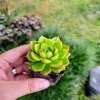
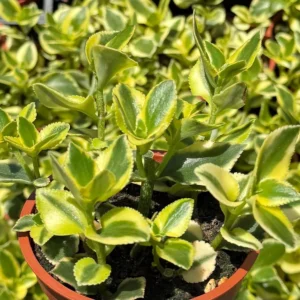
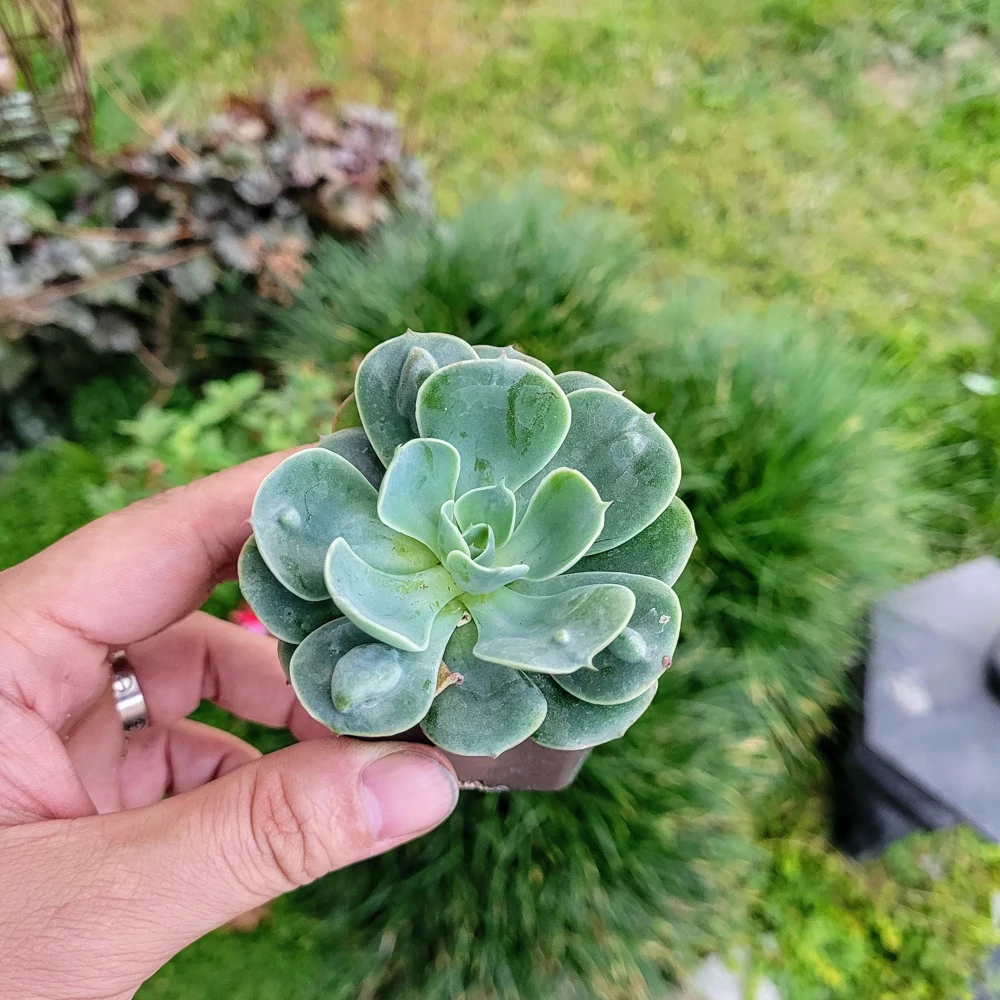
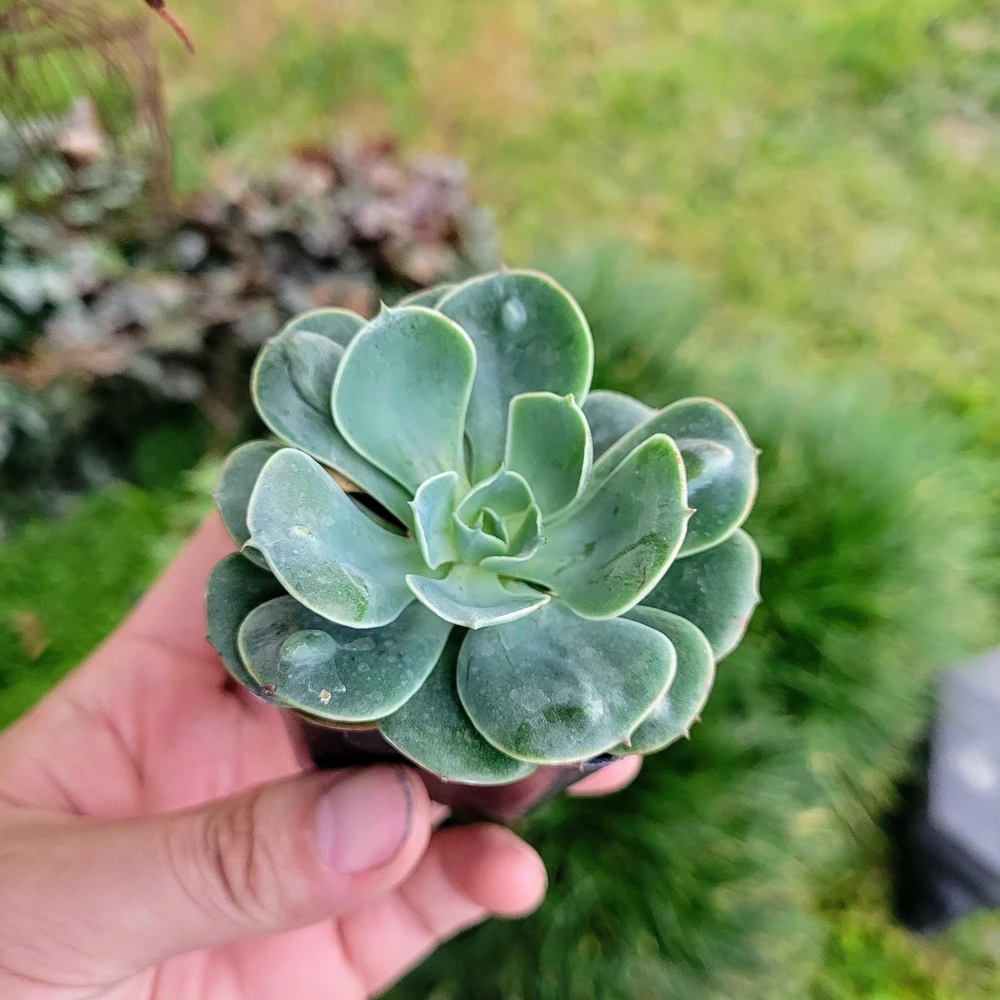
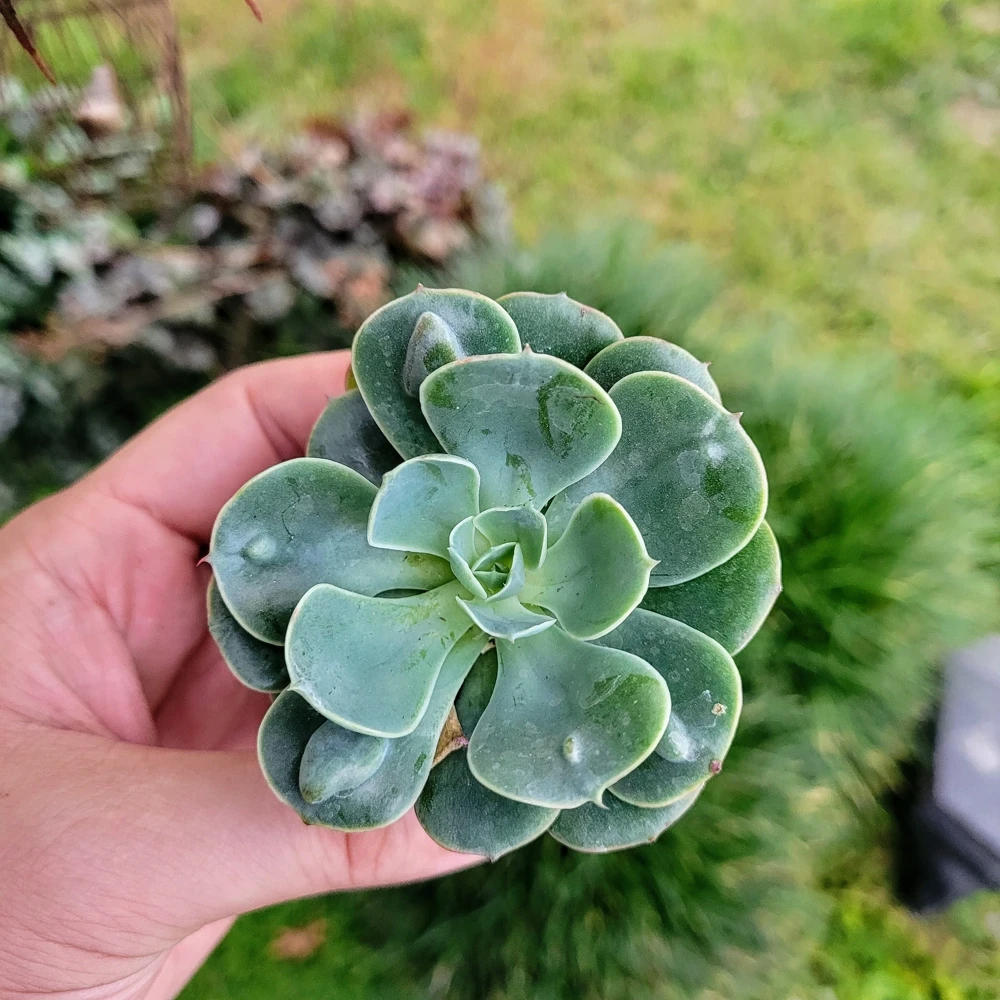
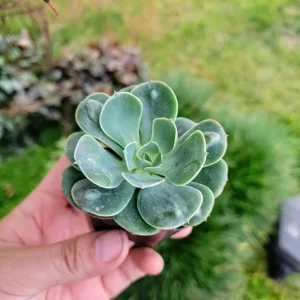
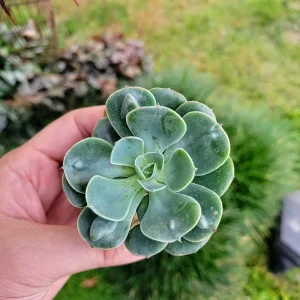
Introduce a touch of unique succulent elegance to your home with the Echeveria Raindrop live plant. This highly sought-after succulent variety is renowned for its distinctive, pearly ‘raindrop’ or ‘caruncle’ bumps that form on its leaves, creating a truly unique and sculptural appearance. Each plant is a living work of art, showcasing a beautiful rosette form with varying shades of green, blue, and sometimes pink or red, especially when exposed to adequate sunlight. The Echeveria ‘Raindrop’ (botanical name: Echeveria ‘Raindrops’) is a hybrid Echeveria known for its relatively compact size, making it an ideal choice for windowsills, desks, or as part of a larger succulent arrangement. This particular offering provides you with one healthy Echeveria succulent in a 2-inch nursery pot, ready to thrive in its new environment. Its unique texture and vibrant colors make it a focal point in any indoor garden, offering a fascinating conversation starter and a rewarding growing experience for both novice and experienced plant enthusiasts alike.
Key Benefits
The Echeveria Raindrop live plant offers numerous benefits, making it an excellent addition to any plant collection. Its striking appearance and ease of care contribute to a delightful ownership experience.
- Unique Aesthetic Appeal: The most prominent benefit is its highly unusual and attractive appearance, featuring distinctive ‘raindrop’ or ‘caruncle’ bumps on its leaves. This rare Echeveria provides a captivating visual interest unlike most other succulents, adding a sculptural element to your decor.
- Low Maintenance: Like many succulents, the Echeveria Raindrop live plant is incredibly forgiving and requires minimal attention. It thrives on neglect, making it perfect for busy individuals or those new to plant care, ensuring a beautiful display without constant fuss.
- Compact Size: Growing in a neat rosette, this succulent remains relatively small, making it ideal for limited spaces such as apartments, office desks, or small windowsills. Its compact nature also allows for easy integration into succulent arrangements and terrariums.
- Air Purification: While not as prominent as larger houseplants, succulents like Echeveria contribute to improving indoor air quality by absorbing toxins and releasing oxygen, promoting a healthier living environment.
- Drought Tolerant: Adapted to arid conditions, the Echeveria ‘Raindrop’ stores water in its fleshy leaves, requiring infrequent watering. This resilience makes it highly suitable for dry climates or for those who tend to forget to water regularly.
- Versatile Decor: Its unique form and color palette make it a versatile decorative piece. It can be displayed in various pots, from terracotta to glazed ceramic, complementing different interior design styles, from modern minimalist to rustic.
- Stress Relief: Caring for plants, even low-maintenance ones like this Echeveria succulent, has been shown to reduce stress and improve mental well-being. The simple act of observing its growth and unique features can be a calming and enriching experience.
Plant Care & Growing Tips
Caring for your Echeveria Raindrop live plant is straightforward, making it an excellent choice for both beginners and experienced succulent enthusiasts. Understanding its basic needs will ensure it thrives and displays its beautiful ‘raindrops’ prominently. The most crucial aspect of succulent care tips is providing adequate light and proper watering.
Sunlight Requirements: This Echeveria thrives in bright, indirect light. Indoors, place it near a south-facing window where it can receive several hours of bright light daily. If the light is too low, the plant may stretch (etiolate) and lose its compact rosette form and vibrant coloration. Outdoors, it prefers a spot with morning sun and afternoon shade, especially in hotter climates, to prevent sunburn. While it can tolerate some direct sun, too much intense, unfiltered sunlight, particularly during the hottest parts of the day, can scorch its leaves.
Watering Schedule and Soil Moisture: Overwatering is the most common cause of succulent demise. Water only when the soil is completely dry to the touch. This usually means watering once every 1-2 weeks during the growing season (spring and summer) and even less frequently in winter (once every 3-4 weeks or longer). When you do water, water thoroughly until it drains from the bottom of the pot, then allow the soil to dry out completely before the next watering. Never let the plant sit in standing water. For an indoor succulent, a well-draining pot is essential.
Soil Type and Drainage Requirements: Use a fast-draining soil mix specifically formulated for succulents and cacti. A good mix typically consists of mostly peat moss or succulent and cactus planting mix combined with ample amounts of perlite, pumice, or coarse sand to ensure excellent drainage. If kept indoors, planting in a well-draining terracotta pot is highly recommended, as it allows excess moisture to evaporate more quickly than plastic pots. Proper drainage is key to preventing root rot.
Temperature Range and USDA Hardiness Zone: Echeveria ‘Raindrop’ prefers temperatures between 60-80°F (15-27°C). It is not frost-tolerant and should be protected from freezing temperatures. If grown outdoors, it is best suited for USDA Zones 9-11, where temperatures rarely drop below freezing. If you live in a colder climate, it’s best to grow this as an indoor succulent and bring it inside before the first frost.
Fertilization Schedule and Type: Fertilize sparingly, if at all. During the growing season (spring and summer), you can apply a balanced, diluted houseplant food or a fertilizer specifically designed for succulents, once per month. Avoid fertilizing during its dormant winter period. Over-fertilization can lead to leggy growth and damage the plant.
Common Problems and Solutions: Watch out for common succulent pests like mealybugs or spider mites, which can be treated with insecticidal soap or neem oil. If leaves become mushy or yellow, it’s typically a sign of overwatering; reduce watering frequency and check soil drainage. If leaves are shriveled, the plant may need water. Remember that plant colors and shapes can vary slightly and may not look exactly like pictures due to environmental factors and natural growth variations.
Size & Details
This offering includes one healthy Echeveria Raindrop live plant, shipped in its 2-inch nursery pot. At this size, the plant is typically compact, forming a rosette approximately 1.5 to 2.5 inches in diameter, depending on its growth stage. The distinctive ‘raindrop’ caruncles will be developing and becoming more prominent as the plant matures. Echeveria ‘Raindrop’ is a relatively slow-growing succulent, maintaining a manageable size, which makes it perfect for small spaces, succulent arrangements, or as a desk companion. It is a live plant, carefully selected and packaged for safe transit. Upon arrival, it will be ready to be placed in its new home or repotted into a slightly larger decorative container. Expect the plant to continue growing and developing its unique features over time with proper care and adequate light exposure, enhancing its appeal as a rare Echeveria specimen.
Frequently Asked Questions
- Q: How big does this Echeveria Raindrop get? A: The Echeveria Raindrop live plant typically grows into a compact rosette, reaching about 3-5 inches in diameter at maturity. Its size makes it ideal for small pots and arrangements.
- Q: What size pot does the Echeveria Raindrop come in? A: This Echeveria succulent is shipped in a standard 2-inch nursery pot, providing a good foundation for its initial growth in your home.
- Q: Is this an indoor or outdoor plant? A: The Echeveria Raindrop live plant can thrive both indoors and outdoors. It is best suited as an indoor succulent in most climates, especially those with cold winters, but can be grown outdoors in warmer, frost-free regions (USDA Zones 9-11).
- Q: How much sunlight does the Echeveria Raindrop need? A: It requires bright, indirect light for at least 6 hours a day. Indoors, a south-facing window is ideal. Outdoors, provide morning sun and afternoon shade to prevent sunburn.
- Q: Is this plant easy to care for? Is it good for beginners? A: Yes, the Echeveria Raindrop live plant is considered relatively easy to care for, making it suitable for beginners. The most important succulent care tips are to avoid overwatering and ensure it gets sufficient light.
- Q: What condition will it arrive in? Is it shipped in soil? A: Your Echeveria Raindrop live plant will arrive as a live plant, carefully packaged in its 2-inch nursery pot with soil, ready for its new home. We take precautions to ensure safe transit.
- Q: How often should I water my Echeveria Raindrop? A: Water only when the soil is completely dry to the touch. This could be anywhere from once a week to once a month, depending on your climate, pot size, and indoor conditions.
- Q: What kind of soil is best for this Echeveria succulent? A: A well-draining soil mix designed for succulents and cacti is essential. This usually includes ingredients like perlite or pumice to prevent waterlogging and promote root health for your indoor succulent.
- Q: Why are my Echeveria Raindrop’s leaves shriveling? A: Shriveled leaves typically indicate that your Echeveria succulent needs water. Give it a thorough watering until water drains from the bottom of the pot.
- Q: Can the ‘raindrops’ on the leaves disappear? A: While the ‘raindrops’ are a genetic trait, their prominence can be affected by growing conditions. Adequate light and proper care help ensure the vivid display of these unique caruncles on your rare Echeveria.


Reviews
There are no reviews yet.