Overview
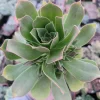
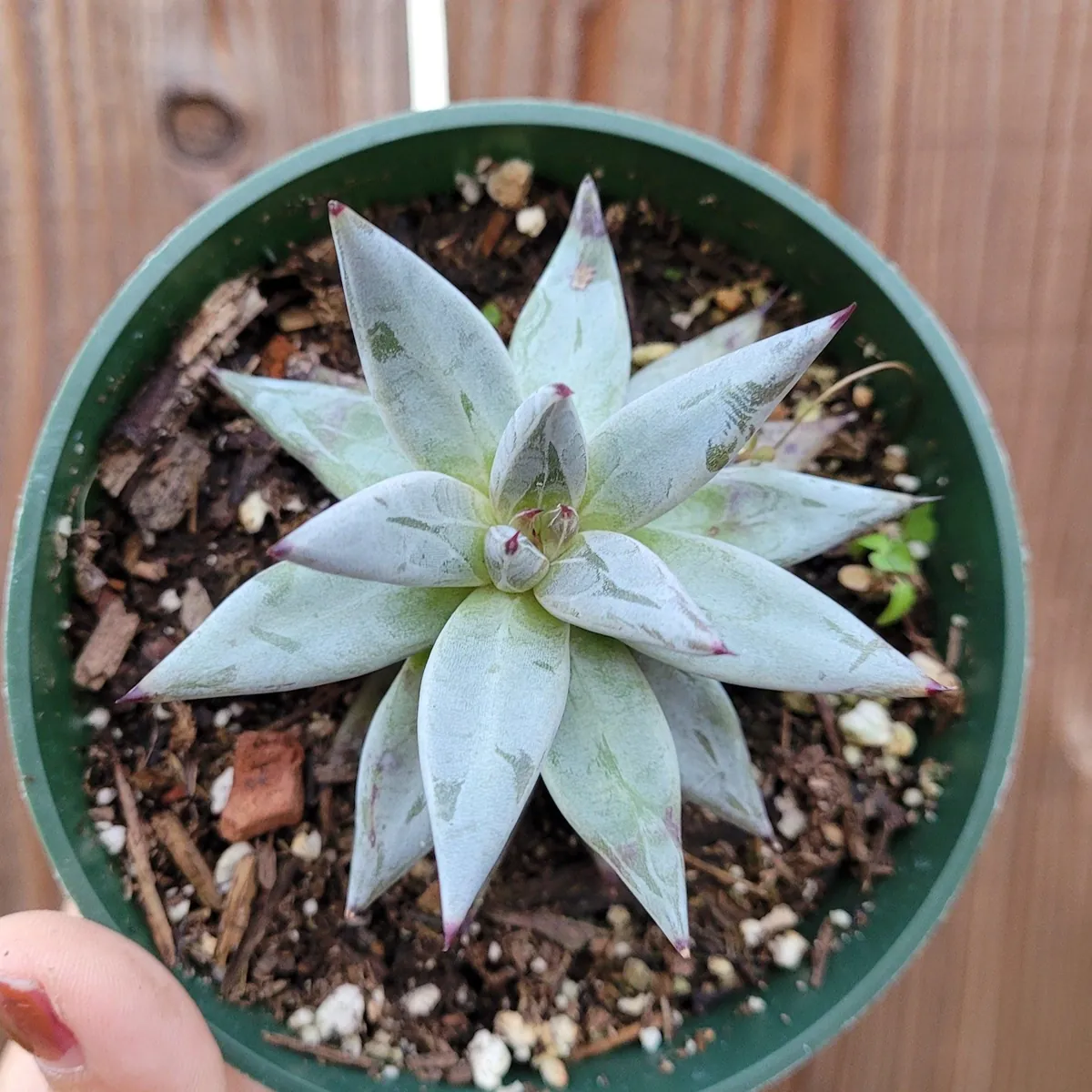
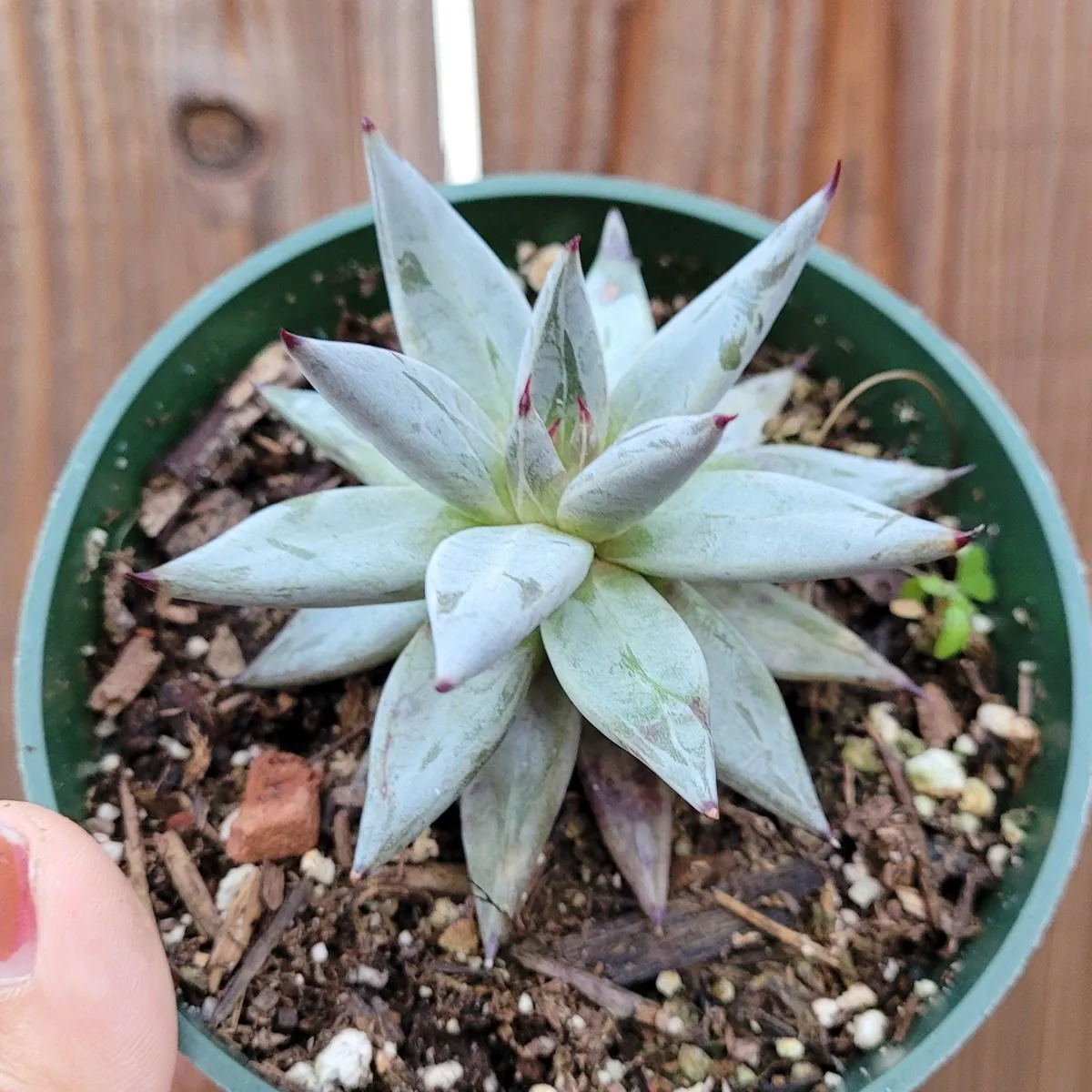
Introduce a touch of natural beauty to your home with the exquisite echeveria unguiculata succulent. This captivating live plant is a member of the Crassulaceae family and is native to the arid regions of Mexico. Known for its distinctive rosette shape, the echeveria unguiculata succulent features thick, fleshy leaves that display a stunning range of colors from purple to gray, often accentuated with vibrant red or black tips. These rosettes can reach an impressive diameter of up to 4 inches, making them a prominent feature in any plant collection. Its resilience and striking appearance make it a favorite among succulent collectors and a perfect choice for those looking for an easy-to-care-for indoor plant.
The unique coloration and compact growth habit of this echeveria unguiculata succulent make it an excellent addition to windowsills, desks, or succulent arrangements. While primarily grown for its foliage, mature plants can also produce delicate flowers on tall stalks, adding another layer of charm. This particular succulent is celebrated for its low-maintenance nature, making it an ideal choice for beginners seeking to explore the rewarding world of succulent cultivation. Its adaptability to average household conditions further enhances its appeal as an indoor companion.
Key Benefits
The echeveria unguiculata succulent offers a variety of benefits that make it a highly desirable plant for any home or office. Its aesthetic appeal combined with its easy-care nature ensures a rewarding experience for plant lovers.
- Stunning Visual Appeal: The thick, colorful leaves ranging from purple to gray with striking red or black tips create a dramatic and beautiful display, adding a unique aesthetic to any space.
- Low Maintenance: This succulent is incredibly forgiving and requires minimal attention, making it perfect for busy individuals or those new to plant care. It’s truly a succulent for beginners.
- Compact Size: With rosettes reaching up to 4 inches in diameter, it’s an ideal size for small spaces, terrariums, or as part of a larger succulent arrangement.
- Drought-Tolerant: Like most succulents, the echeveria unguiculata succulent is highly drought-tolerant, meaning it can withstand periods without water, reducing the frequency of watering.
- Air Purification: While not as potent as some larger plants, succulents contribute to better indoor air quality by absorbing toxins and releasing oxygen.
- Stress Reduction: Studies show that having plants indoors can help reduce stress and improve overall well-being, making this echeveria unguiculata succulent a calming presence.
- Beginner-Friendly: Its robust nature and simple care requirements make it an excellent entry point for anyone wanting to learn how to care for echeveria unguiculata.
Plant Care & Growing Tips
Proper care is essential to ensure your echeveria unguiculata succulent thrives and maintains its vibrant colors. These plants are relatively easy to care for, making them suitable for novices, but understanding their specific needs will lead to the best results. The key to healthy growth lies in appropriate light, watering, and soil conditions.
Light: Echeveria unguiculata succulents require bright light to maintain their vibrant coloration and compact form. Place your plant in a location where it receives plenty of indirect sunlight. While they can tolerate some direct morning sun, prolonged exposure to harsh afternoon sun can scorch their leaves, especially in warmer climates. An east-facing window or a bright south-facing window with sheer curtains is often ideal. If growing indoors, consider using a grow light if natural light is insufficient to prevent stretching (etiolation).
Water: The ‘soak and dry’ method is crucial for proper watering. Water thoroughly until water drains from the bottom of the pot, then allow the soil to dry out completely before watering again. Overwatering is the most common cause of succulent demise, so err on the side of underwatering. During dormant periods (winter), reduce watering frequency significantly. Ensure your pot has drainage holes to prevent water from sitting at the roots. Understanding how to care for echeveria unguiculata primarily revolves around its watering schedule.
Soil: A well-draining soil mix is paramount for this crassulaceae family plant. A gritty succulent or cactus mix is highly recommended. You can create your own by mixing regular potting soil with perlite, pumice, or coarse sand in a ratio of at least 50% granular material. This ensures excellent aeration and prevents waterlogging, which can lead to root rot. Good drainage is non-negotiable for healthy echeveria plant care.
Temperature & Humidity: These succulents prefer temperatures between 50-77°F (10-25°C), which corresponds well with average indoor household temperatures. They are not frost-tolerant, so if you live in an area with cold winters, it’s best to keep them indoors or protect them from freezing temperatures. Average household humidity levels are generally suitable for their growth; they do not require high humidity.
Potting: Ceramic pots are recommended due to their breathability, which helps with water evaporation. While clay pots dry out too quickly, plastic pots can retain too much moisture. Repotting is generally needed every 2-3 years or when the plant outgrows its current pot. Always use fresh, well-draining succulent soil when repotting.
Size & Details
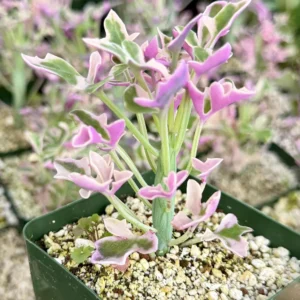
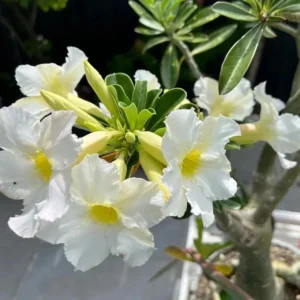
The echeveria unguiculata succulent typically forms rosettes that can reach a diameter of up to 4 inches at maturity. The plants are shipped as live specimens, with smaller 2-inch plants often arriving in their pot with soil, while larger 4-inch and above plants are typically shipped bare root. Shipping bare root ensures the plant is protected during transit and reduces the risk of soil-borne pests or diseases, while also providing a fresher start for the plant in its new home. You will receive a plant very similar to those pictured, though slight variations in shape and color are natural given they are living organisms. The growth rate is moderate, and with proper echeveria plant care, it will maintain its striking appearance for many years.
This species is known for its relatively compact growth, making it an excellent choice for windowsills, office desks, or as part of a larger succulent garden. While flowers can appear on long stalks, the primary ornamental value comes from its vibrant and uniquely tipped foliage. The plant is well-suited for indoor environments across most of the US, provided it receives adequate light and is protected from extreme cold.
Frequently Asked Questions
- Q: How big does this Echeveria unguiculata succulent get? A: The rosettes of the echeveria unguiculata succulent can reach a diameter of up to 4 inches. Its compact size makes it ideal for various indoor settings and arrangements.
- Q: Is this an indoor or outdoor plant? A: While it can thrive outdoors in warmer climates (USDA zones 9-11), the echeveria unguiculata succulent is primarily grown as an indoor plant in most regions, especially where temperatures drop below 50°F.
- Q: How much sunlight does my Echeveria unguiculata need? A: This succulent requires bright, indirect light for optimal growth and coloration. Avoid prolonged direct afternoon sun, which can scorch its leaves. A bright east-facing window is often ideal.
- Q: Is this plant easy to care for? A: Yes, the echeveria unguiculata succulent is considered an easy-care plant and is highly recommended as a succulent for beginners due to its drought tolerance and minimal maintenance requirements.
- Q: What condition will the plant arrive in? A: Smaller 2-inch plants typically ship in their pot with soil. Larger 4-inch and above plants are usually shipped bare root to ensure their health and safety during transit.
- Q: How often should I water my Echeveria unguiculata? A: Water using the ‘soak and dry’ method. Water thoroughly, then allow the soil to dry out completely before watering again. Overwatering is detrimental to this crassulaceae family plant.
- Q: What kind of soil is best for echeveria plant care? A: A well-draining succulent or cactus mix is essential. You can amend regular potting soil with perlite or pumice to ensure proper drainage and aeration.
- Q: Can I propagate my Echeveria unguiculata? A: Yes, echeveria unguiculata succulents can often be propagated from leaf cuttings or offsets that form around the base of the mother plant.
- Q: What is the ideal temperature range for this succulent? A: This plant thrives in temperatures between 50-77°F (10-25°C), making typical indoor household temperatures very suitable for its growth.
- Q: What are the best tips to care for echeveria unguiculata? A: Provide bright, indirect light, use well-draining soil, and follow the ‘soak and dry’ watering method. Protect it from frost and avoid overwatering.


Reviews
There are no reviews yet.