Overview
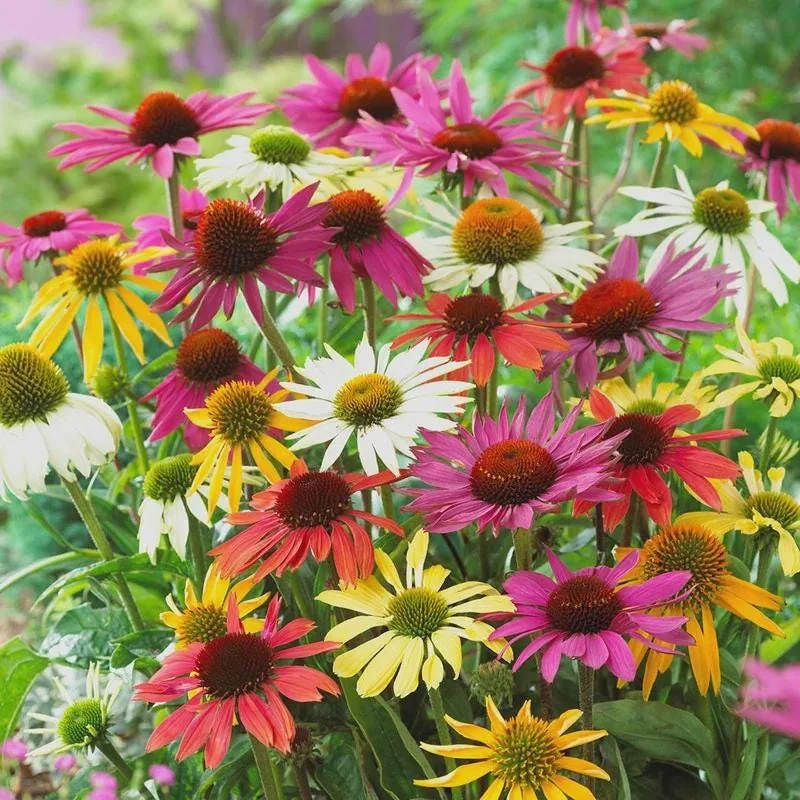
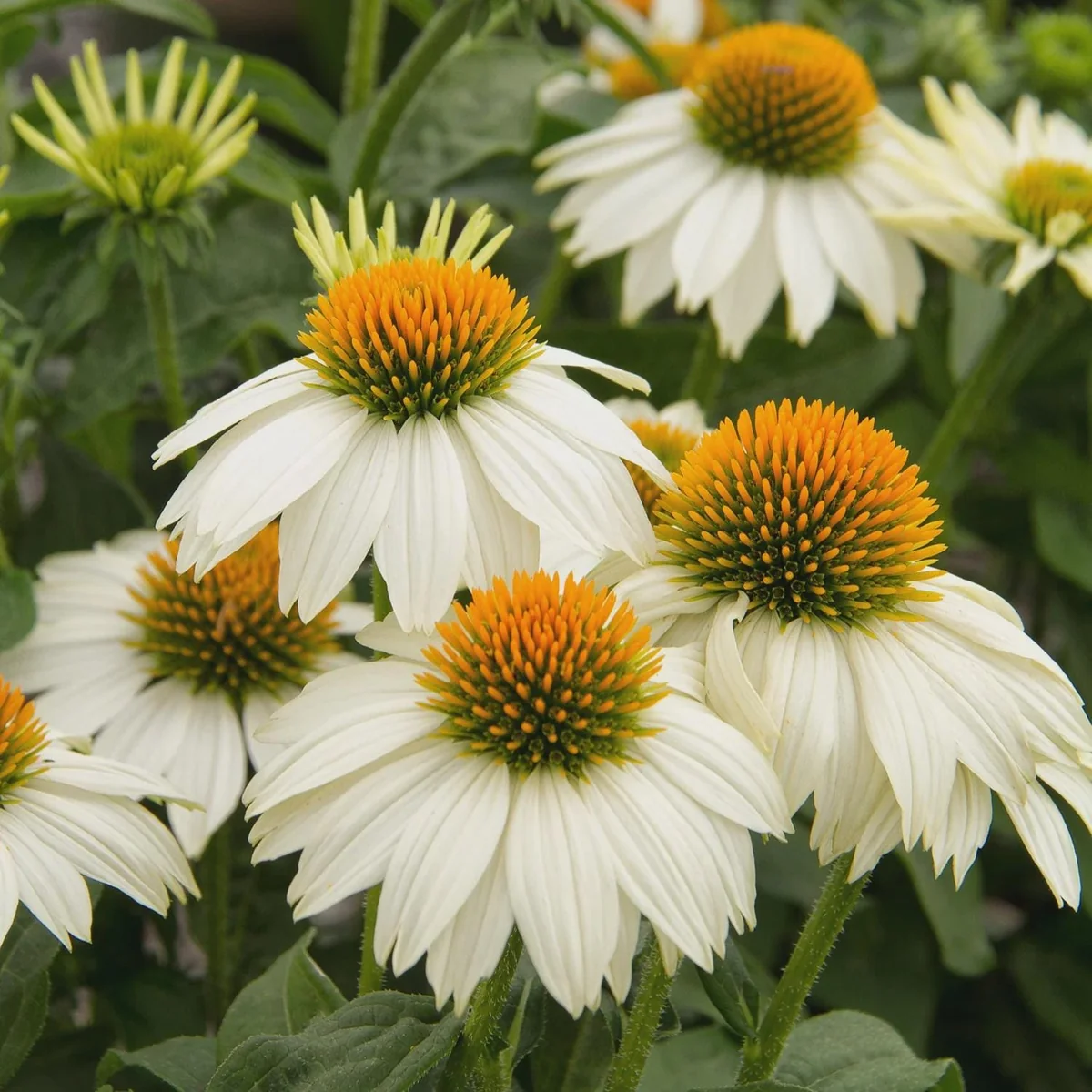
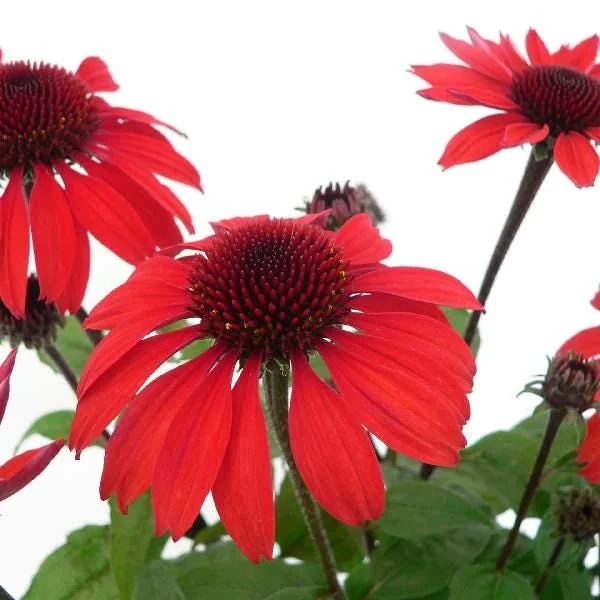
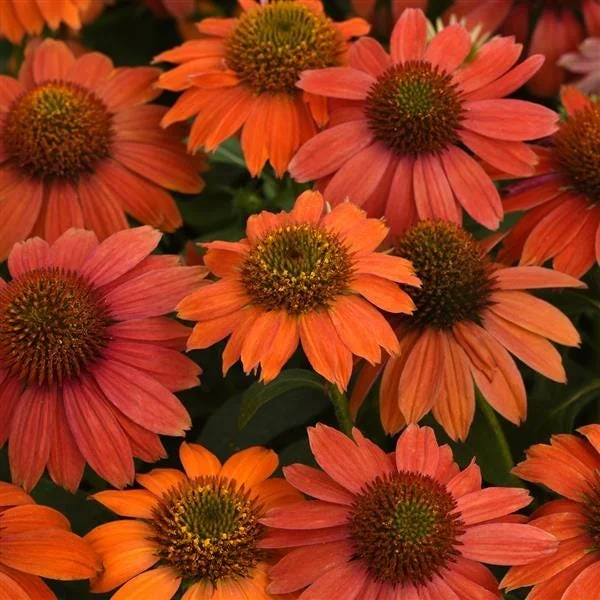
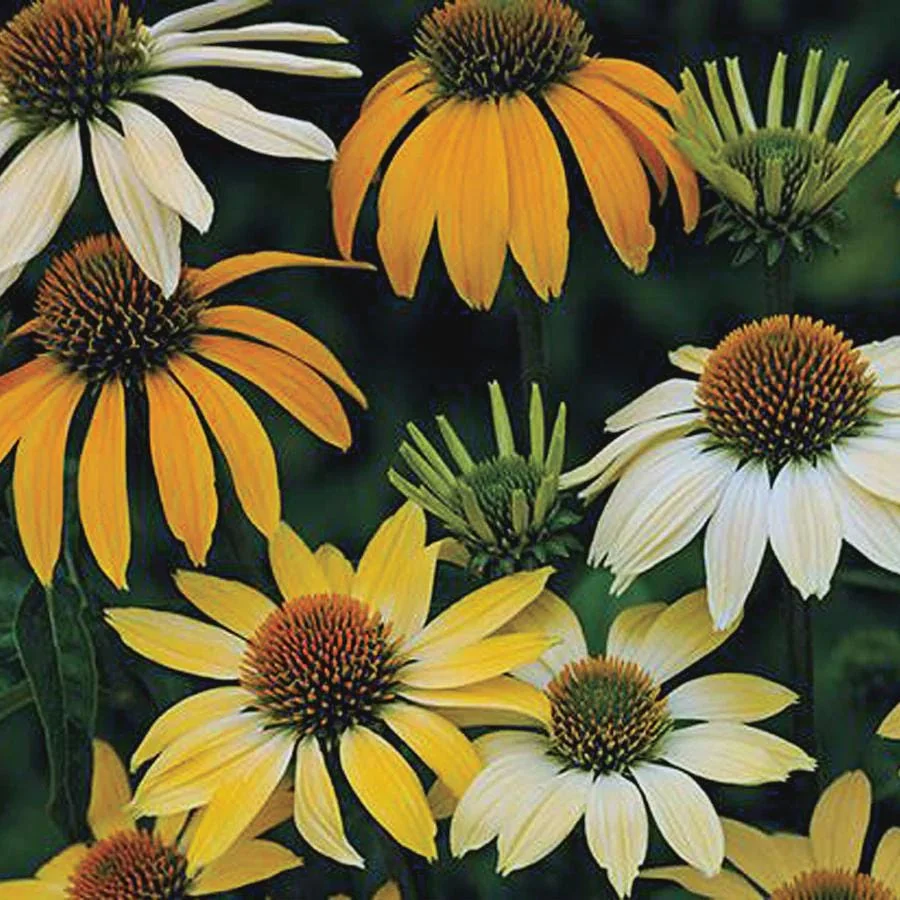
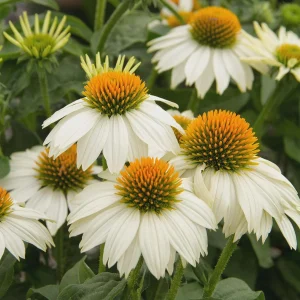
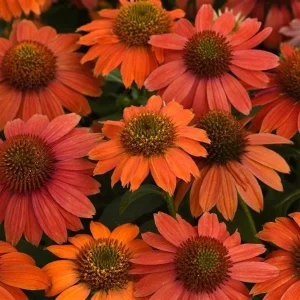
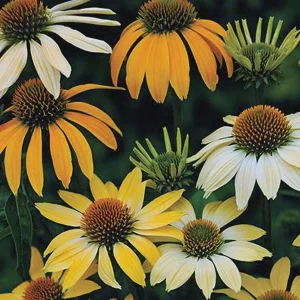
Introduce a splash of natural beauty and ecological benefit to your landscape with the Echinacea live plant starter. This robust perennial, commonly known as purple coneflower plant (Echinacea purpurea), is a beloved choice for gardeners seeking both aesthetic appeal and environmental contribution. Native to the moist prairies and meadows of central to southeastern America, Echinacea is celebrated for its showy, daisy-like purple flowers that can reach up to 5 inches in diameter. These magnificent blooms grace your garden throughout the summer, sitting atop stiff stems adorned with coarse, dark green leaves. Beyond its visual charm, Echinacea plays a vital role in supporting local ecosystems by attracting a diverse array of pollinators, including bees and butterflies, making it an indispensable addition to any pollinator garden. The plant’s enduring nature means its dead flower stems remain erect well into winter, providing visual interest and, if left unremoved, offering seeds that attract goldfinches and other birds.
Our Echinacea live plant starters are cultivated to ensure a healthy beginning in your garden. Known for its adaptability, this coneflower flourishes in a range of conditions, making it an excellent choice for both novice and experienced gardeners. Whether you’re looking to enhance a rock garden, cottage landscape bed, containers, or create stunning cut flower arrangements, Echinacea offers unparalleled versatility and charm. Its low-maintenance requirements combined with its striking appearance make it a top contender for adding consistent color and life to your outdoor spaces year after year.
Key Benefits
The Echinacea live plant offers a multitude of advantages for your garden and local ecosystem. Its robust nature and beautiful blooms make it a gardener’s favorite for many reasons:
- Attracts Pollinators: Echinacea is a magnet for bees, butterflies, and other beneficial insects, making it an essential plant for supporting biodiversity and creating a thriving pollinator garden.
- Deer Resistant: Enjoy your beautiful blooms without worry. This plant is known for its natural resistance to deer, ensuring your coneflowers remain untouched.
- Heat and Drought Tolerant: Once established, the purple coneflower plant can withstand periods of heat and drought, making it a resilient choice for various climates and busy gardeners.
- Low Maintenance: Requiring little more than regular watering, Echinacea is an easy-care perennial that thrives with minimal intervention, allowing you more time to enjoy your garden.
- Versatile Garden Use: Perfect for massing in borders, meadows, rock gardens, containers, or as part of a cut flower garden, this perennial coneflower adapts to many landscape designs.
- Long Blooming Season: Echinacea provides continuous blooms throughout the summer, offering extended periods of vibrant color when many other plants are fading.
- Wildlife Food Source: The seeds from the blackened cones can attract goldfinches and other birds in winter, providing a natural food source and adding winter interest to your garden.
Plant Care & Growing Tips
Growing a healthy Echinacea live plant is remarkably straightforward, thanks to its adaptable nature. It thrives best in average, dry to medium, well-drained soil. For optimal growth and prolific blooming, plant your coneflower in a location that receives full sun to partial shade. Full sun (at least 6 hours of direct sunlight per day) will encourage the most abundant flowering and robust growth. While it tolerates partial shade, too much shade can lead to leggy growth and fewer blooms.
Watering should be consistent during the plant’s establishment phase. Once mature, Echinacea is highly tolerant of drought conditions, requiring less frequent watering. Ensure the soil has good drainage to prevent root rot, as soggy conditions are detrimental to its health. This plant is highly adaptable and can tolerate various soil conditions, including poor soil, making it a forgiving choice for many garden types. The ideal temperature range for this purple coneflower plant is between 65-85°F (18-29°C) during its active growing season. It is hardy in USDA zones 3-9, meaning it can withstand cold winters and hot summers within these regions.
Fertilization is generally not heavily required for Echinacea. A light application of a balanced, slow-release granular fertilizer in early spring can promote vigorous growth and blooming. While deadheading (removing spent flowers) is not strictly necessary for reblooming, it can enhance the plant’s overall appearance and may encourage additional flower production. This perennial coneflower is generally resistant to most pests and diseases, further contributing to its low-maintenance appeal. Consider pairing it with other sun-loving perennials like Phlox, Shasta Daisies, Coreopsis, Black-Eyed Susans, and Agastache to create a stunning and cohesive garden display.
Size & Details
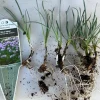
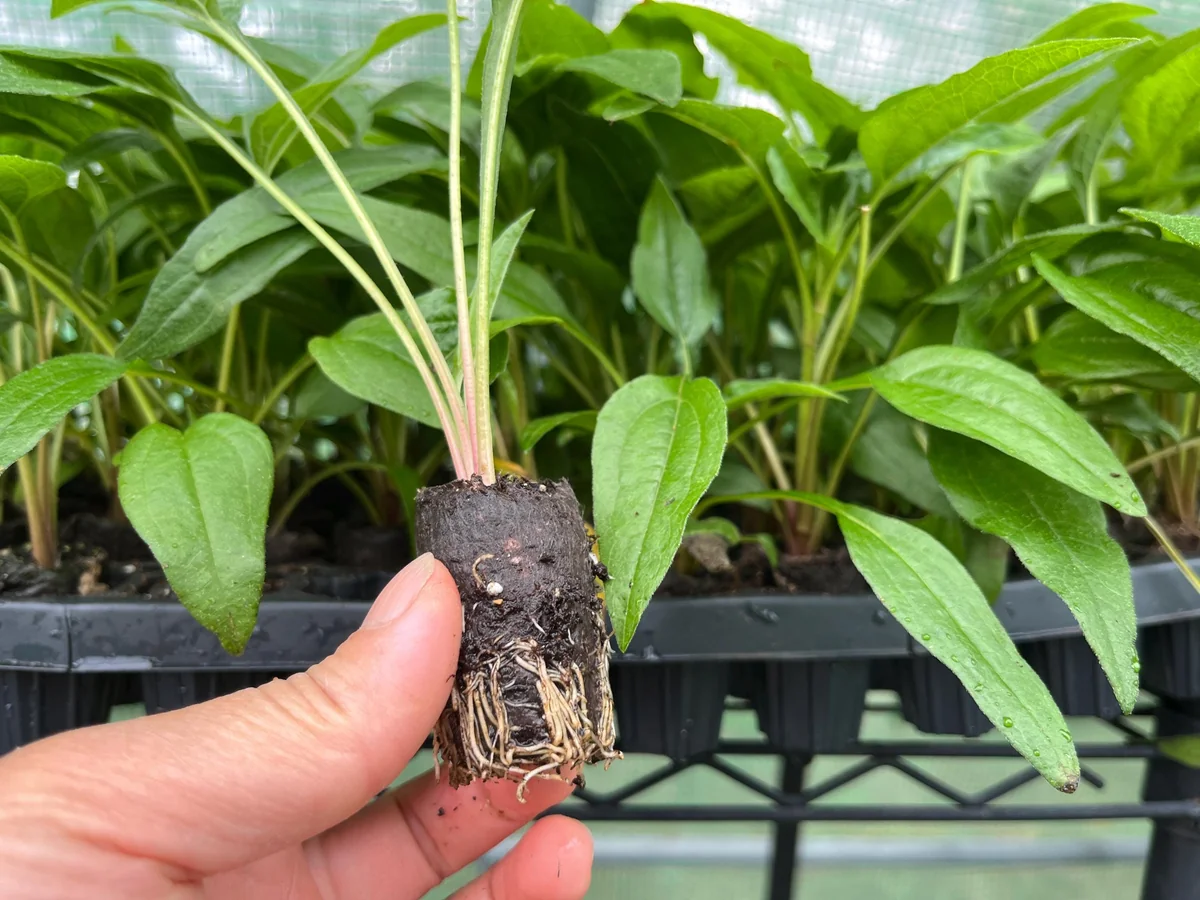
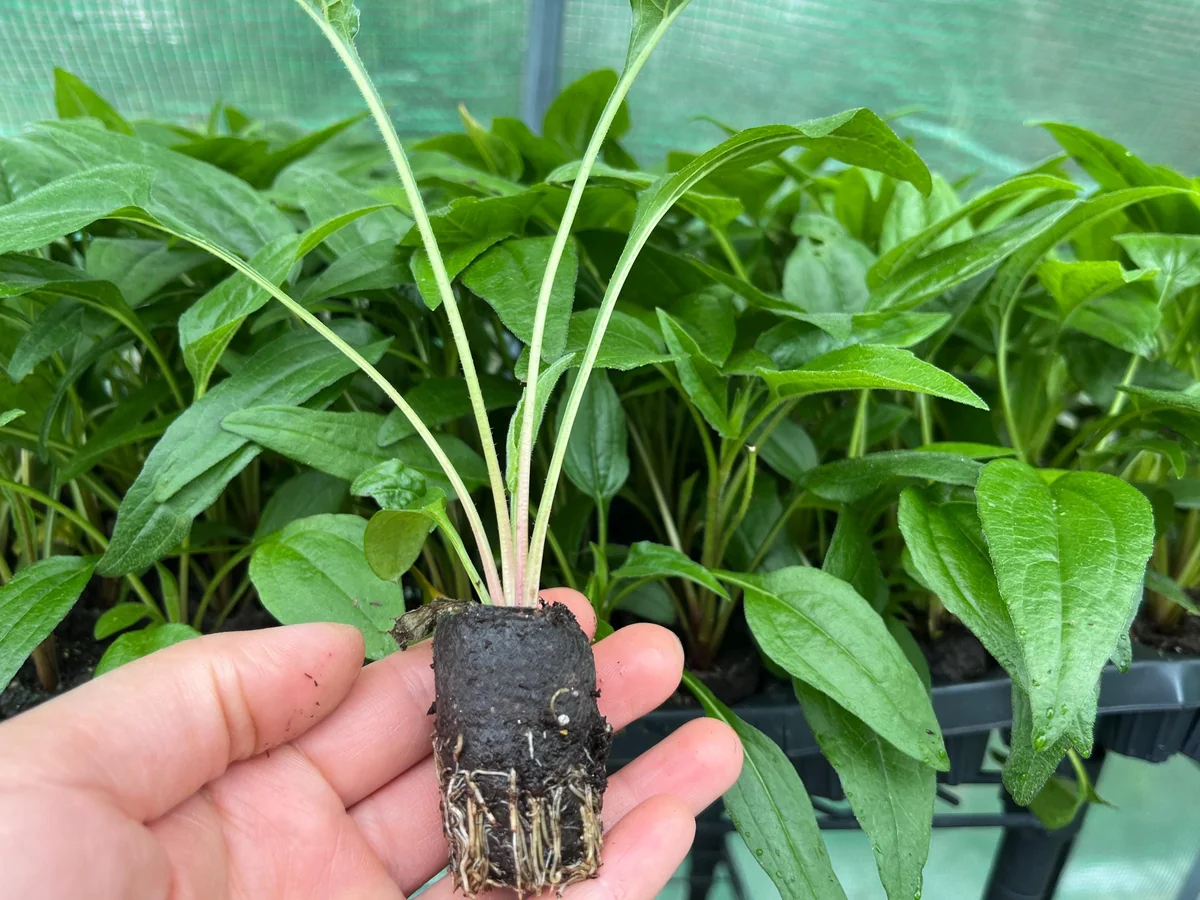
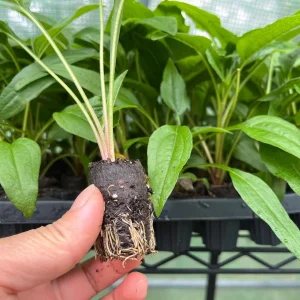
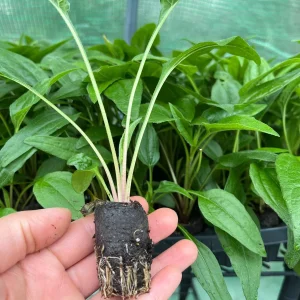
Each Echinacea live plant starter arrives as a healthy plug, ready for planting. These young plants are typically provided in a 1 inch x 1 inch x 1 1/4 inch container, offering a compact and easy-to-handle size for transplanting. While plant sizes can naturally vary slightly from one plug to another due to their organic growth, each is carefully cultivated to ensure viability. Echinacea purpurea typically grows to a mature height of 2 to 4 feet tall and spreads 1.5 to 2 feet wide, forming an upright clump. The growth rate is moderate, establishing quickly to provide blooms by the first or second year after planting. Expect these beautiful coneflowers to mature and showcase their full splendor, attracting hummingbirds and butterflies to your garden. This coneflower for pollinators is shipped in a way that minimizes stress, ensuring it arrives in the best possible condition for a successful transition to your garden.
Frequently Asked Questions
- Q: How big does this Echinacea live plant get? A: A mature Echinacea live plant typically grows 2 to 4 feet tall with a spread of 1.5 to 2 feet, forming an attractive upright clump in your garden.
- Q: What size pot does the plant come in? A: Each Echinacea live plant starter is provided in a 1 inch x 1 inch x 1 1/4 inch container, ideal for transplanting into your garden or a larger pot.
- Q: Is this an indoor or outdoor plant? A: Echinacea is primarily an outdoor perennial plant, thriving in garden beds, borders, and containers where it can receive ample sunlight.
- Q: How much sunlight does it need? A: For best results and abundant blooms, this purple coneflower plant requires full sun (at least 6 hours of direct sunlight daily) but can tolerate partial shade.
- Q: Is this plant easy to care for? A: Yes, Echinacea is known for being very easy to grow and low-maintenance. It’s tolerant of heat, drought, and poor soil conditions, making it suitable for beginners.
- Q: Is it good for beginners? A: Absolutely! Its resilience and minimal care requirements make it an excellent choice for gardeners of all experience levels, especially those new to perennials.
- Q: What condition will it arrive in? A: We carefully pack our live plants to ensure they arrive as healthy as possible. While some minor stress or yellowing of leaves can occur during shipping, new growth will emerge as the plant recovers.
- Q: Is it shipped in soil? A: Yes, the Echinacea live plant starter will arrive as a plug in its small container with soil, ready for immediate planting upon arrival.
- Q: How long until it blooms? A: Your perennial coneflower will typically begin blooming in its first or second year after planting, providing beautiful flowers throughout the summer months.
- Q: When is the best time to plant? A: The best time to plant Echinacea starters is in spring or early summer after the last frost, allowing them ample time to establish before winter.
- Q: Will it survive winter in my zone? A: Echinacea is hardy in USDA Zones 3-9, meaning it is perennial in these regions and will return year after year after surviving winter.
- Q: What’s the minimum temperature it can withstand? A: This plant can typically withstand winter temperatures down to -40°F (-40°C) within its hardiness zones once established.


Reviews
There are no reviews yet.