
Overview
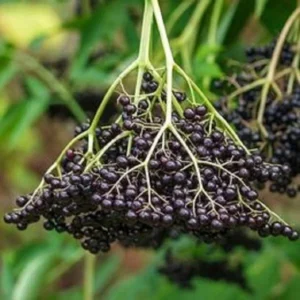
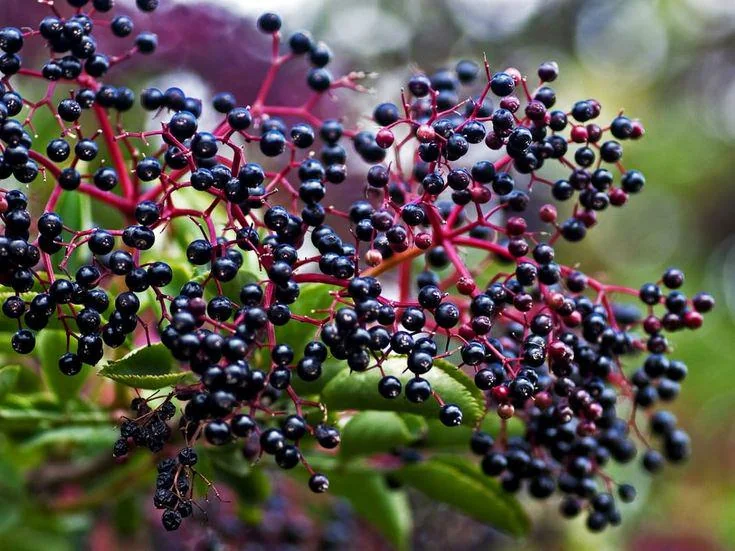
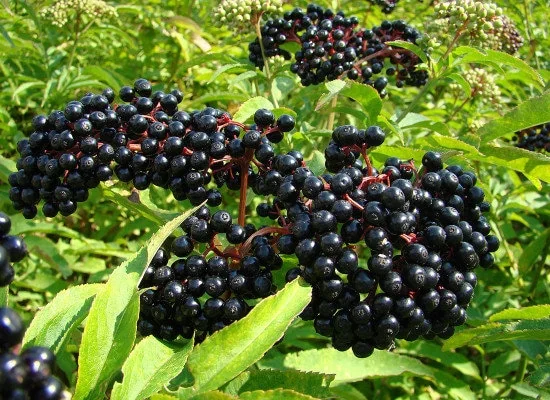
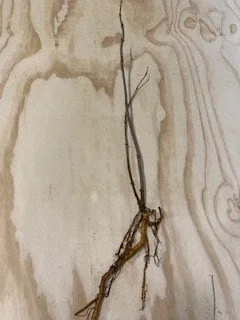
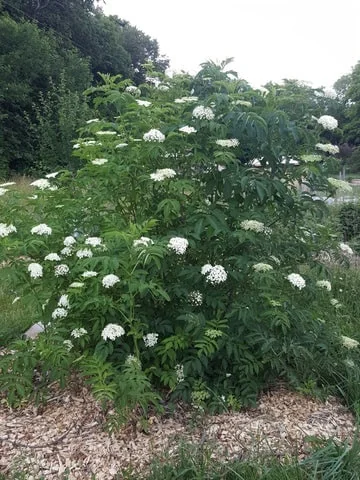
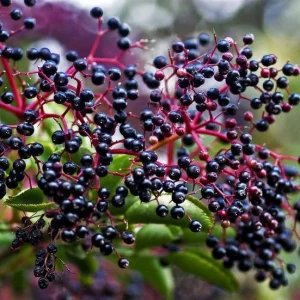
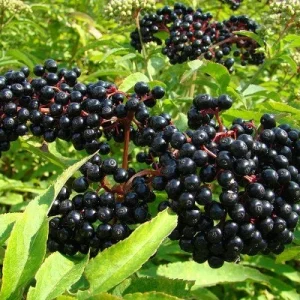
Discover the joy of growing your own fruit with this elderberry bare root plant. The American black elderberry, scientifically known as Sambucus Canadensis, is a versatile and attractive shrub prized for its ornamental value, ecological benefits, and most notably, its delicious and healthful berries. This offering provides you with a healthy 6-12 inch tall bare root plant, an economical and effective way to establish this wonderful plant in your garden. Elderberries are known for their rapid growth and adaptability, making them an excellent choice for both novice and experienced gardeners. Once established, these shrubs produce clusters of fragrant white flowers in late spring to early summer, followed by abundant purple-black berries that ripen in late summer. These berries are not only a favorite for making jams, jellies, pies, and wines, but they also offer significant nutritional benefits.
Bringing an elderberry bare root plant into your landscape means inviting a piece of native North American flora that thrives with minimal fuss. This resilient shrub contributes to local biodiversity by attracting pollinators and birds, creating a vibrant ecosystem right in your backyard. The bare root format ensures a strong start, as the plant can focus its energy on developing a robust root system once planted. With proper care, your Sambucus Canadensis will quickly grow into a productive and beautiful addition to your garden.
Key Benefits
The elderberry bare root plant offers a multitude of benefits, making it a valuable addition to any garden. From its aesthetic appeal to its practical uses, this shrub is a true garden workhorse.
- Abundant Edible Berries: Enjoy a prolific harvest of purple-black berries perfect for culinary uses such as jams, jellies, pies, and elderberry wine. This edible berries plant provides a sustainable source of fruit for your home.
- Attracts Pollinators and Wildlife: The fragrant white flowers are a magnet for bees, butterflies, and other beneficial pollinators, while the berries provide a food source for birds, enhancing your garden’s ecosystem.
- Medicinal Properties: Elderberries are renowned for their traditional medicinal uses, particularly their immune-boosting properties, making them a valuable plant for health-conscious gardeners.
- Hardy and Adaptable: The American black elderberry is incredibly resilient, tolerant of a wide range of soil types and growing conditions, making it suitable for many different climates and garden styles.
- Fast Growing Shrub: This fast-growing shrub quickly establishes itself, providing visual interest and a bountiful harvest sooner than many other fruit-bearing plants.
- Low Maintenance: Once established, Sambucus Canadensis requires minimal care, thriving with basic watering and occasional pruning, ideal for gardeners seeking an easy-to-manage plant.
- Attractive Ornamental Value: Beyond its fruit, the elderberry offers beautiful clusters of white flowers and lush foliage, adding significant ornamental appeal to your landscape throughout the growing season.
Plant Care & Growing Tips
Proper care for your elderberry bare root plant ensures vigorous growth and a plentiful harvest. Elderberries are relatively easy to grow, making them a great choice for various gardening skill levels. The first step is selecting the right location. Elderberries thrive in full sun to partial shade, meaning they need at least 6 hours of direct sunlight per day for optimal fruit production. While they can tolerate some shade, more sun generally leads to more berries. They prefer well-drained, rich soil with a pH between 5.5 and 6.5. Amending your soil with compost or other organic matter before planting will provide a healthy start for your Sambucus Canadensis care.
When planting your bare root elderberry, dig a hole wide enough to spread the roots out without bending them. Plant the bare root so that the crown (where the roots meet the stem) is at or slightly below the soil line. Backfill the hole with soil, gently tamping it down to remove air pockets. Water thoroughly immediately after planting. During the first growing season, consistent watering is crucial, especially during dry spells, to help the plant establish its root system. Once established, elderberries are quite drought-tolerant but will benefit from regular watering during prolonged dry periods. Fertilize in early spring with a balanced slow-release fertilizer or compost. Pruning is best done in late winter or early spring while the plant is dormant. Remove any dead, damaged, or crossing branches, and thin out older, less productive canes to encourage new growth and better fruit production. Understanding how to grow elderberry successfully involves these simple yet vital steps.
Size & Details
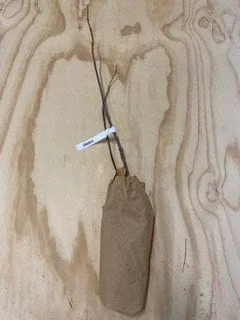
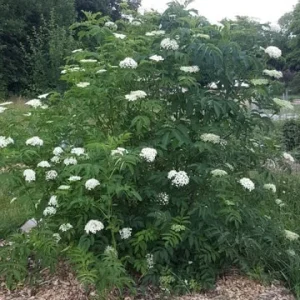
This offering includes two elderberry bare root plant specimens, each measuring approximately 6-12 inches in height upon arrival. These bare root plants are dormant and ready for planting, allowing them to focus their energy on root development once in the ground. The American black elderberry typically grows into a multi-stemmed shrub, reaching a mature height of 6-13 feet (2-4 meters) and a similar spread, though it can be kept smaller with pruning. It features opposite, pinnately compound leaves that are 6-12 inches long, with 5-11 leaflets that are green on top and paler underneath. Flowers are borne in large, flat-topped clusters (inflorescences) measuring 5-9 inches wide, containing hundreds of small, white 4- to 5-petaled flowers. The fruits are small, purple-black berries, about 0.25 inches in diameter, ripening in late summer. This robust shrub is known for its relatively fast growth rate, allowing you to enjoy flowers and berries within a few years of planting.
Frequently Asked Questions
- Q: How big does this elderberry bare root plant get? A: The American black elderberry typically grows to a height of 6 to 13 feet and a similar spread. Regular pruning can help manage its size and shape.
- Q: When is the best time to plant a bare root elderberry? A: The ideal time to plant bare root elderberry is in early spring, as soon as the soil can be worked, giving the plant ample time to establish before the summer heat.
- Q: How much sunlight does the Sambucus Canadensis care require? A: Elderberries prefer full sun to partial shade. For the best fruit production, aim for at least 6 hours of direct sunlight per day.
- Q: Is this an indoor or outdoor plant? A: This is an outdoor plant, suitable for garden beds, hedgerows, or naturalized areas where it has space to grow.
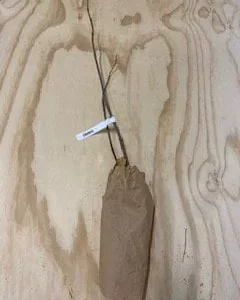
- Q: What condition will the bare root plant arrive in? A: Your elderberry bare root plant will arrive dormant, without leaves, ensuring it is ready for immediate planting and establishment.
- Q: How long until I can expect berries from my edible berries plant? A: You can typically expect your elderberry plant to start producing berries within 2-3 years after planting, with increasing yields as it matures.
- Q: What USDA hardiness zones are suitable for elderberries? A: The American black elderberry is quite hardy and generally thrives in USDA zones 3 through 9.
- Q: Do I need more than one elderberry plant for fruit production? A: While elderberries are somewhat self-fertile, planting two or more different varieties can significantly increase fruit set and yield due to cross-pollination.
- Q: How do I prune my elderberry plant? A: Prune in late winter or early spring by removing any dead or weak canes. You can also remove about one-third of the oldest canes annually to encourage new, productive growth.
- Q: Can I use the berries for medicinal purposes? A: Yes, elderberries are widely used for their traditional medicinal properties. However, it’s important to note that raw elderberries should not be consumed; they must be cooked before eating.


Reviews
There are no reviews yet.