Overview
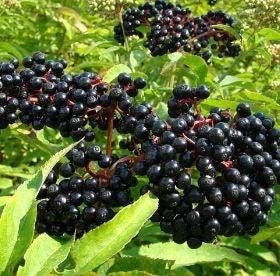
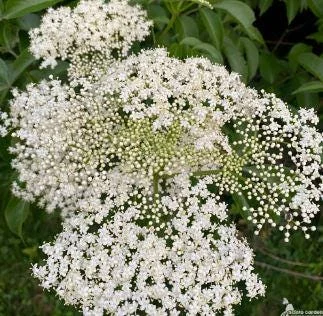
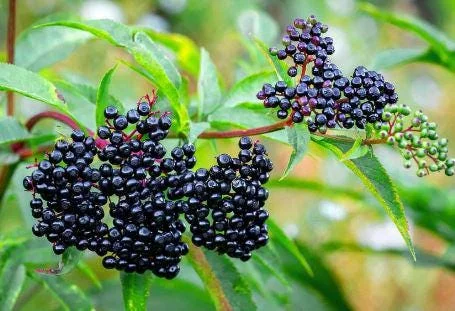
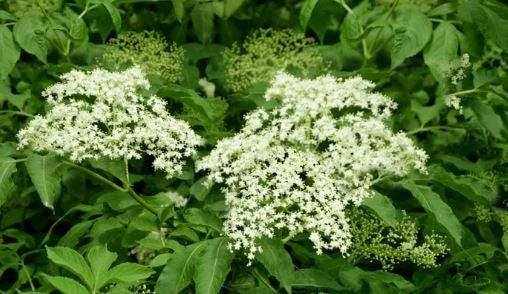
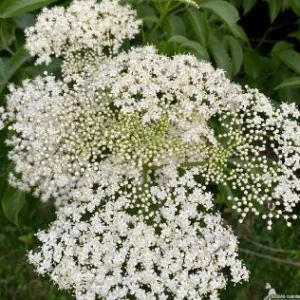
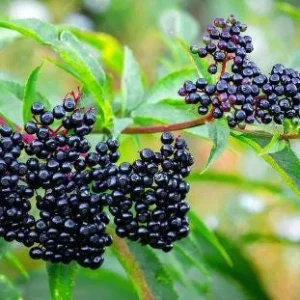
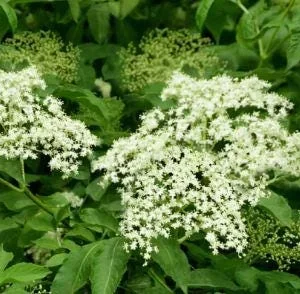
Bring the beauty and bounty of nature to your garden with this vibrant elderberry live plant. Standing at a healthy 4 to 6 inch tall, this young shrub is ready to establish itself and begin its journey towards producing a harvest of nutritious berries. Elderberries (scientific name: Sambucus spp.) are renowned for their ornamental value, with delicate white flower clusters in spring, followed by dark purple or black berries in late summer to early autumn. These versatile plants are not only a feast for the eyes but also a valuable addition to any edible landscape, attracting pollinators and providing a source of fruit for jams, jellies, pies, and beverages. Growing your own elderberry live plant offers the satisfaction of cultivating a plant that is both beautiful and functional.
Key Benefits
Adding an elderberry plant to your garden offers numerous advantages, from ecological benefits to culinary delights. This resilient shrub is a fantastic choice for both novice and experienced gardeners.
- Edible Berries: Enjoy a seasonal harvest of nutrient-rich elderberries, perfect for making delicious jams, jellies, syrups, and wine. The berries are known for their distinct flavor and health benefits.
- Attractive Blooms: In late spring to early summer, the plant produces clusters of fragrant, creamy-white flowers that are visually appealing and can also be used to make elderflower cordial or fritters.
- Pollinator Magnet: The flowers are a significant nectar source for bees, butterflies, and other beneficial insects, enhancing the biodiversity of your garden.
- Wildlife Food Source: Beyond human consumption, the berries provide food for birds and other wildlife, contributing to a healthy ecosystem.
- Low Maintenance: Once established, elderberry plants are relatively easy to care for, requiring minimal attention and thriving in a variety of conditions. This makes elderberry plant care straightforward for most gardeners.
- Hardy and Adaptable: Elderberries are known for their resilience, tolerating a range of soil types and climates, making them a reliable choice for many regions.
- Medicinal Properties: Traditionally, elderberries and elderflowers have been used in herbal remedies for their immune-boosting properties. Learning how to grow elderberry can provide access to these natural benefits.
Plant Care & Growing Tips
Caring for your elderberry live plant is generally straightforward, ensuring a bountiful harvest and healthy growth for years to come. Elderberries prefer a location with full sun to partial shade. For optimal berry production, aim for at least 6 hours of direct sunlight per day. While they tolerate some shade, too little sun can reduce flowering and fruiting. These plants are adaptable to a range of soil types but thrive best in well-draining, moist, and fertile soil. A slightly acidic to neutral pH (5.5-6.5) is ideal. Incorporating organic matter like compost before planting will significantly improve soil structure and nutrient content.
Consistent moisture is crucial, especially during the plant’s establishment phase and dry spells. Water deeply and regularly, ensuring the soil remains consistently damp but not waterlogged. Once established, elderberries are somewhat drought-tolerant but will perform better with supplemental watering during prolonged dry periods. Fertilize in early spring with a balanced, all-purpose fertilizer or a layer of compost around the base of the plant. Pruning is important for maintaining plant health and maximizing fruit production. In late winter or early spring, remove any dead, damaged, or crossing branches. You can also thin out older, less productive canes to encourage new growth. Watch out for common pests like aphids and borers, and diseases such as powdery mildew, treating them promptly with organic solutions if necessary. Understanding elderberry plant care will lead to a thriving sambucus plant.
Size & Details
This offering is for one healthy elderberry live plant, meticulously nurtured to reach a height of 4 to 6 inch tall upon arrival. These young plants are typically shipped in a nursery pot with a robust root system, ensuring a smooth transition to your garden. Elderberry plants are fast growers and can reach mature heights of 6-12 feet with a similar spread, depending on the variety and growing conditions. Expect to see significant growth in the first few seasons. While they may produce a small amount of fruit in their first year, substantial harvests usually begin in the second or third year after planting. This plant is an excellent choice for those looking for an edible berry plant that is both productive and attractive.
Frequently Asked Questions
- Q: How big will this elderberry plant get? A: This elderberry live plant arrives at 4 to 6 inches tall. With proper care, elderberry plants can grow to a mature height of 6 to 12 feet and spread similarly, depending on the specific variety and growing conditions in your garden.
- Q: Is this an indoor or outdoor plant? A: Elderberry plants are outdoor shrubs. They require ample sunlight and space to grow, making them ideal for gardens, edible landscapes, or large containers outdoors. They are not suitable as indoor houseplants.
- Q: How much sunlight does an elderberry plant need? A: For the best growth and fruit production, elderberry plants prefer full sun, meaning at least 6 hours of direct sunlight per day. They can tolerate partial shade, but this may result in fewer flowers and berries.
- Q: Is this plant easy to care for? A: Yes, elderberry plants are relatively easy to care for once established. They are adaptable and resilient, making elderberry plant care suitable for gardeners of all experience levels. Consistent watering and annual pruning are the main requirements.
- Q: What condition will the plant arrive in? A: Your elderberry live plant will arrive carefully packaged, typically in a nursery pot with its root system intact and soil moist, ready for planting. We take great care to ensure it reaches you in optimal health.
- Q: When is the best time to plant an elderberry? A: The best time to plant an elderberry is in spring after the last frost, or in early fall. This allows the plant to establish its root system before extreme temperatures.
- Q: Can I use the berries for cooking? A: Absolutely! The berries from your sambucus plant are excellent for making jams, jellies, syrups, pies, and even wine. Ensure the berries are fully ripe before consumption, as unripe berries can be mildly toxic.
- Q: How long until it produces berries? A: While your elderberry plant might produce a small amount of fruit in its first year, you can typically expect a more significant harvest starting in the second or third year after planting.
- Q: What USDA hardiness zones are elderberries suitable for? A: Most common elderberry varieties are hardy in USDA Zones 3-9, though specific varieties may vary. This broad range makes them a versatile edible berry plant for many climates.
- Q: Do I need more than one plant for fruit production? A: While some elderberry varieties are self-pollinating, planting two different varieties will often result in better cross-pollination and a more abundant fruit yield. This is a key tip on how to grow elderberry successfully.


Reviews
There are no reviews yet.