Overview
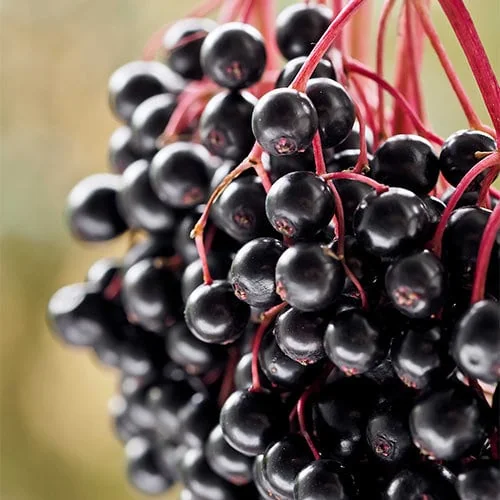
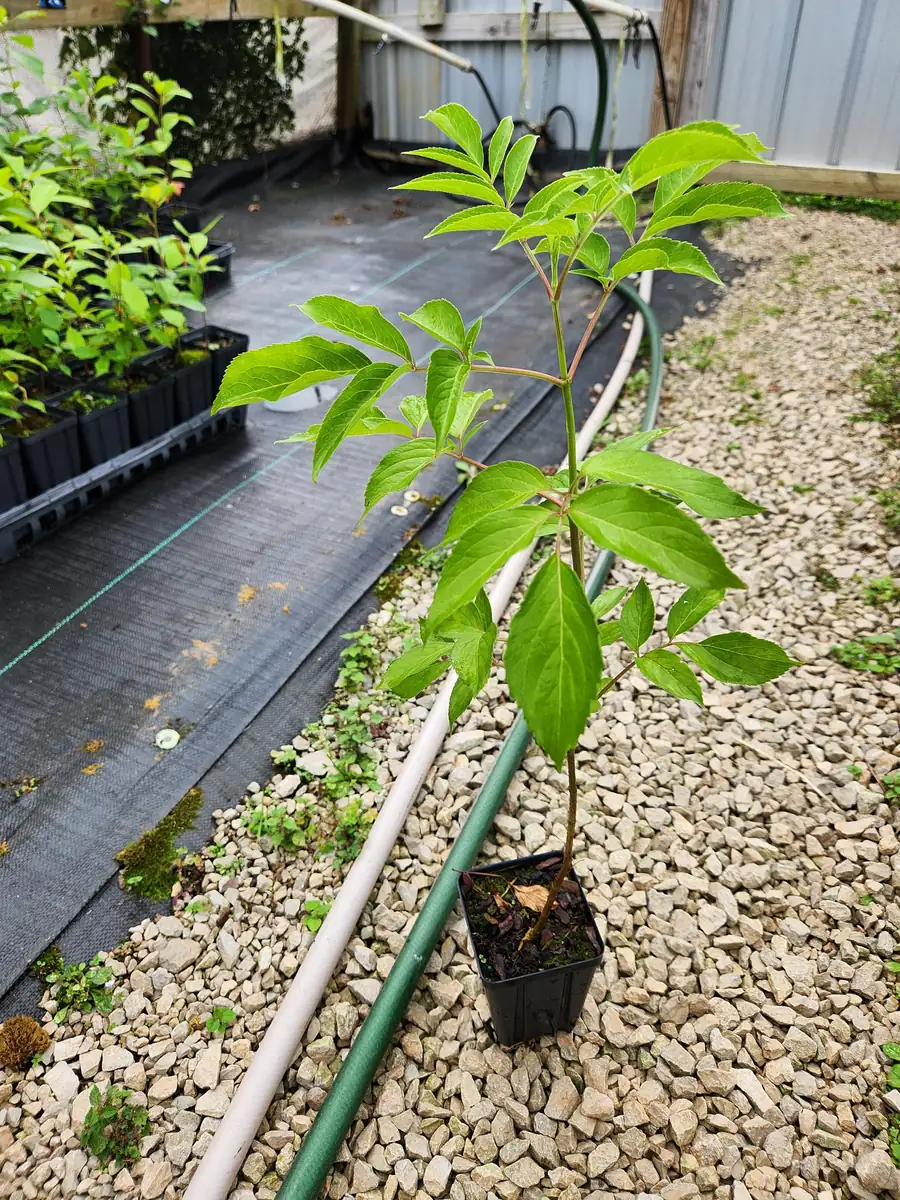
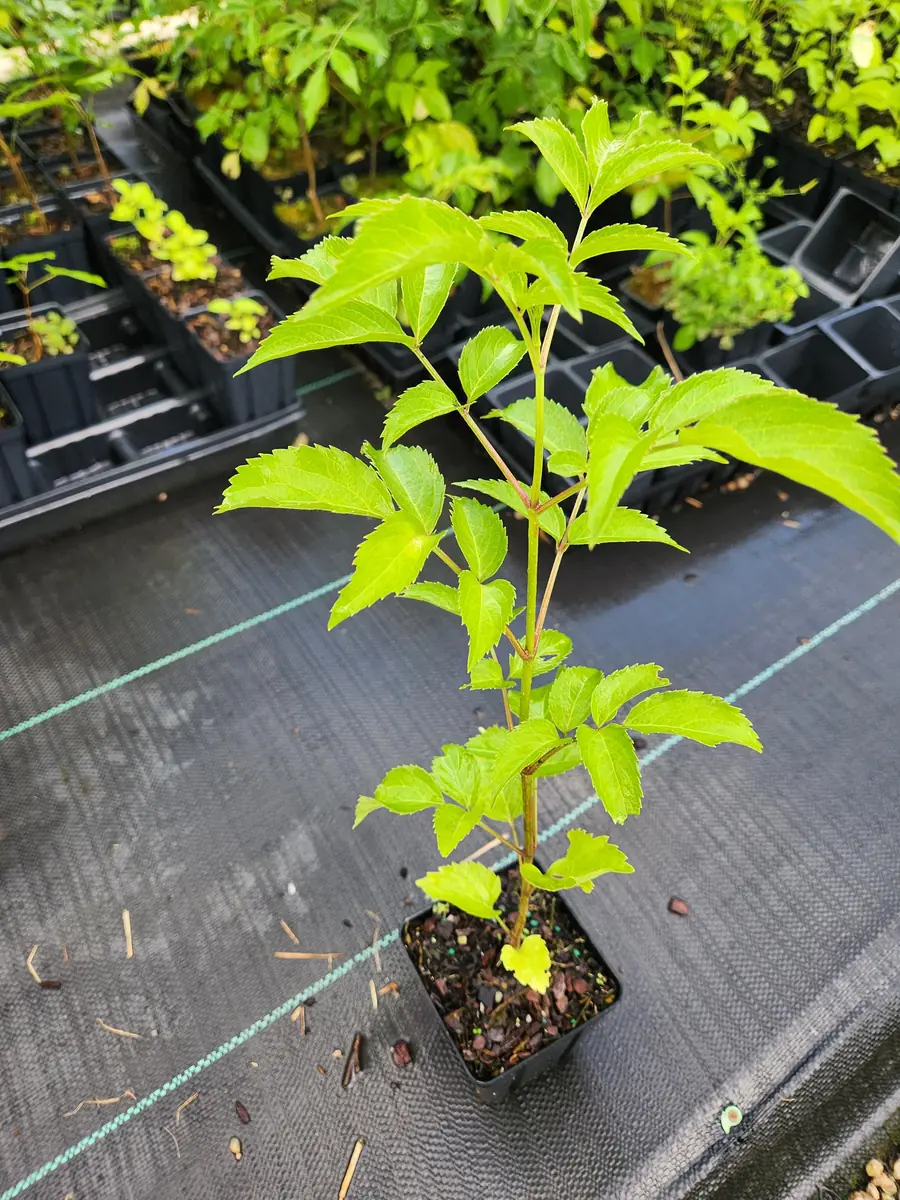
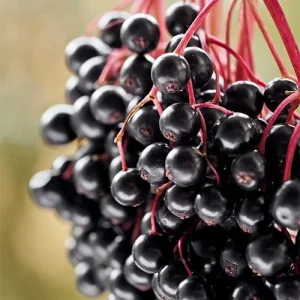
Introduce a magnificent addition to your garden with this robust elderberry live plant, scientifically known as Sambucus Canadensis. This hardy deciduous shrub is a fantastic choice for gardeners looking to enhance their landscape with both ornamental beauty and ecological benefits. Known for its lush foliage, showy white flower clusters that emerge in early summer, and an abundance of dark purple berries, the elderberry plant is a versatile and rewarding species. Whether you’re aiming to attract local wildlife or simply enjoy the aesthetic appeal of a thriving shrub, this elderberry live plant offers a wonderful opportunity to cultivate nature’s bounty right in your backyard. It arrives ready to plant in a 4-inch container, providing a healthy start for establishment.
The Sambucus Canadensis, or American Elderberry, is a native species celebrated for its adaptability and ease of care. It’s an excellent choice for various garden settings, from naturalized areas to more formal shrub borders. The vibrant green leaves provide a beautiful backdrop for the delicate white flowers, which eventually transform into clusters of berries. These berries are not only a favorite food source for birds and other small animals but are also used by humans for a variety of culinary and medicinal purposes. Starting with a vigorous elderberry live plant ensures you’re on your way to enjoying these benefits sooner.
Key Benefits
Cultivating an elderberry live plant in your garden offers a multitude of advantages, enriching both your landscape and local ecosystem. This versatile shrub provides continuous interest throughout the growing season, from its emergence in spring to its fall foliage. Here are some of the key benefits:
- Attracts Wildlife: The dark purple berries produced by the elderberry live plant are a significant food source for birds, butterflies, and other pollinators, contributing to biodiversity in your garden.
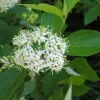
- Showy Flowers: Enjoy beautiful, fragrant white flower clusters from June to July, adding a delightful visual and aromatic element to your outdoor space. These flowers are also known to attract beneficial insects.
- Adaptable & Hardy: This plant is highly adaptable to various soil conditions and climates, thriving in USDA zones 3-9, making it a resilient choice for many regions. Its hardiness ensures it can withstand a range of environmental stressors.
- Rapid Growth: Elderberry plants are known for their relatively fast growth rate, allowing you to enjoy a mature shrub and its benefits in a shorter period.
- Low Maintenance: Once established, the elderberry live plant requires minimal care, making it an ideal option for both novice and experienced gardeners.
- Erosion Control: Its extensive root system can help stabilize soil, making it useful for preventing erosion in sloped areas or along water bodies.
- Edible & Medicinal Uses: Beyond its ornamental value, the berries and flowers can be harvested for jams, jellies, wines, and traditional remedies, offering a practical benefit for those interested in foraging.
Plant Care & Growing Tips
Proper care is essential for ensuring your elderberry live plant thrives and produces abundant flowers and berries. Elderberries are relatively low-maintenance once established, but providing the right conditions from the start will promote vigorous growth. This plant prefers a location with full sun to partial shade, meaning at least 6 hours of direct sunlight per day for optimal flowering and fruiting. While it can tolerate some shade, too little light may result in fewer flowers and a reduced berry yield. Ensure good air circulation around the plant to prevent fungal issues, especially in humid climates.
When it comes to soil, the Sambucus Canadensis is quite adaptable but performs best in medium to wet, well-drained soils. Loamy soils rich in organic matter are ideal. While it tolerates a range of pH levels, a slightly acidic to neutral pH (6.0-7.0) is preferred. Consistent moisture is crucial, especially during dry spells and in its first year of establishment. Water deeply and regularly, ensuring the soil remains moist but not waterlogged. Avoid planting in areas where water tends to collect, as this can lead to root rot. Mulching around the base of the plant can help retain soil moisture and suppress weeds.
Fertilization is generally not heavily required for a healthy elderberry live plant. A balanced slow-release fertilizer can be applied in early spring before new growth begins, particularly if your soil is poor. Pruning is important for maintaining plant health and productivity. In late winter or early spring, remove any dead, damaged, or weak branches. You can also prune to maintain shape and size, and to encourage new growth which typically bears the most fruit. The elderberry shrub is resilient and can even be cut back to the ground every few years to rejuvenate it, a practice often referred to as coppicing. This helps maintain a manageable size and encourages robust new growth and flowering. Understanding how to grow elderberry successfully involves these basic, yet crucial, steps.
Size & Details
This elderberry live plant arrives rooted in a 4-inch container, providing a solid foundation for growth. At the time of shipping, the plant is typically 6-8 inches in height, ready for transplanting into your garden or a larger pot. Upon maturity, the Sambucus Canadensis can reach an impressive size of 5-12 feet in height with an equal spread, forming a substantial and attractive shrub. Its relatively fast growth rate means you won’t have to wait long to see significant development and enjoy its benefits. The plant is a deciduous shrub, meaning it will lose its leaves in the fall and regrow them in the spring.
The showy white flowers typically begin blooming in June and continue through July, providing a beautiful display during the summer months. Following the flowers, clusters of dark purple berries will develop, usually ripening in late summer to early fall. This plant is suitable for USDA Hardiness Zones 3-9, indicating its wide adaptability across various climates. It ships as a healthy, actively growing plant, carefully packaged to ensure its safe arrival. Planting instructions are included with your purchase to guide you through the successful establishment of your new elderberry shrub.
Frequently Asked Questions
- Q: How big does this plant get at maturity? A: This elderberry live plant can grow to be quite substantial, reaching a mature height of 5-12 feet and a similar spread, forming a large, bushy shrub in your garden.
- Q: What size pot does it come in? A: Your elderberry plant will arrive rooted in a standard 4-inch nursery container, providing a healthy root system ready for transplanting.
- Q: Is this an indoor or outdoor plant? A: The elderberry live plant (Sambucus Canadensis) is primarily an outdoor plant, best suited for garden beds, hedges, or naturalized areas where it has space to grow.
- Q: How much sunlight does it need? A: For optimal growth and fruit production, this plant prefers full sun to partial shade, ideally receiving at least 6 hours of direct sunlight per day.
- Q: Is this plant easy to care for? A: Yes, the elderberry is considered a relatively easy-care plant, especially once established. It’s known for its hardiness and adaptability, making it a great choice for various gardening skill levels. For optimal results, follow our detailed elderberry plant care tips.
- Q: What condition will it arrive in? A: Your plant will arrive as a healthy, actively growing specimen, carefully packaged to minimize stress during transit, typically 6-8 inches tall.
- Q: When is the best time to plant? A: The best time to plant your elderberry shrub is in spring or early fall, allowing it ample time to establish its roots before extreme temperatures.
- Q: Will it survive winter in my zone? A: Yes, this particular variety, Sambucus Canadensis, is very cold-hardy and thrives in USDA Zones 3-9, making it suitable for surviving cold winters in many regions.
- Q: What type of soil does it prefer? A: Elderberries prefer medium to wet, well-drained soils. They are adaptable but perform best in loamy soils rich in organic matter.
- Q: How long until it blooms? A: Depending on planting time and growing conditions, your elderberry live plant may begin to produce its showy white flowers in its first or second year, typically blooming from June to July.


Reviews
There are no reviews yet.