Overview
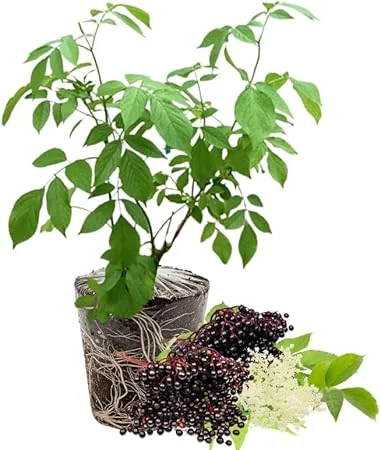
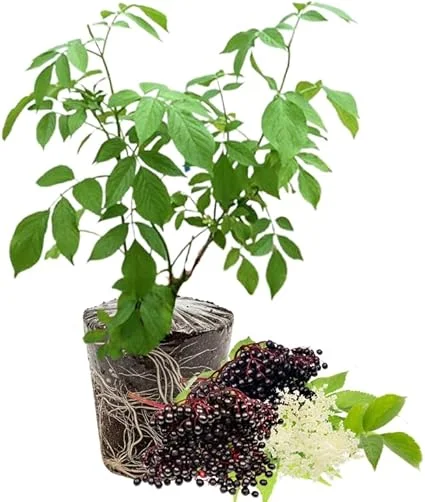
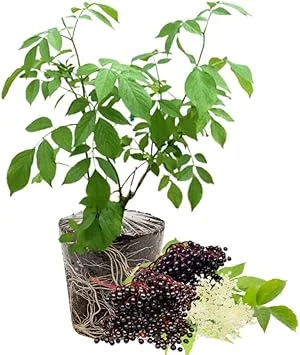
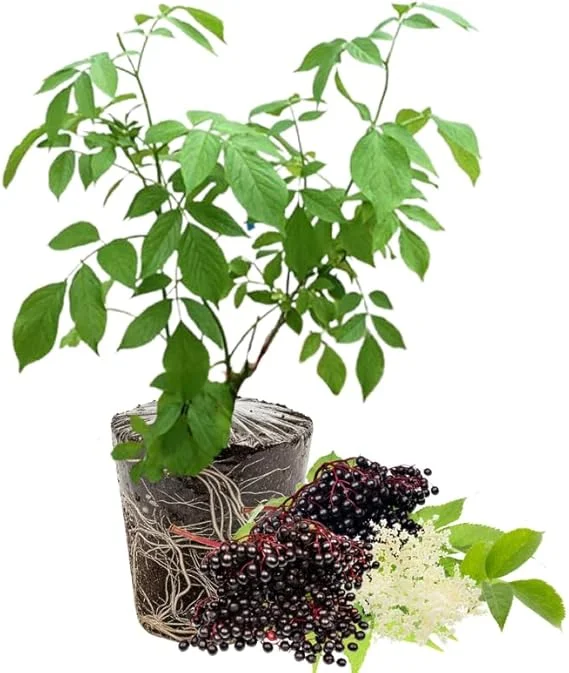
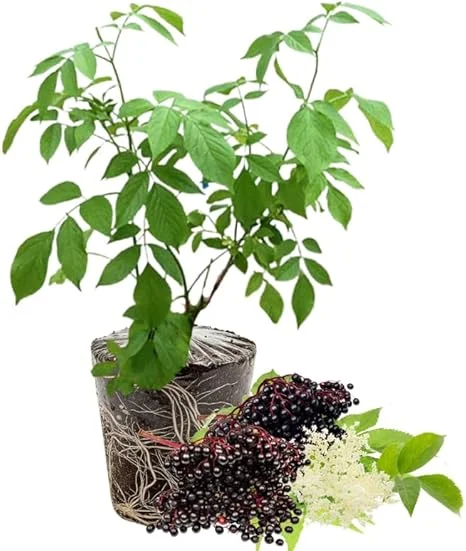
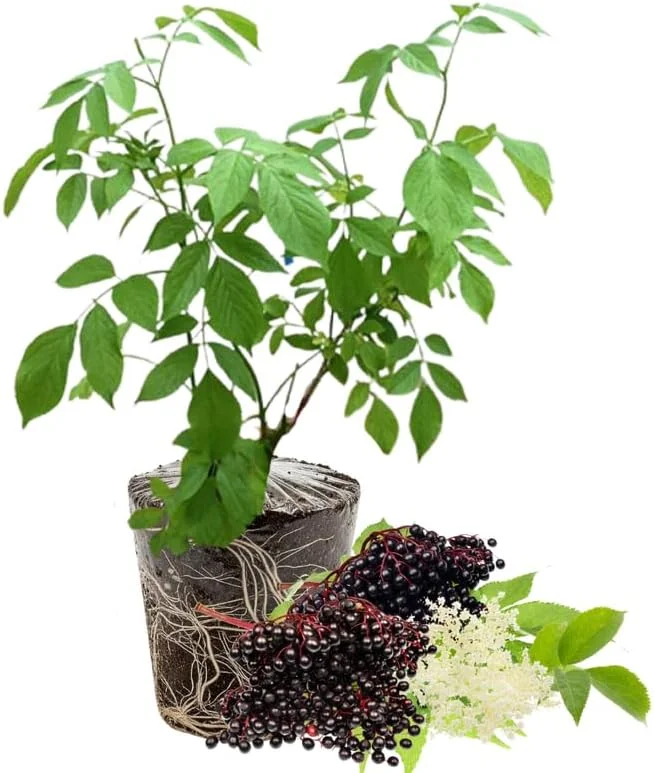
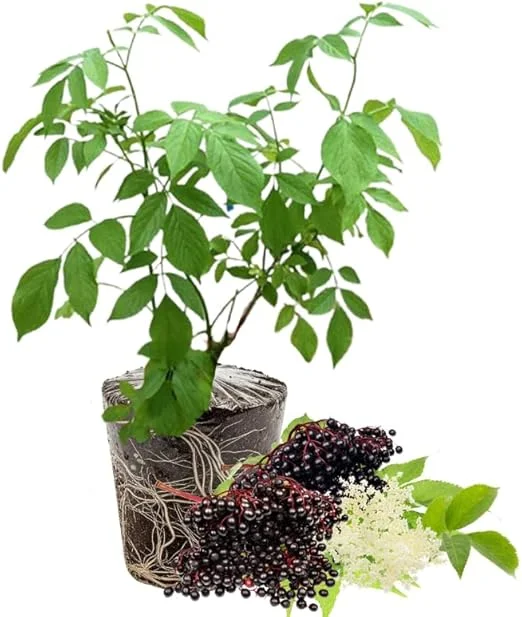
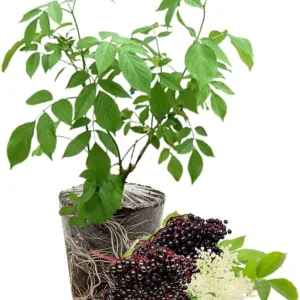
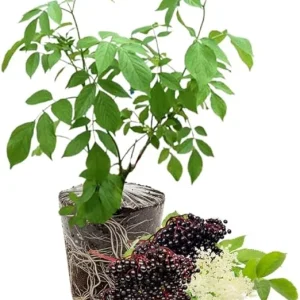
Embark on a rewarding gardening journey with our premium elderberry live plants. This offering includes a set of two well-rooted, 8-month-old starter plants, each standing 5-9 inches tall, poised for successful growth in your garden. Elderberries (Sambucus spp.) are celebrated for their attractive foliage, delicate flowers, and, most notably, their nutrient-rich berries. These particular plants are a robust, cold-hardy variety, ensuring they can withstand challenging climates and provide bountiful harvests for years to come. Whether you’re a seasoned gardener or just starting, these live elderberry plants offer an excellent opportunity to grow your own delicious and beneficial fruits right at home, contributing to a vibrant and productive landscape.
Known for their versatility, elderberry plants are not just fruit producers but also provide ornamental value with their lush green leaves and clusters of white flowers in late spring to early summer. The berries, typically ripening in late summer, are perfect for making jams, jellies, pies, and elderberry syrup. Cultivating your own elderberry live plants allows you to enjoy fresh, organic produce and contribute to local biodiversity by attracting pollinators. These plants are specifically chosen for their resilience and ability to flourish across a wide range of temperate regions.
Key Benefits
Investing in these live elderberry plants brings a multitude of advantages to your garden and your table:
- Abundant Fruit Production: Enjoy a generous harvest of sweet American elderberry fruits, perfect for culinary uses like preserves, pies, and healthful syrups. These plants are known for their prolific berry yield once established.
- Exceptional Cold Hardiness: These cold hardy elderberry shrubs are specifically selected to thrive in USDA Zones 3-8, making them suitable for a vast array of climates and ensuring survival through harsh winters.
- Low Maintenance & Easy Growth: Elderberry plants are remarkably forgiving and require minimal care once established. They are ideal for gardeners seeking productive plants without extensive upkeep, making them perfect for those learning how to grow elderberry bush.
- Pollinator Attraction: The beautiful white flowers produced by elderberry plants are a magnet for bees and other beneficial pollinators, enhancing the biodiversity of your garden and supporting local ecosystems.
- Ornamental Value: Beyond their fruit, elderberry plants offer aesthetic appeal with their attractive foliage and fragrant flower clusters, adding beauty to any landscape design.
- Health & Wellness: Elderberries are renowned for their high antioxidant content and traditional medicinal uses, providing a natural source of vitamins and immune-boosting compounds.
- Versatile Landscape Use: These shrubs can be used in edible landscapes, hedgerows, or as part of a native plant garden, offering both beauty and function.
Plant Care & Growing Tips
Caring for your elderberry live plants is straightforward, ensuring a healthy and productive bush. Elderberries prefer a location that receives full sun to partial shade, meaning at least 6 hours of direct sunlight daily for optimal fruit production. While they can tolerate some shade, more sun generally leads to a better harvest. When it comes to watering, elderberry plants prefer consistently moist soil, especially during dry spells and while the plants are young. However, ensure the soil is well-draining to prevent root rot. Once established, they become more drought-tolerant but will benefit from supplemental watering during prolonged dry periods.
For soil, elderberries are adaptable but thrive best in rich, well-draining soil with a slightly acidic to neutral pH (6.0-7.0). Amending your planting site with compost or other organic matter will greatly benefit their growth and fruit yield. These cold hardy elderberry shrubs are suitable for USDA Zones 3-8, meaning they can tolerate winter temperatures as low as -40°F (-40°C). Fertilize in early spring with a balanced, slow-release fertilizer or a layer of compost around the base of the plant. Pruning is essential for maintaining plant health and productivity; remove dead or weak canes annually, and prune out older, less productive canes to encourage new growth. Learning to grow elderberry bush effectively involves understanding these basic principles, which will lead to a thriving plant.
Size & Details
This offering includes two robust elderberry live plants, each measuring approximately 5-9 inches in height from the base of the root ball to the top of the foliage. These are 8-month-old starter plants, well-rooted and ready for transplanting into your garden. They are shipped as live, actively growing plants, carefully packaged to ensure their safe arrival. Elderberry plants typically exhibit a medium to fast growth rate, often reaching heights of 6-12 feet and a similar spread at maturity, depending on the variety and growing conditions. Expect these plants to begin producing fruit within 1-2 years of planting, with full production achieved in 3-4 years. The plants arrive in a nursery pot or similar protective packaging, ensuring their roots remain moist and protected during transit.
Frequently Asked Questions
- Q: How big do these elderberry live plants get at maturity? A: Mature elderberry live plants typically reach heights of 6-12 feet and can have a similar spread, forming a substantial bush. Their ultimate size can depend on the specific variety, growing conditions, and pruning practices.
- Q: Are these cold hardy elderberry plants suitable for my climate? A: Yes, these are cold hardy elderberry varieties designed to thrive in USDA Zones 3-8, making them adaptable to a wide range of temperate climates. They can withstand significant winter cold.
- Q: How much sunlight do American elderberry plants need? A: For optimal fruit production and healthy growth, American elderberry plants prefer full sun (at least 6 hours of direct sunlight daily) but can tolerate partial shade. More sun generally means more berries.
- Q: Is this plant easy to care for, especially for beginners? A: Elderberry plants are considered low-maintenance and relatively easy to grow, making them an excellent choice for beginner gardeners. They are forgiving of various soil types and require moderate watering.
- Q: What condition will the elderberry live plants arrive in? A: Your elderberry live plants will arrive well-rooted and actively growing, carefully packaged to protect them during transit. They will be 5-9 inches tall, ready for planting.
- Q: When is the best time to plant these elderberry shrubs? A: The best time to plant elderberry shrubs is typically in the spring after the last frost, or in early fall before the ground freezes. This allows the plants to establish their root system.
- Q: Can I use the berries from these elderberry plants for cooking? A: Absolutely! The berries from these American elderberry plants are perfect for culinary uses, including making jams, jellies, pies, wines, and the popular elderberry syrup. Ensure berries are cooked before consumption.
- Q: What kind of soil is best for growing elderberry bush? A: When you grow elderberry bush, they prefer rich, well-draining soil with a slightly acidic to neutral pH. Amending your soil with compost will provide the best environment for growth.
- Q: How often should I water my elderberry live plants? A: Keep the soil consistently moist, especially during the first year of growth and during dry periods. Once established, they become more tolerant of dry conditions but still appreciate regular watering.
- Q: Will these elderberry plants attract pollinators to my garden? A: Yes, the white flower clusters of the elderberry live plants are highly attractive to bees and other pollinators, helping to support a healthy garden ecosystem.


Reviews
There are no reviews yet.