Overview
Embark on your gardening journey with a set of elderberry rooted cuttings, perfect for establishing a thriving elderberry patch in your backyard. This offering includes four live, dormant bare root cuttings, each measuring a healthy 8-12 inches tall. Elderberry plants, scientifically known as Sambucus, are renowned for their ornamental beauty and the bounty of edible berries they produce. These cuttings are specifically chosen for their vigor, ensuring a strong start for your future fruit-bearing shrubs. Ideal for both novice and experienced gardeners, these live elderberry plants promise to be a rewarding addition to any garden or edible landscape, transforming into lush, productive bushes that offer both visual appeal and delicious fruit.
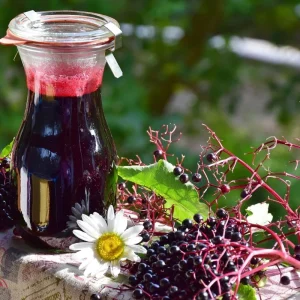
Elderberry rooted cuttings are an excellent choice for anyone looking to grow their own berries for jams, jellies, pies, or even medicinal purposes. These robust plants are incredibly adaptable and require minimal fuss once established. By starting with rooted cuttings, you’re giving your plants a head start, allowing them to acclimate quickly and begin their growth cycle towards becoming mature, fruit-producing shrubs. Prepare to enjoy the benefits of homegrown elderberries with these high-quality, ready-to-plant specimens.
Key Benefits
Investing in elderberry rooted cuttings offers a multitude of advantages for your garden and pantry. These benefits extend from their ease of cultivation to the healthful rewards they provide:
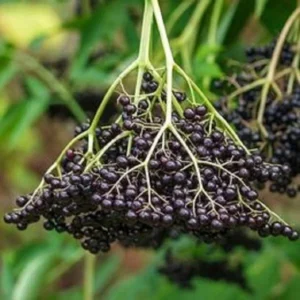
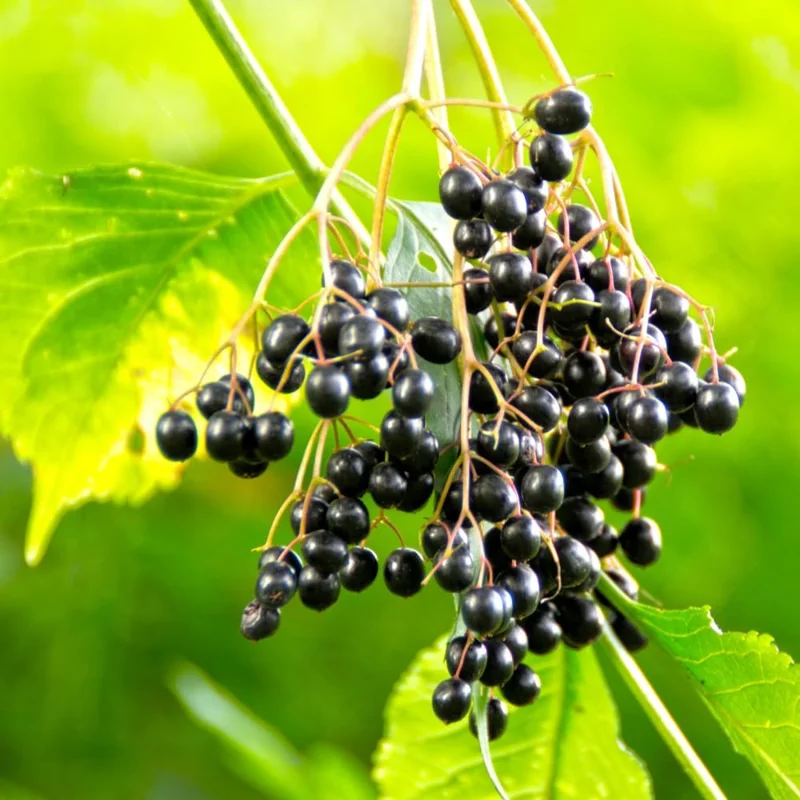
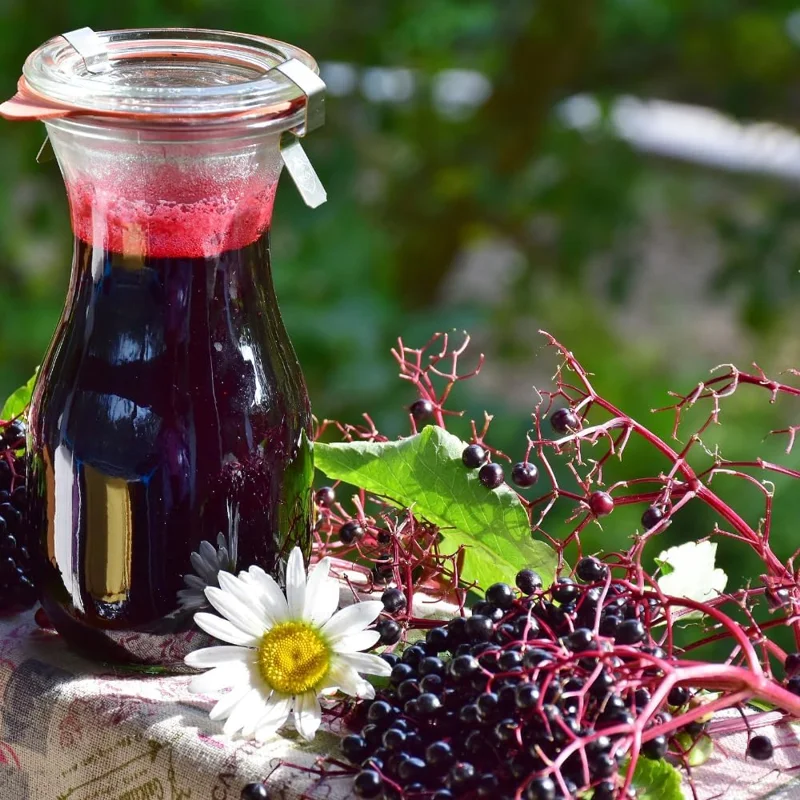
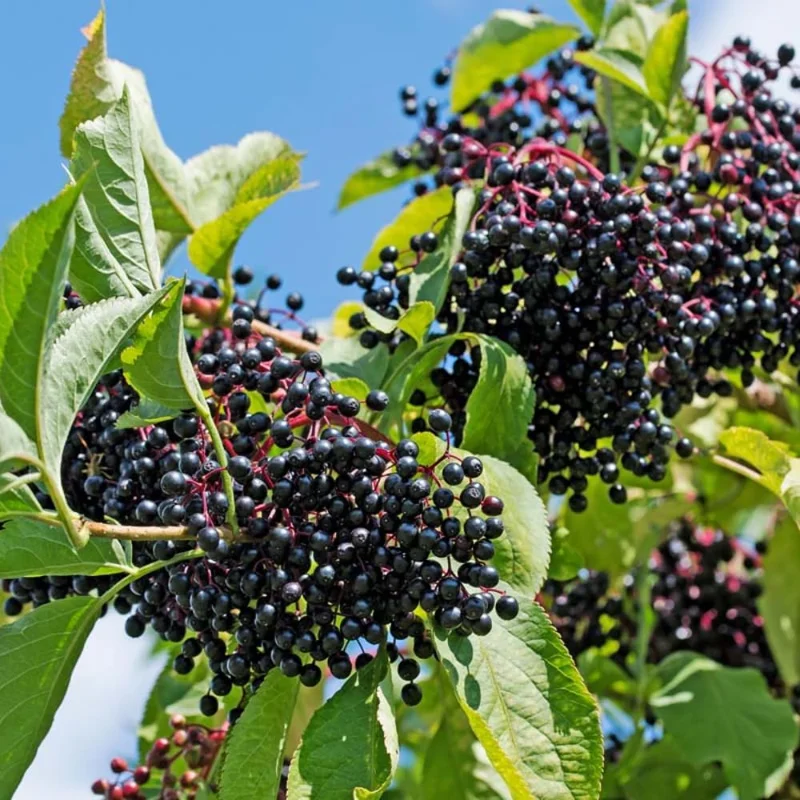
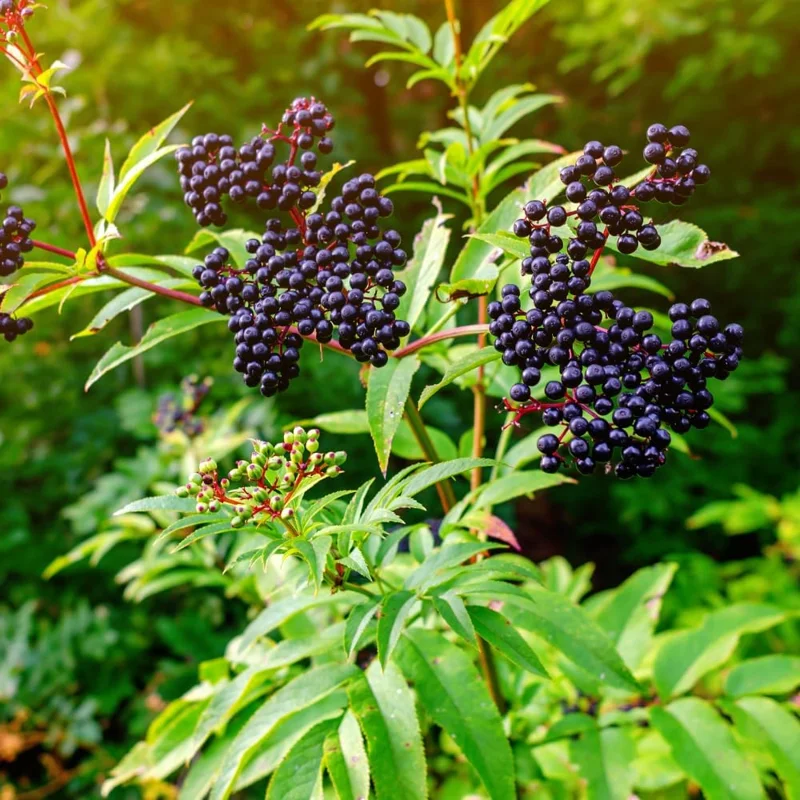
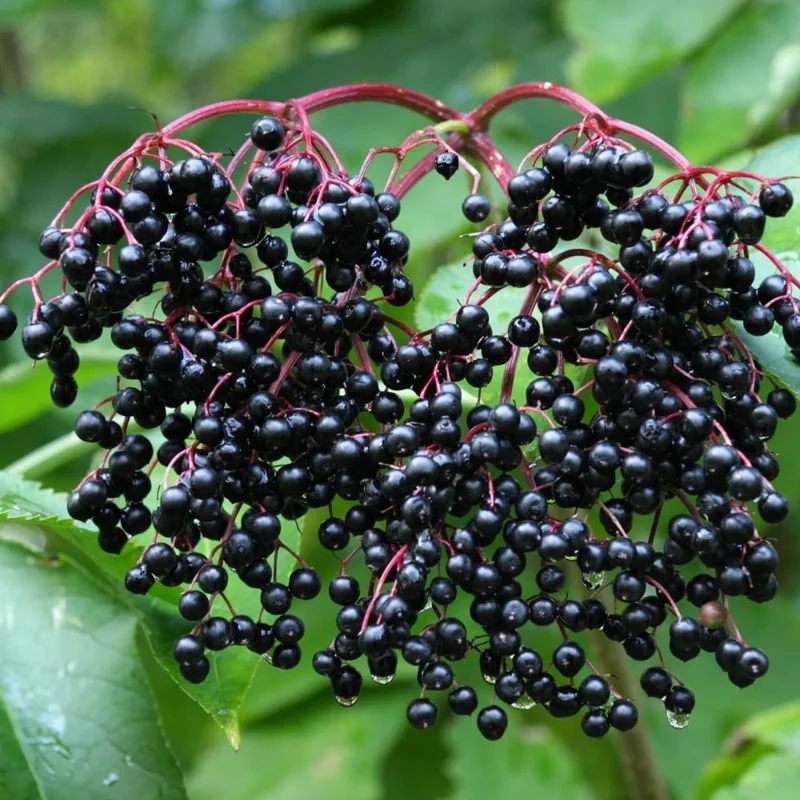
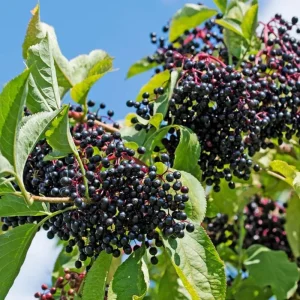
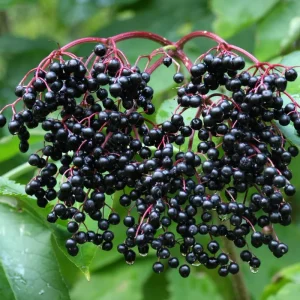
- Abundant Fruit Production: Mature live elderberry plants yield generous clusters of dark, edible berries, perfect for making delicious jams, jellies, syrups, and wine. Enjoy the satisfaction of harvesting your own organic fruit right from your garden.
- Low Maintenance & Easy to Grow: These hardy fruit shrubs are known for their resilience and require minimal care once established. They are forgiving plants, making them an excellent choice for gardeners of all skill levels, including beginners.
- Drought Tolerant & Adaptable: Elderberry plants exhibit good drought tolerance once mature and adapt well to various soil types and outdoor conditions, ensuring their survival and productivity even in less-than-ideal environments.
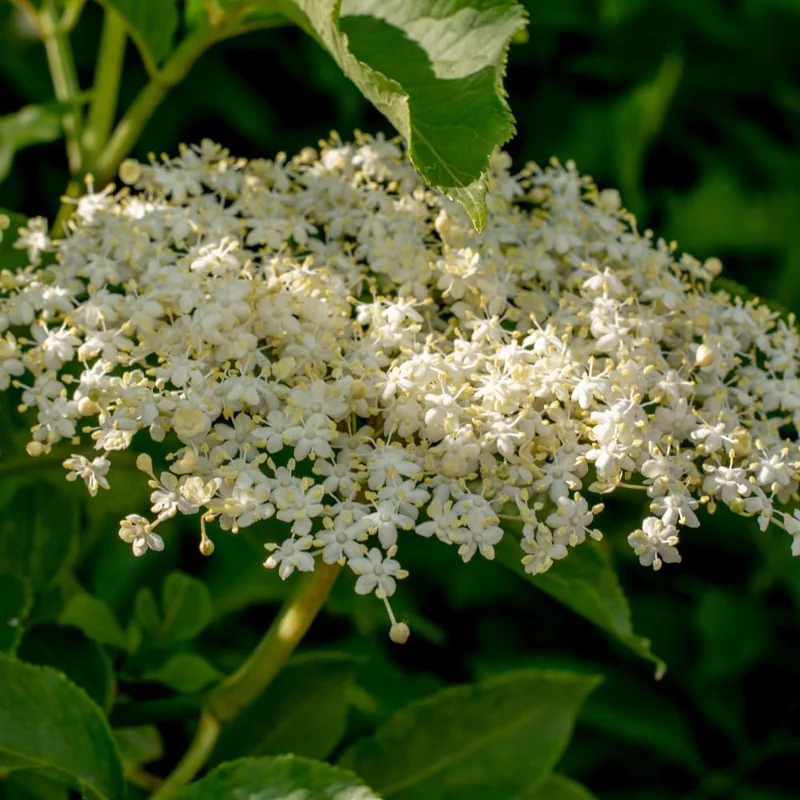
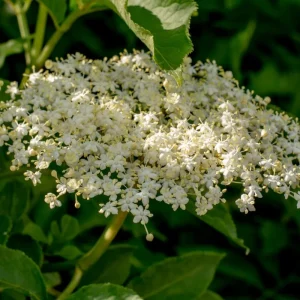
- Attracts Pollinators: The fragrant white flower clusters that precede the berries are highly attractive to bees and other beneficial pollinators, contributing to the biodiversity and health of your garden ecosystem.
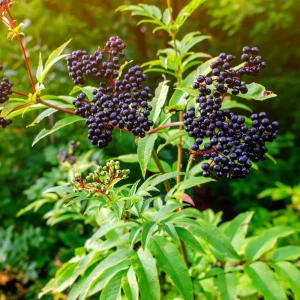
- Versatile Garden Use: Perfect for backyard orchards, edible landscaping, or as an attractive ornamental planting, elderberries add beauty and function to any outdoor space. Their lush foliage and abundant berries create a lovely feature.
- Fast Growing & Productive: These rooted cuttings are designed for quick establishment, allowing you to enjoy the first harvests from your elderberry rooted cuttings sooner rather than later. They grow rapidly into substantial shrubs.
- Nutritional Value: Elderberries are packed with antioxidants and vitamins, making them a healthy and beneficial addition to your diet. Growing your own ensures a fresh, high-quality supply.
Plant Care & Growing Tips
Successful cultivation of your elderberry rooted cuttings begins with proper planting and ongoing care. These live elderberry plants are generally robust, but a few key practices will ensure they thrive. Elderberries prefer a location with full sun, meaning at least 6-8 hours of direct sunlight per day, which encourages optimal fruit production. While they can tolerate partial shade, berry yields may be reduced. When planting, ensure the soil is well-draining, as elderberries do not like to sit in soggy conditions. A slightly acidic to neutral soil pH (5.5-7.0) is ideal. Amend heavy clay soils with organic matter like compost to improve drainage and fertility.
Watering is crucial during the establishment phase. Keep the soil consistently moist but not waterlogged for the first year after planting your hardy fruit shrubs. Once established, elderberries are relatively drought-tolerant, but supplemental watering during prolonged dry spells will benefit fruit development. Fertilize in early spring with a balanced slow-release fertilizer or compost to support vigorous growth and berry production. Pruning is best done in late winter or early spring while the plant is dormant. Remove any dead, damaged, or weak canes, and thin out older, less productive canes to encourage new growth and better air circulation. Understanding elderberry plant care is simple and rewarding.
These elderberry rooted cuttings are suitable for USDA Hardiness Zones 3-9, demonstrating their wide adaptability to various climates. They are hardy perennials that can withstand cold winters. You can also learn how to grow elderberry successfully by observing your plants and adjusting care as needed. Monitor for common garden pests, though elderberries are generally quite resistant. With proper care, your elderberry bushes will grow 6-10 feet tall and wide, providing a beautiful and productive feature in your garden for many years.
Size & Details
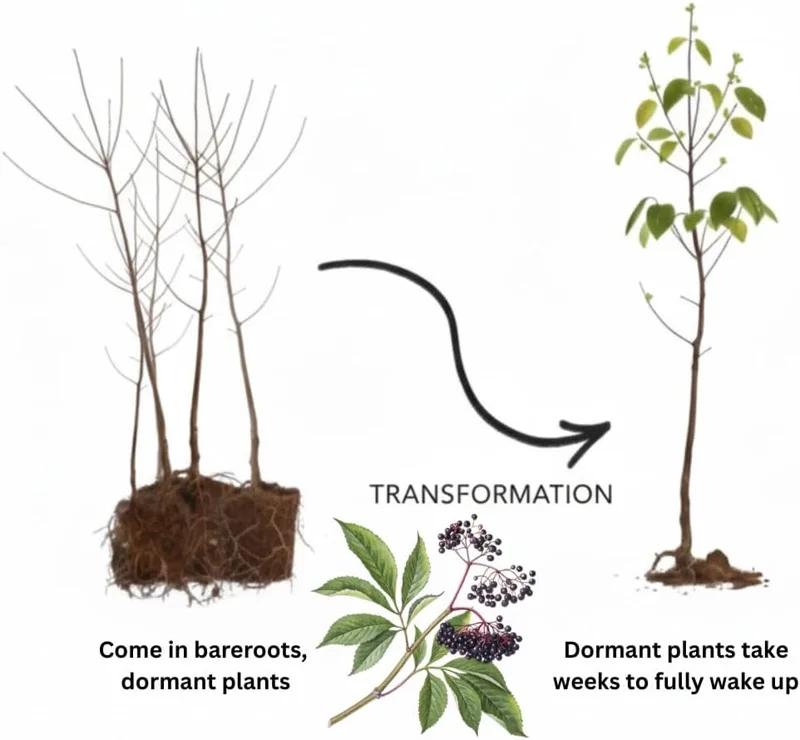
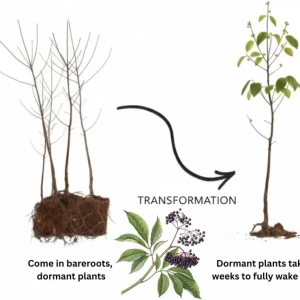
This offering includes a set of four elderberry rooted cuttings, each approximately 8-12 inches tall. These are live, dormant, bare root plants, meaning they arrive without leaves and are ready for immediate planting upon receipt. This form of shipping minimizes transplant shock and allows the plant to focus its energy on root development once in the ground. The cuttings are designed to establish quickly, forming robust root systems that will support healthy top growth. Once mature, these live elderberry plants can reach an impressive size of 6-10 feet in both height and spread, creating substantial bushes that are prolific fruit producers.
The individual pieces in this set are carefully selected to ensure viability and strong growth potential. The 8-12 inch height provides a good foundation for establishing a productive elderberry bush. Expect these hardy fruit shrubs to begin showing significant new growth in their first growing season, with fruit production typically starting within 1-2 years after planting. They are ideal for creating a natural hedge, an edible landscape feature, or integrating into a permaculture design. The size and form of these cuttings make them easy to handle and plant, setting you up for success in growing your own elderberries.
Frequently Asked Questions
- Q: How big do these elderberry rooted cuttings get when mature? A: When mature, these live elderberry plants can typically grow to be 6-10 feet tall and equally wide, forming a substantial and productive shrub. Their size can be managed with annual pruning.
- Q: Is this an indoor or outdoor plant? A: These elderberry rooted cuttings are specifically meant for outdoor planting. They are hardy fruit shrubs that thrive in garden settings and require outdoor conditions to grow and produce fruit.
- Q: How much sunlight do elderberry plants need? A: Elderberries perform best in full sun, which means they should receive at least 6-8 hours of direct sunlight daily for optimal growth and fruit production. They can tolerate partial shade, but yields may be lower.
- Q: Are these elderberry rooted cuttings difficult to care for? A: No, elderberry plants are known for being relatively easy to care for and are considered low-maintenance once established. They are a great choice for beginners looking to learn how to grow elderberry.
- Q: What condition will the plants arrive in? A: The elderberry rooted cuttings will arrive as dormant, bare root plants, typically 8-12 inches tall, with no leaves. This is normal and ensures they transplant well and establish strong roots.
- Q: When is the best time to plant these elderberry cuttings? A: The best time to plant dormant bare root elderberry cuttings is in the early spring, after the last frost, or in the fall before the ground freezes. This allows them to establish their root system before extreme weather.
- Q: What USDA Hardiness Zones are suitable for these elderberry plants? A: These hardy fruit shrubs are suitable for planting in USDA Hardiness Zones 3 through 9, indicating their ability to withstand a wide range of winter temperatures.
- Q: Can I use the berries from these plants for cooking? A: Yes, the berries produced by these live elderberry plants are edible and commonly used for culinary purposes such as making jams, jellies, pies, syrups, and wine. Ensure berries are cooked before consumption.
- Q: Do I need to plant more than one elderberry for fruit production? A: While some elderberry varieties are self-pollinating, planting at least two different varieties can often lead to better fruit set and higher yields due to cross-pollination. However, these elderberry rooted cuttings will produce fruit on their own.
- Q: What kind of soil is best for elderberry rooted cuttings? A: Elderberries prefer well-draining soil that is rich in organic matter. They can tolerate a range of soil types but thrive in loamy, slightly acidic to neutral soils. Good drainage is key to preventing root rot.


Reviews
There are no reviews yet.