Overview
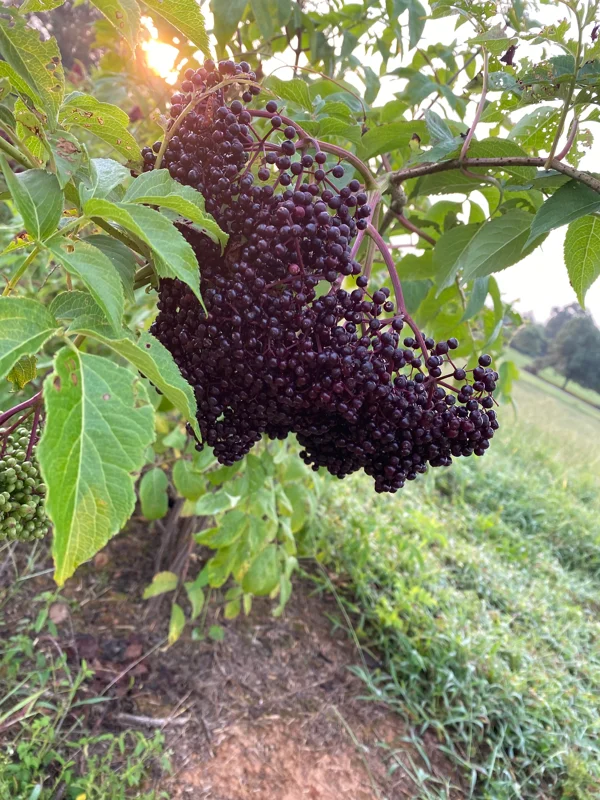
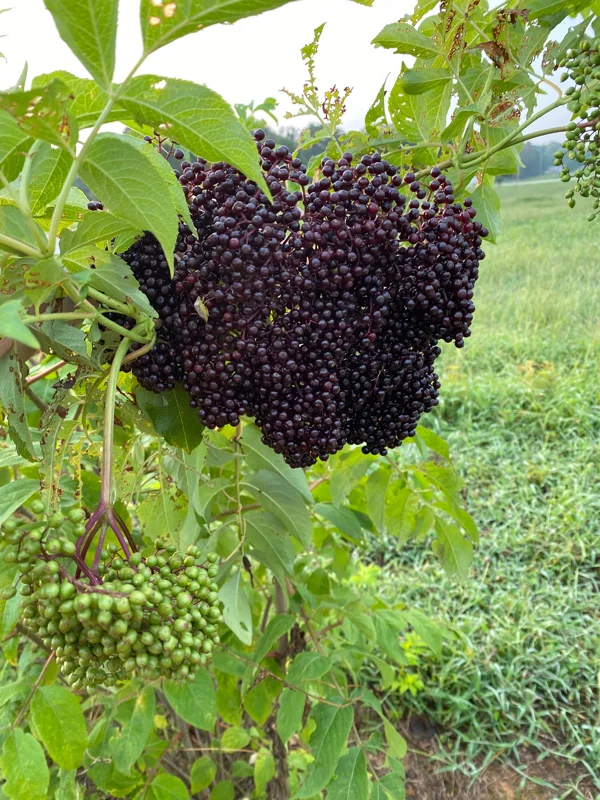
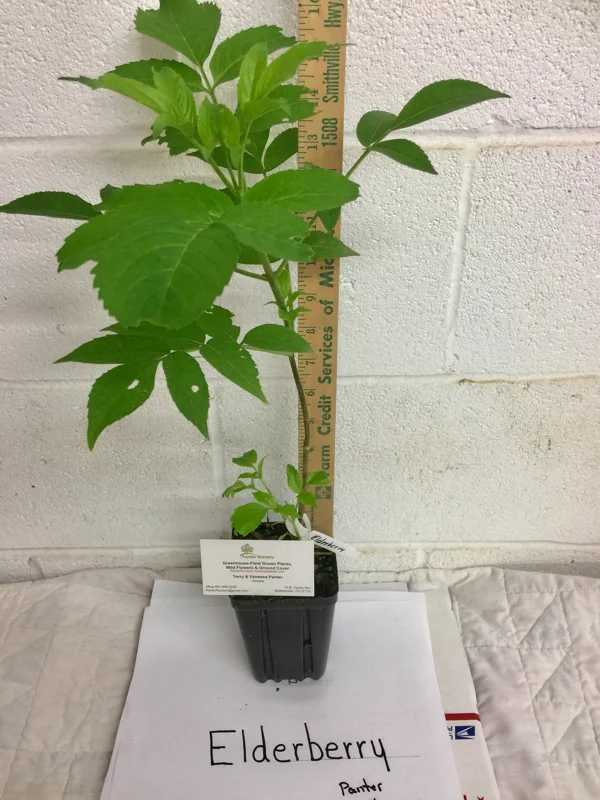
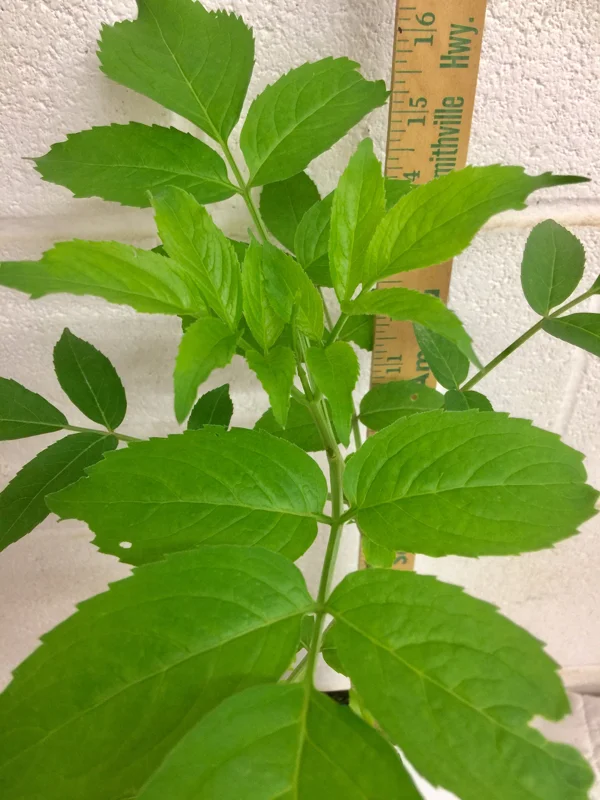
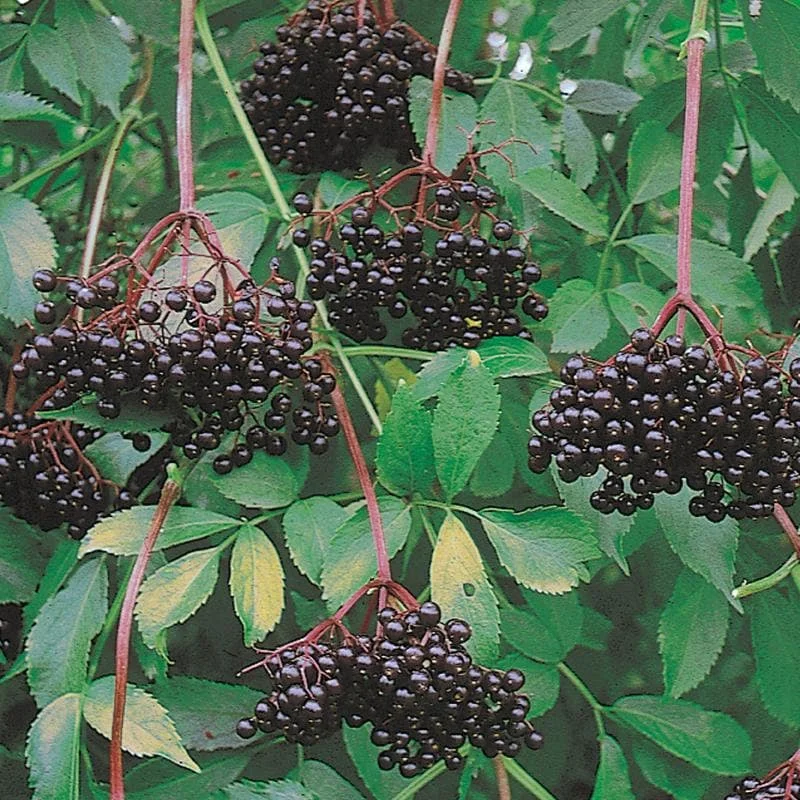
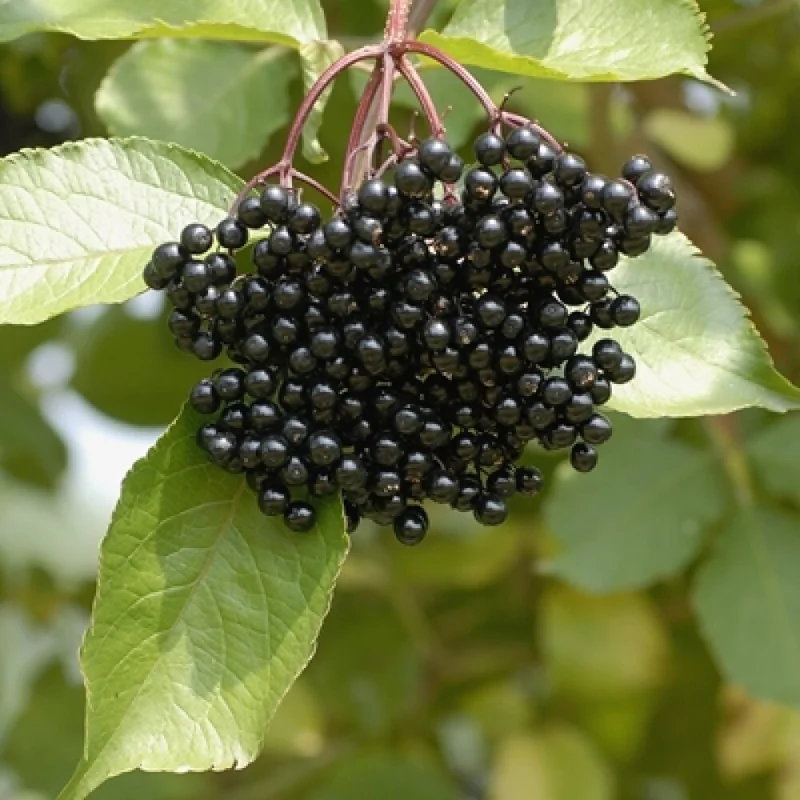
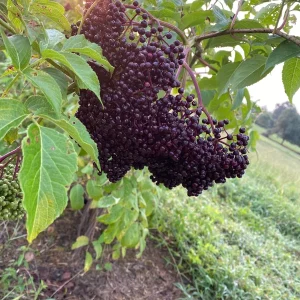
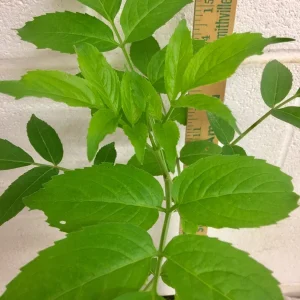
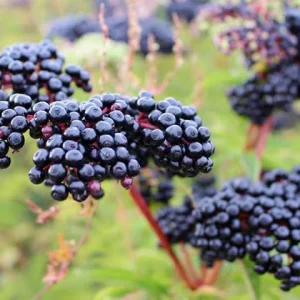
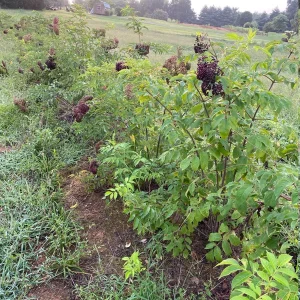
Bring the beauty and bounty of nature to your garden with this vibrant elderberry live plant. Specifically, you’re acquiring a healthy Sambucus canadensis, commonly known as the American Elderberry, delivered to you in a 4-inch nursery pot. This remarkable shrub is celebrated for its rapid growth, attractive foliage, and, most notably, its clusters of flavorful dark purple berries. Ideal for home gardeners looking to add a productive and ornamental plant, the elderberry quickly establishes itself, transforming your outdoor space into a haven for pollinators and a source of delicious fruit. Its versatility allows it to be shaped into a multi-stemmed bush for maximum fruit yield or pruned into a small, single-stem tree, making it a flexible choice for various landscape designs. Experience the joy of growing elderberry bushes and harvesting your own superfood.
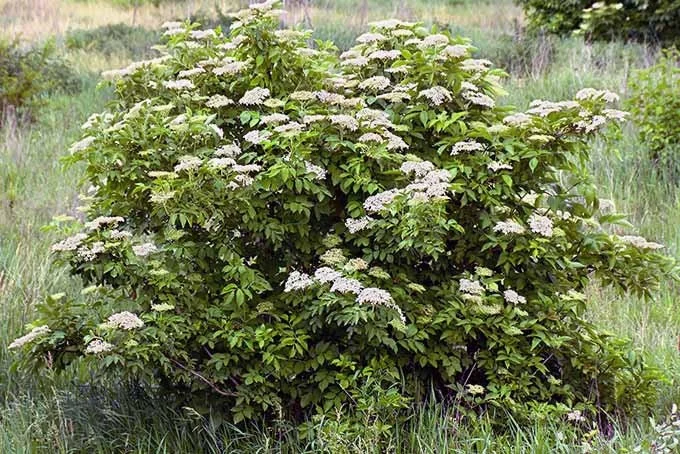
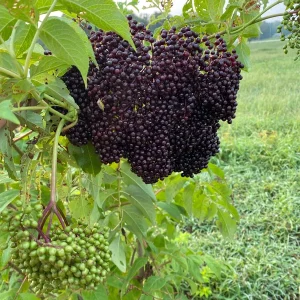
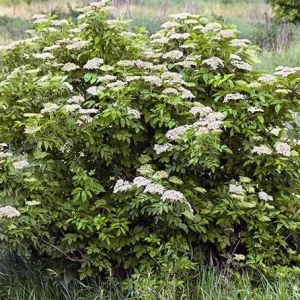
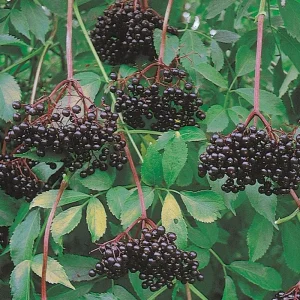
The American Elderberry (Sambucus canadensis) is a deciduous shrub native to North America, known for its resilience and adaptability. It’s a fantastic addition to edible landscapes, wildlife gardens, or as a natural hedge. The plant’s vigorous growth habit makes it a rewarding choice for both novice and experienced gardeners. With its profusion of creamy-white flowers in late spring to early summer, followed by abundant clusters of deep purple berries in late summer, this elderberry live plant offers year-round interest and significant ecological value.
Key Benefits
Investing in an elderberry live plant brings numerous advantages to your garden and lifestyle. This resilient shrub not only enhances the aesthetic appeal of your outdoor space but also provides a wealth of practical benefits.
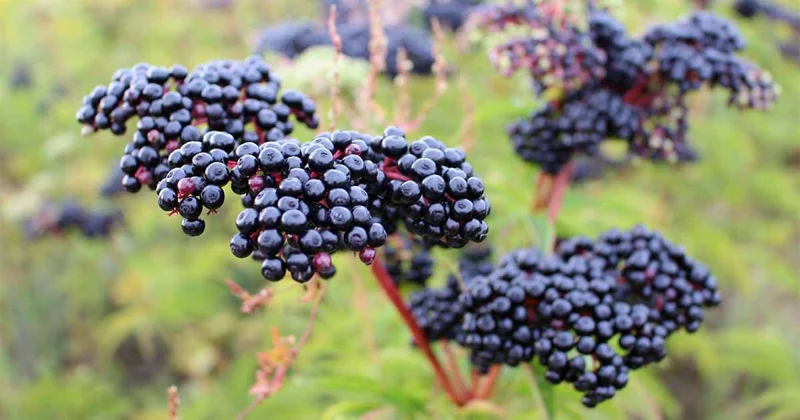
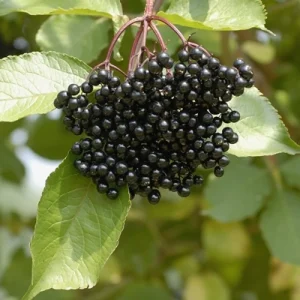
- Abundant Edible Fruit: Enjoy a prolific harvest of dark purple berries from August to September. These edible elderberries are perfect for making delicious jellies, pies, juices, and even wine, offering a healthy and versatile ingredient for your kitchen.
- Fast Growth Rate: Once established, this shrub exhibits a fast growth rate, increasing in height by more than 24 inches per year. This means you’ll quickly see your garden fill out and produce fruit sooner.
- Attractive Summer Blooms: In summer, the plant showcases beautiful clusters of small, star-shaped yellowish-white flowers, typically 6-10 inches wide. These fragrant blooms add ornamental value and attract beneficial pollinators to your garden.
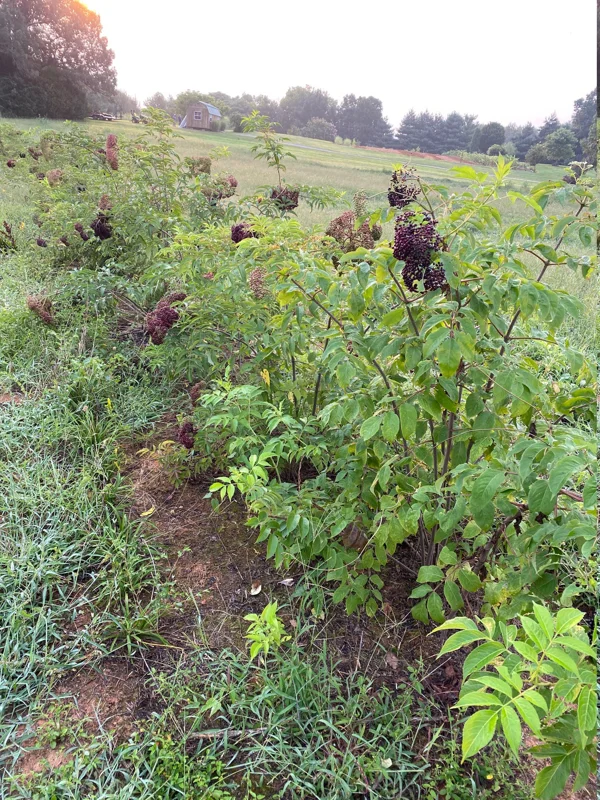
- Versatile Landscaping: The sambucus canadensis shrub can be maintained as a multi-stemmed bush for maximum fruit production or pruned into a single-stem small tree, offering flexibility to suit your garden’s design and space.
- Hardy and Resilient: Thriving in USDA hardiness zones 4-9, the American Elderberry is a robust plant that tolerates a range of conditions, making it a reliable choice for many climates.
- Wildlife Attraction: The flowers attract bees and butterflies, while the berries provide a food source for birds and other wildlife, contributing to local biodiversity.
- Low Maintenance: Once established, elderberry plants require relatively low maintenance, making them an excellent choice for gardeners seeking productive yet easy-care options.
Plant Care & Growing Tips
Caring for your elderberry live plant is straightforward and rewarding, ensuring a bountiful harvest of delicious berries. These shrubs are quite adaptable, but providing optimal conditions will lead to the best growth and fruit production. For best fruiting, it’s often recommended to plant multiple shrubs to ensure cross-pollination. The American Elderberry thrives in full sun to partial shade, meaning it prefers at least 6 hours of direct sunlight daily, but can tolerate some afternoon shade, especially in hotter climates. Adequate sunlight is crucial for flower and fruit development. When considering growing elderberry bushes, remember they appreciate consistent moisture, particularly during dry spells and when the fruit is developing.
For soil, the elderberry is not overly particular but prefers well-draining, moist, and fertile soil. A slightly acidic to neutral pH (5.5 to 7.0) is ideal. Amend heavy clay soils with organic matter like compost to improve drainage and aeration. Watering should be consistent, especially during the first year of establishment. Once mature, they are somewhat drought-tolerant but will perform best with regular irrigation. Fertilize in early spring with a balanced slow-release fertilizer or compost to support vigorous growth and fruit production. Pruning can be done in late winter or early spring while the plant is dormant. Remove any dead, damaged, or weak canes. To encourage maximum fruit, some gardeners practice renewal pruning, cutting back older, less productive canes to the ground to stimulate new growth. Understanding proper elderberry plant care ensures a healthy and productive shrub for years to come.
Size & Details
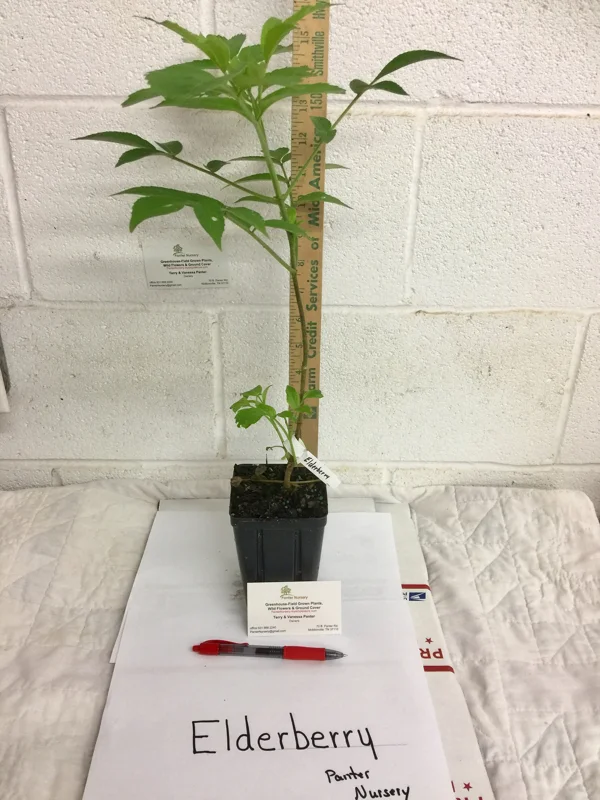
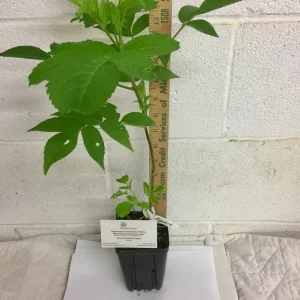
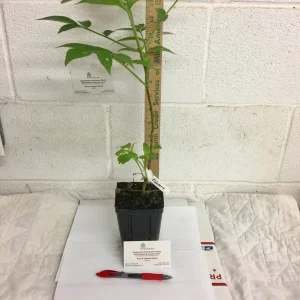
This offering is for one healthy elderberry live plant, specifically a Sambucus canadensis, delivered in a 4-inch nursery pot. At maturity, this vigorous shrub typically reaches a height of 5-12 feet with an equivalent spread of 5-12 feet. It boasts a fast growth rate, often adding more than 24 inches in height per year once properly established in your garden. The plant is shipped ready for planting, allowing you to quickly integrate it into your landscape. Expect beautiful yellowish-white flowers in summer, followed by the development of dark purple, edible elderberries from August through September. This hardy plant is suitable for USDA zones 4-9, making it a versatile choice for a wide range of climates. With proper pruning, it can be shaped to fit your garden’s aesthetic and functional needs, whether as a dense fruiting bush or a compact small tree.
Frequently Asked Questions
- Q: How big does this elderberry plant get at maturity? A: The elderberry live plant, Sambucus canadensis, typically grows to a height of 5-12 feet and a spread of 5-12 feet at full maturity, depending on growing conditions and pruning.
- Q: What size pot does this elderberry come in? A: This elderberry shrub is delivered in a 4-inch nursery pot, providing a healthy root system ready for transplanting into your garden or a larger container.
- Q: Is this an indoor or outdoor plant? A: This is an outdoor plant, specifically a hardy shrub designed for garden and landscape planting. It thrives in outdoor conditions within its recommended USDA hardiness zones.
- Q: How much sunlight does the elderberry need? A: For optimal growth and fruit production, the sambucus canadensis shrub prefers full sun (at least 6 hours of direct sunlight daily) but can tolerate partial shade, especially in warmer climates.
- Q: Is this plant easy to care for? A: Yes, growing elderberry bushes is generally considered easy. They are robust plants that, once established, require relatively low maintenance, making them suitable for gardeners of all experience levels.
- Q: What condition will the plant arrive in? A: Your elderberry plant will arrive carefully packaged in its 4-inch nursery pot, with a healthy root system and foliage, ready for planting upon arrival.
- Q: Can I use the berries for cooking? A: Absolutely! The dark purple edible elderberries are highly prized for culinary uses. They are excellent for making jellies, pies, juices, syrups, and even wine.
- Q: When is the best time to plant elderberry? A: The best time to plant elderberry is typically in spring after the last frost, or in early fall. This allows the plant to establish its root system before extreme temperatures.
- Q: Will it survive winter in my zone? A: This elderberry is hardy in USDA zones 4-9, meaning it is well-equipped to survive typical winter conditions within these zones.
- Q: How long until it starts producing fruit? A: Elderberry plants can start producing fruit within 1-2 years of planting, with production increasing as the plant matures. For best fruiting, planting multiple shrubs is recommended.


Reviews
There are no reviews yet.