Overview
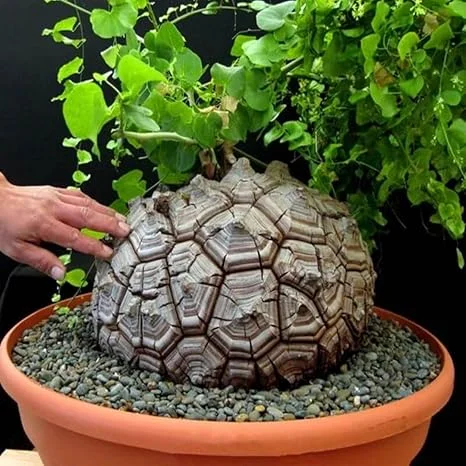
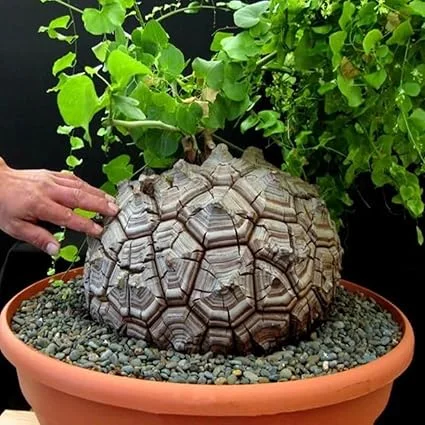
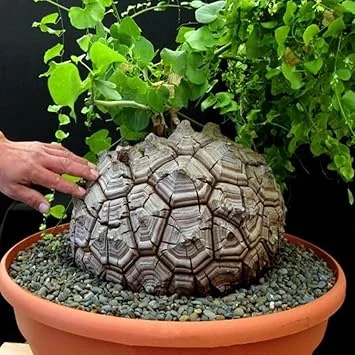
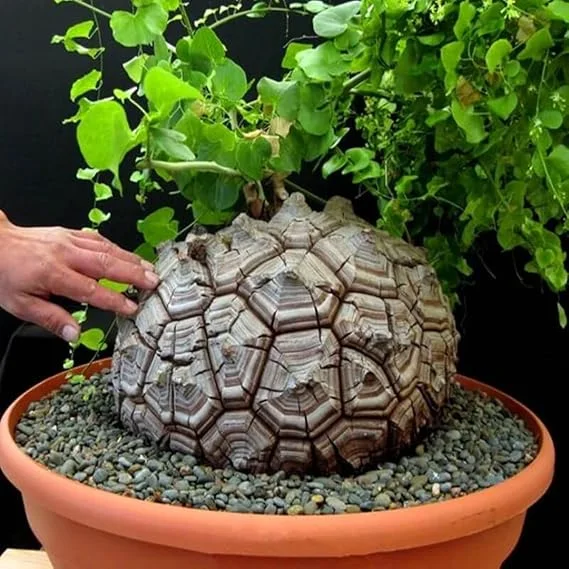
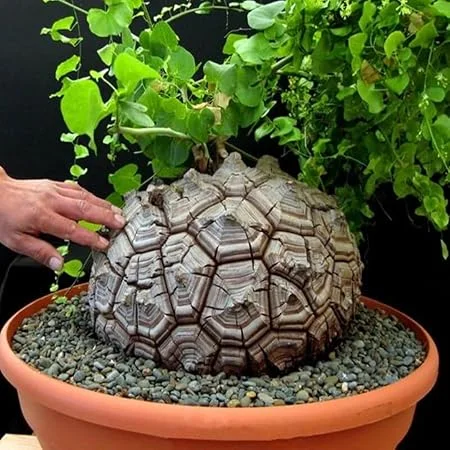
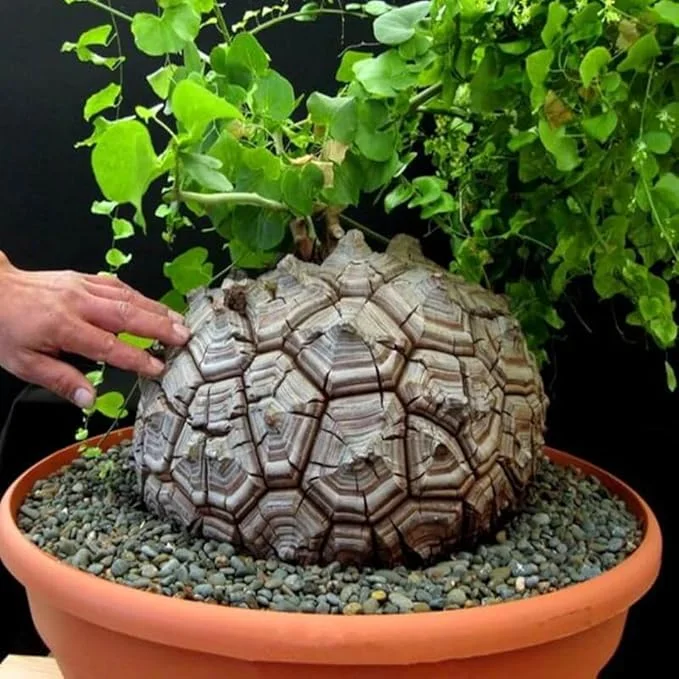
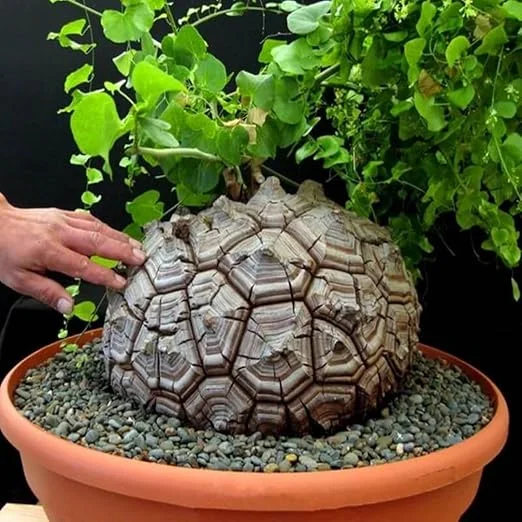
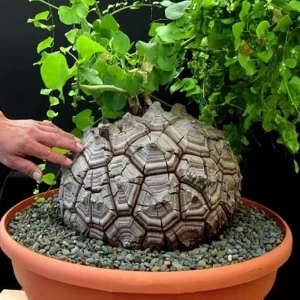
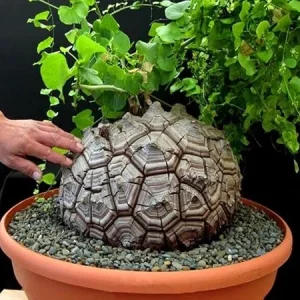
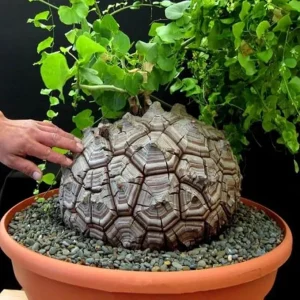
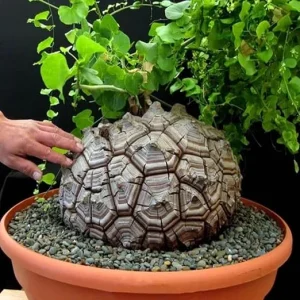
Introduce an extraordinary living sculpture into your home or garden with the Elephant’s Foot Caudex live plant. Also known by its botanical name, Dioscorea elephantipes, this rare and exotic perennial vine is cherished for its unique, woody caudex that resembles an elephant’s foot, from which delicate, heart-shaped leaves emerge. Unlike many common houseplants, the Elephant’s Foot Caudex live plant offers a striking conversation piece, evolving in form and character over time. It’s a fantastic choice for collectors of unusual plants and those looking to add a touch of the extraordinary to their botanical displays. This plant is delivered as a compact specimen in a 3-inch pot, making it easy to integrate into various indoor settings or protected outdoor environments, especially for those seeking rare houseplants.
The Elephant’s Foot Caudex live plant is native to South Africa and thrives in conditions that mimic its semi-arid origins. Its distinctive caudex serves as a water storage organ, allowing it to endure periods of drought, which contributes to its reputation as a relatively low-maintenance plant. Whether you’re an experienced plant enthusiast or a curious beginner, this plant provides an engaging growing experience. Its slow, deliberate growth and unique aesthetic make it a rewarding addition to any collection, offering year-round visual interest with its evergreen foliage and intriguing structure.
Key Benefits
The Elephant’s Foot Caudex live plant offers a multitude of benefits, from its striking appearance to its ease of care, making it a desirable addition to any plant collection. Its unique form and hardy nature ensure it stands out.
- Unique Ornamental Appeal: The plant’s most striking feature is its large, woody caudex, which develops a fascinating, cracked, and textured surface over time. This makes it a living piece of art, providing unparalleled visual interest that evolves with age.
- Low Maintenance: Thanks to its caudex, the plant stores water, making it quite drought-tolerant and forgiving if you occasionally forget to water. This resilience makes Dioscorea elephantipes care manageable for busy individuals.
- Versatile Placement: Suitable for both indoor and outdoor settings (in appropriate climates), this perennial vine for indoors and out can be grown in pots on windowsills, shelves, or as part of a succulent garden.
- Long Lifespan: With proper care, Elephant’s Foot plants can live for decades, becoming a long-term companion and a testament to your gardening prowess.
- Conversation Starter: Its unusual appearance is sure to attract attention and spark conversations among guests, making it a focal point in any room or garden.
- Compact Size: Delivered in a 3-inch pot, this compact plant is ideal for small spaces, desks, or as part of a larger plant arrangement without overwhelming its surroundings.
- Adaptable Foliage: While the caudex is the star, the delicate, heart-shaped leaves and vining stems add a touch of elegance, creating a beautiful contrast with the rugged base.
Plant Care & Growing Tips
Caring for your Elephant’s Foot Caudex live plant is straightforward, especially if you understand its natural habitat. This plant thrives on neglect more than over-attention. For optimal growth and to ensure a healthy exotic caudex plant, pay close attention to its light, water, and soil requirements.
Sunlight Requirements: The Elephant’s Foot prefers bright, indirect light to full sun. When grown indoors, a south- or west-facing window where it receives several hours of direct sunlight is ideal. If grown outdoors, ensure it gets ample sunlight, but protect it from the harshest midday sun in very hot climates to prevent scorching. Adequate light is crucial for the development of its distinctive caudex and healthy foliage, which is key for successful Dioscorea elephantipes care.
Watering Schedule and Soil Moisture: This plant is drought-tolerant due to its water-storing caudex. Water thoroughly when the soil is completely dry, then allow it to dry out again before the next watering. Overwatering is the most common cause of problems, leading to caudex rot. During its dormant period (which can vary but often occurs in summer), reduce watering significantly or cease altogether until new growth appears. The need for moderate watering is crucial.
Soil Type and Drainage Requirements: A well-draining soil mix is paramount. Use a succulent or cactus potting mix, or create your own by blending regular potting soil with perlite, coarse sand, or pumice. Good drainage prevents water from sitting around the caudex, which is essential for the health of your rare houseplants. Ensure the pot has drainage holes.
Temperature Range and USDA Hardiness Zone: The Elephant’s Foot prefers warm temperatures, ideally between 60-80°F (15-27°C). It is not frost-tolerant. If growing outdoors, it is best suited for USDA Hardiness Zones 9-11, where temperatures rarely drop below freezing. If you live in a colder climate, it should be brought indoors before the first frost. The plant is adaptable to typical indoor humidity levels.
Fertilization Schedule and Type: Fertilize sparingly during the active growing season (typically fall to spring). Use a balanced, diluted liquid fertilizer once every 4-6 weeks. Avoid fertilizing during dormancy. Over-fertilization can harm the plant.
Common Problems and Solutions: The main issue is overwatering leading to rot. Ensure proper drainage and let the soil dry out. Pests are rare, but occasionally mealybugs or spider mites may appear. Treat with insecticidal soap or neem oil. Yellowing leaves can indicate overwatering or insufficient light.
Size & Details
This Elephant’s Foot Caudex live plant is shipped in a 3-inch nursery pot, perfectly sized for easy handling and immediate display. At this stage, the plant is compact, making it ideal for starting your collection of rare houseplants or adding to a terrarium. The caudex, the plant’s distinctive base, will vary in size but is typically small and just beginning to develop its characteristic texture. The plant’s overall height, including foliage, will be modest, making it a great desk-friendly or shelf-top specimen.
As a perennial vine for indoors or a suitable outdoor plant in warmer climates, it exhibits a slow to moderate growth rate. The vining stems can reach several feet in length over time, often requiring a small trellis or support structure as it matures. The plant’s dormant period can occur at various times, often in summer or winter, depending on environmental conditions. When dormant, it may shed its leaves, but the caudex remains alive, ready to sprout new growth when conditions become favorable again. This particular specimen is suitable for USDA Hardiness Zones 9–11 for outdoor cultivation, but thrives as an indoor plant across all zones.
Frequently Asked Questions
- Q: How big does this plant get? A: This Elephant’s Foot Caudex live plant is shipped in a 3-inch pot. While compact initially, its caudex can grow quite large over many years, potentially reaching over a foot in diameter. The vining stems can extend several feet in length, especially with support.
- Q: What size pot does it come in? A: The plant is delivered in a 3-inch pot, which is a perfect starter size. You can keep it in this pot for a while, or repot it into a slightly larger container once it shows significant new growth.
- Q: Is this an indoor or outdoor plant? A: The Elephant’s Foot Caudex live plant is versatile. It can thrive as a houseplant in all climates and can also be grown outdoors in USDA Hardiness Zones 9-11 where it is protected from frost.
- Q: How much sunlight does it need? A: It requires bright, indirect light to full sun. Indoors, place it near a sunny window. If outdoors, ensure it receives several hours of sunlight daily, but protect it from intense, scorching afternoon sun in very hot regions.
- Q: Is this plant easy to care for? A: Yes, it is considered low-maintenance, especially due to its drought tolerance. The key to successful Dioscorea elephantipes care is to avoid overwatering and provide adequate light.
- Q: What condition will it arrive in? A: Your exotic caudex plant will arrive carefully packaged, healthy, and ready to be placed in its new home. It will be a live plant in a 3-inch pot with established roots.
- Q: Is it shipped in soil? A: Yes, the plant is shipped rooted in its 3-inch nursery pot with appropriate soil, ensuring it is ready for immediate placement upon arrival.
- Q: When is the best time to plant this perennial vine for indoors? A: Since it’s a potted live plant, it can be ‘planted’ (placed in its new spot or repotted) any time of year when grown indoors. If planting outdoors in suitable zones, spring or early fall is ideal.
- Q: Will it survive winter in my zone? A: If you are outside USDA Zones 9-11, this plant should be grown indoors as a houseplant during winter to protect it from frost. It is not cold-hardy.
- Q: What type of soil is best for Elephant’s Foot? A: A well-draining soil mix is essential. A succulent or cactus potting mix is ideal, or you can amend regular potting soil with perlite or coarse sand to improve drainage for your Elephant’s Foot Caudex live plant.


Reviews
There are no reviews yet.