Overview
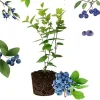
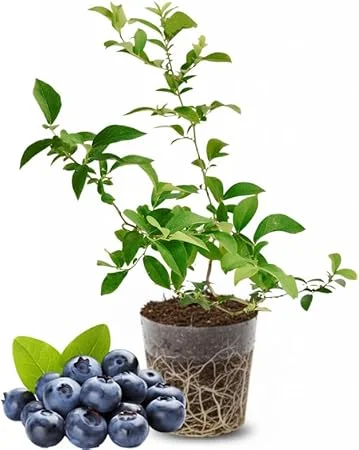
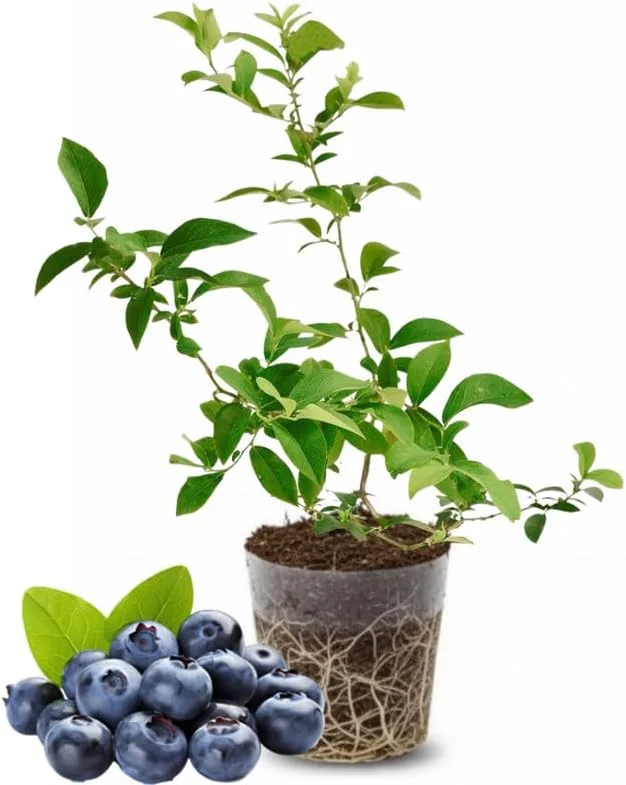
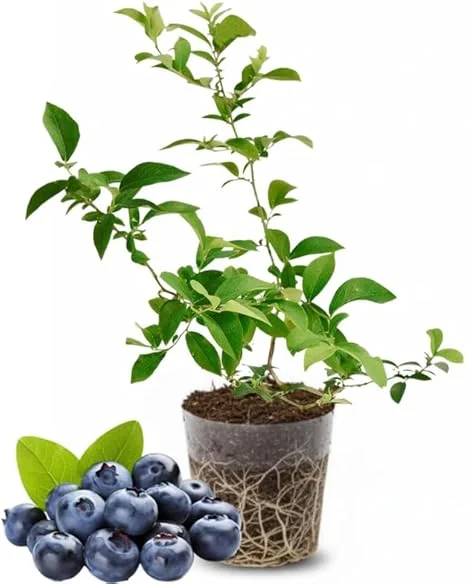
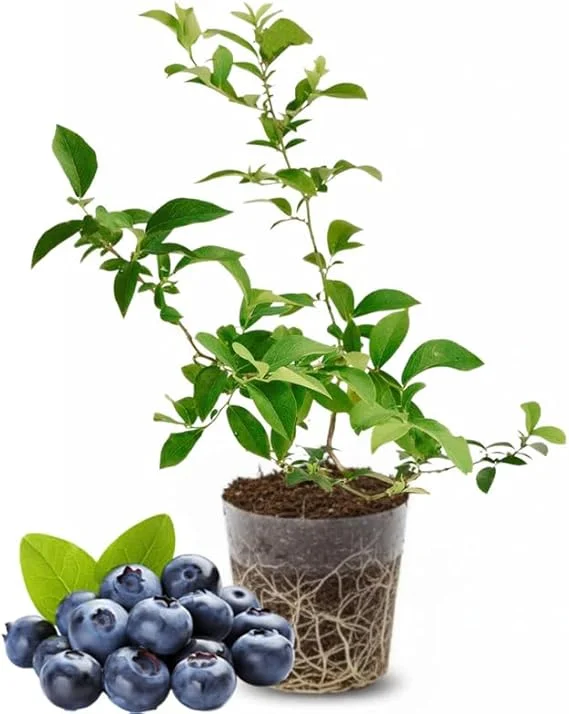
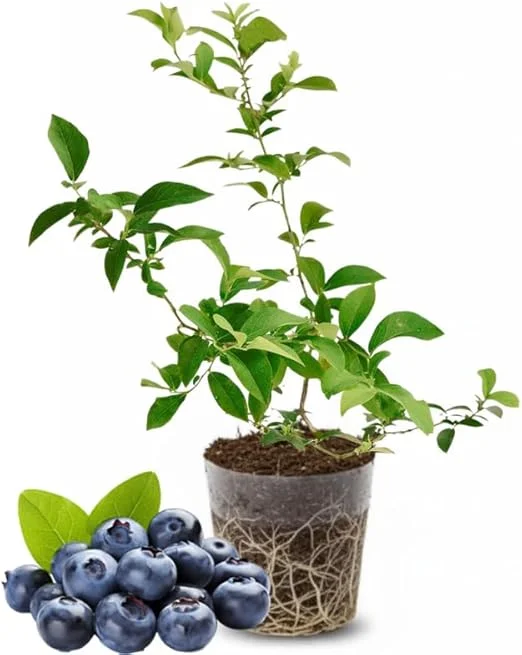
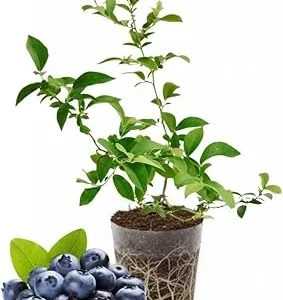
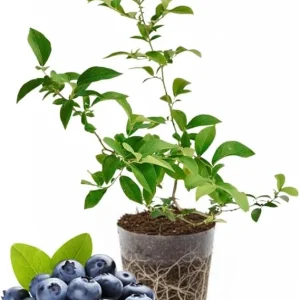
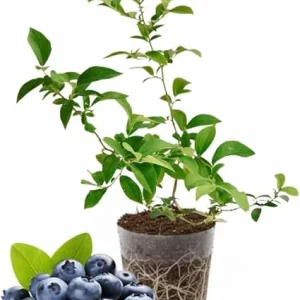
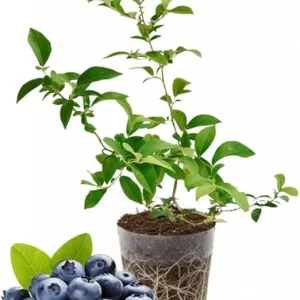
Bring the joy of fresh, homegrown fruit to your garden with this vibrant emerald blueberry live plant. Known for its delicious berries and ornamental appeal, the Emerald Blueberry is a popular choice for both novice and experienced gardeners. This offering features a healthy, well-rooted starter plant, typically measuring 4-8 inches tall, ready to establish quickly in your chosen location. The emerald blueberry live plant is a versatile and rewarding addition, providing beautiful white blossoms in spring, a bountiful harvest of sweet blueberries in summer, and striking red foliage in the fall, ensuring multi-season interest in your landscape or patio.
The Emerald Blueberry (Vaccinium corymbosum ‘Emerald’) is a high-yield, compact variety, making it perfect for smaller spaces or container gardening. Its robust nature ensures a strong start, allowing you to enjoy fresh fruit sooner. Whether you’re looking to start a new edible garden or add to an existing collection, this emerald blueberry live plant offers a practical and beautiful solution for cultivating your own delicious berries at home.
Key Benefits
Choosing an Emerald Blueberry plant for your garden offers numerous advantages, from its aesthetic appeal to its delicious yield. This remarkable plant provides both beauty and bounty, enriching your outdoor space in multiple ways:
- Delicious & Nutritious Fruit: Enjoy a consistent harvest of sweet, juicy blueberries directly from your own garden. These berries are not only tasty but also packed with antioxidants and vitamins, offering a healthy snack or ingredient for various dishes.
- Multi-Season Appeal: Experience year-round visual interest with this plant. It boasts delicate white flowers in spring, lush green foliage during summer, a vibrant display of red and orange leaves in autumn, and an attractive branching structure in winter.
- Compact & Container Friendly: The Emerald Blueberry’s naturally compact growth habit makes it an excellent choice for small gardens, patios, balconies, or even raised garden beds. It thrives in containers, allowing for flexible placement and easy management.
- Hardy & Adaptable: This hardy blueberry plant is well-suited for a wide range of climates, specifically USDA Zones 4-8. It demonstrates good tolerance to cold winters and adapts well to various soil conditions, provided they are well-draining.
- Easy to Grow: Perfect for gardeners of all skill levels, this starter plant is well-rooted and ready to thrive. Minimal fuss and consistent care will lead to abundant yields, making it a satisfying project for beginners.
- Pollinator Attraction: The spring blossoms attract beneficial pollinators like bees, contributing to a healthier garden ecosystem and ensuring a better fruit set for your emerald blueberry bush.
- Long-Term Productivity: With proper care, an emerald blueberry live plant can produce fruit for many years, becoming a long-lasting and valuable asset in your home garden.
Plant Care & Growing Tips
Caring for your emerald blueberry live plant is straightforward, yet attention to specific details will ensure a healthy, productive bush. Blueberries thrive in conditions that mimic their natural acidic, well-drained habitats. For optimal growth and fruit production, understanding their light, water, and soil preferences is crucial. Proper pruning and fertilization will also contribute significantly to the plant’s long-term health and yield.
Sunlight: The Emerald Blueberry requires full sun exposure to produce abundant fruit. This means at least 6-8 hours of direct sunlight per day. While it can tolerate partial shade, fruit production will be significantly reduced. For container-grown plants, ensure they are placed in the sunniest spot on your patio or balcony. Watering: Blueberries need consistent moisture, especially during fruit development. Water regularly, ensuring the soil remains evenly moist but never waterlogged. Deep watering once or twice a week is generally better than frequent shallow watering. During hot, dry spells, you may need to water more frequently. Soil: This plant thrives in acidic, well-draining soil with a pH between 4.5 and 5.5. Amend heavy clay soils with organic matter like peat moss or compost to improve drainage and acidity. For container planting, use a high-quality potting mix specifically formulated for acid-loving plants. Fertilization: Fertilize your emerald blueberry bush in early spring before new growth appears, using an acid-forming fertilizer formulated for blueberries or other acid-loving plants. Avoid fertilizers containing nitrates, which can be harmful. Follow package instructions for application rates. Pruning: Prune in late winter or early spring while the plant is dormant. Remove any dead, diseased, or weak branches. For mature plants, thin out older, less productive canes to encourage new growth and better air circulation, which helps with fruit production and prevents disease. This is key for learning how to grow blueberries successfully.
Size & Details
This offering is for one emerald blueberry live plant, provided as a well-rooted starter plant. Typically, the plant will be between 4-8 inches tall upon arrival, measured from the soil line. It is shipped in a nursery pot, ensuring its roots are protected and ready for transplanting. The Emerald Blueberry is a compact shrub, maturing to an average height of 3-5 feet and a similar spread, making it ideal for various garden settings or container culture. Its moderate growth rate means you can expect it to reach a productive size within a few years with proper care. The plant is suitable for USDA Hardiness Zones 4-8, indicating its resilience to colder temperatures and its ability to thrive across a broad range of climates. When considering a hardy blueberry plant, the Emerald variety stands out for its robust nature and suitability for diverse growing conditions, making it an excellent choice for long-term enjoyment and bountiful harvests.
Frequently Asked Questions
- Q: How big does this emerald blueberry live plant get? A: The Emerald Blueberry is a compact variety that typically grows to a mature height and spread of 3-5 feet. Its manageable size makes it suitable for various garden spaces, including containers.
- Q: What size pot does it come in? A: The emerald blueberry live plant is shipped as a well-rooted starter plant in a small nursery pot, typically between 4-8 inches tall, ready for immediate transplanting into a larger container or garden bed.
- Q: Is this an indoor or outdoor plant? A: The Emerald Blueberry is primarily an outdoor plant, requiring full sun exposure and winter dormancy for optimal fruit production. It thrives in garden beds, patio containers, or raised beds in suitable USDA zones.
- Q: How much sunlight does it need? A: For best results and abundant fruit, your emerald blueberry bush needs at least 6-8 hours of direct sunlight per day. Choose a sunny location in your garden or on your patio.
- Q: Is this plant easy to care for? A: Yes, the Emerald Blueberry is considered relatively easy to care for, making it a good choice for beginners interested in how to grow blueberries. Consistent watering, proper soil acidity, and annual pruning are key to its success.
- Q: What condition will it arrive in? A: Your emerald blueberry live plant will arrive well-rooted and carefully packaged to ensure it is healthy and ready to plant upon delivery. We take great care in preparing plants for shipment.
- Q: When is the best time to plant? A: The best time to plant your Emerald Blueberry is in early spring or fall, allowing the plant to establish its root system before extreme temperatures set in.
- Q: Will it survive winter in my zone? A: This is a hardy blueberry plant suitable for USDA Zones 4-8, meaning it can tolerate cold winter temperatures within this range. In colder zones, container plants may need protection or to be moved indoors.
- Q: What type of soil does it prefer? A: Emerald Blueberries thrive in acidic, well-draining soil with a pH between 4.5 and 5.5. Amending with peat moss or specific acid-lovers’ soil mix is recommended.
- Q: How long until it produces fruit? A: While your starter plant may produce some berries in its first year, significant fruit production typically begins in the second or third year after planting, as the plant matures.


Reviews
There are no reviews yet.