Overview
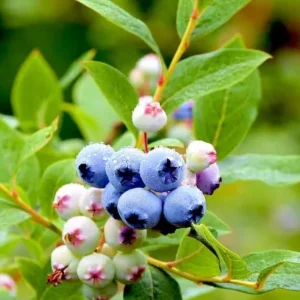
Embark on a rewarding gardening journey with the emerald blueberry live plant. This offering includes a set of two robust starter plants, each measuring approximately 4-6 inches tall, poised to transform your garden into a berry-producing haven. The Emerald Blueberry is a renowned Southern Highbush variety, celebrated for its early fruiting season, substantial berry size, and exceptional flavor profile. Originating from the vaccinum corymbosum family, these plants are an excellent choice for gardeners seeking a reliable and prolific source of fresh, homegrown blueberries. Particularly well-suited for warmer regions, the Emerald Blueberry boasts a low chill requirement, making it an ideal candidate for southern climates where other varieties might struggle. Cultivating this edible fruit plant not only provides a bountiful harvest but also adds an attractive, productive element to your landscape.
These starter plants are an ideal way to begin your blueberry patch, offering the promise of fresh, antioxidant-rich fruit for years to come. The Emerald variety is known for its vigorous growth and adaptability, making it a favorite among both novice and experienced growers looking for a reliable blueberry for warm climates.
Key Benefits
The emerald blueberry live plant offers a multitude of advantages for the home gardener, combining ease of growth with a delicious yield:
- Early & Abundant Harvest: Enjoy fresh, sweet blueberries earlier in the season compared to many other varieties, with a harvest period from mid-April to mid-May. This early production is a significant benefit for eager gardeners, providing a head start on the berry season.
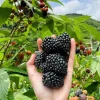
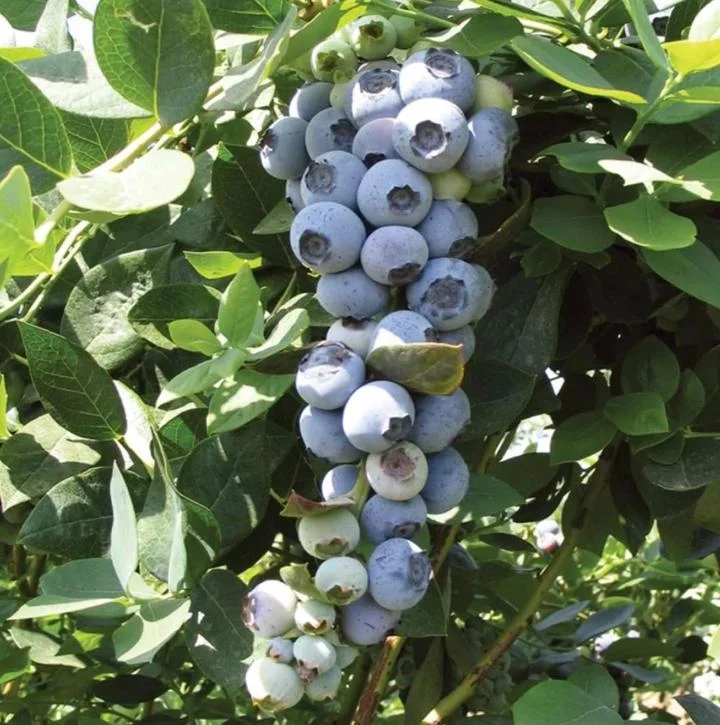
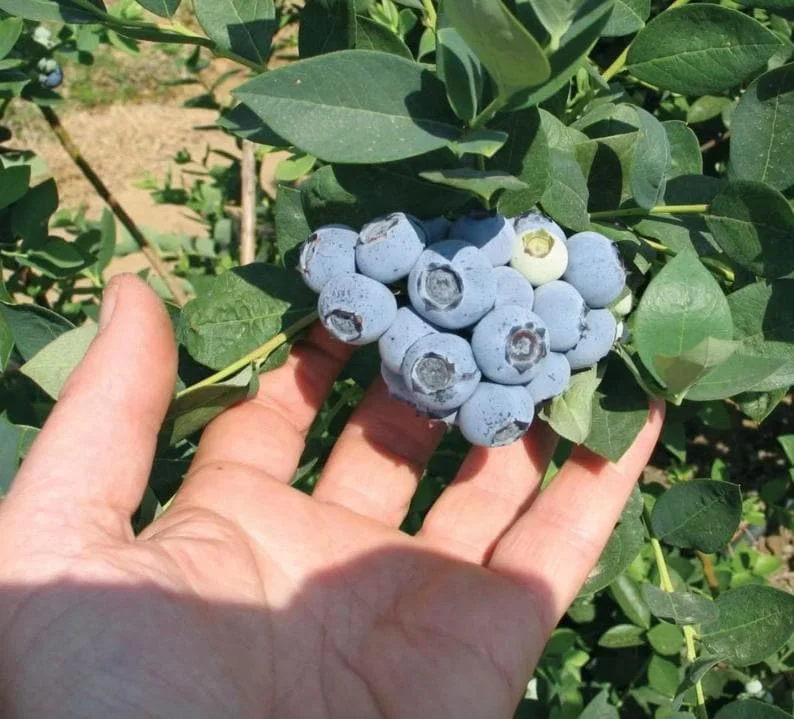
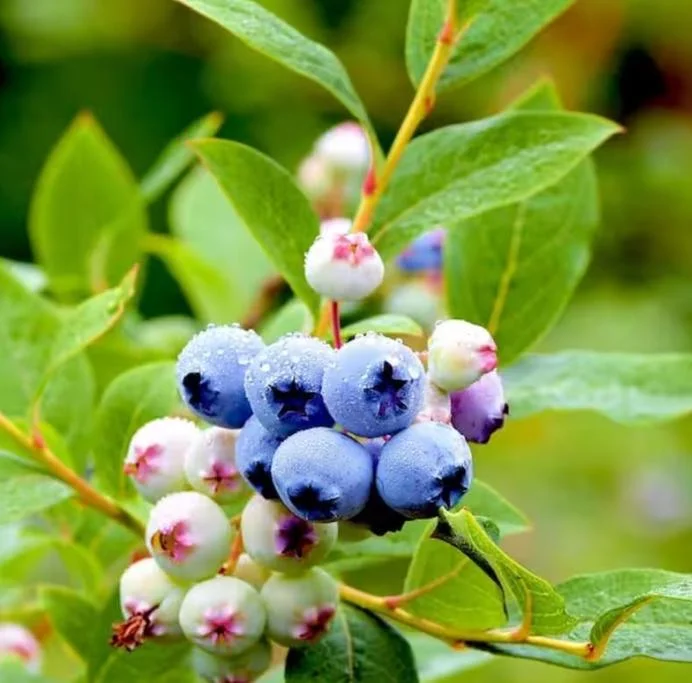
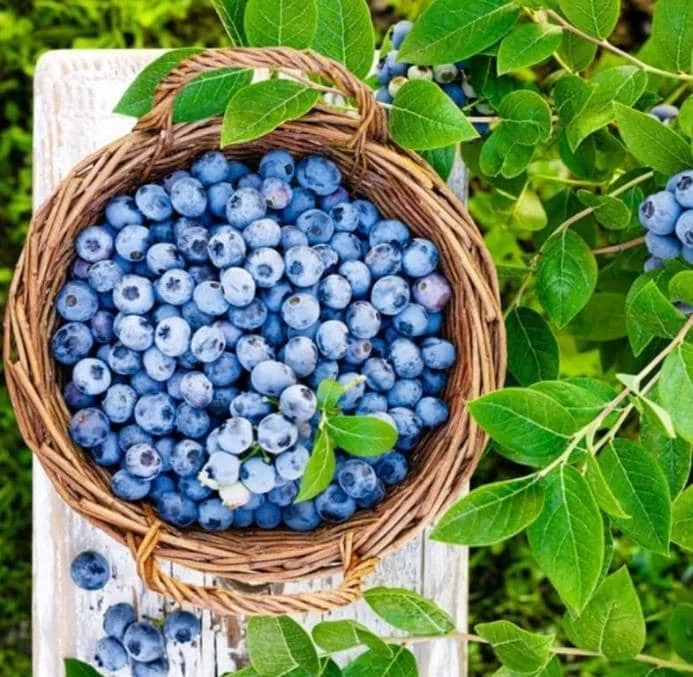
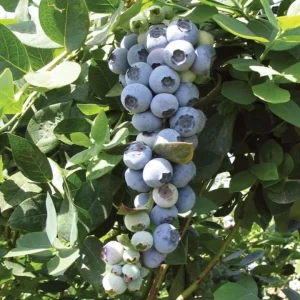
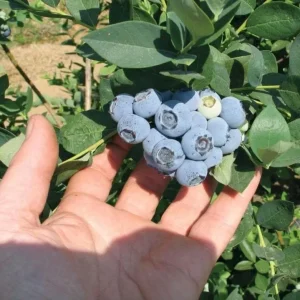
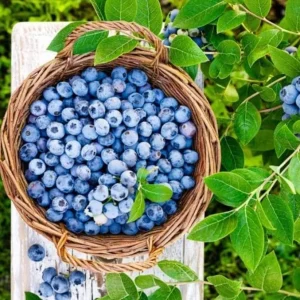
- Superior Berry Quality: These plants produce large, firm, medium-dark blue berries known for their mild, sweet taste. They are perfect for fresh eating, baking, jams, and freezing, providing versatile culinary options right from your garden.
- Adaptable to Warm Climates: With a low chill requirement of approximately 250 hours, the Emerald is an excellent choice for gardeners in USDA Hardiness Zones 8–10, making it a prime blueberry for warm climates where traditional varieties may not thrive.
- Productive & Robust Growth: As a southern highbush blueberry variety, the Emerald is known for its vigorous growth and high yield potential, ensuring a generous supply of fruit for years to come with proper care.
- Enhances Garden Biodiversity: Planting blueberries contributes to local biodiversity, attracting essential pollinators like bees and beneficial insects, creating a healthier and more vibrant garden ecosystem.
- Nutrient-Rich Fruit: Blueberries are packed with antioxidants, vitamins, and fiber, offering a healthy and delicious addition to your diet straight from your garden. Enjoy the health benefits of homegrown produce.
- Aesthetic Appeal: Beyond their fruit, these bushes offer attractive foliage and form, making them a beautiful addition to edible landscapes or ornamental gardens throughout the seasons.
Plant Care & Growing Tips
To ensure your emerald blueberry live plant thrives and produces a bountiful harvest, proper care is essential. These plants prefer a specific set of conditions to flourish. Sunlight is crucial; they require full sun to partial sun exposure, meaning at least 6-8 hours of direct sunlight daily for optimal fruit production. While they can tolerate some shade, too little sun will reduce yields. Watering is critical, especially during establishment. In sandy soil, water twice weekly, and in clay soil, once weekly. Once established, aim for approximately 1 inch of water per week, ensuring the soil remains consistently moist but not waterlogged.
The Emerald Blueberry demands acidic, well-draining soil with a preferred pH range of 4.5–5.5. A sandy loam enriched with peat moss is highly recommended to achieve these conditions. Mulching is also beneficial; apply 4–6 inches of pine bark or oak leaf mulch to help retain soil moisture, suppress weeds, and maintain soil acidity. Remember to keep mulch away from the trunk to ensure proper airflow and prevent disease. For the best yields, consider planting alongside another compatible southern highbush blueberry variety to enhance cross-pollination. During the first year, remove any flowers to redirect the plant’s energy into root and foliage development, promoting stronger growth for future fruiting. Do not fertilize at planting; wait until the plant is established. Begin light pruning after year 3, and annually remove dead or damaged canes, thinning the oldest 25% of growth for renewal and continued productivity of your vaccinum corymbosum.
Size & Details
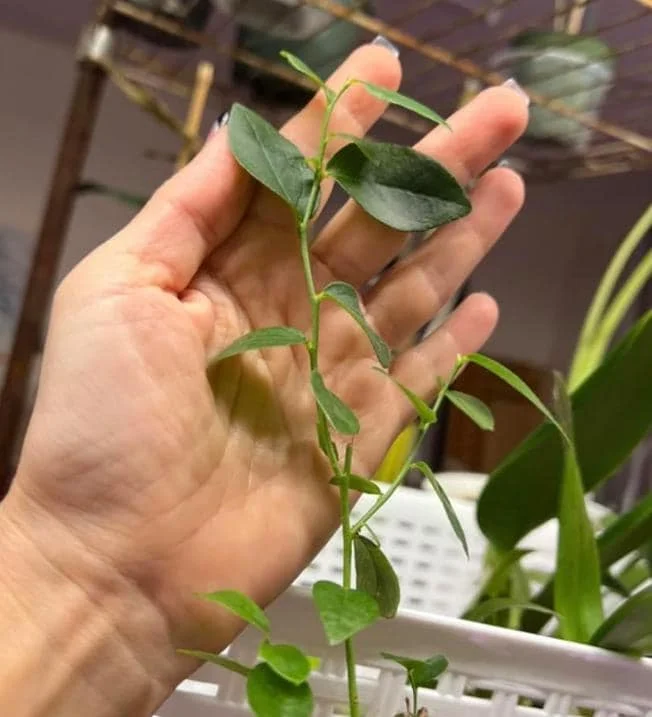
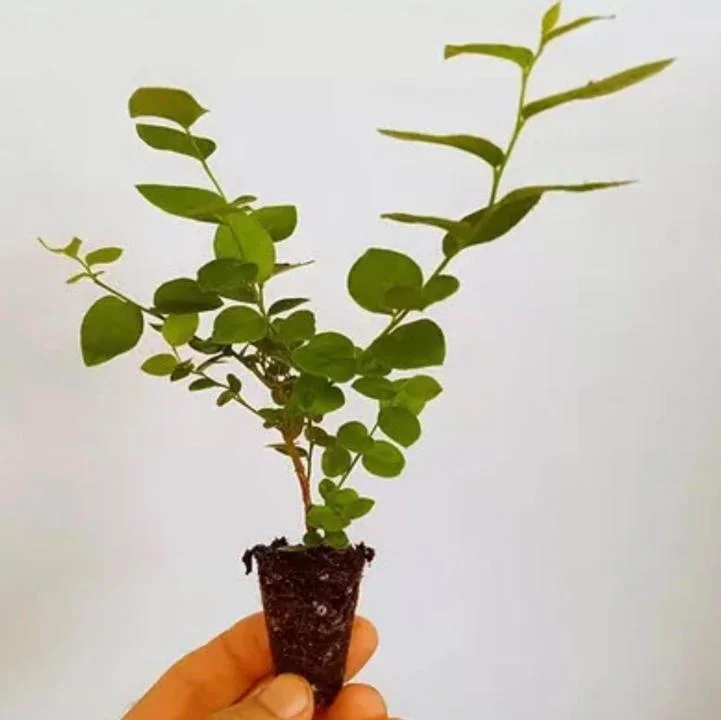
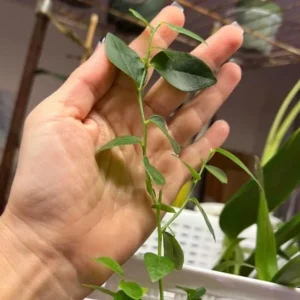
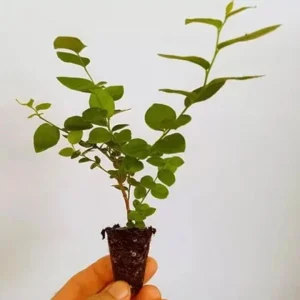
This offering includes a set of two emerald blueberry live plant starter plants. Each young plant is approximately 4–6 inches tall upon arrival, though natural variations in size may occur. They are shipped without pots, with their roots carefully wrapped to retain moisture during transit, ensuring they arrive healthy and ready for planting. These are starter plants, not mature fruiting bushes, and will require time to grow and establish before producing a significant harvest. The Emerald Blueberry is a Southern Highbush variety known for its vigorous growth. At maturity, these bushes typically reach a height of approximately 6–8 feet with a spread of 4–6 feet, forming a substantial and productive bush. Early flowering occurs from mid-January to mid-February, leading to a harvest season from mid-April to mid-May. With proper care, you can expect these plants to begin producing fruit within a few years, offering a long-term source of fresh, delicious berries from your own edible fruit plant.
Frequently Asked Questions
- Q: How big do these Emerald Blueberry plants get? A: At maturity, the emerald blueberry live plant typically grows to a height of approximately 6–8 feet and spreads about 4–6 feet wide, forming a substantial bush. This robust size allows for a significant harvest of berries.
- Q: What condition will the plants arrive in? A: You will receive two healthy starter plants, approximately 4–6 inches tall. They are shipped without pots, with roots wrapped to retain moisture. Minor cosmetic stress from shipping is normal, and plants may appear small or leafless depending on the season, but they are ready for planting.
- Q: Is this an indoor or outdoor plant? A: The Emerald Blueberry is primarily an outdoor plant, best suited for garden cultivation where it can receive ample sunlight and space to grow. It is a robust southern highbush blueberry variety that thrives in open environments.
- Q: How much sunlight does it need? A: This plant thrives in full sun to partial sun conditions, requiring at least 6-8 hours of direct sunlight daily for optimal fruit production and overall plant health. Adequate sunlight is key to a bountiful harvest.
- Q: Is this plant easy to care for? A: With the right soil conditions (acidic, well-draining) and consistent watering, the Emerald Blueberry is a relatively easy plant to care for, especially for gardeners in appropriate USDA zones. Its adaptability makes it a good choice for many.
- Q: What USDA Hardiness Zones are suitable for the Emerald Blueberry? A: The Emerald Blueberry is well-suited for USDA Hardiness Zones 8–10, making it an excellent blueberry for warm climates due to its low chill requirement. It performs well in regions with milder winters.
- Q: When is the best time to plant these blueberries? A: While they can be planted in spring or fall, planting when temperatures are moderate allows for better establishment. This helps the young roots settle in without the stress of extreme heat or cold.
- Q: How long until it blooms and produces fruit? A: These are starter plants. While they may flower in the first year, it’s recommended to remove flowers to promote stronger plant growth. Significant fruit production typically begins in year 2 or 3, with increasing yields as the plant matures.
- Q: Can I grow this plant in a container? A: While possible, a large container (at least 15-20 gallons) would be needed for a mature bush, and consistent care for soil acidity and moisture would be crucial for this vaccinum corymbosum. Container growing requires diligent attention to soil pH.
- Q: Do I need more than one plant for fruit? A: For best yields, planting alongside another compatible southern highbush blueberry variety is recommended to enhance cross-pollination, though Emerald is somewhat self-fertile. Cross-pollination often leads to larger and more abundant berries.


Reviews
There are no reviews yet.