Overview
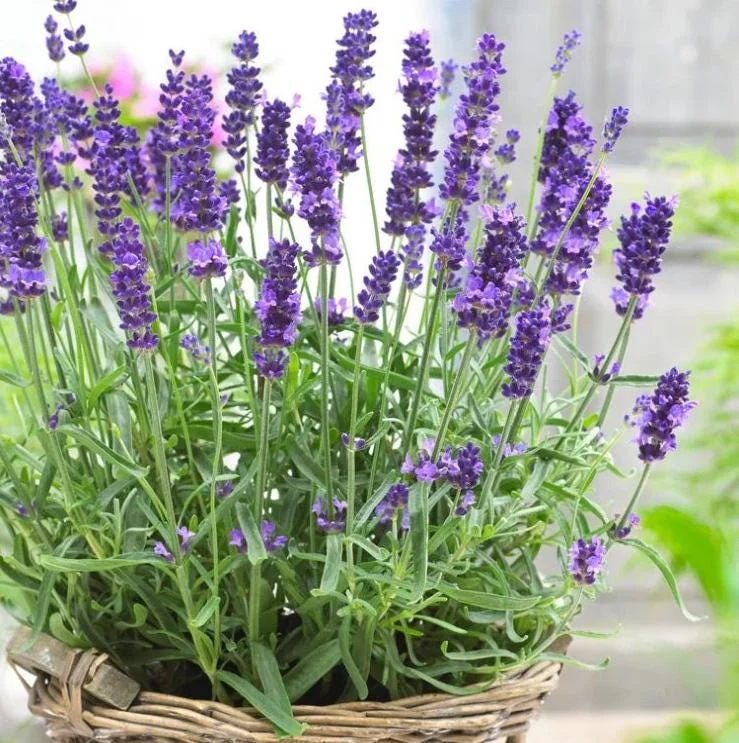
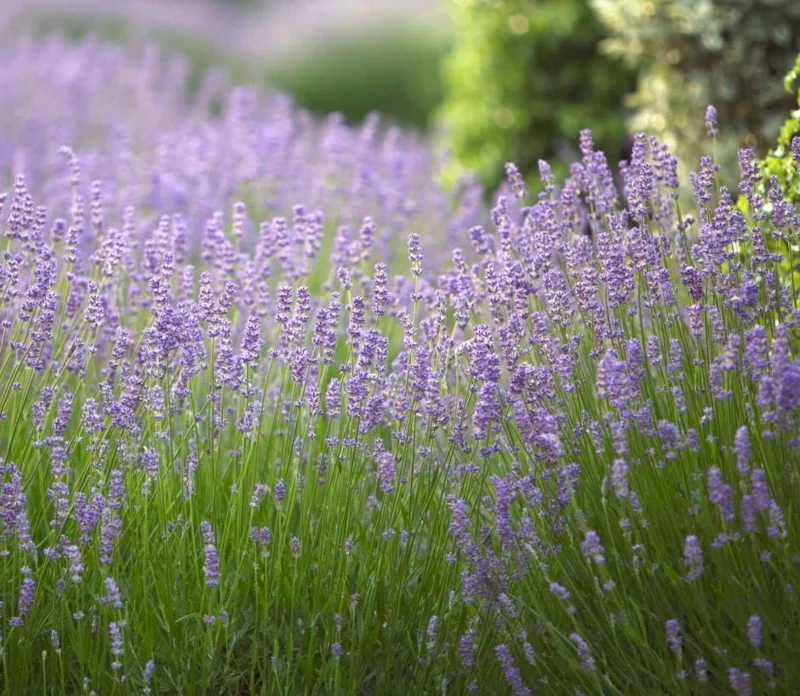
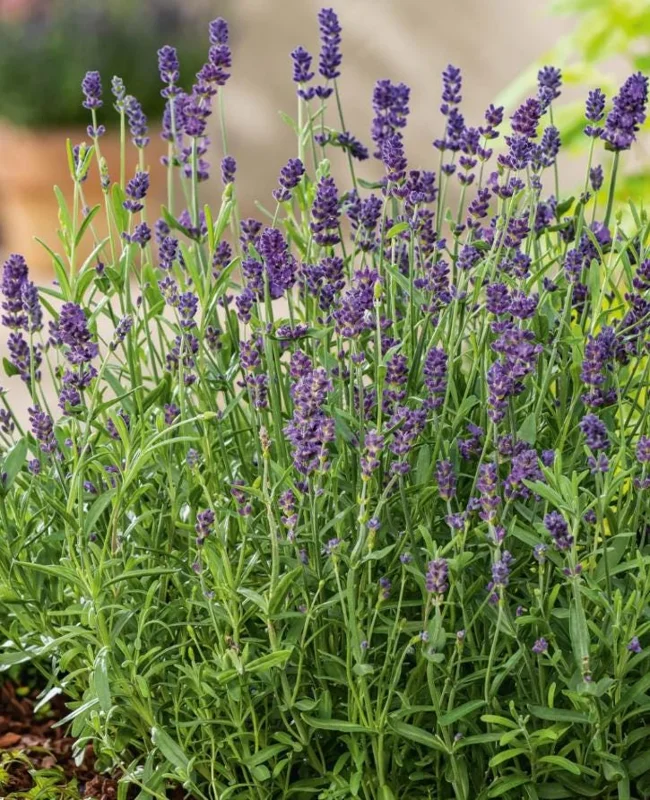
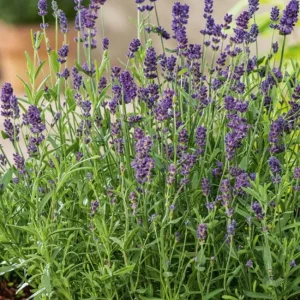
Introduce the timeless beauty and soothing fragrance of the english lavender live plant into your living space or garden. This exquisite perennial, scientifically known as Lavandula angustifolia, is cherished for its vibrant purple flowers and aromatic foliage. Originating from the Mediterranean, English Lavender is a hardy and versatile plant, making it an ideal choice for both novice and experienced gardeners. Our live plants arrive ready for planting, offering an instant touch of elegance and a delightful scent to any environment. Whether you’re looking to create a fragrant border, a charming container display, or simply enjoy its calming presence, this english lavender live plant is a perfect addition.
Known for its compact growth habit and abundant blooms, English Lavender provides continuous visual and olfactory pleasure from late spring through early summer, often with a second flush of flowers if properly pruned. It’s not just a beautiful ornamental; its fragrant flowers are also popular for culinary uses, aromatherapy, and crafting, making it a truly multi-functional plant. Enjoy the serene atmosphere it creates while attracting beneficial pollinators like bees and butterflies to your garden.
Key Benefits
The english lavender live plant offers a multitude of benefits, enhancing both your garden and your well-being. Its robust nature and stunning appearance make it a favorite among plant enthusiasts.
- Aromatic Fragrance: Experience the classic, calming scent of lavender that can help reduce stress and promote relaxation. The fragrance is perfect for creating a tranquil outdoor retreat or a soothing indoor ambiance.
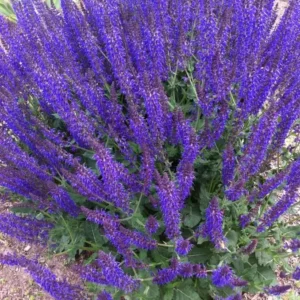
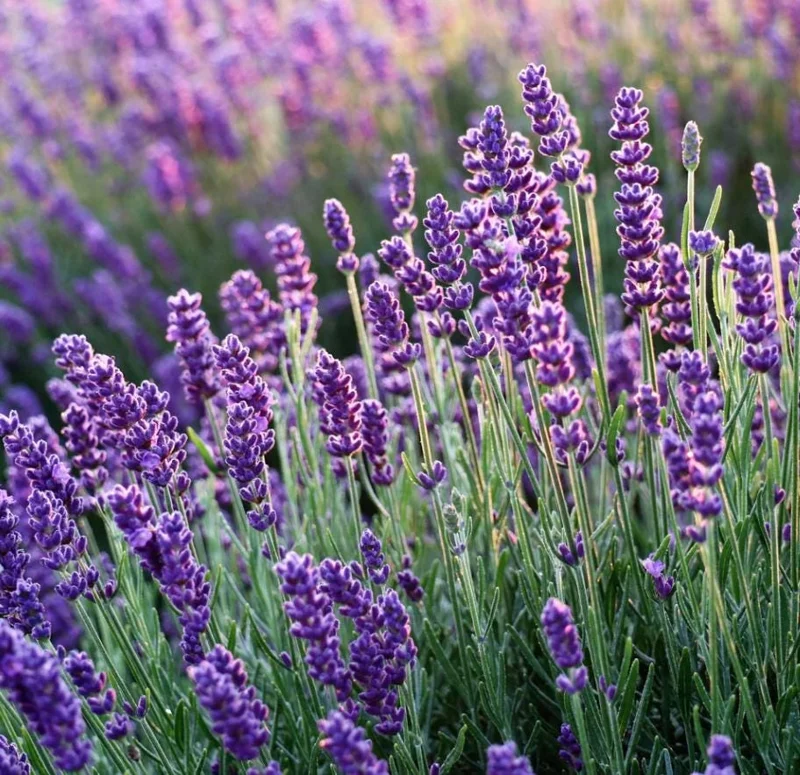
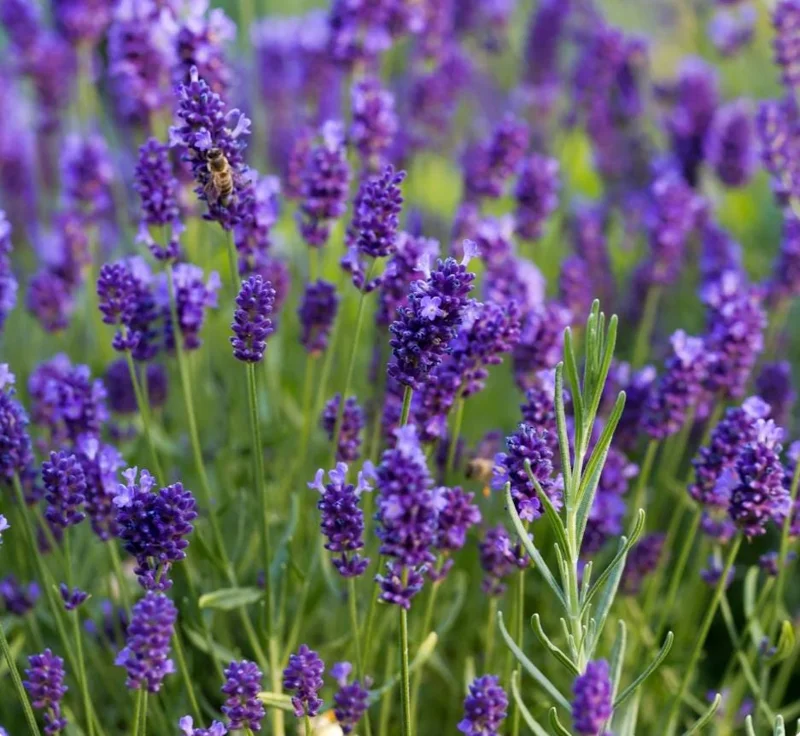
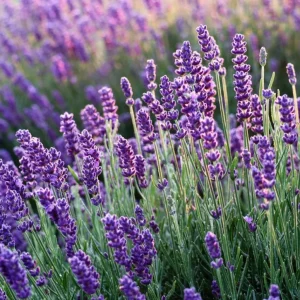
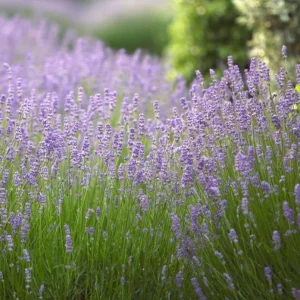
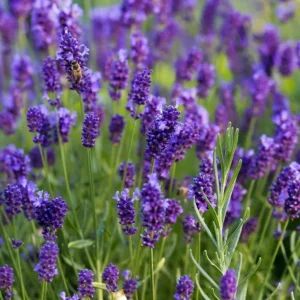
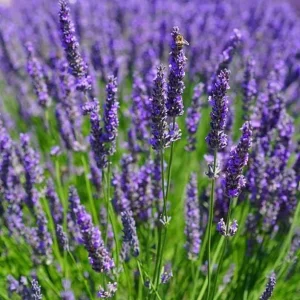
- Beautiful Purple Blooms: Enjoy a profusion of delicate, deep purple flowers that add a splash of color and elegance to any setting. These blooms are a visual delight throughout the growing season.
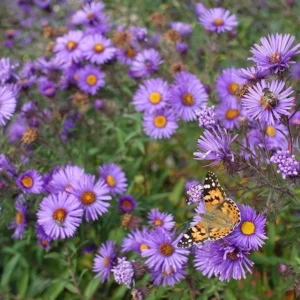
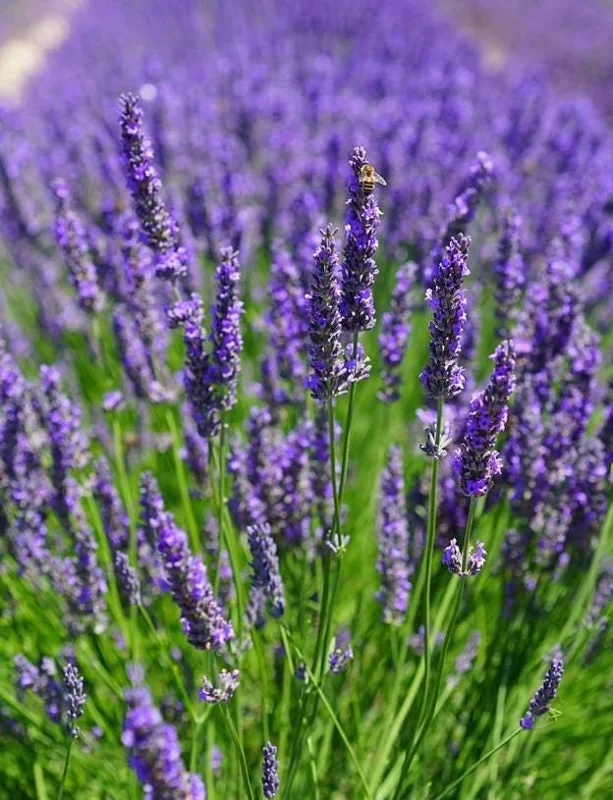
- Attracts Pollinators: This plant is a magnet for bees, butterflies, and other beneficial pollinators, contributing to the health and biodiversity of your garden ecosystem. It’s an essential plant for supporting local wildlife.
- Drought-Tolerant: Once established, growing english lavender is remarkably resilient and requires minimal watering, making it an excellent choice for water-wise gardening. This reduces maintenance and conserves resources.
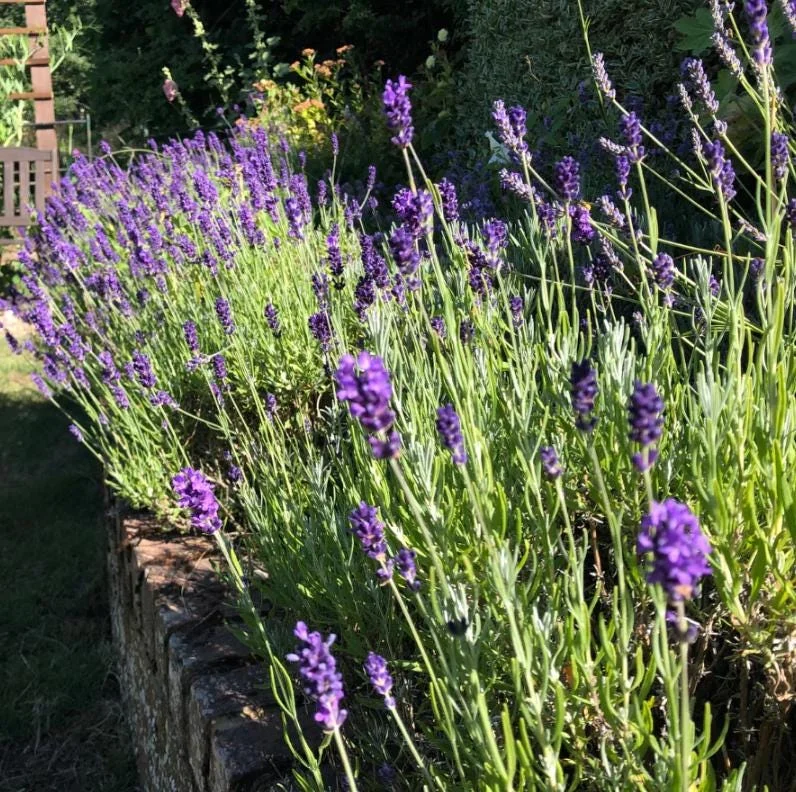
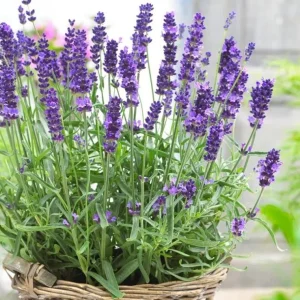
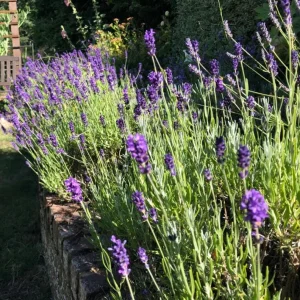
- Versatile Planting Options: Suitable for both garden beds and container planting, this lavender adapts well to various environments. You can enjoy its beauty on a patio, balcony, or as part of a larger landscape design.
- Low Maintenance: English Lavender is known for its ease of care, requiring only basic attention to thrive. This makes it an ideal plant for busy gardeners or those new to gardening.
- Culinary and Craft Uses: The fragrant flowers and leaves can be harvested for a variety of uses, including culinary dishes, herbal teas, essential oils, potpourri, and sachets.
Plant Care & Growing Tips
Caring for your english lavender live plant is straightforward, ensuring a healthy and vibrant display of purple blooms. Proper placement and routine care are key to its success. Choose a location that receives full sun, meaning at least 6–8 hours of direct sunlight daily. Lavender thrives in warmth and light, and insufficient sun will result in sparse flowering and leggy growth. For soil, well-drained sandy or loamy conditions are preferred. Good drainage is crucial, as lavender does not tolerate wet feet, which can lead to root rot. If your soil is heavy clay, consider amending it with sand or grit to improve drainage.
Water deeply but infrequently, allowing the soil to dry out completely between waterings. Overwatering is a common mistake that can harm lavender. Once established, typically after the first season, the plant becomes quite drought-tolerant. This makes lavender plant care relatively low-effort. English Lavender is hardy in USDA zones 5–9 and generally prefers cooler summers compared to other lavender varieties. Pruning is essential for maintaining a compact shape and encouraging new growth and more blooms. Prune your plant after the main flowering period in late summer or early fall. Focus on trimming only the green growth and avoid cutting into old, woody stems. Removing faded flowers, also known as deadheading, can promote a second, lighter flush of blooms.
For those interested in growing english lavender in pots, ensure you use a container with ample drainage holes. Fill it with a sandy or gritty potting mix to facilitate proper drainage. Potted plants may require more frequent watering than those in the ground, as containers tend to dry out faster. Keep containerized lavender in a full sun location, such as a sunny balcony, patio, or windowsill. Regular feeding is generally not necessary, but a light application of a balanced, slow-release fertilizer in early spring can be beneficial, especially for container plants which deplete soil nutrients faster.
Size & Details
This offering includes one english lavender live plant, which arrives actively growing and ready for transplanting. Each plant measures approximately 2-4 inches tall from the top of the soil and is cultivated in a 3-inch nursery pot. The plants are carefully packaged to ensure safe arrival. English Lavender typically grows to a mature height of 1-3 feet and spreads 1-3 feet wide, forming a dense, rounded shrub. Its growth rate is moderate, reaching its full size within 2-3 years under optimal conditions. Expect the first fragrant purple lavender flower blooms in late spring to early summer, with potential for a second bloom in late summer if deadheaded. This perennial is known for its longevity and will provide years of beauty and fragrance in your garden.
Frequently Asked Questions
- Q: How big does this English Lavender plant get? A: Your english lavender live plant will arrive 2-4 inches tall in its pot. At maturity, it typically reaches a height and spread of 1 to 3 feet, forming a beautiful, compact bush.
- Q: Is this an indoor or outdoor plant? A: English Lavender is primarily an outdoor plant, thriving in full sun. However, it can be grown indoors in a sunny window or balcony with proper care, especially if you’re looking for a fragrant purple lavender flower display.
- Q: How much sunlight does it need? A: This lavender variety requires at least 6-8 hours of direct sunlight per day to produce the best blooms and maintain a healthy growth habit. Full sun is essential for optimal growth.
- Q: Is this plant easy to care for? A: Yes, English Lavender is considered relatively easy to care for, especially once established. It’s known for its drought tolerance and minimal maintenance needs, making it a great choice for various gardeners.
- Q: What condition will it arrive in? A: Your lavender plant will arrive as a healthy, actively growing plant in its 3-inch nursery pot, carefully packaged to ensure its safe journey and readiness for planting.
- Q: How long until it blooms? A: Depending on the time of year you receive it, your english lavender live plant may begin to bloom in late spring to early summer. Established plants typically bloom annually during this period.
- Q: Can I use this lavender for culinary purposes? A: Yes, English Lavender (Lavandula angustifolia) is widely used in culinary applications, from baking to herbal teas. Ensure the plant is grown organically if you plan to consume its flowers or leaves.
- Q: What is the best time to plant perennial lavender? A: The best time for perennial lavender planting is typically in spring after the last frost, allowing the plant ample time to establish its root system before the heat of summer or the cold of winter.
- Q: Will it survive winter in my zone? A: English Lavender is hardy in USDA Zones 5-9. If you are within these zones, it should survive winter outdoors. In colder zones, it can be grown as an annual or brought indoors for winter protection.
- Q: What kind of soil does this plant need? A: This plant thrives in well-drained, sandy, or loamy soil. Good drainage is crucial to prevent root rot, so avoid heavy clay soils or amend them significantly before planting.


Reviews
There are no reviews yet.