Overview
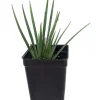
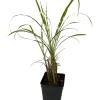
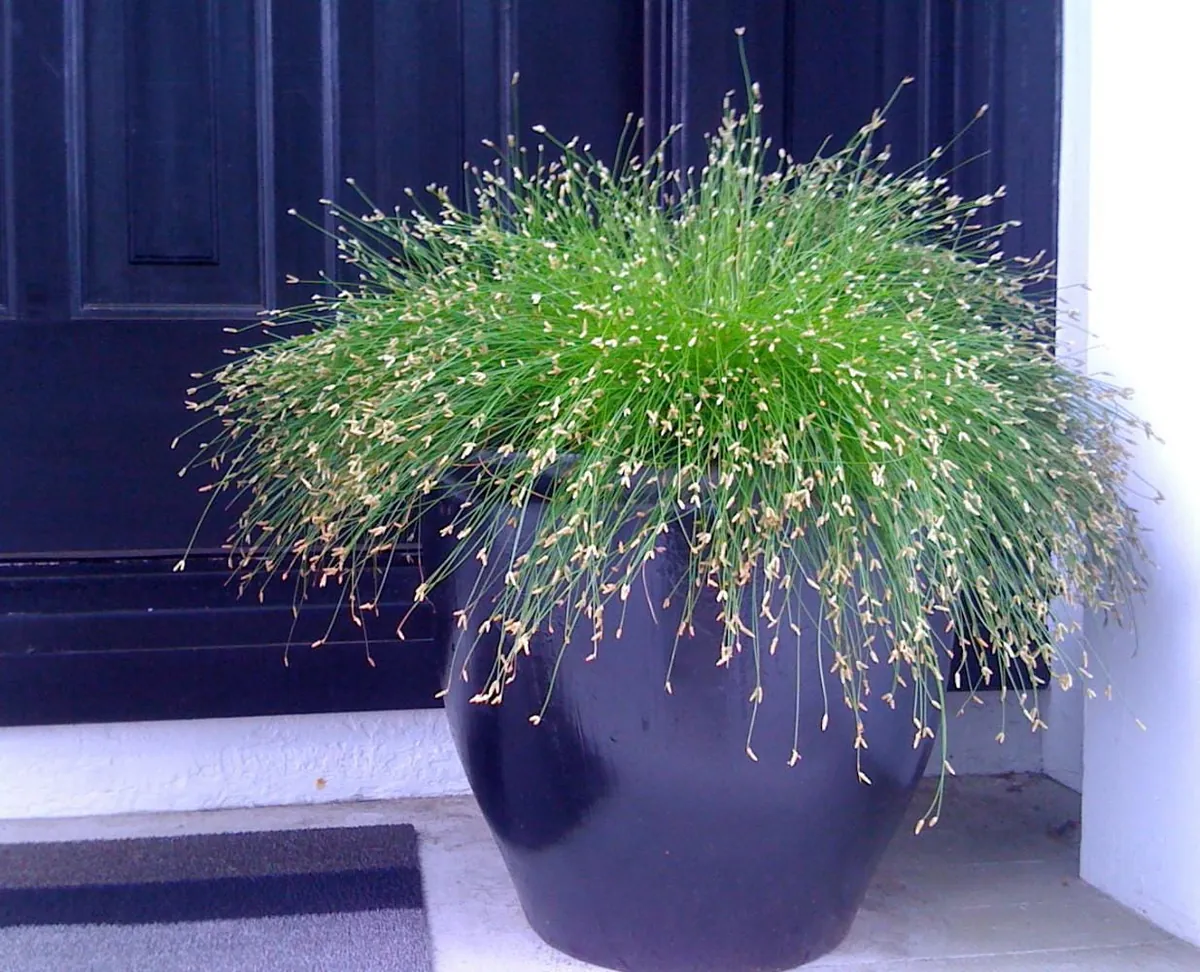
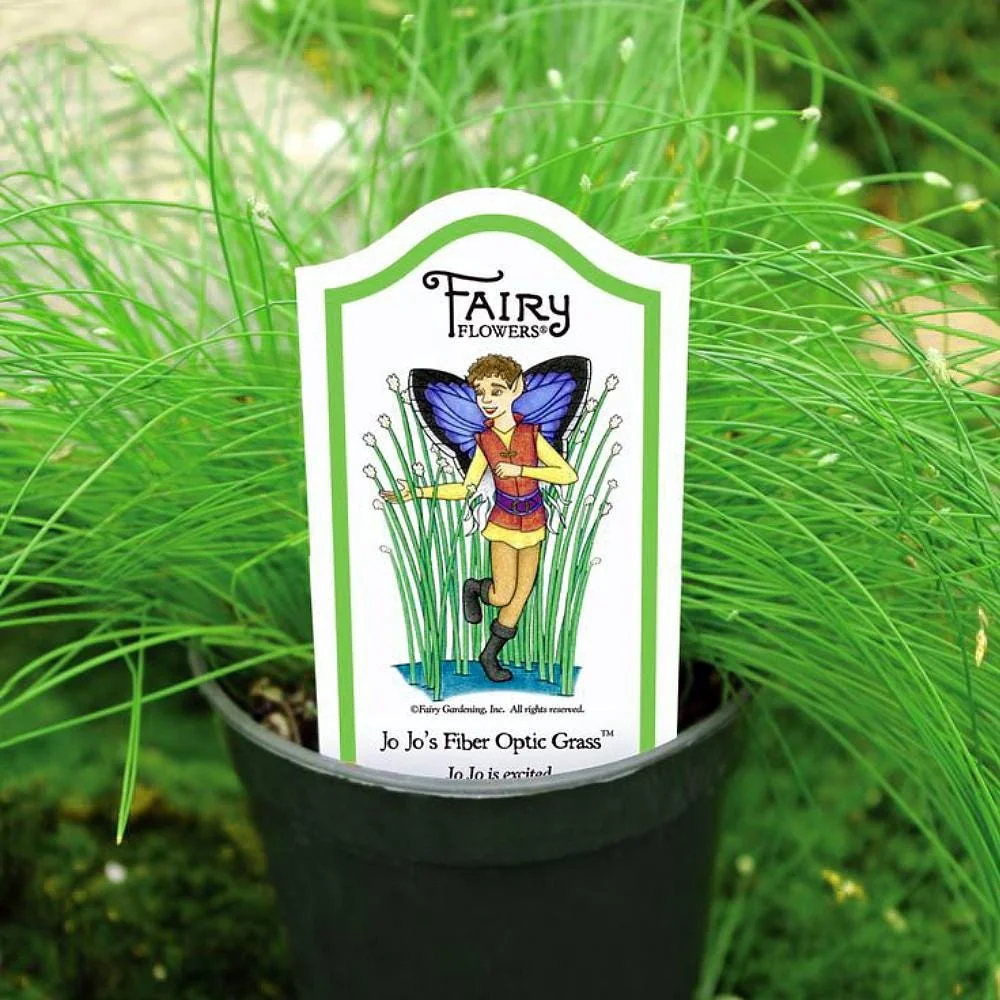
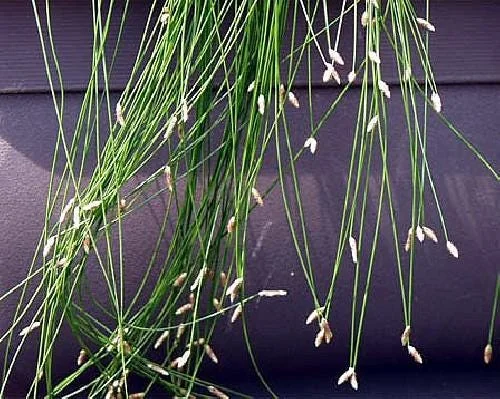
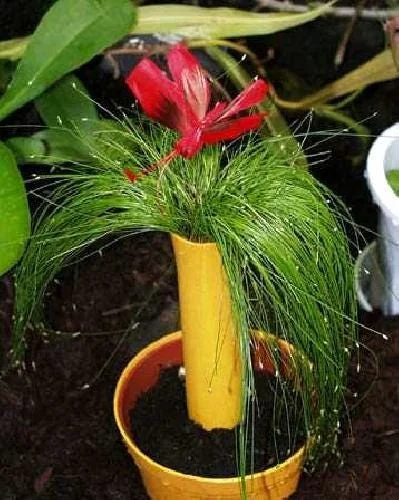
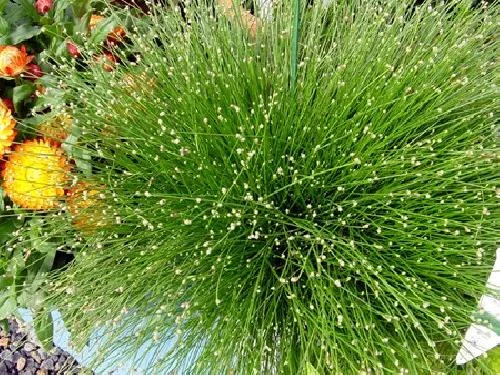
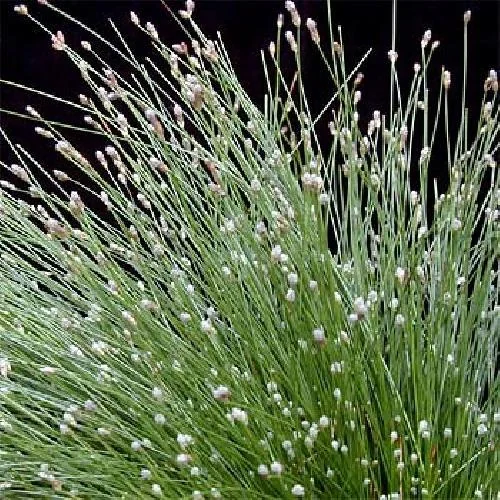
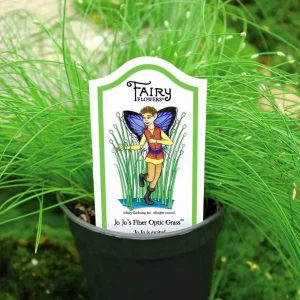
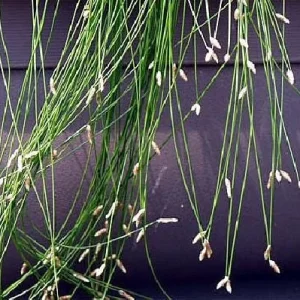
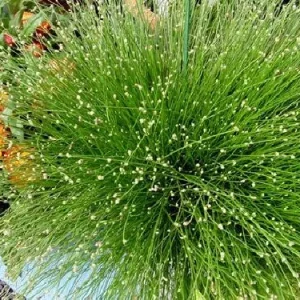
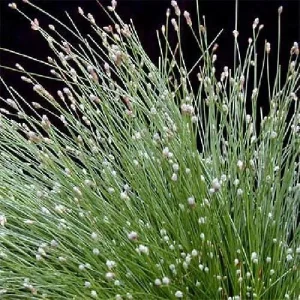
Bring a touch of whimsical elegance to your garden with our fiber optic grass live plant. This captivating ornamental grass, also known by its botanical name Isolepis cernua or Scirpus cernuus, is not actually a grass but a sedge, renowned for its delicate, arching stems tipped with tiny, silvery-white florets that resemble illuminated fiber optics. Originating from Southern Europe, the British Isles, and Northern Africa, this unique plant offers a fascinating visual appeal, especially when planted in groups. Ideal for creating a miniature landscape in a fairy garden or as an accent in mixed containers, this fiber optic grass live plant adds a dynamic element with its gentle swaying movement in the breeze. It’s an excellent choice for those looking to introduce unusual textures and forms into their plant collection, particularly in areas requiring consistent moisture.
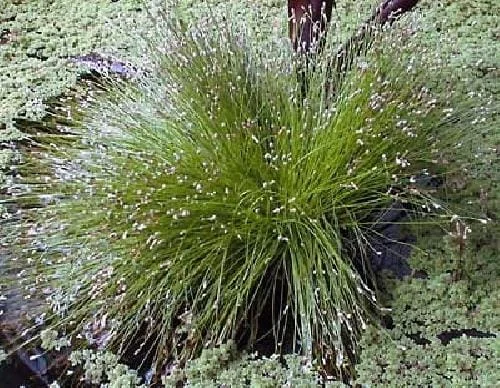
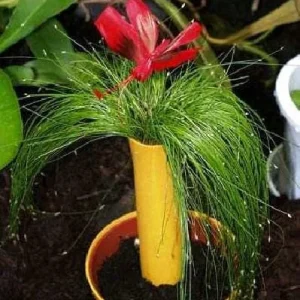
The charm of the fiber optic grass live plant lies in its fine, hair-like foliage and its ability to thrive in perpetually wet or boggy conditions, making it a perfect fit for water features or container gardens where consistent moisture is maintained. Its compact size and distinctive appearance make it a favorite for adding intricate detail to small-scale plantings. Whether you’re a seasoned gardener or a beginner, this low-maintenance sedge provides continuous interest and a natural, serene aesthetic to any setting, creating a tranquil atmosphere with its unique form.
Key Benefits
The fiber optic grass live plant offers a multitude of benefits, making it a delightful addition to various garden designs and indoor spaces. Its unique appearance and easy-care nature contribute to its widespread appeal:
- Unique Ornamental Appeal: The slender, arching stems with their light-colored tips create a striking visual effect, resembling tiny fiber optic lights. This provides an unusual and captivating texture that stands out in any plant arrangement.
- Thrives in Moist Conditions: Unlike many plants, fiber optic grass live plant loves consistently wet or boggy soil, making it perfect for areas that are often damp or for creating a miniature bog garden. It’s an excellent solution for difficult-to-plant moist spots.
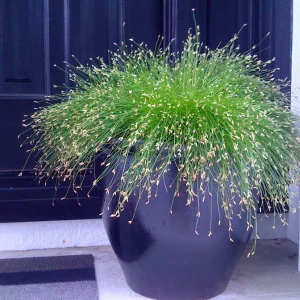
- Versatile for Containers & Fairy Gardens: Its compact growth habit and distinctive look make it an ideal choice for mixed container plantings, terrariums, and especially popular for enhancing the magical feel of fairy garden plants.
- Adds Movement & Interest: The delicate stems gently sway with the slightest breeze, adding a dynamic and lively element to your garden or patio, creating a soothing and natural ambiance.
- Low Maintenance: Once established in its preferred moist environment, isolepis cernua care is relatively simple, requiring minimal fuss to maintain its beauty. This makes it suitable for gardeners of all experience levels.
- Pet-Friendly: Fiber optic grass live plant is generally considered non-toxic to pets, offering peace of mind for pet owners who want to introduce interesting plants into their home or garden.
- Year-Round Appeal: In suitable climates or indoors, this sedge maintains its attractive appearance throughout the year, providing continuous greenery and texture.
Plant Care & Growing Tips
Caring for your fiber optic grass live plant (Isolepis cernua) is straightforward, especially if you provide it with its preferred consistently moist environment. This sedge thrives on moisture, so ensuring its soil never dries out is the most crucial aspect of its care. It prefers full sun to partial shade; in hotter climates, some afternoon shade can prevent scorching. Aim for at least 4-6 hours of direct sunlight daily for optimal growth and the best development of its distinctive fiber-optic-like tips. When growing indoors, place it near a bright window or under grow lights to ensure it receives adequate light.
Watering is key for the fiber optic grass live plant. The soil should remain consistently moist, almost boggy. If grown in a container, consider placing the pot in a saucer of water to keep the roots hydrated, or use a self-watering pot. For outdoor plantings, ensure the location is naturally damp or supplement with frequent watering, especially during dry spells. A well-draining soil mixed with some organic matter that retains moisture, such as peat moss or coco coir, is ideal. This helps create the perpetually wet conditions that scirpus cernuus loves without becoming waterlogged and stagnant.
This plant is generally hardy in USDA Zones 9-11, where it can be grown outdoors year-round. In colder climates, it is best treated as an annual or brought indoors before the first frost. Maintain average room temperatures (60-75°F / 15-24°C) when grown indoors. Fertilize sparingly with a balanced liquid fertilizer during the growing season (spring and summer), about once a month, at half strength. Pruning is rarely needed, but you can trim back any yellowing or leggy growth to maintain its tidy appearance. Watch out for common pests like spider mites if grown indoors in dry conditions; regular misting can help prevent this. Understanding isolepis cernua care ensures a healthy and vibrant plant.
Size & Details
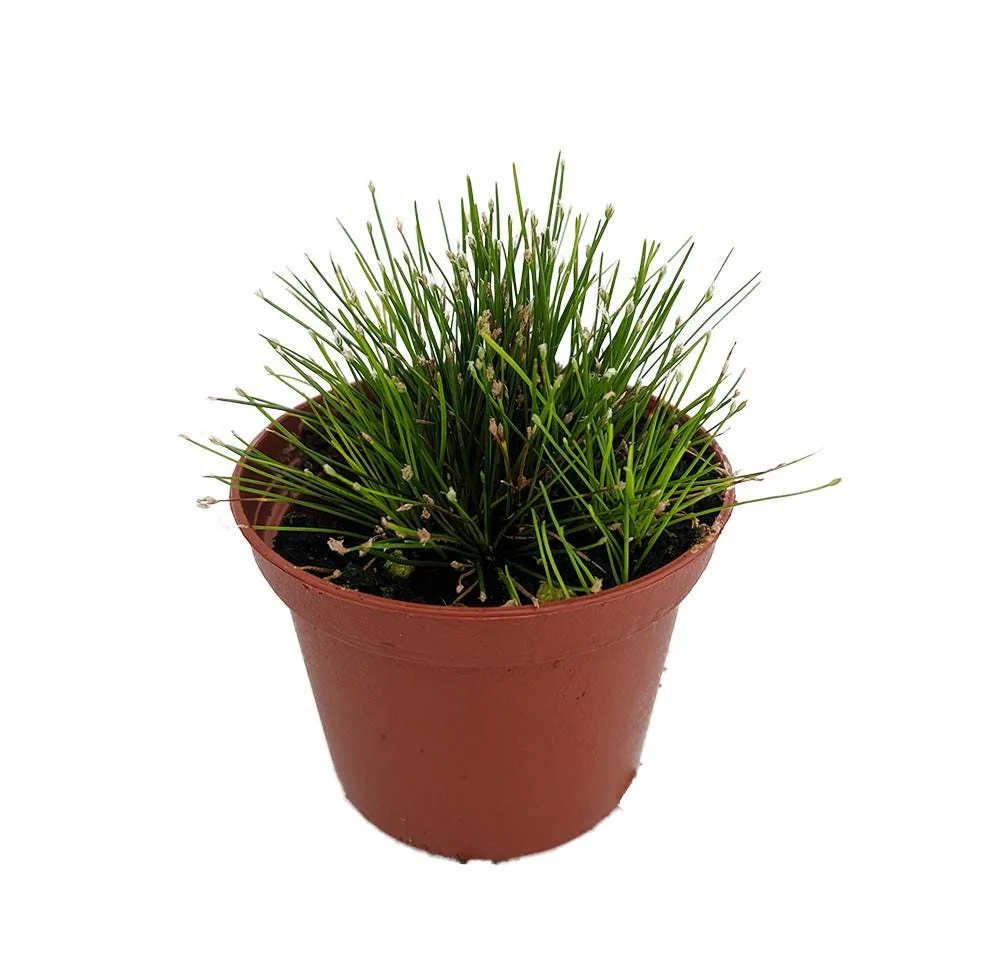
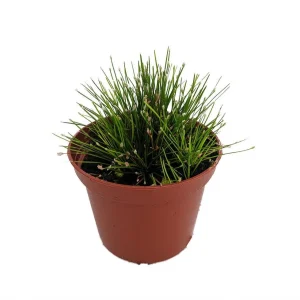
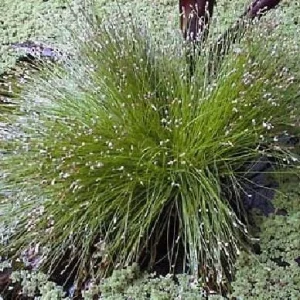
Your fiber optic grass live plant will arrive established in a 2.5 inch pot, ready to be transplanted into your chosen container or garden bed. This size is perfect for immediate integration into fairy garden plants, small decorative pots, or as an element in a larger mixed arrangement. The plant typically grows to a compact height of 6-12 inches (15-30 cm) and spreads similarly, forming a dense clump of fine, arching foliage. Its moderate growth rate means it will fill out nicely over a season without becoming overly aggressive.
The delicate stems of this fiber optic grass live plant are a vibrant green, topped with tiny, papery white to light brown flower spikes that give it its characteristic ‘fiber optic’ appearance. These appear primarily in late spring through summer, adding to its whimsical charm. It is shipped as a healthy, actively growing specimen, ensuring a strong start in its new home. Expect it to quickly adapt and begin displaying its unique texture and movement, making it a delightful focal point in any setting.
Frequently Asked Questions
- Q: How big does this fiber optic grass live plant get? A: This plant typically grows to a compact size, reaching about 6-12 inches (15-30 cm) in both height and spread, forming a charming, mounding clump. Its small stature makes it ideal for various decorative uses.
- Q: Is this an indoor or outdoor plant? A: Fiber optic grass live plant can be grown both indoors and outdoors. It thrives outdoors in USDA Zones 9-11 and can be grown as an annual or brought indoors in colder climates. Indoors, it needs bright, indirect light.
- Q: How much sunlight does isolepis cernua care require? A: It prefers full sun to partial shade. For best growth and the most vibrant appearance, aim for at least 4-6 hours of direct sunlight daily. In very hot climates, partial afternoon shade is beneficial.
- Q: Is this plant easy to care for? A: Yes, fiber optic grass live plant is considered relatively easy to care for, especially if its primary need for consistent moisture is met. It’s a great choice for beginners interested in unique ornamental grasses.
- Q: What condition will it arrive in? A: Your plant will arrive as a healthy, actively growing specimen in a 2.5 inch nursery pot, carefully packaged to ensure its safe journey and readiness for planting.
- Q: Can I use this plant in a fairy garden? A: Absolutely! Its compact size and delicate appearance make it an extremely popular choice for fairy garden plants, adding a whimsical and magical touch to miniature landscapes.
- Q: How often should I water my scirpus cernuus? A: This plant requires consistently moist to boggy soil. It’s best to keep the soil perpetually damp, and if growing in a container, you can even place the pot in a shallow saucer of water.
- Q: Is fiber optic grass live plant pet-safe? A: Yes, fiber optic grass live plant is generally considered non-toxic to pets, making it a safe option for homes with curious animals.
- Q: Does this plant have any flowers? A: While not traditional flowers, the plant produces tiny, silvery-white to light brown seed heads at the tips of its stems, which are what give it the ‘fiber optic’ appearance and contribute to its unique ornamental value.
- Q: What kind of soil does it need? A: It thrives in a moisture-retentive, well-draining soil mix rich in organic matter. A good quality potting mix with added peat moss or coco coir will work well.


Reviews
There are no reviews yet.