Overview
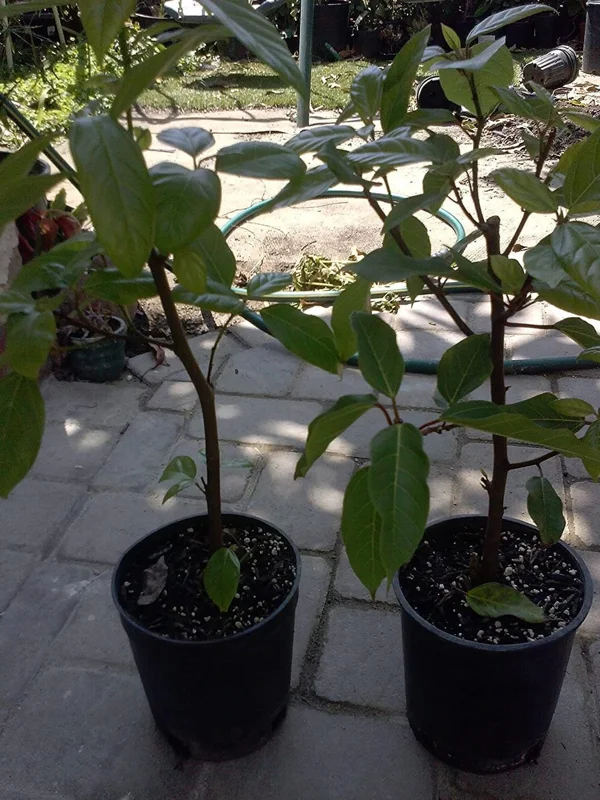
Introduce an exotic touch to your garden with the ficus racemosa live plant, commonly known as the cluster fig tree or Goolar Fig. This fascinating species, native to tropical Asia and Australia, is celebrated for its unique growth habit where figs sprout directly from the trunk and main branches in dense clusters. Unlike common figs, the fruit of ficus racemosa is borne on ramified leafless branchlets, creating a striking visual display. Our healthy specimen arrives as a 1-foot tall plant, carefully nurtured and shipped in a 1-gallon pot, ready for planting. The cluster fig tree is not just an ornamental beauty; its figs are edible and widely used in traditional medicine and cuisine in its native regions, making it an excellent choice for those interested in unusual edible plants. This robust tree can grow quite large in ideal conditions, providing ample shade and a distinctive presence in any landscape.
The botanical name, Ficus racemosa, highlights its clustered fruit formation. Also known as ‘cây sung’ in Vietnamese, this tree holds cultural significance in many parts of the world. Adding a ficus racemosa live plant to your collection offers the opportunity to cultivate a piece of tropical biodiversity, enjoying both its aesthetic appeal and the potential for unique, edible figs. Whether you’re an experienced gardener or a curious enthusiast, this plant provides a rewarding growing experience with its distinct characteristics and relatively easy maintenance.
Key Benefits
Cultivating a ficus racemosa live plant offers a multitude of advantages, from its striking appearance to its practical uses. This unique tree is a conversation starter and a valuable addition to any diverse plant collection. Here are some of the key benefits:
- Unique Ornamental Value: The distinct growth habit of the cluster fig tree, with figs appearing directly on the trunk and branches, provides an unusual and captivating focal point in any garden or landscape. Its dense canopy also offers excellent shade.
- Edible Fruit Production: While smaller and less sweet than common figs, the fruits of ficus racemosa are edible and are used in various traditional dishes and medicines, offering a unique culinary experience.
- Fast Growing and Adaptable: This species is known for its relatively fast growth rate and adaptability to a range of soil types, making it a resilient choice for various environments, particularly in warmer climates.
- Attracts Wildlife: The figs are a food source for birds and other wildlife, helping to support local ecosystems and bringing natural activity to your garden.
- Low Maintenance: Once established, the cluster fig tree care is relatively low, requiring minimal intervention beyond basic watering and occasional pruning.
- Tropical Ambiance: Ideal for creating a tropical or exotic feel in your outdoor space, especially when paired with other tropical plants.
- Cultural Significance: In many cultures, the ficus racemosa holds cultural and medicinal importance, adding a layer of depth to its presence in your garden.
Plant Care & Growing Tips
Proper cluster fig tree care ensures a thriving and productive plant. The ficus racemosa live plant is generally robust but benefits from specific conditions to reach its full potential. It prefers a tropical to subtropical climate and can be grown outdoors in USDA Zones 9-11. In cooler climates, it can be container-grown and brought indoors during winter or treated as an annual.
For optimal growth, plant your ficus racemosa live plant in a location that receives full sun to partial shade. Full sun (at least 6 hours of direct sunlight daily) promotes the best fruiting. While adaptable, well-draining soil is crucial to prevent root rot. A rich, loamy soil with good organic matter is ideal. Water regularly, especially during dry periods and when the plant is young, to establish a strong root system. Once mature, it can tolerate some drought, but consistent moisture will encourage better growth and fruit production. Fertilize with a balanced, slow-release fertilizer in spring and mid-summer to support its vigorous growth.
Pruning is important for shaping the tree, removing dead or diseased branches, and encouraging more compact growth. The edible fig tree can grow quite large, so regular pruning can help manage its size for smaller gardens or container growing. Watch out for common pests like scale insects or mealybugs, and address them promptly with organic insecticidal soaps if necessary. Ensuring good air circulation and avoiding overwatering will help prevent fungal issues. This tropical fig plant is relatively resistant to most diseases, making it a rewarding addition to your landscape.
Size & Details
This offering is for one healthy ficus racemosa live plant, standing approximately 1 foot tall from the soil line. Each plant is carefully cultivated and shipped in a 1-gallon nursery pot, providing ample space for its root system to develop during transit and upon arrival. The cluster fig tree has a moderate to fast growth rate, and in optimal conditions, it can eventually reach heights of 30-60 feet with a similar spread, forming a broad, spreading canopy. When grown in containers, its size can be managed through regular pruning, making it suitable for patios or as a large indoor specimen in bright locations during colder months. The plant will establish quickly once transplanted into its permanent location, whether in the ground or a larger pot.
Expect to see the distinctive clustered figs appear once the tree matures, typically within a few years under good growing conditions. The fruits are generally small, green when unripe, turning reddish-orange or purplish upon maturity. This tropical fig plant is an excellent choice for creating a unique landscape feature or for those interested in growing an unusual edible fig tree specimen that stands out from common fig varieties.
Frequently Asked Questions
- Q: How big does this plant get? A: This ficus racemosa live plant is currently 1 foot tall. In ideal outdoor conditions, it can grow to be a large tree, reaching 30-60 feet tall. Its size can be controlled with pruning if grown in a container.
- Q: What size pot does it come in? A: The plant is shipped in a 1-gallon nursery pot, ensuring its roots are well-protected and hydrated during transit.
- Q: Is this an indoor or outdoor plant? A: The cluster fig tree thrives outdoors in USDA Zones 9-11. In colder climates, it can be grown in a pot and brought indoors during winter or treated as a unique patio plant.
- Q: How much sunlight does it need? A: For best growth and fruiting, the ficus racemosa prefers full sun (at least 6 hours of direct sunlight daily) but can tolerate partial shade.
- Q: Is this plant easy to care for? A: Yes, cluster fig tree care is considered relatively easy once established. It requires regular watering, especially when young, and well-draining soil.
- Q: When is the best time to plant? A: The best time to plant your ficus racemosa live plant is in spring or early summer, allowing it ample time to establish before cooler weather.
- Q: Are the fruits of this edible fig tree really edible? A: Yes, the fruits of ficus racemosa are edible, though they may have a different flavor profile than common figs. They are often used in traditional recipes and remedies.
- Q: What condition will it arrive in? A: Your tropical fig plant will arrive as a healthy, live plant, carefully packaged in its 1-gallon pot to minimize stress during shipping.
- Q: What type of soil does it prefer? A: It prefers well-draining, rich, loamy soil with good organic content. Avoid heavy, waterlogged soils.
- Q: Will it survive winter in my zone? A: The ficus racemosa is suitable for USDA Zones 9-11. If you live in a colder zone, you will need to protect it from frost or grow it indoors.


Reviews
There are no reviews yet.