Overview
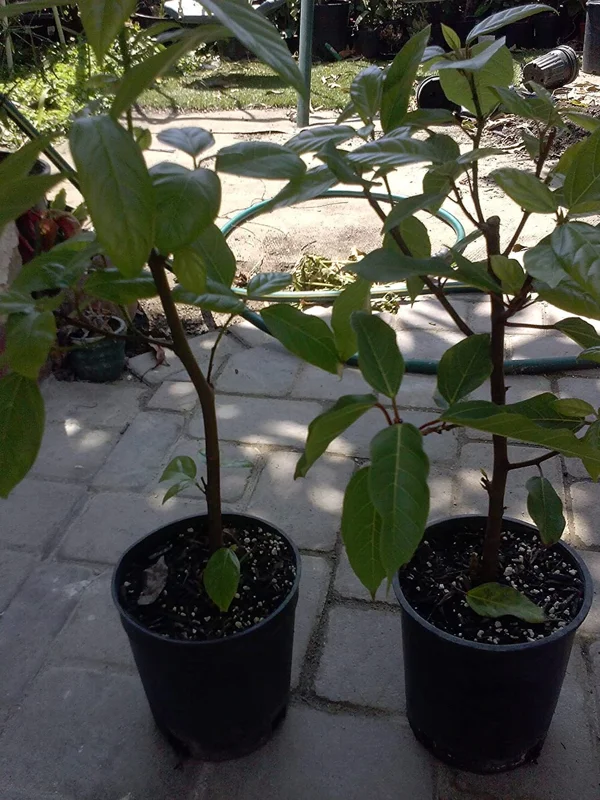
Introduce a touch of the tropics to your landscape with the remarkable Ficus Racemosa live plant, commonly known as the Cluster Fig Tree. This fascinating species, also referred to as Cây Sung in some regions, is celebrated for its unique growth habit where figs develop directly on the trunk and main branches in dense clusters. Unlike many other fig varieties, Ficus Racemosa produces edible figs that are a staple in various cultures. Our healthy, vibrant specimens are approximately 2 to 3 feet tall, making them an excellent choice for immediate impact in your garden or as a captivating potted feature. Each plant is carefully nurtured and shipped in a 3-gallon pot, ensuring its robust health upon arrival and ease of transplanting.
Key Benefits
The Cluster Fig Tree offers a multitude of benefits, from its ornamental appeal to its practical uses. It’s a truly distinctive addition to any plant collection.
-
Unique Ornamental Value: The striking habit of figs clustering directly on the trunk provides an unparalleled visual spectacle, making the Ficus Racemosa live plant a conversation starter and a focal point in any garden design.
-
Edible Fruit Production: Enjoy the sweet, nutritious figs produced by this tree. While smaller than common market figs, they are highly valued for their flavor and can be enjoyed fresh or used in various culinary applications, offering a taste of the tropics right from your backyard.
-
Attracts Wildlife: The figs serve as a food source for local birds and other wildlife, enhancing biodiversity and bringing natural activity to your garden space.
-
Fast Growing: With proper care, the Cluster Fig Tree exhibits a relatively fast growth rate, allowing you to enjoy its beauty and bounty sooner.
-
Adaptable to Various Settings: While ideal for tropical and subtropical climates, this fig tree can also be grown in large containers in cooler regions, allowing you to move it indoors during colder months.
-
Cultural Significance: In many cultures, the Ficus Racemosa holds significant cultural and traditional importance, adding a rich layer of history and meaning to your plant collection.
Plant Care & Growing Tips
Caring for your Ficus Racemosa live plant is straightforward, especially when provided with the right conditions to mimic its natural habitat. This tropical species thrives in warm, humid environments and requires consistent attention to light, water, and soil.
For optimal growth, the Cluster Fig Tree prefers a location with full sun to partial shade, meaning at least 6 hours of direct sunlight per day. In very hot climates, some afternoon shade can be beneficial to prevent leaf scorch. It is not frost-tolerant, so in USDA zones below 9, it is best grown in a large container that can be brought indoors during winter. The ideal temperature range is between 65°F and 90°F (18°C-32°C).
Watering is crucial for this edible fig tree. Keep the soil consistently moist but never waterlogged. Allow the top inch or two of soil to dry out slightly between waterings, especially during the growing season. Reduce watering frequency in cooler months. Well-draining soil is paramount to prevent root rot. A rich, loamy soil amended with organic matter is ideal. Fertilize every 2-3 months during the growing season with a balanced, slow-release fertilizer. Pruning can be done to maintain desired shape and size, and to encourage fruiting. Watch out for common pests like aphids or scale, and treat with organic insecticidal soap if necessary. Understanding Ficus Racemosa care is key to a thriving plant.
Size & Details
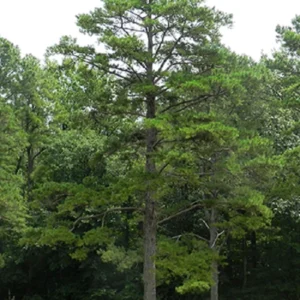
This offering is for one healthy Ficus Racemosa live plant, standing approximately 2 to 3 feet tall from the base of the pot to the top of the foliage. Each plant is carefully cultivated and shipped in a sturdy 3-gallon nursery pot, providing ample root space for continued growth upon arrival. The tropical fig tree has a moderate to fast growth rate and can eventually reach heights of 30-60 feet in its native habitat, though it will remain smaller in containers or with regular pruning. The figs typically begin to appear on mature plants, and fruit production can be expected within a few years under ideal conditions. The plant is well-established in its pot, ensuring a smooth transition to its new home, whether in the ground or a larger container.
Frequently Asked Questions
-
Q: How big does this plant get? A: In its natural environment, the Cluster Fig Tree can grow quite large, reaching 30-60 feet tall. When grown in a container, its size can be managed with pruning, typically staying within 6-15 feet, depending on the pot size and care.
-
Q: What size pot does it come in? A: This Ficus Racemosa live plant is shipped in a 3-gallon nursery pot, providing a good head start for its root system.
-
Q: Is this an indoor or outdoor plant? A: It is primarily an outdoor plant in tropical and subtropical climates (USDA Zones 9-11). In cooler regions, it can be grown outdoors during warm months and brought indoors as a container plant during winter.
-
Q: How much sunlight does it need? A: The Ficus Racemosa thrives in full sun to partial shade, requiring at least 6 hours of direct sunlight daily for best fruiting and growth.
-
Q: Is this plant easy to care for? A: With consistent watering, well-draining soil, and adequate sunlight, Ficus Racemosa care is moderately easy. It’s suitable for gardeners with some experience or enthusiastic beginners willing to learn.
-
Q: What condition will it arrive in? A: Your plant will arrive healthy and well-rooted in its 3-gallon pot, carefully packaged to minimize stress during transit.
-
Q: Can I eat the figs from this tree? A: Yes, the edible fig tree produces small, sweet figs that are consumed fresh or used in various culinary preparations in many parts of the world.
-
Q: When is the best time to plant? A: The best time to plant is in spring or early summer, allowing the plant to establish itself before cooler temperatures arrive. If growing in a container, it can be transplanted any time.
-
Q: Will it survive winter in my zone? A: This tropical fig tree is not frost-tolerant. It will survive winters outdoors only in USDA Zones 9-11. In colder zones, it must be protected from frost or brought indoors.
-
Q: What type of soil is best for a tropical fig tree? A: A rich, well-draining, loamy soil with a good amount of organic matter is ideal for a healthy tropical fig tree.


Reviews
There are no reviews yet.