

Overview
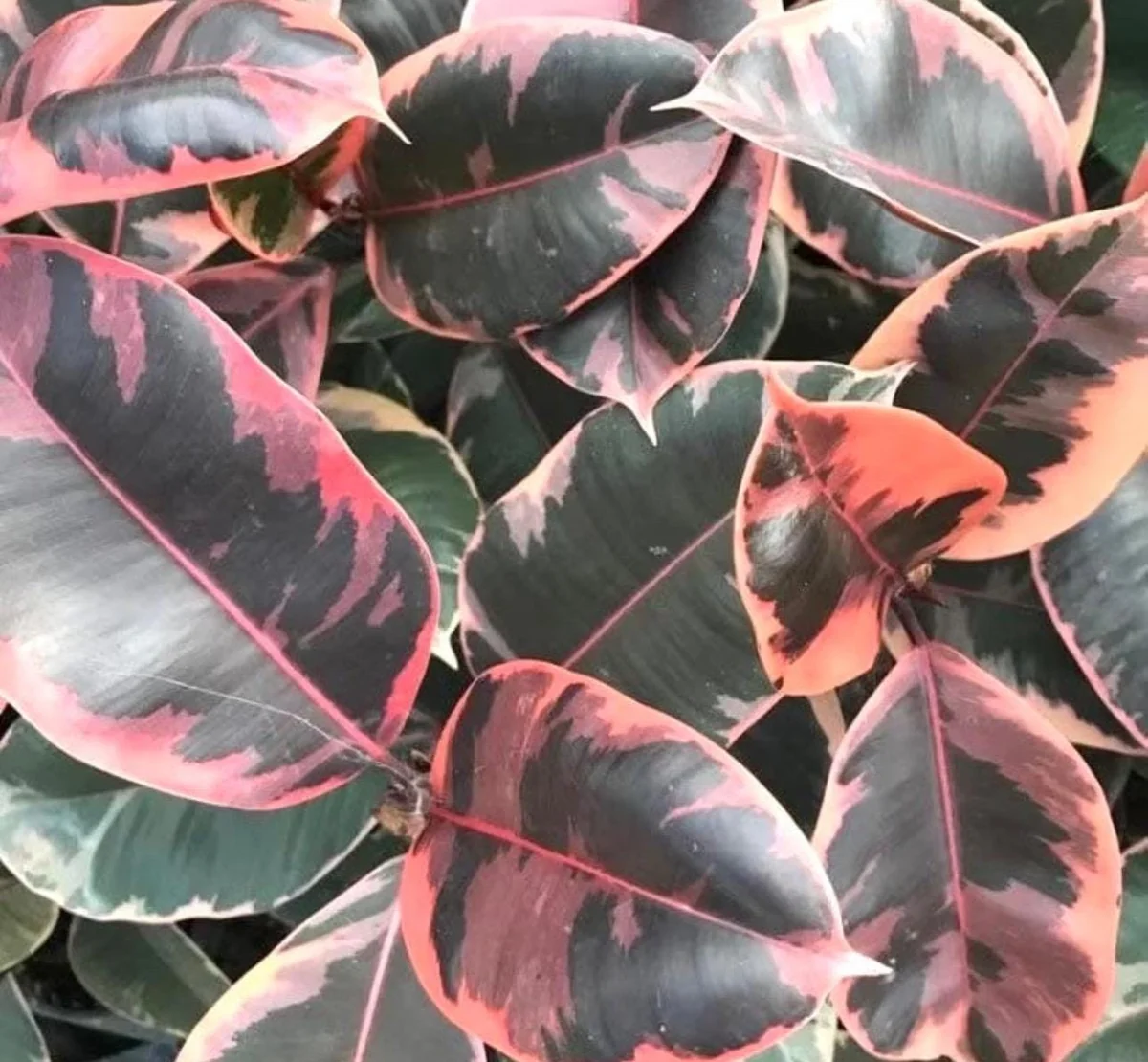
Introduce a splash of vibrant color and natural elegance to your home with the exquisite Ficus Tineke Belize rubber tree. This captivating live plant, a popular variety of Ficus elastica, is celebrated for its stunning variegated leaves that display a beautiful blend of green, cream, and pink hues. Each leaf is a unique work of art, making the Ficus Tineke Belize rubber tree a true focal point in any indoor setting. As a starter plant, it offers the joy of watching it grow and thrive, gradually transforming into a robust and impressive specimen. Known for its relatively easy care, this houseplant is an excellent choice for both novice and experienced plant parents looking to add a touch of tropical beauty to their living spaces. The Ficus elastica ‘Tineke’ or ‘Belize’ is not just a plant; it’s a living piece of decor that purifies the air and enhances your home’s aesthetic.
The variegated rubber plant is a resilient and visually appealing choice, originating from the tropical regions of Asia. Its glossy, leathery leaves are a testament to its robust nature, and the ‘Belize’ cultivar adds an extra layer of visual interest with its distinct color patterns. This particular variety is often sought after for its unique ability to brighten up interiors with its colorful foliage. Growing a Ficus Tineke Belize rubber tree from a starter plant allows you to cultivate it from a young age, ensuring it adapts well to its new environment and flourishes under your care. Its upright growth habit makes it suitable for various indoor spaces, from tabletops to floor stands as it matures.
Key Benefits
The Ficus Tineke Belize rubber tree offers numerous advantages beyond its undeniable beauty, making it a highly desirable addition to any home. Its presence contributes positively to both the aesthetics and the well-being of your indoor environment.
- Stunning Variegated Foliage: The primary appeal of the Ficus Tineke Belize rubber tree lies in its vibrant leaves, featuring unique patterns of green, white, and pink. This natural artistry ensures that no two leaves are exactly alike, providing continuous visual interest and a dynamic display of color that brightens any room.
- Air Purification Qualities: Like many Ficus varieties, the variegated rubber plant is an excellent natural air purifier. It helps remove common indoor toxins such as formaldehyde and benzene, contributing to a healthier and fresher living environment for you and your family.
- Relatively Low Maintenance: Despite its exotic appearance, the Ficus Tineke care routine is surprisingly straightforward. It tolerates a range of indoor conditions and doesn’t demand constant attention, making it suitable for busy individuals or those new to plant ownership.
- Adds Tropical Ambiance: With its lush, colorful leaves, the Ficus Tineke Belize rubber tree instantly infuses a tropical and serene atmosphere into your home, creating a calming and inviting space. It can transform a mundane corner into a vibrant green oasis.
- Versatile Decor Piece: Its architectural form and striking coloration allow it to complement various interior design styles, from modern minimalist to bohemian chic. It can serve as a standalone statement piece or integrate beautifully into a larger plant collection.
- Promotes Well-being: Studies suggest that having houseplants like the indoor Ficus Tineke can reduce stress, improve mood, and increase concentration. Caring for a living plant provides a sense of accomplishment and connection to nature.
- Long-Lived Houseplant: With proper Ficus Tineke care, this rubber tree can be a long-term companion, growing and evolving with your home for many years. Its longevity makes it a rewarding plant to cultivate.
Plant Care & Growing Tips
Providing the right environment and consistent care will ensure your Ficus Tineke Belize rubber tree thrives and displays its spectacular variegation. Understanding its specific needs for light, water, and soil is crucial for successful growth.
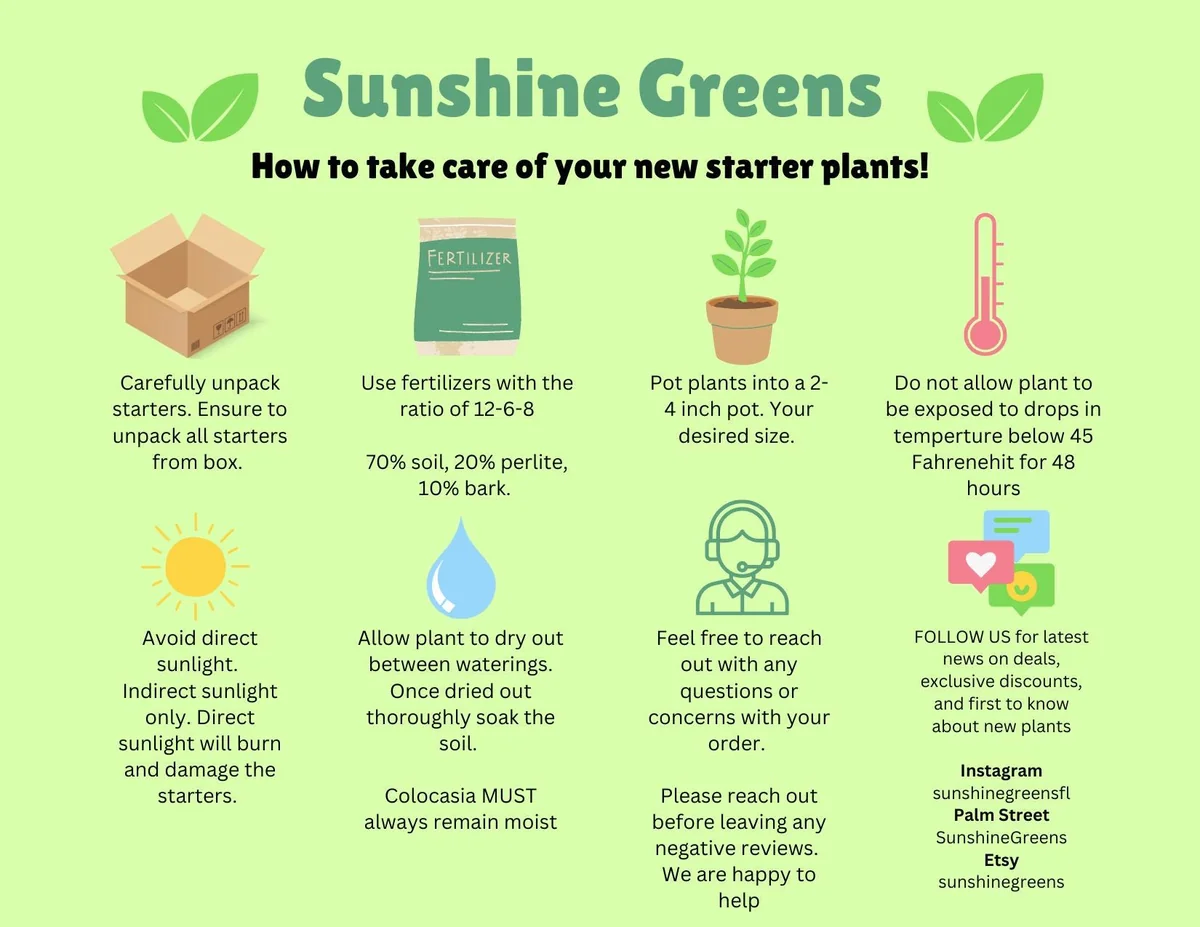
Sunlight Requirements: The Ficus Tineke Belize rubber tree prefers bright, indirect light. Place it near a window where it can receive plenty of ambient light without direct sun exposure, which can scorch its delicate variegated leaves. An east or north-facing window is often ideal. If placed in a lower light situation, the vibrant pink and cream variegation may fade, and the plant may become leggy. Rotate the plant periodically to ensure even growth and light exposure on all sides. For optimal growth and to maintain its unique coloration, ensure it gets at least 6-8 hours of bright, indirect light daily. This helps in maintaining the striking patterns of your variegated rubber plant.
Watering Schedule and Soil Moisture: Water your Ficus Tineke Belize rubber tree when the top 1-2 inches of soil feel dry to the touch. It’s important to avoid overwatering, as this can lead to root rot. Allow excess water to drain completely from the pot. In warmer months, you may need to water more frequently, while in winter, reduce watering as the plant’s growth slows down. Ensure the pot has drainage holes to prevent waterlogging. Consistent moisture, without being waterlogged, is key for healthy roots. Proper Ficus Tineke care involves checking soil moisture regularly.
Soil Type and Drainage: A well-draining potting mix is essential for the Ficus Tineke Belize rubber tree. A good quality indoor potting mix amended with perlite or coarse sand will provide the necessary drainage and aeration. This plant does not like heavy, compact soil that retains too much moisture. A slightly acidic to neutral pH (6.0-7.0) is generally preferred. Good drainage is vital to prevent root issues, which can be common if the soil remains soggy for too long.
Temperature Range and USDA Hardiness Zone: This tropical plant thrives in typical indoor temperatures between 60-75°F (15-24°C). Avoid sudden temperature fluctuations, cold drafts, or placing it near heating or air conditioning vents. As an indoor Ficus Tineke, it is not cold-hardy and should not be exposed to temperatures below 50°F (10°C). It is ideally suited for indoor cultivation year-round in most climates, and therefore, specific USDA hardiness zones are less relevant for its primary care, though it would survive outdoors only in very warm, tropical zones (USDA zones 10-11).
Fertilization Schedule: Feed your Ficus Tineke Belize rubber tree with a balanced liquid fertilizer diluted to half strength every 2-4 weeks during its active growing season (spring and summer). Reduce fertilization in fall and cease entirely during winter when the plant is dormant. Over-fertilization can lead to nutrient burn, so always follow product instructions carefully. Regular feeding supports vigorous growth and vibrant foliage color, which is especially important for a Belize rubber tree starter.
Common Problems and Solutions: Yellowing leaves can indicate overwatering or underwatering. Adjust your watering schedule accordingly. Brown, crispy leaf edges often point to low humidity, so consider misting or using a pebble tray. Pest issues like spider mites or mealybugs can be treated with neem oil or insecticidal soap. Address any issues promptly to keep your Ficus Tineke care routine effective and your plant healthy.
Size & Details
This offering is for a Ficus Tineke Belize rubber tree provided as a starter plant, typically measuring between 4-6 inches in height from the top of the soil. It comes rooted in a small nursery pot, usually a 2-4 inch container, ready for you to transplant into a slightly larger decorative pot once it acclimates to its new environment. The exact size and leaf count may vary slightly as each plant is unique and grows at its own pace. The growth rate of the variegated rubber plant is moderate, and with optimal conditions, it can grow several inches in a growing season, eventually reaching heights of 6-10 feet indoors if allowed. This Belize rubber tree starter is perfect for those who enjoy nurturing a plant from its early stages. Expect to see new growth and enhanced variegation as it matures with consistent Ficus Tineke care.
Frequently Asked Questions
- Q: How big does this Ficus Tineke Belize rubber tree get? A: As a starter plant, it’s typically 4-6 inches tall. Indoors, with proper care, a mature Ficus Tineke Belize rubber tree can reach heights of 6 to 10 feet, though its size can be managed with pruning.
- Q: What size pot does the Ficus Tineke Belize rubber tree come in? A: This Belize rubber tree starter plant usually comes in a 2-4 inch nursery pot, suitable for its initial growth stage. You can repot it into a slightly larger pot as it grows.
- Q: Is this an indoor or outdoor plant? A: The Ficus Tineke Belize rubber tree is primarily an indoor houseplant in most climates. It can be moved outdoors in warm, humid conditions during summer but must be brought inside before temperatures drop below 50°F (10°C).
- Q: How much sunlight does the Ficus Tineke Belize rubber tree need? A: It thrives in bright, indirect light. Avoid direct sunlight, which can scorch its leaves, especially the variegated parts. An east or north-facing window is often ideal for good Ficus Tineke care.
- Q: Is this plant easy to care for? A: Yes, the Ficus Tineke Belize rubber tree is considered relatively easy to care for, making it suitable for both beginners and experienced plant enthusiasts. Consistent watering and bright, indirect light are the main requirements.
- Q: What condition will the Ficus Tineke Belize rubber tree arrive in? A: Your Belize rubber tree starter will arrive as a live, healthy plant, carefully packaged to ensure its safe transit. It may experience some minor stress from shipping, but it should recover quickly with proper care.
- Q: Is it shipped in soil? A: Yes, the Ficus Tineke Belize rubber tree starter plant is shipped rooted in its nursery pot with soil, ensuring it stays hydrated and stable during transit.
- Q: Is the Ficus Tineke Belize rubber tree pet-safe? A: No, Ficus plants, including the Ficus Tineke Belize rubber tree, are considered mildly toxic to pets if ingested. Keep it out of reach of curious animals.
- Q: How often should I water my variegated rubber plant? A: Water when the top 1-2 inches of soil feel dry. The frequency depends on your home’s humidity and temperature, but typically every 1-2 weeks. Always ensure good drainage to prevent root rot.
- Q: What kind of soil is best for Ficus Tineke care? A: A well-draining potting mix is crucial. You can use a standard indoor potting mix amended with perlite or coarse sand to improve drainage for your indoor Ficus Tineke.


Reviews
There are no reviews yet.