Overview
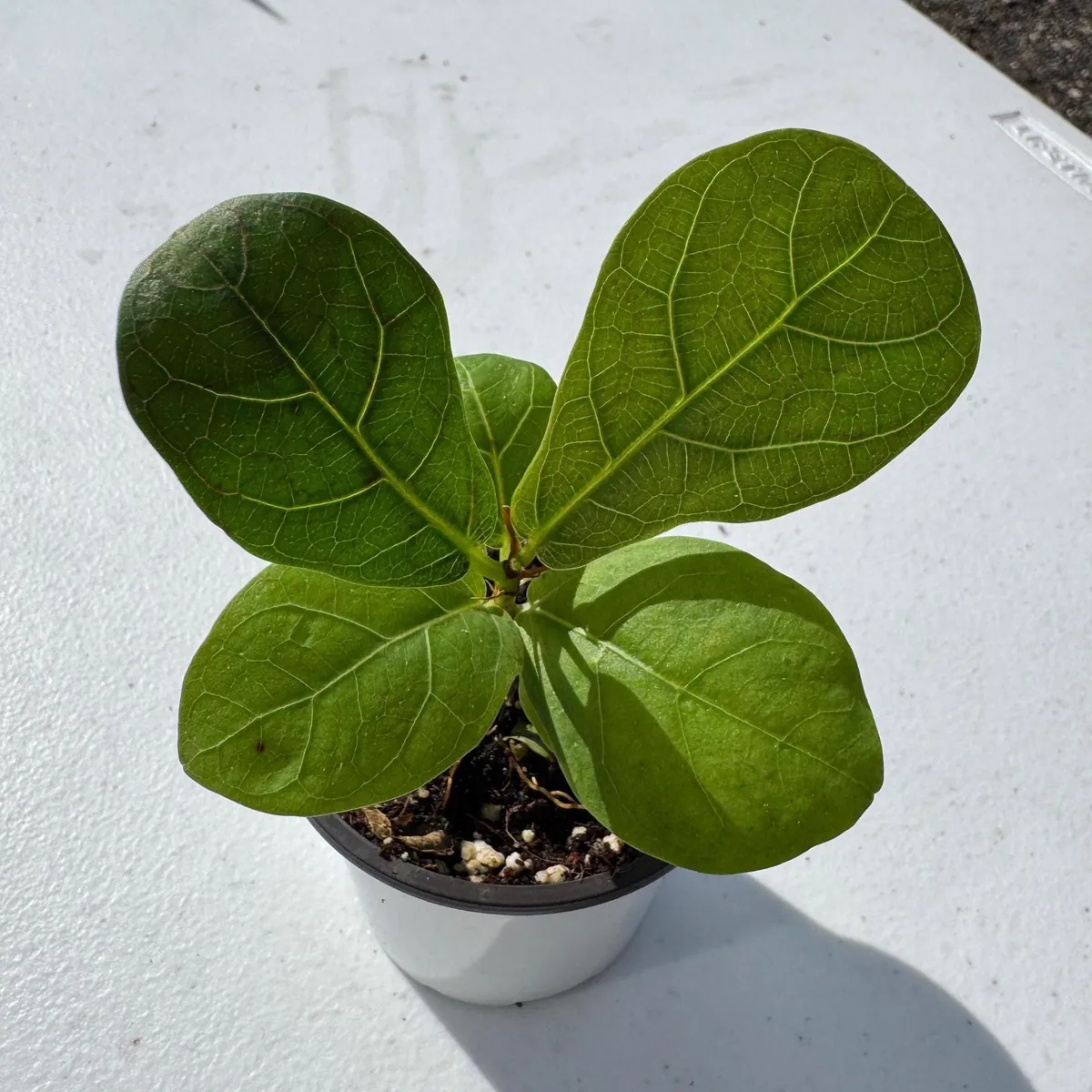
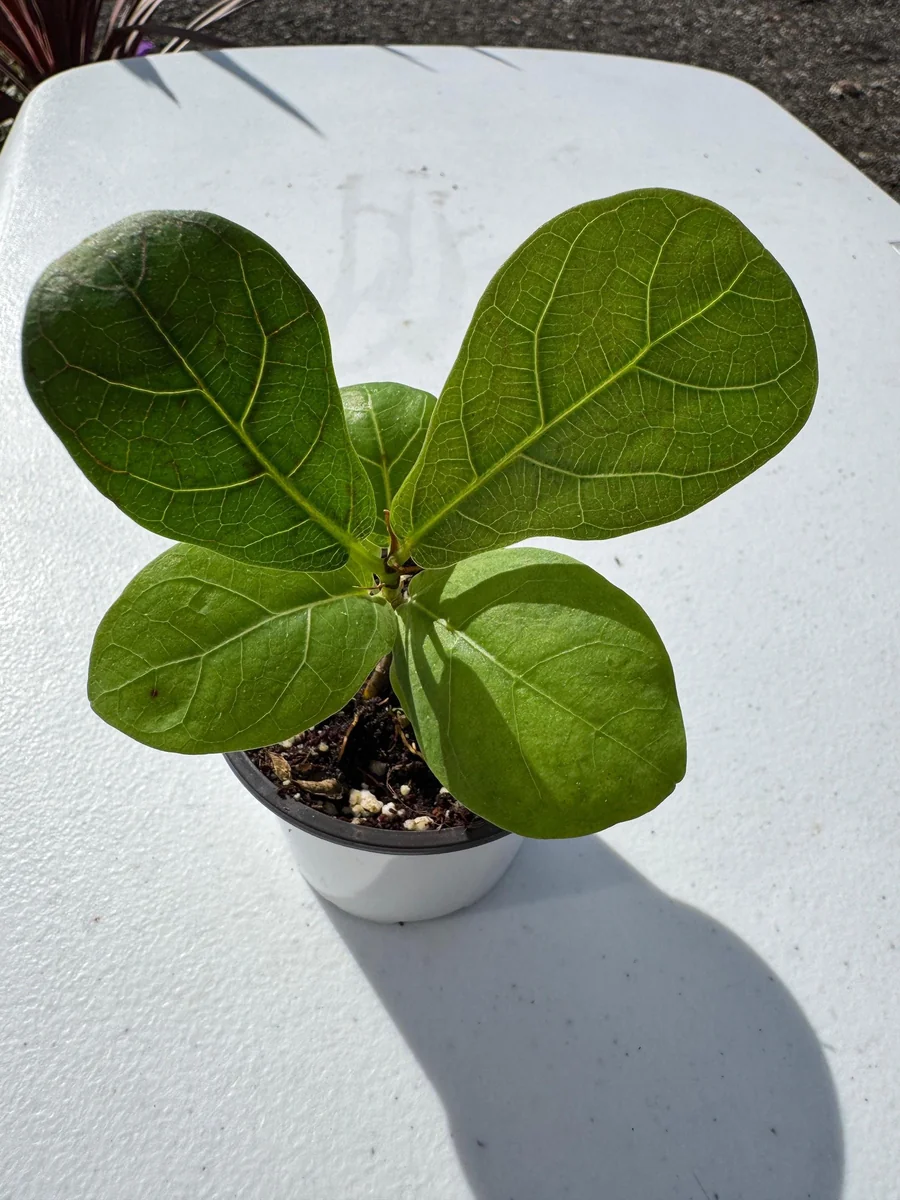
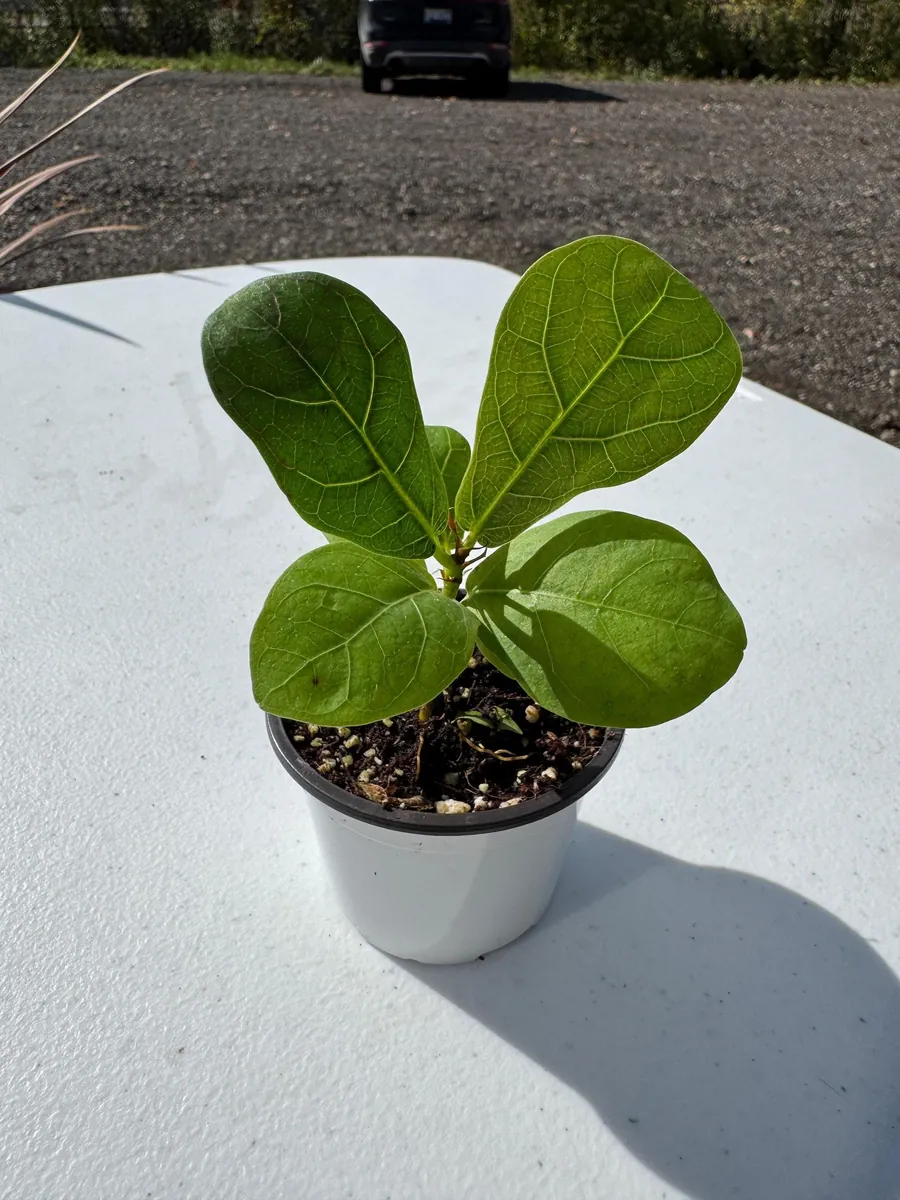
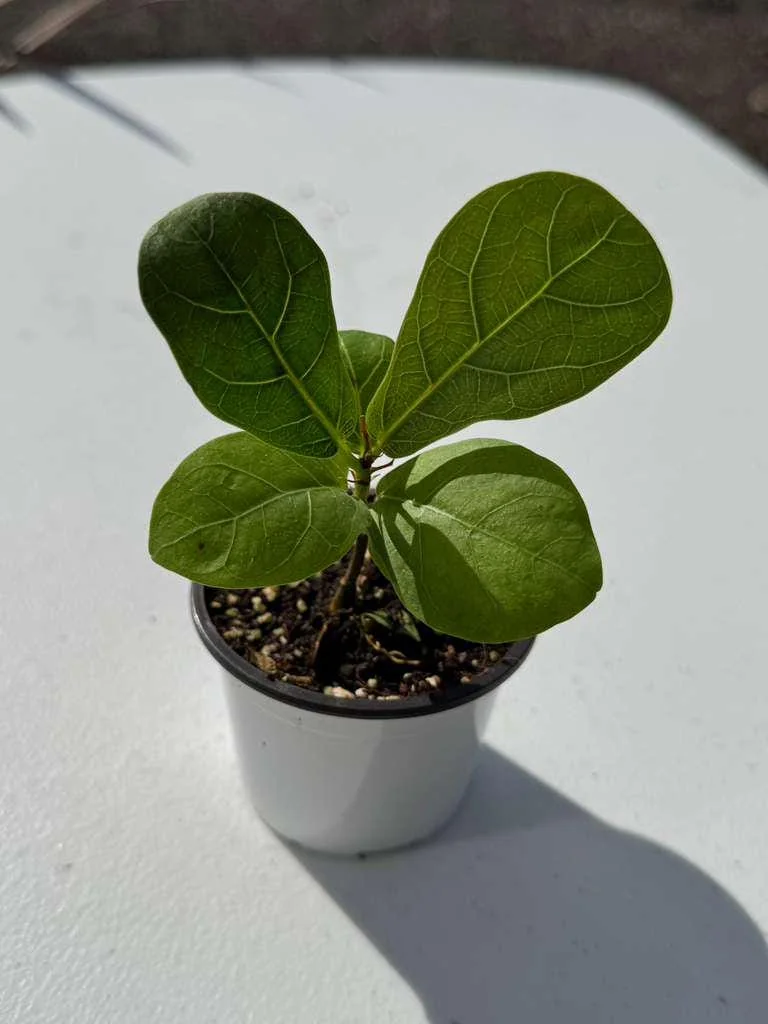
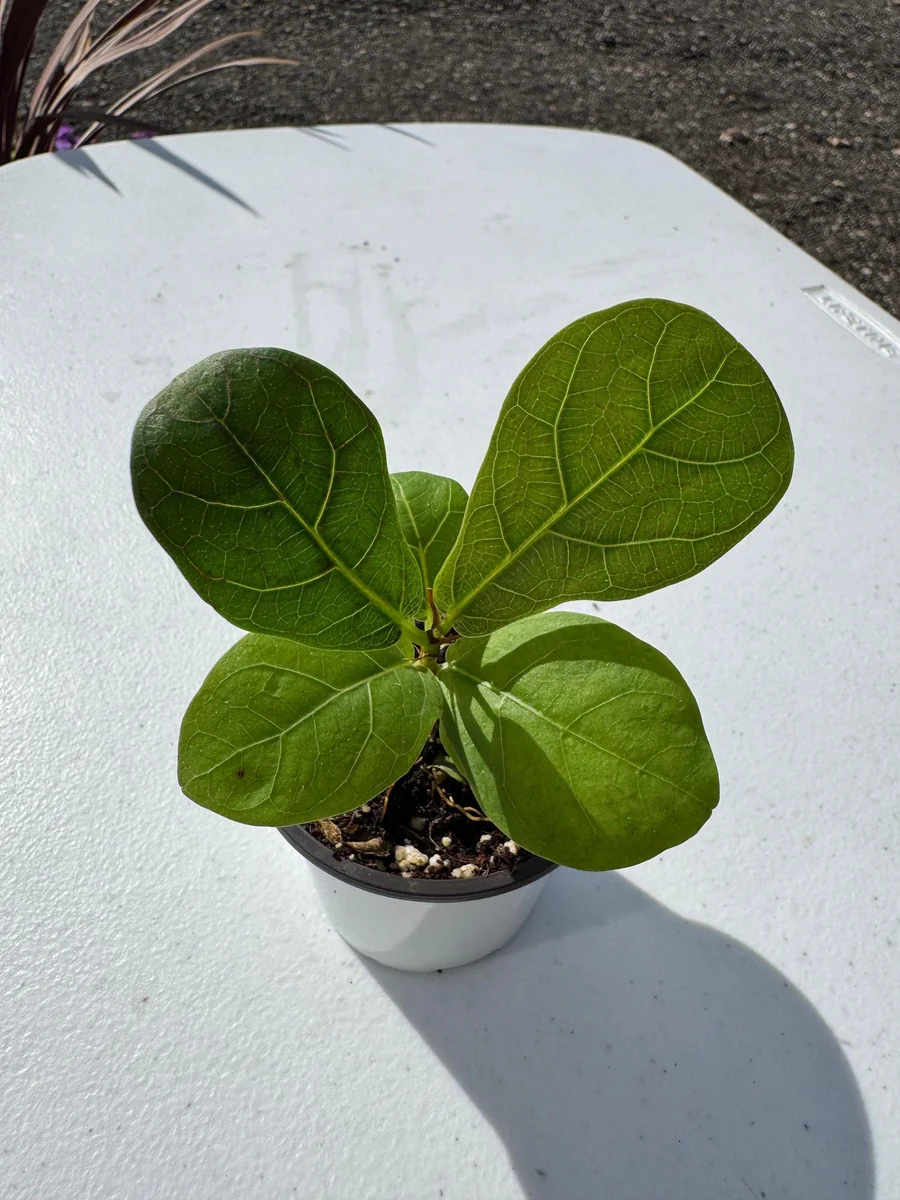
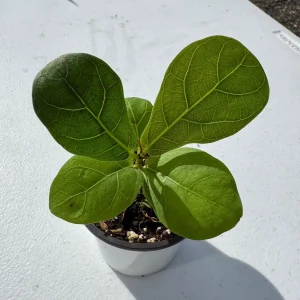
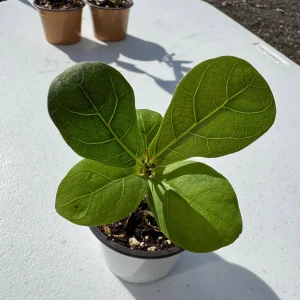
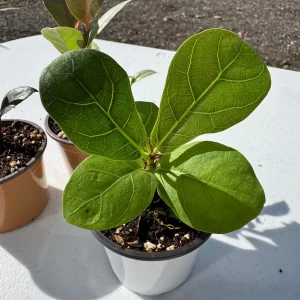
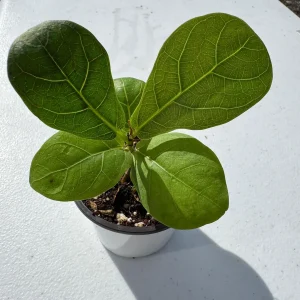
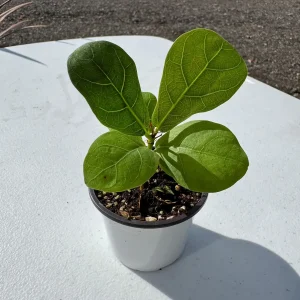
Introduce a touch of sophisticated greenery to your living space with this exquisite fiddle leaf fig tree live plant. Revered for its striking appearance and large, violin-shaped leaves, the Ficus Lyrata, commonly known as the Fiddle Leaf Fig, is a highly sought-after indoor houseplant. This particular specimen arrives as a tiny fiddle leaf fig in a convenient 2-inch nursery pot, making it an ideal choice for beginners or those looking to expand their plant collection with a manageable size. Its lush foliage can instantly transform any room, adding a vibrant and natural element to your home or office decor. The Fiddle Leaf Fig is not just a plant; it’s a statement piece that embodies elegance and brings a serene ambiance to its surroundings. This live plant is carefully nurtured to ensure it arrives healthy and ready to thrive in its new environment. Elevate your interior design with this iconic and beautiful houseplant.
Key Benefits
The fiddle leaf fig tree live plant offers numerous benefits beyond its aesthetic appeal, making it a fantastic addition to any indoor setting. Its presence can significantly enhance the atmosphere and well-being of your home.
- Stunning Decorative Impact: With its large, glossy, and distinctively shaped leaves, the Ficus Lyrata creates an immediate focal point, adding a modern and elegant touch to any room. It’s a living piece of art that complements various interior design styles.
- Air Purification: Like many houseplants, the Fiddle Leaf Fig contributes to a healthier indoor environment by naturally filtering airborne toxins, improving the overall air quality in your home or office.
- Mood Enhancement: Studies suggest that having plants indoors can reduce stress levels, improve concentration, and boost overall mood, making your living space more enjoyable and calming.
- Versatile Decor: Despite its potential to grow large, this tiny fiddle leaf fig in a 2-inch pot is perfect for desks, shelves, or as part of a plant arrangement, offering versatility in placement as it grows.
- Long-Term Growth Potential: While starting small, this ficus lyrata indoor plant has the potential to grow into a magnificent floor plant with proper fiddle leaf fig care, becoming a lasting part of your home’s aesthetic.
- Natural Connection: Bringing nature indoors helps create a connection to the natural world, fostering a sense of peace and tranquility, especially beneficial for urban dwellers.
- Relatively Low Maintenance: Once its specific light and watering needs are met, the Fiddle Leaf Fig is a relatively straightforward plant to care for, rewarding you with lush growth and beauty.
Plant Care & Growing Tips
Proper fiddle leaf fig care is crucial for the health and vigorous growth of your fiddle leaf fig tree live plant. These plants thrive when their specific environmental needs are consistently met. For optimal growth, ensure your plant receives bright, indirect light. Place it near a window that gets plenty of light but avoids direct, harsh sunlight, which can scorch its delicate leaves. An east or north-facing window is often ideal, or a few feet back from a south or west-facing window. Rotating the plant every few weeks will ensure even growth and prevent it from leaning towards the light source.
Watering is another critical aspect of caring for your ficus lyrata indoor plant. It’s best to water when the top 1-2 inches of soil feel dry to the touch. Fiddle Leaf Figs prefer consistently moist, but not waterlogged, soil. Ensure the pot has adequate drainage holes to prevent root rot. Overwatering is a common mistake that can lead to significant problems. In terms of soil, a well-draining potting mix is essential. A mix containing peat and perlite or coarse sand works well, providing both moisture retention and excellent drainage. The ideal temperature range for Fiddle Leaf Figs is between 65-75°F (18-24°C), and they prefer high humidity. If your home is dry, consider using a humidifier or placing the pot on a pebble tray with water.
Fertilize your Fiddle Leaf Fig during the growing season (spring and summer) every 2-4 weeks with a balanced liquid fertilizer diluted to half strength. Reduce or stop fertilizing during fall and winter. Keep an eye out for common pests like spider mites and mealybugs; address any infestations promptly with insecticidal soap. Yellowing or dropping leaves can indicate improper watering or light. With consistent attention to these care tips, your low light indoor plant will flourish and become a magnificent feature in your home.
Size & Details
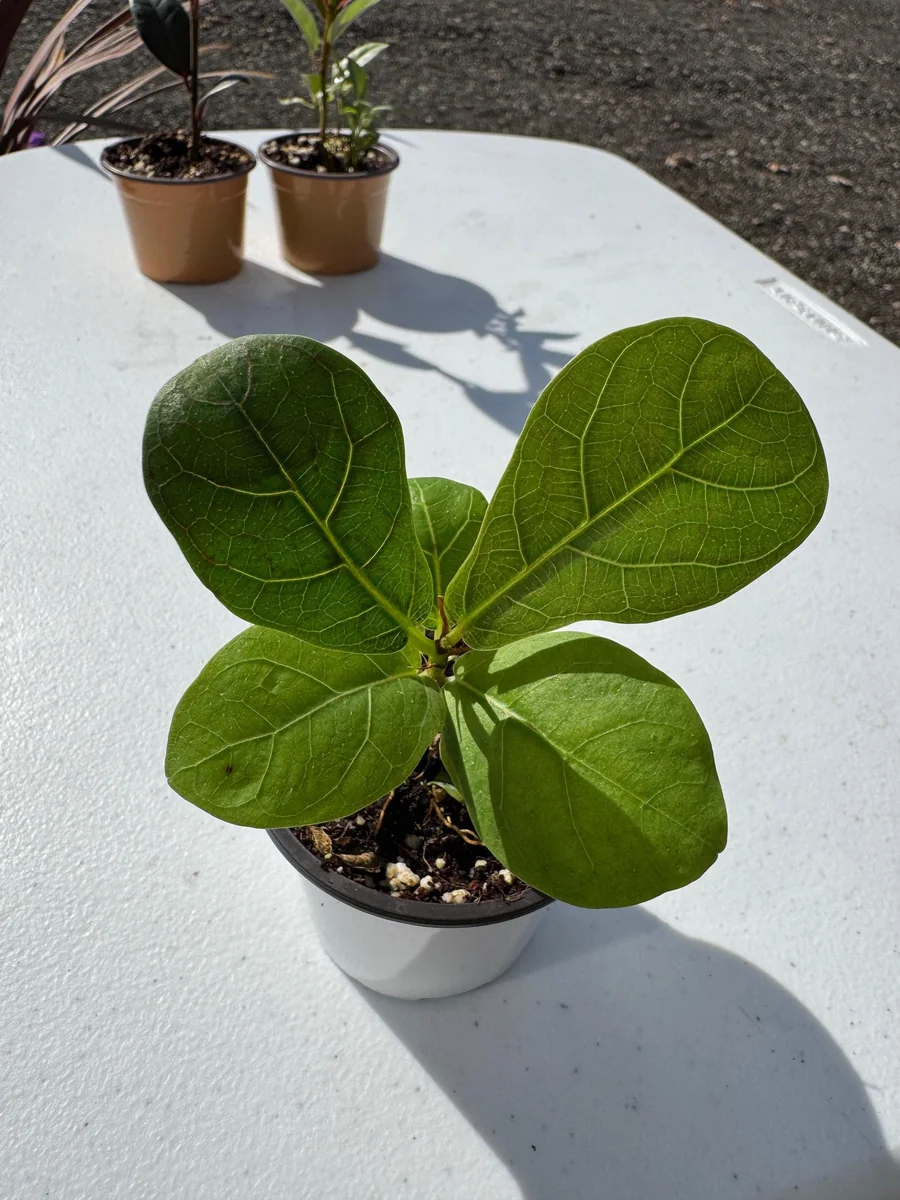
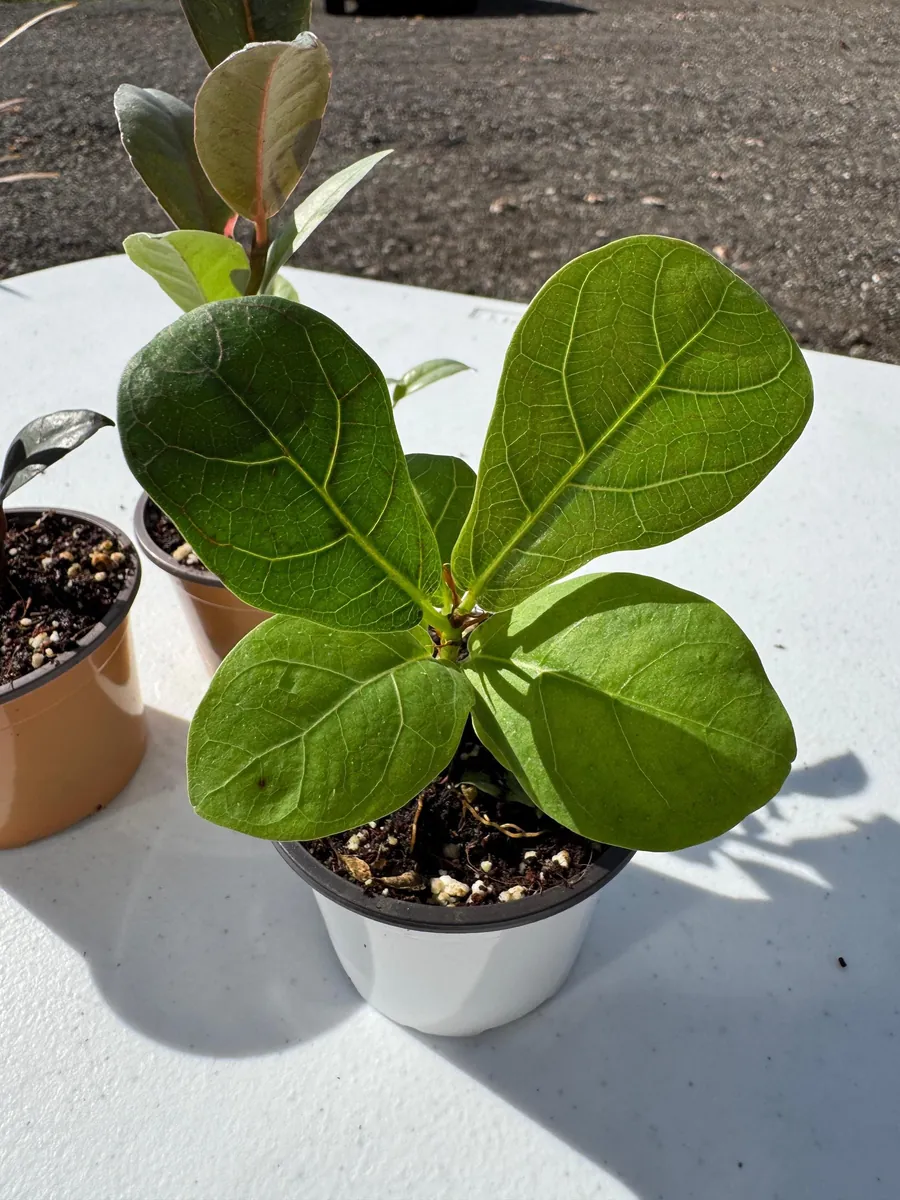
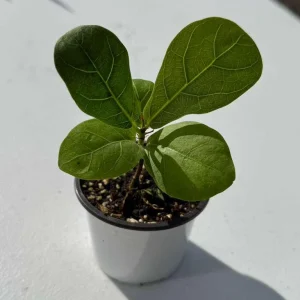
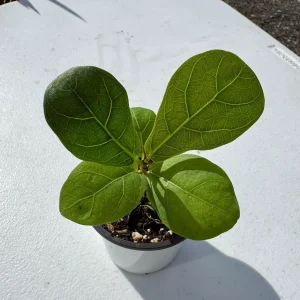
This offering is for a vibrant fiddle leaf fig tree live plant, specifically a Ficus Lyrata, carefully cultivated and shipped in a 2-inch nursery pot. At this early stage, it represents a tiny fiddle leaf fig, perfect for easy integration into various indoor settings such as desks, shelves, or as part of a miniature indoor garden. While starting small, these plants are known for their relatively fast growth rate under optimal conditions, eventually growing into impressive specimens that can reach several feet tall indoors. The plant you receive will be similar in size and appearance to those depicted in the product images, ensuring a healthy and robust start for your new houseplant. It will arrive with established roots within its nursery pot, ready for you to enjoy. Expect it to gradually develop its characteristic large, leathery leaves as it matures, adding significant visual interest to your space.
Frequently Asked Questions
- Q: How big will this fiddle leaf fig tree live plant get? A: While this plant arrives in a 2-inch pot as a tiny specimen, a Ficus Lyrata has the potential to grow quite large indoors, often reaching 6-10 feet tall with proper care and adequate space. Its ultimate size depends on its environment and pruning.
- Q: Is this an indoor or outdoor plant? A: The Ficus Lyrata is primarily grown as an indoor houseplant in most climates. It can be moved outdoors during warm summer months in shaded areas, but it is not frost-tolerant and must be brought back inside before temperatures drop.
- Q: How much sunlight does this ficus lyrata indoor plant need? A: This plant thrives in bright, indirect light. Avoid direct, harsh sunlight, which can burn its leaves. An east-facing window or a few feet away from a south or west-facing window is usually ideal for optimal fiddle leaf fig care.
- Q: Is this plant easy to care for? A: Fiddle Leaf Figs have a reputation for being somewhat finicky, but with consistent attention to their specific light, watering, and humidity needs, they can be quite rewarding. They are not considered a ‘set it and forget it’ plant but are manageable for dedicated plant enthusiasts.
- Q: What condition will the tiny fiddle leaf fig arrive in? A: Your plant will arrive healthy and well-packaged in its 2-inch nursery pot, with established roots. We take great care to ensure it is protected during transit and ready to thrive upon arrival.
- Q: What is the best way to water my fiddle leaf fig? A: Water your Fiddle Leaf Fig when the top 1-2 inches of soil are dry. Water thoroughly until water drains from the bottom of the pot, then empty any excess water from the saucer. Avoid overwatering, which can lead to root rot.
- Q: Is this low light indoor plant suitable for beginners? A: While the Fiddle Leaf Fig is not typically recommended as a ‘beginner’ plant due to its specific care requirements, a motivated beginner who is willing to learn and provide consistent care can certainly succeed with this beautiful ficus lyrata indoor plant.
- Q: What kind of soil is best for a Fiddle Leaf Fig? A: A well-draining potting mix is crucial. Look for a mix that includes components like peat, perlite, or coarse sand to ensure good drainage and aeration while retaining some moisture.
- Q: When should I repot my fiddle leaf fig? A: It’s generally recommended to repot your Fiddle Leaf Fig every 1-2 years, or when you notice it becoming root-bound. Choose a pot that is only 1-2 inches larger in diameter than its current one.
- Q: Will this plant help purify the air in my home? A: Yes, like many houseplants, the Ficus Lyrata contributes to improving indoor air quality by absorbing certain airborne toxins, making your living environment healthier and more pleasant.


Reviews
There are no reviews yet.