
Overview
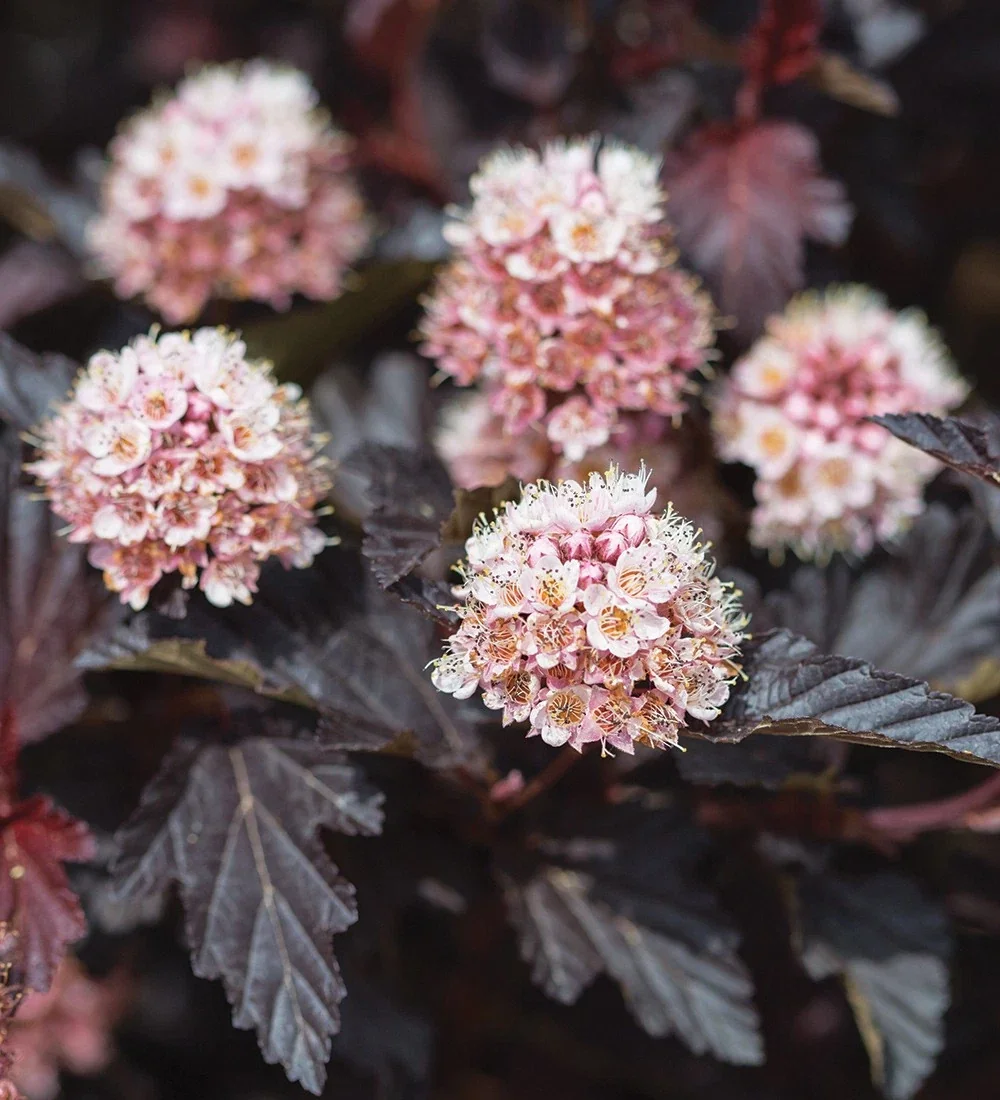
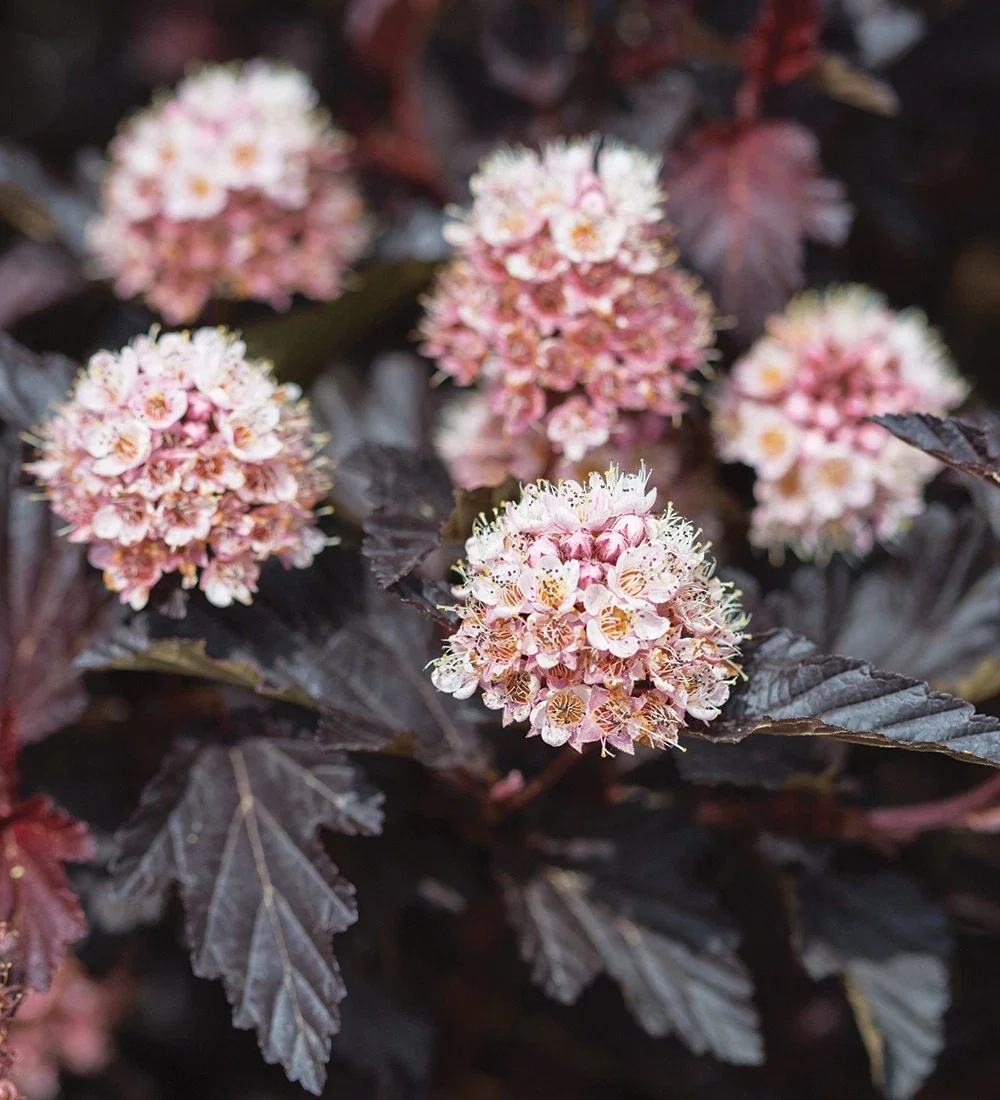
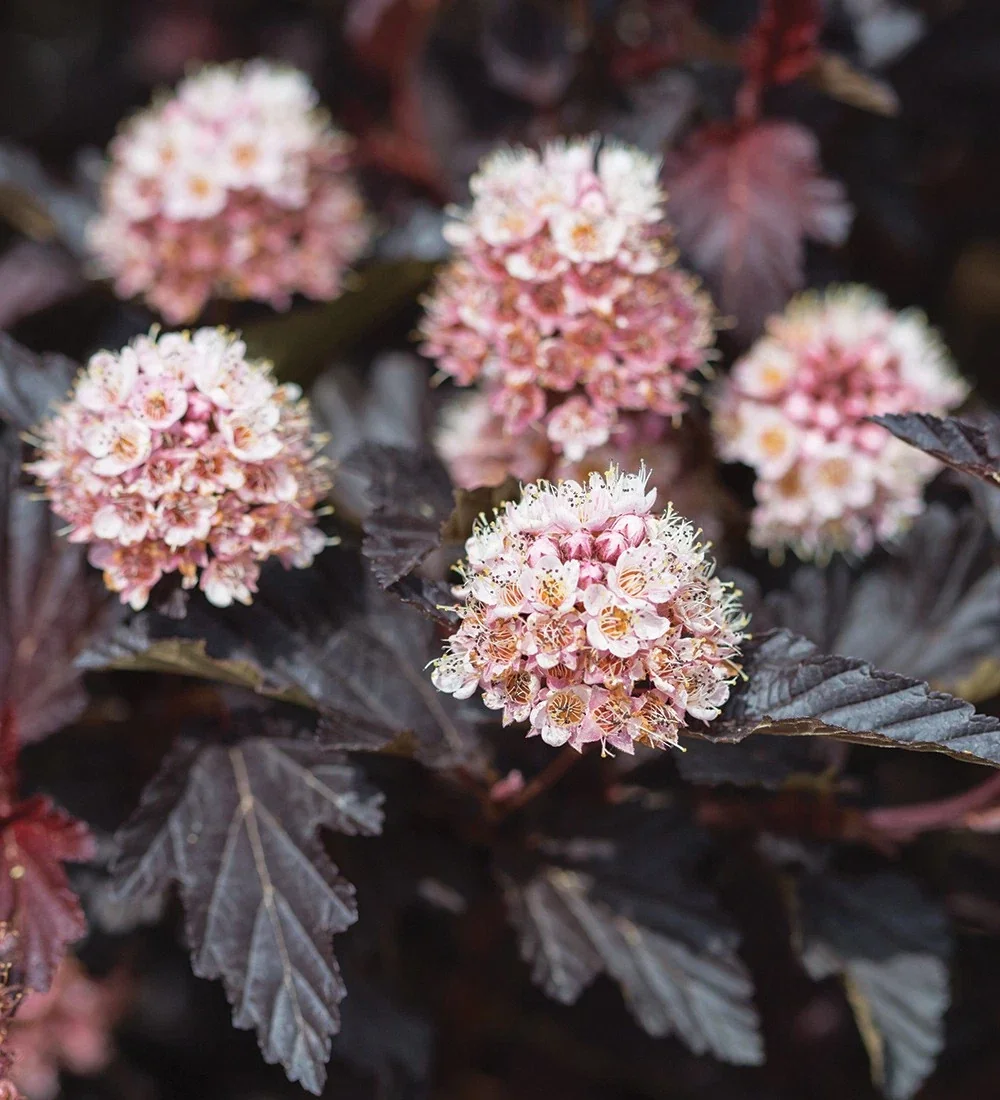
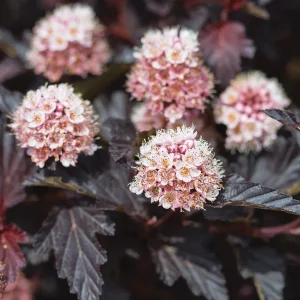
The Fireside Ninebark live plant, scientifically known as Physocarpus opulifolius ‘Fireside’, is a stunning deciduous shrub that brings vibrant color and texture to any garden. This particular offering is for a healthy, established plant measuring 14+ inches, provided in bare root form, ready for planting. The ‘Fireside’ cultivar is celebrated for its deep, rich purple-red foliage that holds its color well throughout the growing season, transforming into brilliant orange and red hues in the fall. Beyond its striking leaves, the Fireside Ninebark live plant also features clusters of delicate white to pinkish-white flowers in late spring to early summer, followed by attractive red seed capsules. Its exfoliating bark, which peels in layers to reveal shades of brown, red, and orange, provides significant winter interest, making it a truly four-season plant. This resilient shrub is an excellent choice for borders, hedges, or as a standalone specimen, offering both beauty and a relatively easy maintenance routine for gardeners of all skill levels.
Key Benefits
The Fireside Ninebark live plant offers a multitude of benefits that make it a highly desirable addition to any landscape. Its unique characteristics contribute to its appeal and ease of integration into various garden designs.
- Dramatic Foliage Color: Enjoy the intense purple-red leaves of this Physocarpus opulifolius care cultivar from spring through fall. The vibrant coloration provides a striking contrast against green landscapes, adding depth and visual interest.
- Four-Season Interest: Unlike many plants that fade after summer, the Fireside Ninebark delivers beauty year-round. From its colorful leaves and spring flowers to its autumn hues and distinctive exfoliating bark in winter, there’s always something to admire.
- Low Maintenance & Hardy: This Ninebark shrub outdoor selection is known for its robust nature and adaptability. It tolerates a range of soil conditions and is generally pest and disease resistant, requiring minimal fuss once established.
- Attracts Pollinators: The clusters of white to pinkish flowers in late spring are a magnet for bees and other beneficial pollinators, contributing to the biodiversity and health of your garden ecosystem.
- Versatile Landscape Use: Whether you’re looking for a vibrant hedge, a bold accent plant, or a component of a mixed border, the Fireside Ninebark fits seamlessly. Its upright, spreading habit makes it suitable for various garden roles.
- Erosion Control: Its strong root system can help stabilize soil on slopes and prevent erosion, making it a practical choice for challenging garden areas.
- Drought Tolerance: Once established, the Fireside Ninebark live plant exhibits good drought tolerance, reducing the need for frequent watering and making it a water-wise choice for sustainable gardening.
Plant Care & Growing Tips
Caring for your Fireside Ninebark live plant is straightforward, ensuring a beautiful and thriving shrub in your garden. This resilient plant is known for its adaptability, making Physocarpus opulifolius care relatively easy for both novice and experienced gardeners. For optimal growth, plant your bare root ninebark in a location that receives full sun to partial sun. Full sun (at least 6 hours of direct sunlight per day) will encourage the most intense foliage color, though it can tolerate some afternoon shade, especially in hotter climates. When it comes to watering, maintain medium moisture levels. While tolerant of various conditions, it prefers consistently moist, but not waterlogged, soil during its establishment phase. Once mature, it becomes quite drought-tolerant. The ideal soil type is well-draining, with a preference for slightly acidic to neutral pH. It can adapt to clay, sandy, or loamy soils, as long as drainage is adequate. Good drainage is crucial to prevent root rot.
The Ninebark shrub outdoor is hardy in USDA zones 3-7, making it suitable for a wide range of climates. Fertilization is generally not heavily required. A balanced slow-release fertilizer applied in early spring can promote vigorous growth, but avoid over-fertilizing. Pruning is best done after flowering to maintain shape and size, or to remove any dead or damaged branches. You can also perform a rejuvenation prune every few years by cutting back the oldest stems to the ground. Common problems are few, but watch out for powdery mildew in humid conditions or if air circulation is poor. Ensure proper spacing to allow for good airflow. This plant is generally deer resistant, which is a bonus for gardens in areas with deer populations. Providing proper bare root ninebark establishment care, such as consistent watering during its first year, will set it up for long-term success.
Size & Details
This offering is for a robust Fireside Ninebark live plant, measuring 14+ inches in height. It is supplied as a bare root specimen, which means it will arrive without soil around its roots, carefully packaged to ensure its health during transit. Bare root plants are typically dormant upon arrival and are an economical way to establish new shrubs. The mature size of the Fireside Ninebark typically reaches between 5 to 7 feet tall and 4 to 6 feet wide, forming an attractive, mounding habit. Its growth rate is considered medium to fast, meaning you can expect it to establish and fill out your garden space within a few years. The plant will begin to show its vibrant purple-red foliage and produce its characteristic flowers in late spring to early summer, usually within its first or second growing season after planting. When planting, ensure you provide ample space for its mature spread to allow for optimal air circulation and growth. This colorful foliage plant will become a significant focal point in your garden.
Frequently Asked Questions
- Q: How big does this Fireside Ninebark plant get? A: The Fireside Ninebark live plant typically grows to a mature size of 5 to 7 feet tall and 4 to 6 feet wide. It forms a dense, mounding shrub that provides excellent visual impact in the landscape.
- Q: What condition will the bare root ninebark arrive in? A: Your bare root ninebark will arrive dormant, with its roots carefully packed to maintain moisture. This is a normal and healthy state for bare root plants, ready for immediate planting upon arrival.
- Q: Is this an indoor or outdoor plant? A: The Fireside Ninebark is an outdoor plant, a hardy shrub that thrives in garden settings. It is not suitable for indefinite indoor cultivation, though it can be temporarily kept indoors in a bright, cool location before planting.
- Q: How much sunlight does the Ninebark shrub outdoor need? A: For the best foliage color and flowering, the Ninebark shrub outdoor prefers full sun, which means at least 6 hours of direct sunlight daily. It can tolerate partial sun, but the purple-red color may be less intense.
- Q: Is this colorful foliage plant easy to care for? A: Yes, the Fireside Ninebark is considered a low-maintenance shrub, making it an excellent choice for beginners and experienced gardeners alike. Its Physocarpus opulifolius care requirements are minimal once established.
- Q: When is the best time to plant a bare root ninebark? A: The best time to plant a bare root ninebark is in early spring or late fall when the plant is dormant. This allows the roots to establish before extreme summer heat or winter cold sets in.
- Q: Will this colorful foliage plant survive winter in my zone? A: The Fireside Ninebark is very cold hardy, thriving in USDA Zones 3 through 7. This means it can withstand significant winter temperatures in most regions of the United States.
- Q: What type of soil does the Fireside Ninebark prefer? A: This shrub is adaptable to a variety of soil types but prefers well-draining soil with a slightly acidic to neutral pH. It can tolerate clay and sandy soils as long as they do not become waterlogged.
- Q: How often should I water my new Fireside Ninebark live plant? A: During its first year, water your newly planted Fireside Ninebark live plant regularly to keep the soil consistently moist. Once established, it becomes more drought-tolerant and will only need watering during prolonged dry periods.
- Q: Does this Ninebark attract pollinators? A: Yes, the clusters of white to pinkish flowers that appear in late spring to early summer are attractive to bees and other beneficial pollinators, making it a great addition to a pollinator garden.


Reviews
There are no reviews yet.