Overview
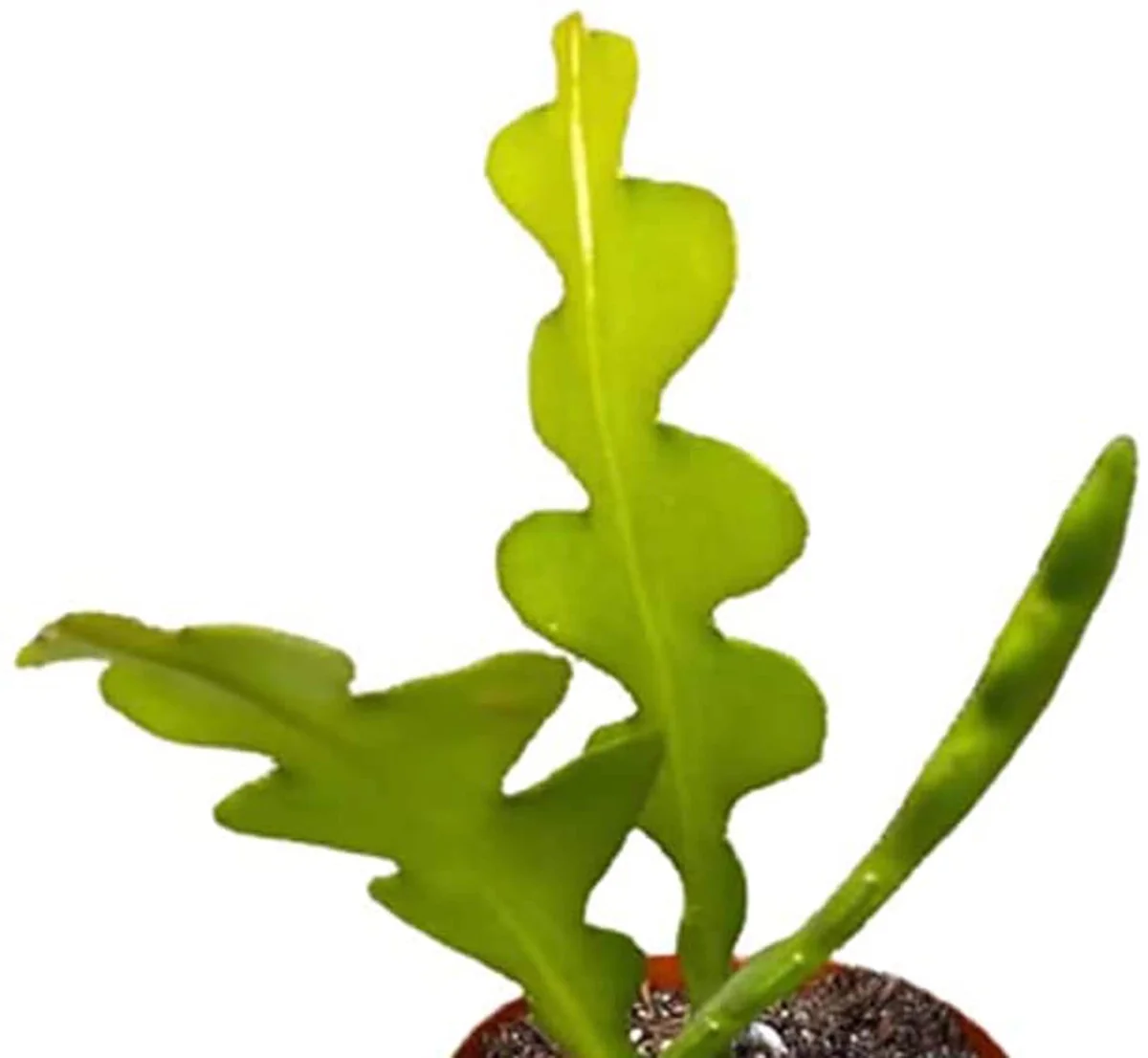
Introduce an exotic flair to your indoor garden with the captivating fishbone cactus live plant. Known botanically as Epiphyllum anguliger, this unique succulent is celebrated for its distinctive, fishbone-like foliage, which gives it its charming common name. Unlike typical desert cacti, the fishbone cactus is an epiphytic species, meaning it naturally grows on other plants in its native tropical rainforest environment, absorbing moisture and nutrients from the air and rain. This particular specimen stands at a graceful 5″ Height, making it an ideal size for windowsills, desks, or hanging baskets where its zig-zag stems can cascade beautifully. Its lush green leaves and unusual structure create an instant conversation starter, adding architectural interest and a touch of the tropics to any room. This fishbone cactus live plant is not only visually striking but also relatively low-maintenance, making it a fantastic choice for both seasoned plant enthusiasts and beginners looking for something extraordinary.
The Epiphyllum anguliger care requirements are straightforward, allowing you to enjoy its beauty without extensive effort. Its unique appearance, with flat, serrated stems that resemble fishbones, sets it apart from other houseplants. When mature, it can produce stunning, fragrant, night-blooming flowers, though this is less common for younger plants grown indoors. This plant thrives in conditions that mimic its jungle origins – bright, indirect light and consistent, but not excessive, moisture. Its adaptability and striking form make it a prized possession for anyone seeking to enhance their living space with natural beauty. Discover the joy of growing a fishbone cactus live plant and watch its distinctive foliage transform your home.
Key Benefits
The fishbone cactus live plant offers a multitude of benefits that extend beyond its unique aesthetics, making it a desirable addition to any home:
- Unique Ornamental Appeal: The most striking feature of the fishbone cactus live plant is its extraordinary zig-zag patterned foliage. These flat, serrated stems provide a sculptural quality that is truly eye-catching, adding an instant focal point and modern elegance to any interior design. Its lush green color remains vibrant year-round.
- Easy Care & Low Maintenance: This succulent is remarkably forgiving and requires minimal attention once its basic needs are met. It’s a perfect choice for busy individuals or those new to plant care, offering beauty without demanding constant supervision. Understanding Epiphyllum anguliger care is simple and rewarding.
- Air Purification: Like many houseplants, the fishbone cactus contributes to a healthier indoor environment by absorbing airborne toxins and releasing oxygen, helping to improve the air quality in your home or office space.
- Versatile Placement: Its compact size, typically around 5 inches in height for this specimen, makes it suitable for a variety of locations. It looks stunning in hanging baskets where its unique stems can trail, on shelves, or as a desk plant, bringing a touch of nature to any corner.
- Pet-Friendly: The zig zag cactus houseplant is generally considered non-toxic to pets, making it a safer option for homes with curious cats and dogs, allowing you to enjoy your greenery with peace of mind.
- Drought Tolerant: As a succulent, it has adapted to store water in its stems, meaning it can tolerate periods of drought better than many other houseplants. This makes it more resilient to occasional missed waterings.
- Promotes Well-being: Bringing natural elements like a fishbone cactus live plant into your living space has been shown to reduce stress, improve mood, and increase overall feelings of well-being, creating a more calming and inviting atmosphere.
Plant Care & Growing Tips
Caring for your fishbone cactus live plant is quite straightforward, especially if you understand its natural habitat. This epiphytic succulent thrives in conditions that mimic the dappled light and humidity of its rainforest origins. For optimal growth and health, focus on providing the right balance of light, water, and soil. When considering Epiphyllum anguliger care, remember that it appreciates consistency without being overly demanding. It’s an excellent candidate for anyone seeking an easy care indoor plant.
Sunlight Requirements: The fishbone cactus live plant prefers bright, indirect light. A north or east-facing window is ideal, providing ample light without the harshness of direct afternoon sun, which can scorch its delicate stems. If placed in a south or west-facing window, ensure it’s set back a few feet or protected by a sheer curtain. While it can tolerate lower light conditions, too little light may result in leggy growth and fewer blooms (if it ever blooms). Conversely, too much direct sun can cause the stems to yellow or turn reddish and become stressed.
Watering Schedule & Soil Moisture: Water your zig zag cactus houseplant when the top inch or two of the soil feels dry to the touch. This typically means watering once a week or every two weeks, depending on humidity levels and the season. During the growing season (spring and summer), it will need more frequent watering than during its dormant period in winter. Always ensure the pot has drainage holes to prevent waterlogging, which can lead to root rot. While it appreciates consistent moisture, it does not like to sit in soggy soil. If unsure, it’s always better to underwater slightly than to overwater. This plant is more tolerant of dry conditions than excessively wet ones.
Soil Type & Drainage: A well-draining potting mix is crucial for the health of your fishbone cactus live plant. A standard succulent or cactus mix amended with perlite or orchid bark works well. You can also create your own mix using equal parts potting soil, perlite, and orchid bark. This ensures good aeration and prevents water from sitting around the roots. As an epiphytic plant, it naturally prefers a lighter, airier substrate rather than dense, heavy soil. Good drainage is paramount for successful Epiphyllum anguliger care.
Temperature Range & USDA Hardiness Zone: This tropical succulent thrives in average room temperatures between 65-80°F (18-27°C). It is not frost-tolerant and should be protected from temperatures below 50°F (10°C). As an indoor plant, it typically doesn’t have a specific USDA hardiness zone, but if grown outdoors in very warm climates, it would be suited for zones 10-11, where temperatures remain above freezing. Avoid sudden temperature fluctuations and cold drafts.
Fertilization Schedule & Type: Feed your fishbone cactus live plant with a balanced liquid fertilizer diluted to half strength every 2-4 weeks during the active growing season (spring and summer). Reduce or cease fertilization during the fall and winter months when the plant’s growth slows down. A fertilizer formulated for cacti and succulents or a general houseplant fertilizer will work well. Over-fertilization can lead to salt buildup in the soil, which can harm the plant.
Common Problems & Solutions: The most common issues for this easy care indoor plant are related to improper watering. Yellowing stems often indicate overwatering or poor drainage, while shriveled or reddish stems can be a sign of underwatering or too much direct sunlight. Pests like mealybugs or spider mites can occasionally appear but can usually be controlled with insecticidal soap or neem oil. Ensure good air circulation to help prevent fungal issues. Regular inspection will help you catch and address any problems early.
Size & Details
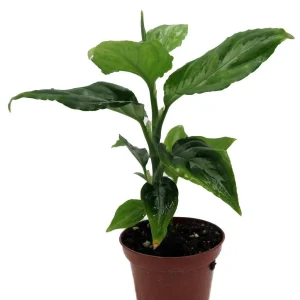
This offering is for one fishbone cactus live plant, which measures approximately 5″ Height from the soil line to the tip of its tallest stem. It comes pre-potted in a 3.5″ nursery pot, ready to be displayed or repotted into a decorative container of your choice. The plant exhibits a compact, upright to slightly cascading growth habit when young, with its distinctive zig-zag stems already forming. The mature size of a zig zag cactus houseplant can vary, with stems eventually reaching lengths of 2-3 feet or more, especially when grown in hanging baskets, allowing for an impressive trailing effect over time. This plant has a moderate growth rate, gradually filling out its pot and producing new, intricately shaped foliage. It is shipped as a healthy, established plant, ensuring a strong start in your home.
The rhipsalis fishbone (a common alternative name) is a relatively long-lived plant with proper care, providing years of unique beauty. While it can produce beautiful, fragrant flowers, typically in the late summer or fall, this is more common on older, well-established plants that receive optimal care. Our plants are carefully selected and packaged to ensure they arrive in excellent condition, ready to thrive in their new environment. This specific size is perfect for integrating into existing plant arrangements or as a standalone statement piece on a bookshelf or desk.
Frequently Asked Questions
- Q: How big does this fishbone cactus live plant get? A: This particular plant is 5 inches tall. While young, its stems are compact, but mature fishbone cactus live plant specimens can develop stems that trail 2-3 feet long, especially in hanging baskets.
- Q: What size pot does it come in? A: This fishbone cactus live plant is shipped in a 3.5-inch nursery pot, which is suitable for its current size. You can keep it in this pot for a while or repot it into a slightly larger decorative pot upon arrival.
- Q: Is this an indoor or outdoor plant? A: The fishbone cactus live plant is primarily grown as an indoor houseplant due to its tropical nature. It can be moved outdoors in warm, humid climates during summer but must be brought inside before temperatures drop below 50°F (10°C).
- Q: How much sunlight does the zig zag cactus houseplant need? A: This plant thrives in bright, indirect light. Avoid direct afternoon sun, which can scorch its leaves. An east or north-facing window is usually ideal.
- Q: Is this plant easy to care for? A: Yes, the fishbone cactus live plant is considered an easy care indoor plant. It’s quite forgiving as long as its basic needs for indirect light and proper watering are met.
- Q: How often should I water my Epiphyllum anguliger? A: Water when the top 1-2 inches of soil feel dry. This could be once a week or every two weeks, depending on your home’s environment. Ensure the pot has good drainage.
- Q: Is the fishbone cactus pet-safe? A: Yes, the fishbone cactus live plant is generally considered non-toxic to pets, making it a safe choice for homes with cats and dogs.
- Q: What kind of soil is best for a rhipsalis fishbone? A: A well-draining potting mix is essential. A succulent or cactus mix amended with extra perlite or orchid bark will provide the ideal airy and fast-draining environment.
- Q: Will my fishbone cactus bloom? A: While mature fishbone cactus live plant specimens can produce beautiful, fragrant, night-blooming flowers, it is less common for younger plants. With optimal care and maturity, you might be rewarded with blooms.
- Q: What temperature range does the fishbone cactus prefer? A: It prefers average room temperatures between 65-80°F (18-27°C). Protect it from cold drafts and temperatures below 50°F (10°C).


Reviews
There are no reviews yet.