Overview
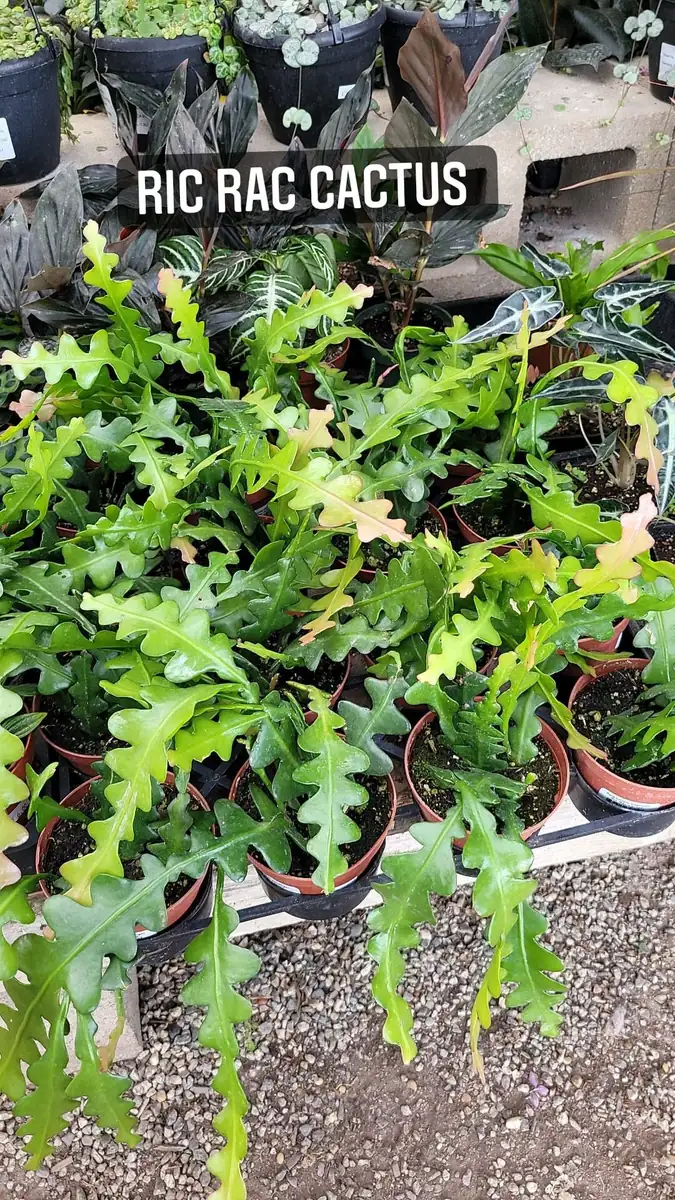
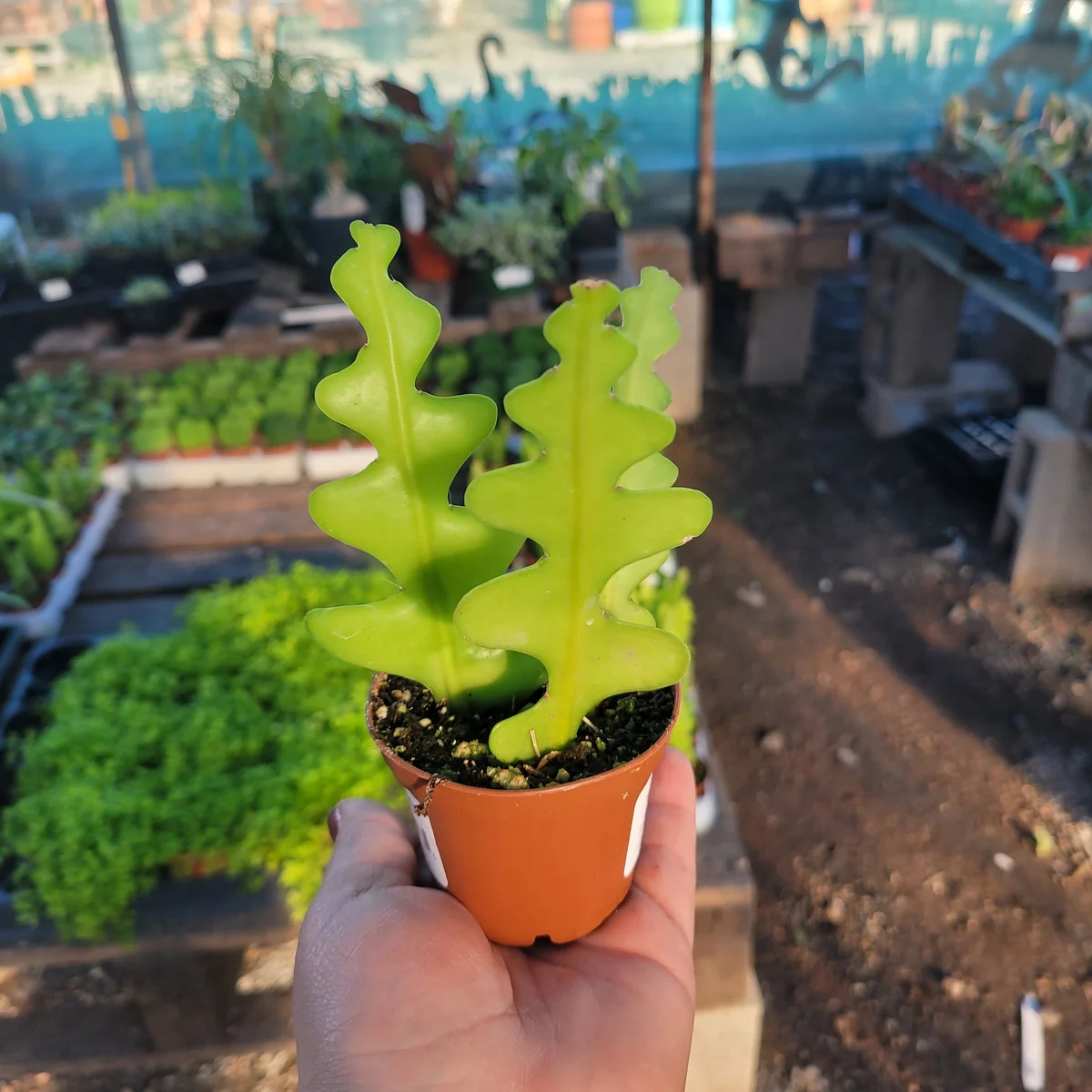
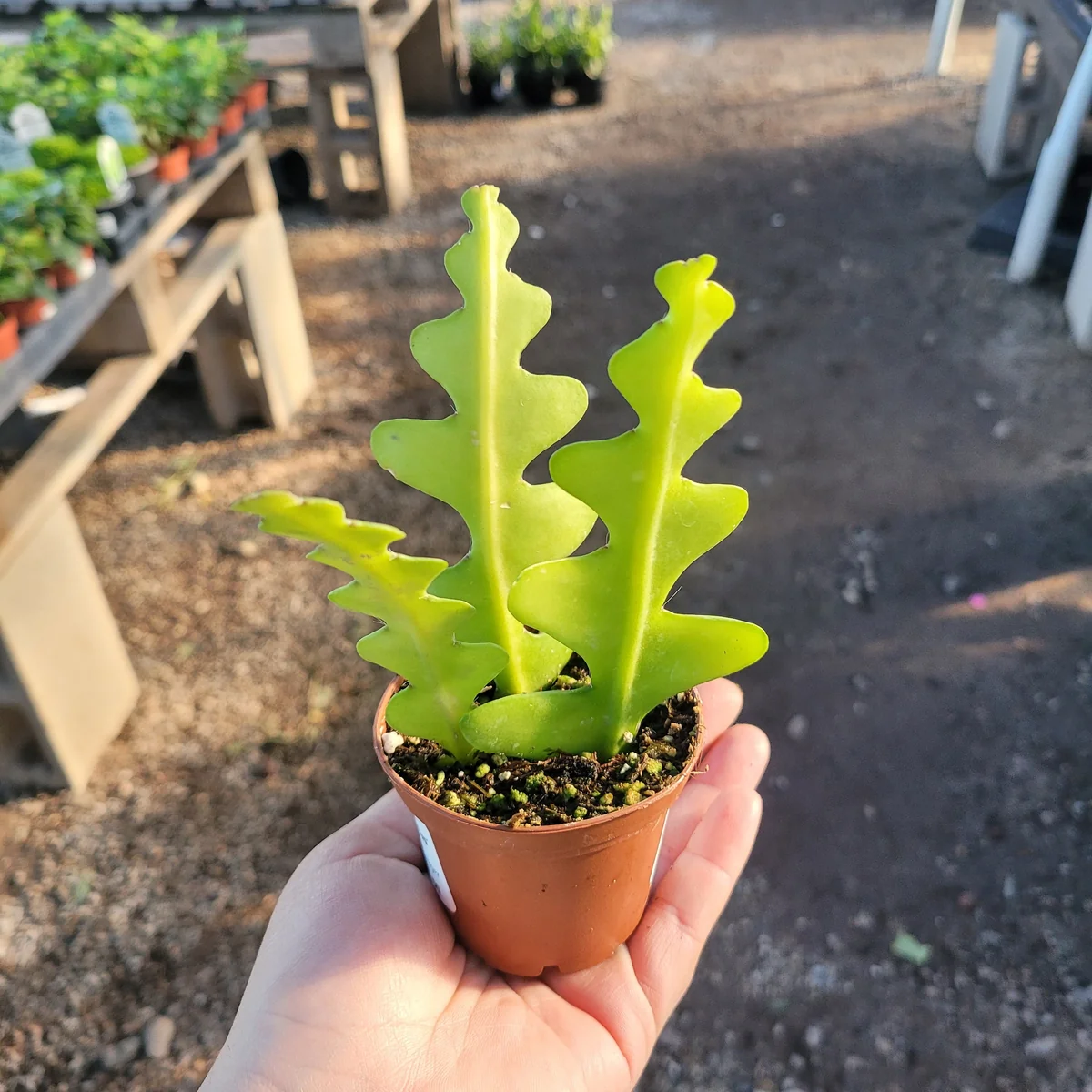
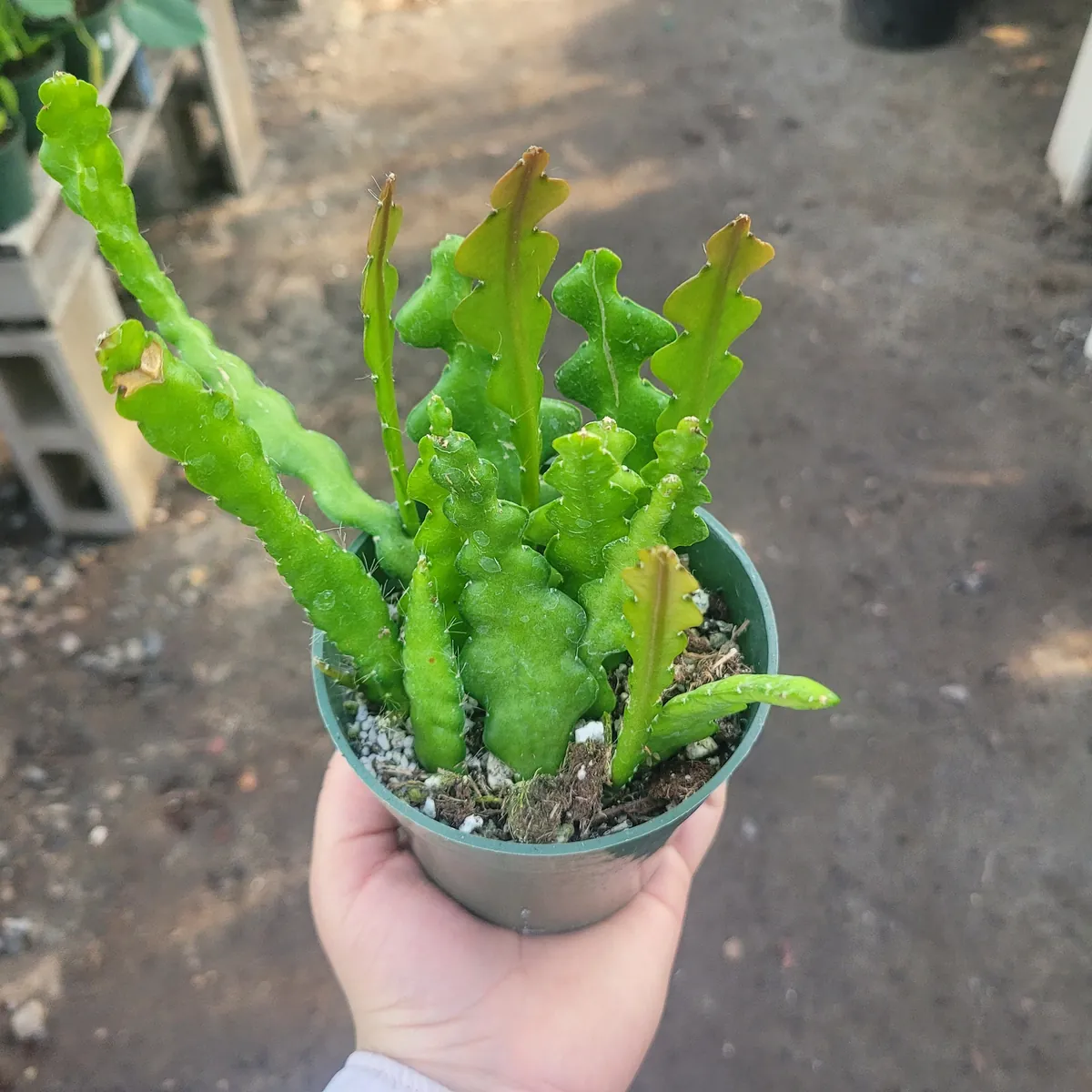
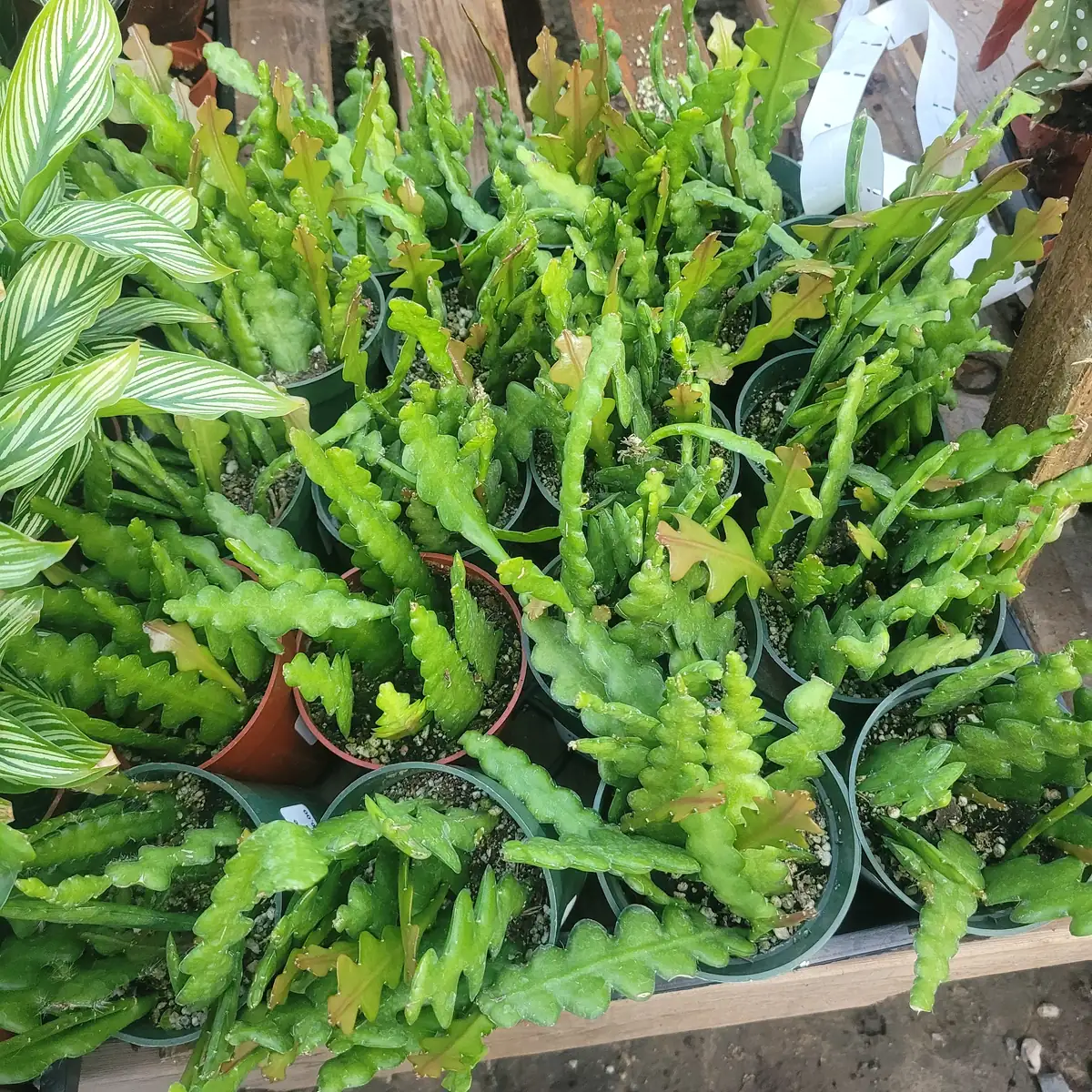
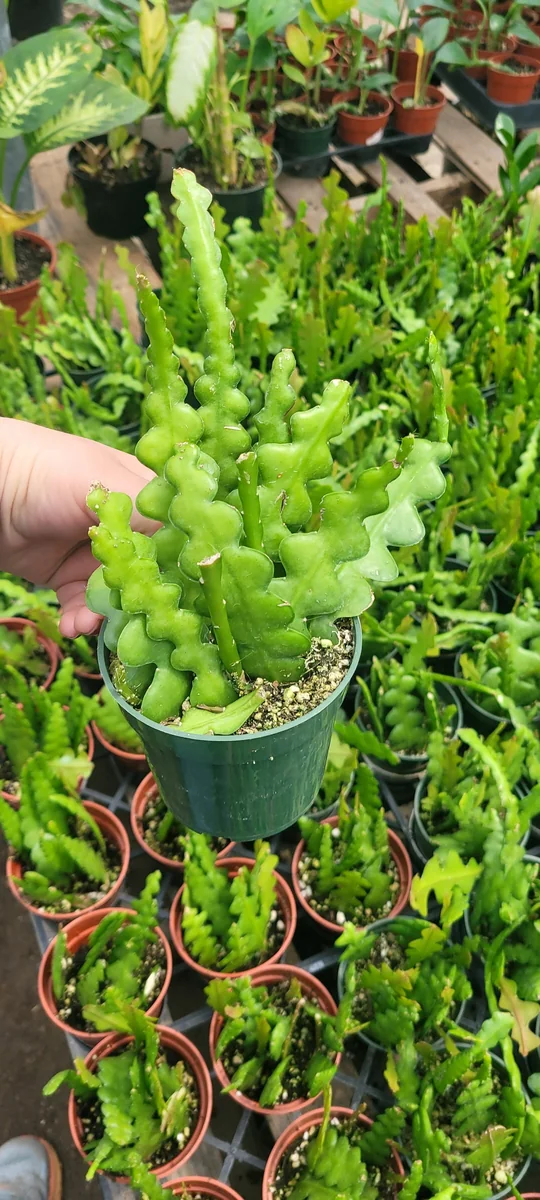
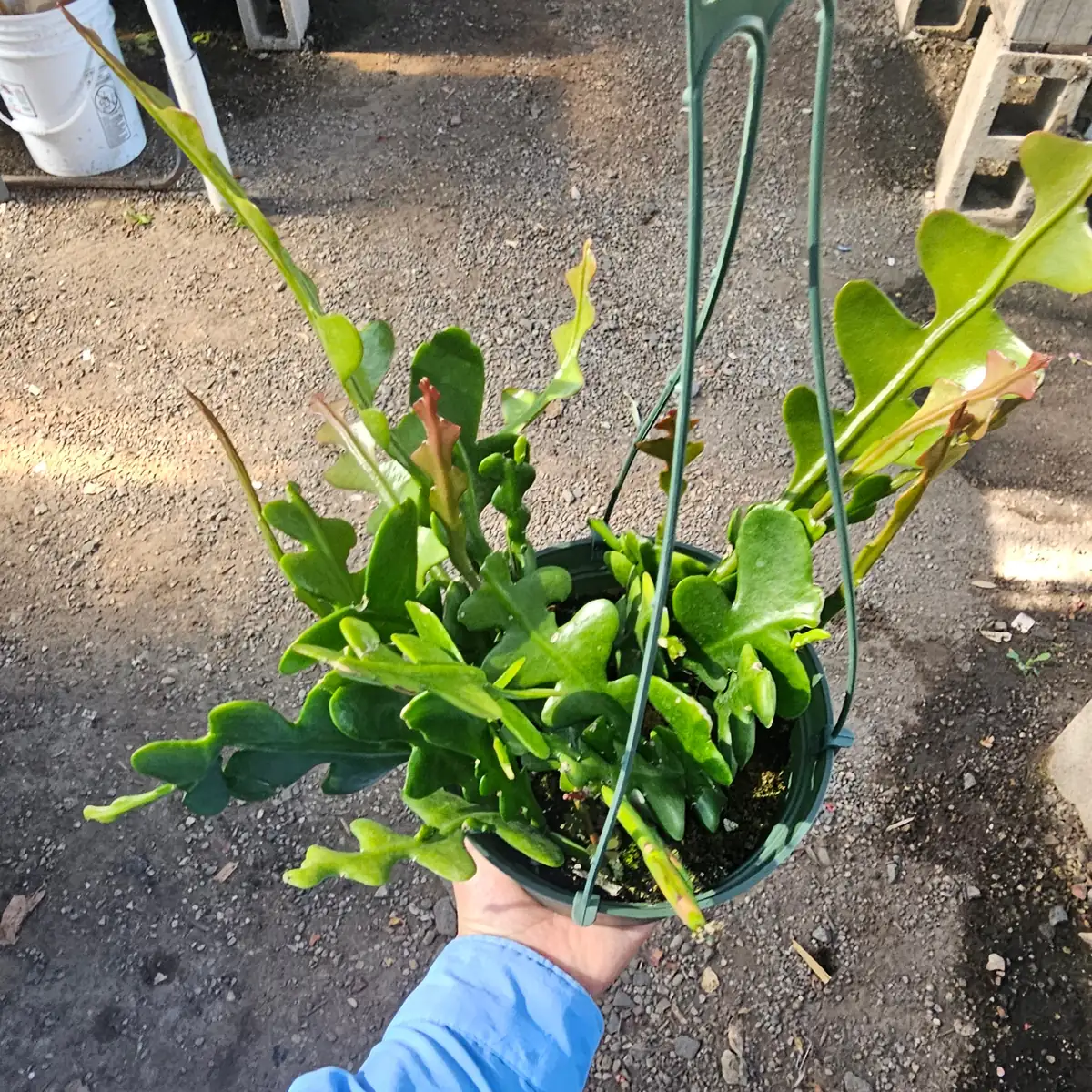
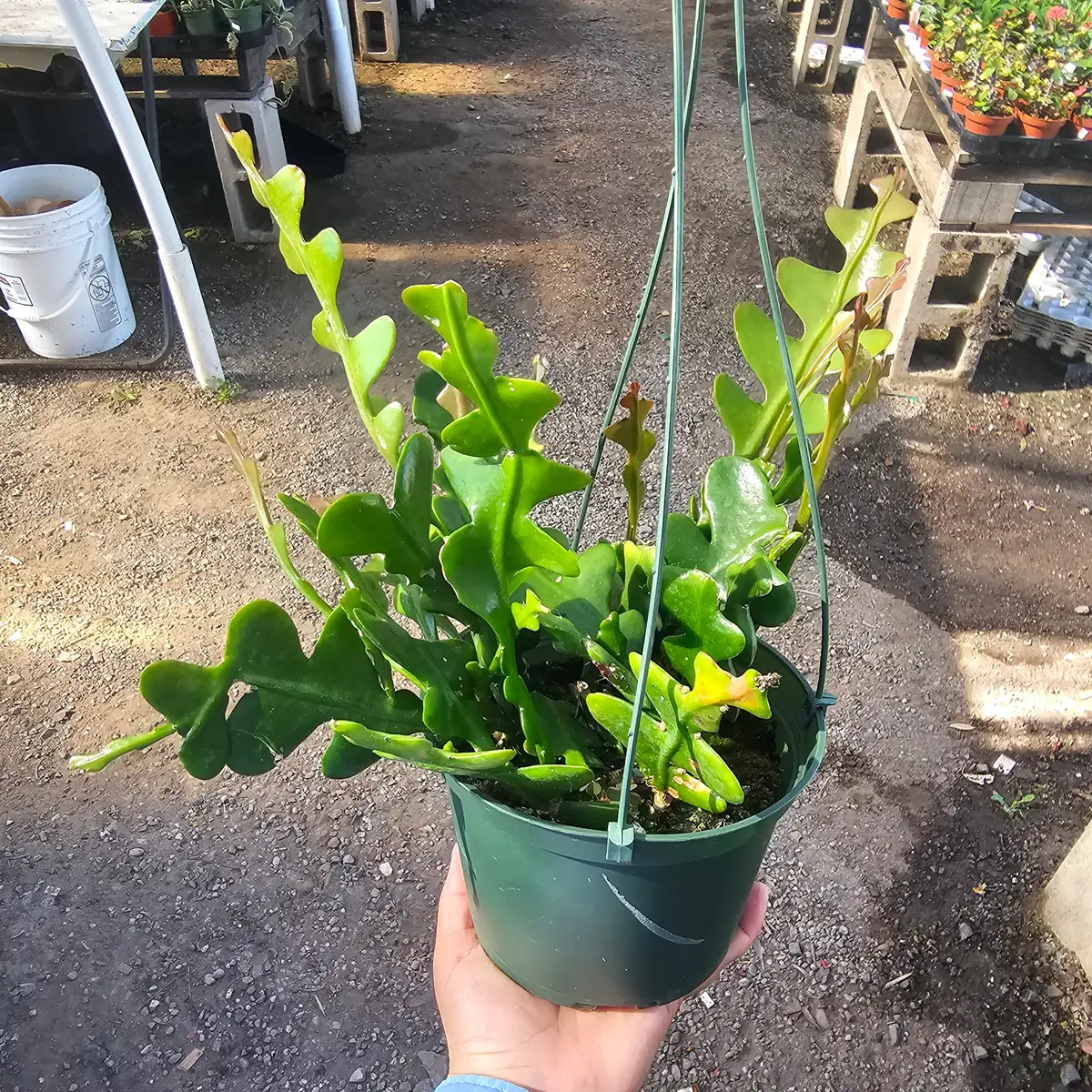
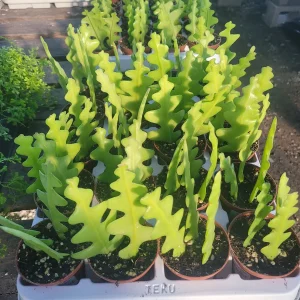
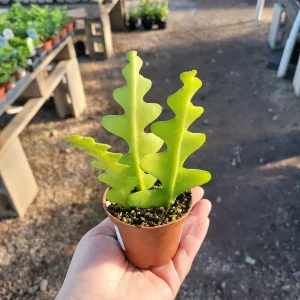
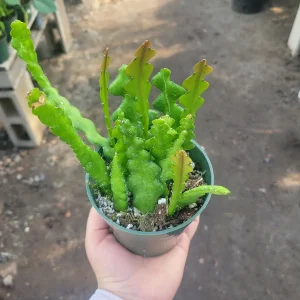
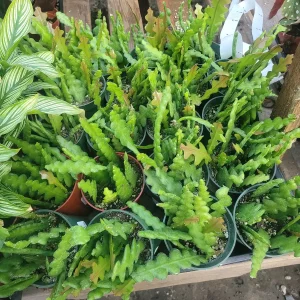
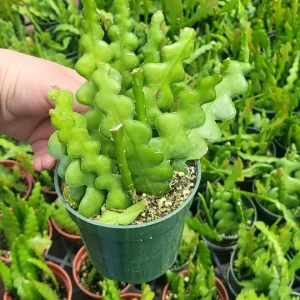
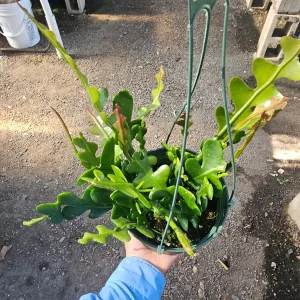
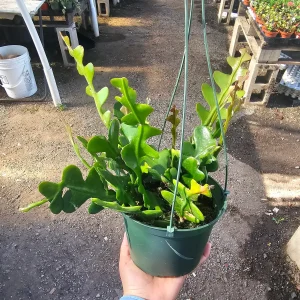
Introduce an extraordinary botanical specimen into your living space with the fishbone cactus live plant. Also widely recognized as the ric rac cactus care, zig zag cactus houseplant, or by its scientific name, epiphyllum anguliger, this plant is a true conversation starter. Originating from the tropical rainforests of Mexico, this epiphytic cactus boasts uniquely lobed and serrated stems that resemble a fishbone or a zig-zag pattern, giving it its common names. Unlike desert cacti, the fishbone cactus live plant thrives in humid environments and indirect light, making it an ideal candidate for indoor cultivation. Its thick, leathery, dark green foliage provides a lush, vibrant display, and with proper care, it can produce stunning, fragrant pink and white orchid-like flowers, adding an unexpected splash of color and elegance to your home. This easy-to-grow plant is perfect for enthusiasts looking for something beyond the ordinary.
The allure of the epiphyllum anguliger lies not only in its distinctive appearance but also in its relatively low maintenance requirements. As a trailing houseplant, it excels when allowed to cascade from hanging baskets or shelves, mimicking its natural growth habit in the wild where it hangs from tree branches. Its vibrant green stems create an eye-catching display, bringing a touch of the exotic tropics indoors. Whether you’re a seasoned plant collector or a beginner looking for a unique and rewarding plant, the fishbone cactus live plant offers a captivating presence and a simple care routine that ensures its long-term health and beauty.
Key Benefits
The fishbone cactus live plant offers numerous advantages, making it a highly desirable addition to any indoor plant collection. Its unique aesthetics and ease of care contribute to a rewarding ownership experience.
- Striking Ornamental Appeal: The most prominent benefit is its highly unusual and attractive foliage. The deeply lobed, zig-zagging stems create a captivating visual texture that stands out among other houseplants, instantly enhancing any room’s decor. This unique form makes it a focal point.
- Beautiful Orchid-like Flowers: Given sufficient light and proper conditions, the epiphyllum anguliger produces stunning, fragrant flowers. These nocturnal blooms, often pink and white, are a breathtaking sight and a testament to the plant’s health and vitality, adding an unexpected burst of color.
- Easy Care & Low Maintenance: Unlike many exotic plants, the ric rac cactus care is surprisingly straightforward. It tolerates a range of indoor conditions and doesn’t demand constant attention, making it suitable for both novice and experienced plant parents. Its resilience is a major draw.
- Ideal for Hanging Displays: Its natural trailing habit makes it perfectly suited for hanging baskets, allowing its distinctive stems to cascade gracefully. This not only maximizes its visual impact but also optimizes space in smaller living areas. It truly shines when allowed to trail.
- Air Purifying Qualities: Like many houseplants, the zig zag cactus houseplant contributes to a healthier indoor environment by helping to filter airborne toxins and improve air quality, creating a fresher and more pleasant atmosphere.
- Unique Conversation Starter: Its unusual appearance is guaranteed to spark interest and questions from visitors. The fishbone cactus live plant is not a plant you see every day, making it a fantastic topic of conversation and a unique gift.
- Adaptable to Indoor Environments: While tropical in origin, this plant adapts well to typical indoor humidity and temperature levels, thriving without requiring overly specialized conditions, which simplifies its integration into your home.
Plant Care & Growing Tips
Caring for your fishbone cactus live plant is a rewarding experience, as it’s relatively easy to maintain once its basic needs are met. Understanding its specific requirements will ensure a thriving and beautiful specimen. The key to successful ric rac cactus care lies in replicating its natural rainforest environment as closely as possible, focusing on light, water, and humidity.
Sunlight Requirements
The epiphyllum anguliger prefers bright, indirect light. In its natural habitat, it grows under the canopy of larger trees, receiving filtered sunlight. Indoors, this translates to placing it near an east or north-facing window, or a few feet away from a south or west-facing window where it won’t receive harsh, direct sun. Direct midday sun can scorch its delicate stems, leading to yellowing or browning. If you notice your zig zag cactus houseplant struggling, assess its light exposure first. Too little light might result in leggy growth and fewer flowers, while too much direct light can cause sunburn.
Watering Schedule and Soil Moisture Preferences
Watering is crucial for fishbone cactus live plant. Unlike desert cacti, it enjoys more frequent watering but still requires excellent drainage to prevent root rot. Allow the top inch or two of soil to dry out completely between waterings. During the growing season (spring and summer), this might mean watering every 1-2 weeks, while in winter, watering can be reduced significantly. When you do water, do so thoroughly until water drains from the bottom of the pot. Never let the plant sit in standing water. Overwatering is a common mistake and can quickly lead to problems, so always check the soil moisture before adding more water. This careful approach to ric rac cactus care is vital.
Soil Type and Drainage Requirements
A well-draining, airy potting mix is essential for the epiphyllum anguliger. A standard succulent or cactus mix can work, but an even better option is a blend that mimics its epiphytic nature. Consider mixing equal parts potting soil, perlite, and orchid bark or coco coir. This mix provides both moisture retention and excellent aeration, preventing waterlogged roots. Ensure your pot has drainage holes to facilitate proper water flow. The right soil environment is critical for preventing fungal issues and promoting healthy growth for your trailing cactus indoor.
Temperature Range and Fertilization
The fishbone cactus live plant thrives in average room temperatures, ideally between 60-80°F (15-27°C). It can tolerate slightly cooler temperatures but should be protected from frost. High humidity is appreciated, so consider misting regularly or placing it near a humidifier, especially in dry environments. Fertilize your plant every 2-4 weeks during the growing season (spring and summer) with a balanced liquid fertilizer diluted to half strength. Reduce or stop fertilizing during the dormant winter months. Consistent feeding during active growth supports strong stem development and encourages flowering. Proper humidity and feeding are key aspects of successful ric rac cactus care.
Size & Details
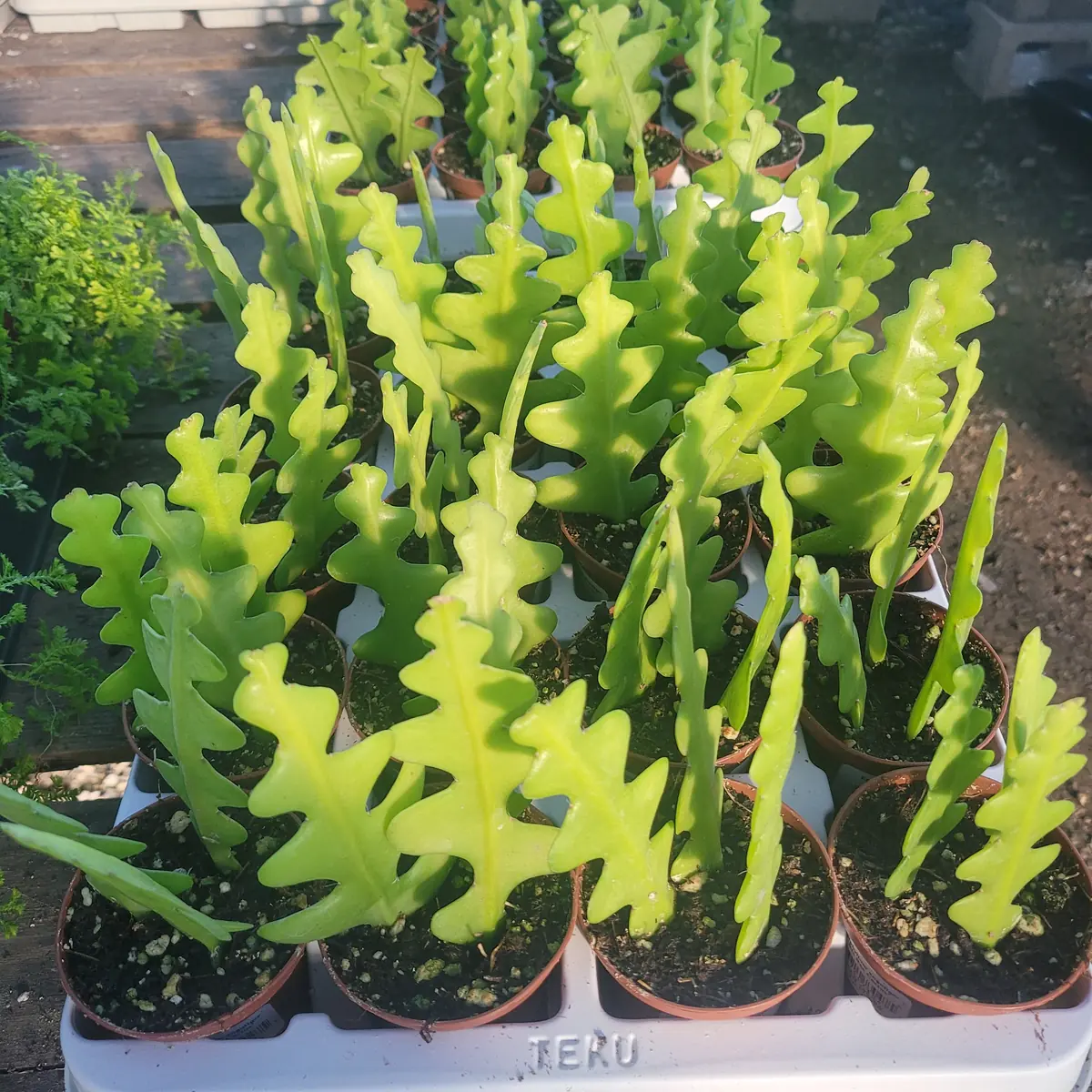
This fishbone cactus live plant is typically shipped as a well-rooted specimen, ready to be transplanted into its forever home. While exact dimensions can vary slightly due to natural growth, you can expect a healthy plant with established roots and several distinctive zig-zagging stems. When mature, the epiphyllum anguliger can produce trailing stems that reach lengths of several feet, making it an excellent choice for hanging baskets where its unique form can be fully appreciated. Its growth rate is moderate, allowing you to observe its development over time without it becoming unruly too quickly. The plant will be carefully packaged to ensure minimal soil disturbance and protection during transit, arriving ready to thrive in your care.
The plant’s overall size will depend on its age and growing conditions, but it generally remains a manageable indoor plant. With good trailing cactus indoor care, it will gradually fill out its container and begin to cascade beautifully. Expect the plant to establish itself quickly in its new environment, and with consistent care, it will develop into a lush, mature specimen. Flowering typically occurs in late spring or early summer, but can be encouraged by providing optimal light and a slight reduction in watering during the cooler months to simulate a rest period, which is part of the long-term ric rac cactus care.
Frequently Asked Questions
- Q: How big does this plant get? A: The fishbone cactus live plant is a trailing variety, with stems that can grow several feet long when mature, making it perfect for hanging baskets. Its width will depend on how many stems it develops and how it is pruned.
- Q: Is this an indoor or outdoor plant? A: While it can be grown outdoors in very warm, humid, frost-free climates (USDA zones 10-11), the epiphyllum anguliger is primarily cultivated as a trailing cactus indoor houseplant in most regions due to its sensitivity to cold.
- Q: How much sunlight does it need? A: This zig zag cactus houseplant thrives in bright, indirect light. Avoid direct, harsh sunlight, especially during the hottest parts of the day, as it can scorch the foliage. Filtered light is ideal for healthy growth and flowering.
- Q: Is this plant easy to care for? A: Yes, the fishbone cactus live plant is considered relatively easy to care for, making it suitable for both beginners and experienced plant enthusiasts. Its specific light and watering needs are straightforward to meet.
- Q: What condition will it arrive in? A: Your plant will arrive as a healthy, well-rooted live specimen, carefully packaged to minimize stress during transit. Some slight soil displacement might occur, but the plant itself will be in excellent condition.
- Q: How often should I water my ric rac cactus? A: Water your ric rac cactus care when the top 1-2 inches of soil feel dry to the touch. This typically means every 1-2 weeks during the growing season and less frequently in winter. Always ensure good drainage to prevent root rot.
- Q: Is the fishbone cactus pet-safe? A: The epiphyllum anguliger is generally considered non-toxic to pets, making it a safer choice for households with cats, dogs, or other animals. However, it’s always best to discourage pets from chewing on any houseplant.
- Q: When does the fishbone cactus bloom? A: With proper care and sufficient light, the fishbone cactus live plant typically blooms in late spring or early summer. The flowers are usually nocturnal and can be quite fragrant, lasting for a few days.
- Q: What type of soil is best for this plant? A: A well-draining, airy mix is best. A good blend includes potting soil, perlite, and orchid bark or coco coir, mimicking its natural epiphytic growing conditions for optimal ric rac cactus care.
- Q: Why are my fishbone cactus leaves turning yellow? A: Yellowing leaves on your zig zag cactus houseplant can often indicate overwatering or too much direct sunlight. Check your watering schedule and light exposure to adjust conditions accordingly for better plant health.


Reviews
There are no reviews yet.