Overview
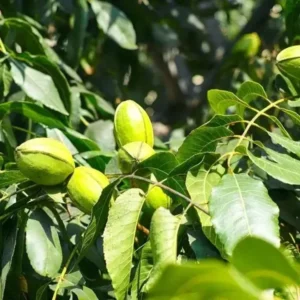
Experience the joy of growing your own gourmet fruit with the Flanders Fig Tree. This remarkable fig tree live plant is highly sought after for its vigorous growth and abundant production of delicious fruit. Originating from California, the Flanders Fig is a unique variety known for its distinctive appearance and superb flavor profile. Each live plant is carefully cultivated to reach an impressive 3 to 4 feet tall and is shipped securely in a 3-gallon pot, ensuring a healthy start in your garden. Whether you’re an experienced gardener or just beginning your journey into growing fruit trees, the Flanders Fig offers a rewarding and fruitful experience. It’s an excellent choice for those looking to add a touch of Mediterranean charm and fresh, home-grown produce to their landscape.
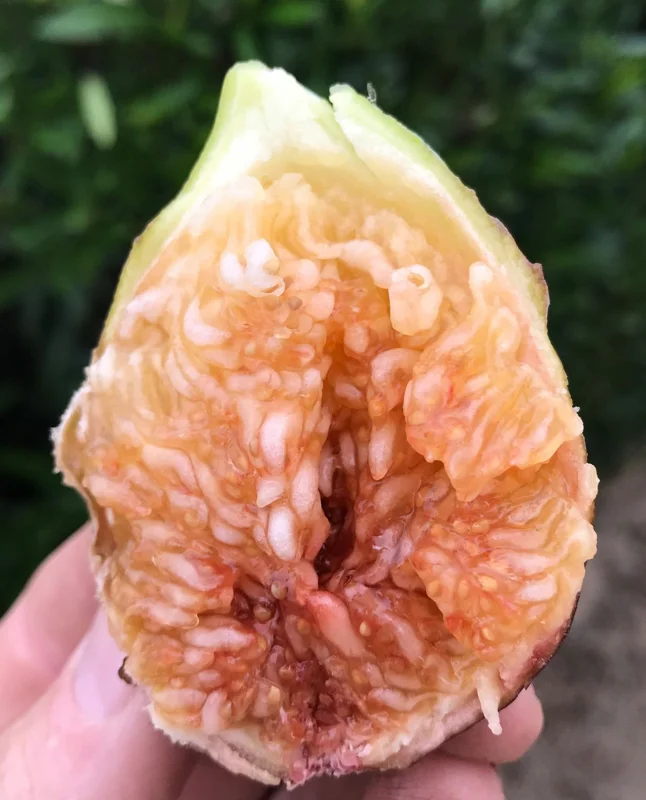
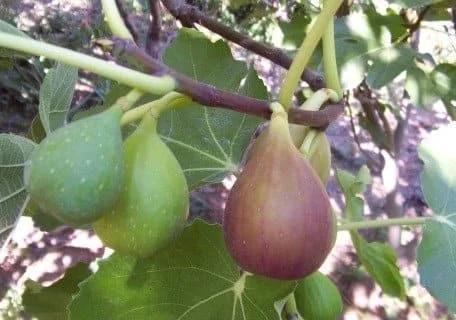
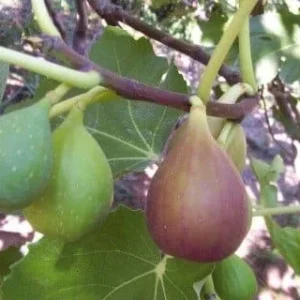
The Flanders Fig is celebrated for its striking violet-striped skin and rich, amber-colored flesh. Its sweet, complex flavor makes it a favorite for fresh eating, preserves, and culinary creations. This variety is particularly well-suited to warm climates, thriving in USDA Hardiness Zones 7-10, where it can reach its full potential as a strong-growing and highly productive tree. With proper care, your Flanders Fig Tree will become a cherished part of your garden, providing bountiful harvests year after year.
Key Benefits
Cultivating a Flanders Fig Tree offers numerous advantages, from fresh, delicious fruit to aesthetic appeal in your garden. This productive variety provides a rewarding experience for any home gardener.
- Exceptional Fruit Quality: Enjoy exceptionally beautiful violet-striped fruits with sweet, rich amber flesh. The flavor is often described as superb, making it a favorite for fresh consumption.
- Vigorous Growth: The Flanders Fig is known for being a strong growing fig tree, establishing quickly and developing into a robust, productive specimen in your garden.
- High Yields: This variety is highly productive, meaning you can look forward to abundant harvests of delicious figs once the tree matures, perfect for sharing or preserving.
- Adaptable to Warm Climates: Thrives in USDA Hardiness Zones 7-10, making it an ideal choice for gardeners in warmer regions looking for a reliable fruit producer.
- Ornamental Appeal: Beyond its fruit, the fig tree itself adds a touch of Mediterranean elegance to any landscape with its attractive foliage and unique fruit development.
- Versatile Culinary Use: The sweet figs are perfect for eating fresh, drying, making jams, preserves, or incorporating into various desserts and savory dishes.
- Easy to Grow: While offering gourmet quality fruit, growing fig trees like the Flanders variety can be surprisingly straightforward with basic care, making it accessible for many gardeners.
Plant Care & Growing Tips
Caring for your Flanders Fig Tree is essential for ensuring a healthy, productive plant. This variety thrives in warm climates and requires specific conditions to produce its best fruit. When planting, choose a location that receives at least 6-8 hours of direct sunlight per day. Figs prefer full sun exposure to maximize fruit production and sweetness. The soil should be well-draining, as figs do not tolerate soggy roots. A slightly acidic to neutral pH (6.0-7.0) is ideal. Amend heavy clay soils with organic matter to improve drainage, or consider planting in a raised bed or large container if your native soil is unsuitable.
Watering is crucial, especially during the establishment phase and fruiting period. Young trees should be watered regularly to keep the soil consistently moist but not waterlogged. Established trees are more drought-tolerant but will benefit from deep watering during dry spells, particularly when fruits are developing. Fertilize your Flanders Fig Tree in early spring with a balanced slow-release fertilizer or one formulated for fruit trees. Avoid excessive nitrogen, which can promote leafy growth at the expense of fruit production. Pruning should be done in late winter or early spring while the tree is dormant. Focus on removing dead, damaged, or crossing branches, and thin out the canopy to improve air circulation and sunlight penetration to the developing fruit. For those interested in Flanders fig care, protecting young trees from frost in the lower end of their hardiness zone (Zone 7) might be necessary.
Monitor your fig tree for common pests like fig rust or fig mosaic virus, although Flanders is generally a robust variety. Good air circulation and proper watering practices can help prevent many issues. Remember that growing fig trees successfully involves providing consistent care and observing your plant’s specific needs. With attention to these details, your Flanders Fig Tree will reward you with an abundant harvest of delicious figs.
Size & Details
This offering is for one Flanders Fig Tree, a vibrant fig tree live plant that stands approximately 3 to 4 feet tall from the soil line. It is carefully cultivated and shipped in a sturdy 3-gallon nursery pot, providing ample root space for a strong start. The plant is well-rooted and actively growing, ready for transplanting into your garden or a larger container upon arrival. Flanders Figs are known for their moderate growth rate, typically reaching a mature height of 10-20 feet with a similar spread, depending on pruning and growing conditions. They begin bearing fruit within 1-3 years of planting, with peak production once mature. The tree is deciduous, shedding its leaves in winter and leafing out again in spring, followed by fruit development throughout the summer months.
Frequently Asked Questions
- Q: How big does this Flanders Fig Tree get? A: This fig tree live plant is 3 to 4 feet tall when shipped in a 3-gallon pot. Mature Flanders Fig Trees can reach heights of 10-20 feet with a similar spread, though size can be managed with regular pruning.
- Q: What size pot does it come in? A: The Flanders Fig Tree is shipped in a 3-gallon nursery pot, providing a healthy root system ready for transplanting.
- Q: Is this an indoor or outdoor plant? A: The Flanders Fig is primarily an outdoor plant, best suited for inground planting in USDA Hardiness Zones 7-10. It can be grown in large containers and brought indoors in colder climates.
- Q: How much sunlight does it need? A: For optimal fruit production and health, your Flanders Fig Tree requires at least 6-8 hours of direct full sun daily.
- Q: Is this plant easy to care for? A: Yes, growing fig trees like the Flanders variety can be relatively easy for gardeners in appropriate climates, requiring well-draining soil, full sun, and consistent watering.
- Q: What condition will it arrive in? A: Your Flanders Fig Tree will arrive as a healthy, live plant, securely packaged in its 3-gallon pot, ready for planting.
- Q: Is it shipped in soil? A: Yes, the plant is shipped fully rooted in its original nursery soil within the 3-gallon pot to ensure its health and minimize transplant shock.
- Q: Can I use Flanders figs in cooking? A: Absolutely! The delicious, sweet amber-fleshed figs are excellent for fresh eating, making jams, preserves, baking, or adding to salads and savory dishes.
- Q: How long until it blooms or fruits? A: Flanders Fig Trees typically begin producing fruit within 1-3 years of planting, with yields increasing as the tree matures.
- Q: Will it survive winter in my zone? A: The Flanders Fig Tree is hardy in USDA Zones 7-10. If you are in zone 7, some winter protection for young trees may be beneficial during severe cold snaps.
- Q: What’s the minimum temperature this fig tree can tolerate? A: Flanders Fig Trees can tolerate temperatures down to about 0-10°F (-18 to -12°C) once established, making them suitable for Zone 7 and warmer.
- Q: What is the best way of growing fig trees in containers? A: When growing in containers, choose a large pot (15-25 gallons minimum) with good drainage, use a high-quality potting mix, and prune regularly to maintain a manageable size. Bring indoors or protect during winter in colder zones.


Reviews
There are no reviews yet.