Overview
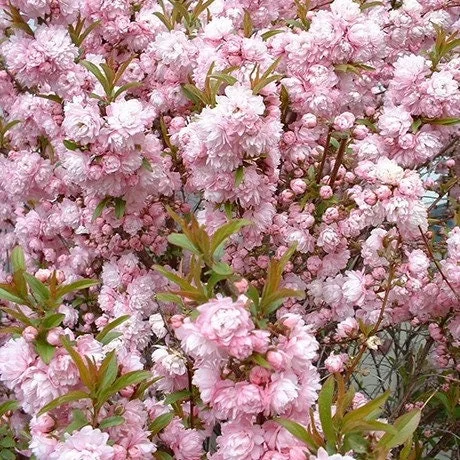
Introduce a touch of early spring elegance to your garden with the exquisite flowering almond live plant. This beautiful shrub, botanically known as Prunus triloba, is renowned for its spectacular display of vibrant pink, double flowers that densely cover its branches before foliage emerges. Originating from China, the flowering almond is a deciduous shrub that brings an unparalleled burst of color when most other plants are still dormant, making it a highly anticipated harbinger of spring. Our flowering almond live plant is carefully cultivated to ensure a healthy start in your garden, ready to thrive and enchant with its profusion of blooms. It’s an ideal choice for gardeners seeking a low-maintenance yet high-impact ornamental plant.
The charm of the flowering almond extends beyond its visual appeal. Its compact size and adaptability make it a versatile addition to various garden designs, from formal borders to naturalized settings. Often referred to as pink flowering almond due to its characteristic blossom color, this plant is a true gem for any landscape. Whether you’re a seasoned gardener or just starting, the resilience and beauty of this shrub will surely impress, providing a focal point that captures attention and admiration each spring.
Key Benefits
The flowering almond live plant offers a multitude of benefits that make it a cherished addition to any garden. Its exceptional beauty is just the beginning of what this wonderful shrub can provide:
- Spectacular Spring Blooms: Enjoy an unmatched display of vibrant pink, double flowers that completely cover the branches in early spring, creating a breathtaking visual spectacle before most other plants have even begun to leaf out. This early bloom provides crucial color when the garden needs it most.
- Compact and Manageable Size: At maturity, the flowering almond live plant typically reaches a height and spread of 3-4 feet, making it an excellent choice for smaller gardens, foundation plantings, or as a vibrant accent in mixed borders without overpowering other plants.
- Adaptable to Various Climates: This hardy shrub is known for its ability to adapt to a wide range of climates and soil conditions, thriving in USDA zones where many other flowering shrubs might struggle. Its robust nature ensures reliable performance year after year.
- Wonderful Addition to Mixed Shrub Plantings: The distinctive early bloom and attractive form of the pink flowering almond make it an outstanding component in a diverse shrub border. It provides a unique texture and color contrast, enhancing the overall aesthetic of your landscape.
- Excellent Cold Climate Flower Shrub: For gardeners in colder regions, the flowering almond is a fantastic option. It tolerates cold temperatures well, ensuring that its magnificent spring show is not compromised by harsh winters, providing consistent beauty.
- Low Maintenance: Once established, the flowering almond requires minimal care, making it an ideal choice for busy gardeners. Regular watering during dry spells and occasional pruning after flowering are generally all that’s needed to keep it healthy and beautiful.
- Attracts Early Pollinators: While primarily grown for its ornamental value, the early blooms can also provide a valuable nectar source for early emerging bees and other pollinators, contributing to the biodiversity of your garden ecosystem.
Plant Care & Growing Tips
Caring for your flowering almond live plant is relatively straightforward, ensuring years of beautiful spring blooms. This resilient shrub thrives with consistent care tailored to its specific needs. For optimal growth and flowering, select a location that receives ample sunlight. The pink flowering almond performs best in full sun, meaning at least 6 hours of direct sunlight per day. It can tolerate partial shade, but flowering may be less prolific in such conditions. Ensure good air circulation around the plant to prevent fungal issues.
When it comes to watering, the flowering almond prefers consistently moist, but not waterlogged, soil, especially during its establishment period. Once established, it is moderately drought-tolerant but will benefit from regular watering during prolonged dry spells. Check the soil moisture regularly; if the top inch or two feels dry, it’s time to water. The ideal soil type for a dwarf flowering almond is well-draining, fertile loam. While adaptable to various soil conditions, it prefers a slightly acidic to neutral pH. Amend heavy clay soils with organic matter to improve drainage, and sandy soils to enhance water retention.
The prunus triloba is hardy in USDA zones 3-7, making it suitable for a wide range of climates. It’s a slow-growing rate plant, reaching its mature size gracefully. Fertilize in early spring with a balanced, slow-release granular fertilizer formulated for flowering shrubs, before new growth begins. Pruning is best done immediately after flowering to shape the plant and remove any dead or crossing branches. This also encourages more prolific blooming the following year. Watch for common pests like aphids and treat with insecticidal soap if necessary. Proper care will ensure your flowering almond live plant remains a stunning feature in your garden.
Size & Details
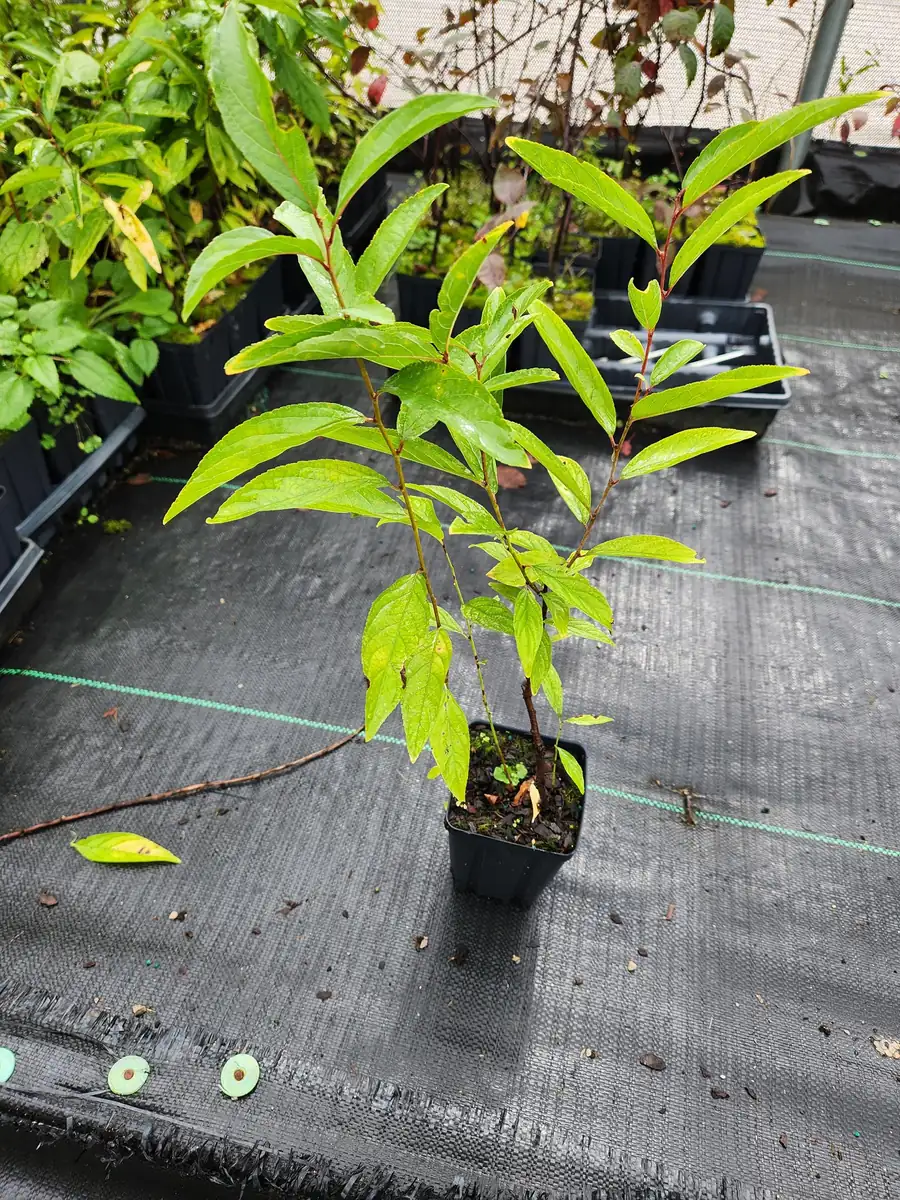
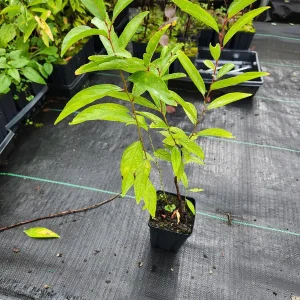
This offering is for one healthy flowering almond live plant, currently standing at approximately 6 inches in height. Each plant is well-rooted and established in a 4-inch container, providing a robust start for transplanting into your garden. At maturity, this magnificent shrub typically reaches a size of 3-4 feet in height with a similar spread, creating a beautiful, rounded form. Its growth rate is considered slow, allowing it to maintain a compact and manageable size without requiring constant pruning. The vibrant pink flowers are a hallmark of this variety, offering a spectacular display each spring.
The plant is shipped in its nursery container, ensuring minimal root disturbance during transit and an easier transition to its new home. Expect the plant to arrive with healthy foliage (or dormant, depending on the season) and ready for planting. The flowering almond live plant is known for its hardiness and adaptability, making it a reliable choice for various landscape applications. Its compact mature size makes it suitable for smaller gardens, mixed borders, or even as a striking specimen plant. Planting instructions will be included with your purchase to guide you through the successful establishment of your new shrub.
Frequently Asked Questions
- Q: How big does this plant get? A: This flowering almond live plant typically grows to a mature height of 3-4 feet and a similar spread, forming a beautiful, dense shrub. Its compact size makes it suitable for various garden settings.
- Q: Is this an indoor or outdoor plant? A: The flowering almond is an outdoor deciduous shrub. It requires a period of dormancy in cold weather to thrive and produce its spectacular spring blooms. It is not suitable for year-round indoor cultivation.
- Q: How much sunlight does it need? A: For the best flowering display, your pink flowering almond needs at least 6 hours of direct sunlight per day, which is considered full sun. It can tolerate partial shade, but you might see fewer blooms.
- Q: Is this plant easy to care for? A: Yes, the flowering almond is considered a relatively easy-care shrub. Once established, it requires minimal maintenance, primarily consisting of watering during dry periods and pruning after flowering to maintain its shape and promote new blooms.
- Q: What condition will it arrive in? A: Your flowering almond live plant will arrive well-rooted in a 4-inch container, carefully packaged to ensure its health during transit. Depending on the season, it may arrive with foliage or be dormant, ready to burst into growth.
- Q: When is the best time to plant? A: The best time to plant your flowering almond is in early spring or early fall, allowing the plant to establish its root system before extreme temperatures. However, container-grown plants can typically be planted any time the ground is not frozen.
- Q: Will the flowering almond shrub survive winter in my zone? A: The flowering almond is hardy in USDA Zones 3-7. If you are within these zones, your shrub should overwinter well, experiencing a natural dormancy before re-emerging with beautiful blooms in spring.
- Q: What kind of soil does prunus triloba prefer? A: It thrives in well-draining, fertile soil. While adaptable, it prefers a slightly acidic to neutral pH. Avoid heavy, waterlogged soils by amending with organic matter if necessary.
- Q: When does the dwarf flowering almond bloom? A: The flowering almond is an early bloomer, typically producing its spectacular pink flowers in early spring, often before its leaves fully emerge. This provides a stunning burst of color to the awakening garden.
- Q: Do I need to prune my flowering almond? A: Yes, pruning is beneficial for the health and appearance of your flowering almond live plant. It’s best to prune immediately after the spring flowering period to shape the plant, remove spent blooms, and encourage new growth for the following year’s flowers.


Reviews
There are no reviews yet.