




Overview
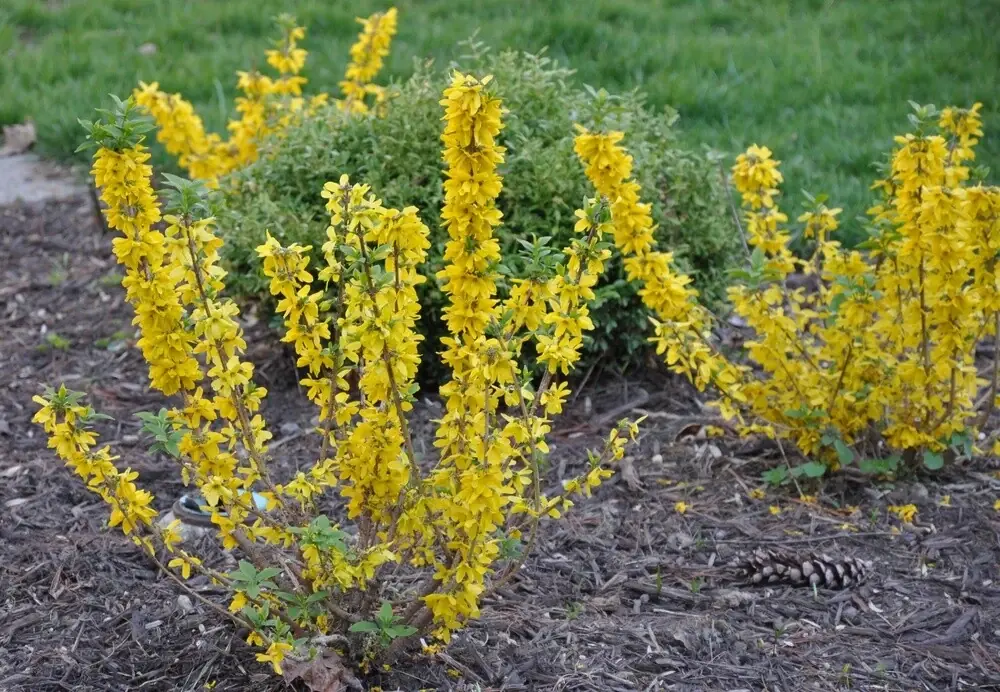
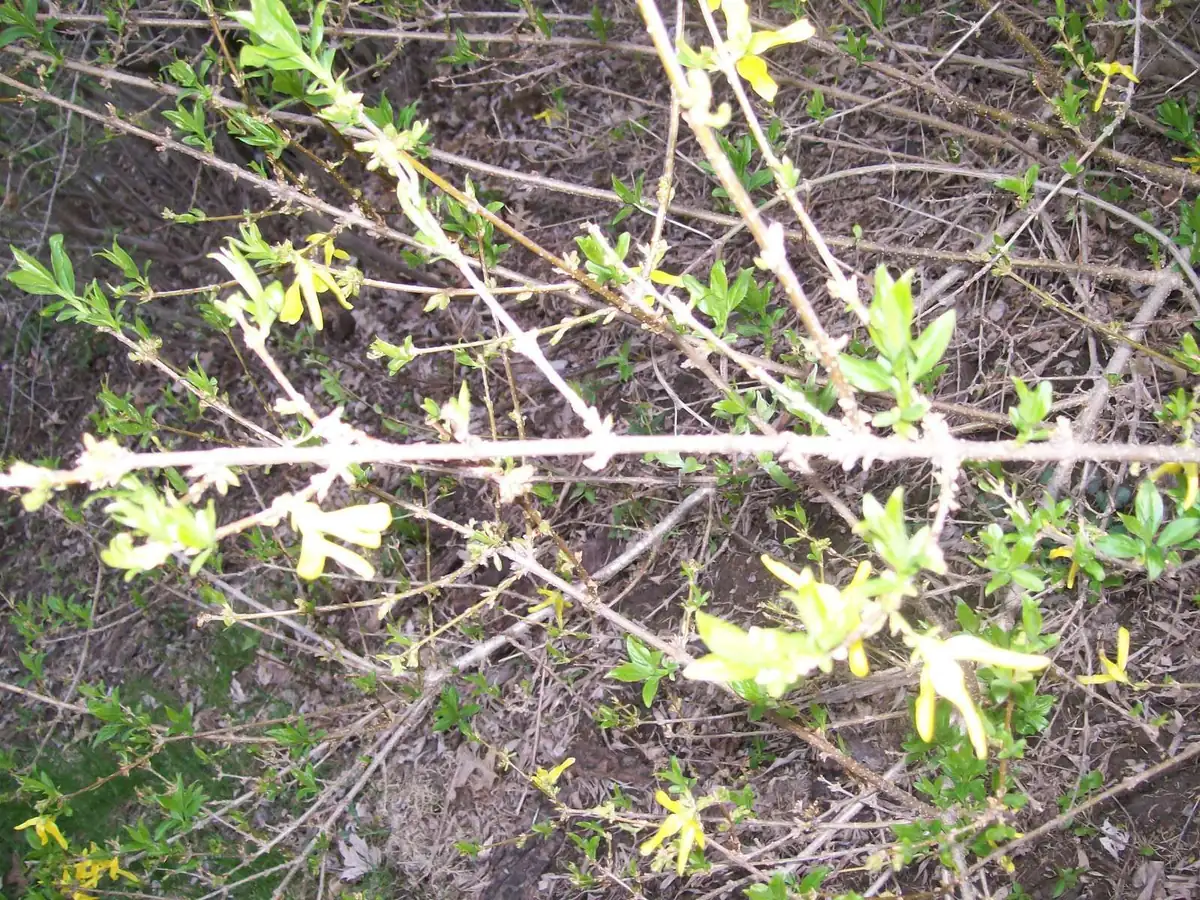
Transform your garden with the promise of golden spring blooms by propagating these premium Forsythia bush cuttings. This set includes 12 healthy, unrooted stems, each measuring between 6 to 8 inches in length, ready for you to establish new plants. Forsythia, scientifically known as Forsythia spp., is a popular deciduous shrub cherished for its abundant, bright yellow flowers that emerge in early spring, often before the leaves appear. These unrooted Forsythia cuttings provide an economical and rewarding way to expand your landscape, create hedges, or add cheerful splashes of color to your yard. The process of grow Forsythia from cuttings is a fulfilling gardening project that yields impressive results, allowing you to enjoy the beauty of these classic shrubs.
Forsythia is renowned for its vigorous growth and adaptability, making it a favorite among gardeners. Its common name, Forsythia, is widely recognized, and its genus, Oleaceae, hints at its relation to other familiar plants like olives. These cuttings are specifically chosen for their viability, offering a high success rate for those looking to propagate new plants. Whether you’re a seasoned gardener or just starting, learning Forsythia propagation is a straightforward and enjoyable process that connects you directly with nature’s cycle. Imagine a border of these sunny shrubs, bringing warmth and vibrancy to your outdoor space each spring.
Key Benefits
Cultivating Forsythia bush cuttings offers a multitude of benefits for any garden enthusiast. These shrubs are not only visually appealing but also incredibly resilient and easy to care for, making them a fantastic addition to various landscape designs. The process to grow Forsythia from cuttings is simple and rewarding.
- Stunning Spring Blooms: Forsythia is celebrated for its spectacular display of bright yellow flowers that herald the arrival of spring. These vibrant blooms appear on bare branches, creating a dramatic and cheerful visual impact in your garden before most other plants begin to leaf out.
- Easy Propagation: Starting new plants from these unrooted Forsythia cuttings is a straightforward process, making it accessible even for beginner gardeners. With proper care, these cuttings will root and grow into mature shrubs, providing a cost-effective way to expand your garden.
- Fast Growth Rate: Forsythia shrubs are known for their relatively fast growth, meaning you won’t have to wait long to see your propagated cuttings develop into sizable bushes, offering privacy or vibrant hedging. This rapid growth makes Forsythia propagation very satisfying.
- Low Maintenance: Once established, Forsythia is a remarkably low-maintenance shrub. It tolerates a range of soil conditions and is generally resistant to pests and diseases, requiring minimal intervention to thrive.
- Versatile Landscaping Use: These shrubs can be used in various ways in your landscape, from informal hedges and foundation plantings to mass plantings and accent specimens. Their bright color provides excellent contrast and visual interest.
- Drought Tolerant: Established Forsythia plants exhibit good drought tolerance, making them suitable for gardens in areas with varying rainfall patterns, reducing the need for constant watering.
- Attracts Pollinators: The early spring flowers provide an important nectar source for early emerging pollinators, contributing to the biodiversity and health of your garden ecosystem.
Plant Care & Growing Tips
To successfully grow Forsythia from cuttings, understanding their care requirements is crucial. These Forsythia bush cuttings are unrooted, meaning they will need a conducive environment to develop a strong root system. Begin by preparing a well-draining potting mix or a dedicated rooting medium. Insert the bottom 2-3 inches of each cutting into the medium, ensuring at least one node is buried, as roots typically emerge from these points. Keeping the medium consistently moist but not waterlogged is vital during the rooting phase. Providing bottom heat can also accelerate root development, which is a key step in successful Forsythia propagation.
Forsythia thrives in full sun to medium sun conditions, ideally receiving at least 6 hours of direct sunlight per day. While they can tolerate some partial shade, too little light may result in fewer flowers and leggy growth. Once rooted and transplanted into the garden, these shrubs are quite adaptable. They prefer well-draining soil but can adapt to various soil types, including clay or sandy soils, as long as drainage is adequate. Regular watering is important during the first growing season to help the plant establish. After establishment, Forsythia is relatively drought-tolerant, though consistent moisture will promote the best growth and flowering. Fertilize in early spring with a balanced slow-release fertilizer. Pruning should be done after flowering to maintain shape and encourage new growth. Forsythia is a temperate climate plant and generally hardy in USDA zones 5-8, tolerating winter conditions well once mature.
Size & Details
This offering consists of a set of 12 individual Forsythia bush cuttings. Each cutting measures approximately 6 to 8 inches in length, providing ample material for successful propagation. These are unrooted cuttings, meaning they do not yet have an established root system and will require appropriate rooting conditions to develop into viable plants. The cuttings are taken from healthy, mature Forsythia shrubs, ensuring genetic vigor. Once rooted and planted, these shrubs typically grow at a moderate to fast rate, adding several feet of height annually under optimal conditions. A mature Forsythia shrub can reach heights of 8-10 feet with a similar spread, forming a dense, rounded bush. The foliage is green, and the prominent feature is the abundance of yellow flowers in spring.
The growth stage of these items is ‘Cuttings,’ intended for home propagation. With successful rooting, these will develop into robust shrubs suitable for outdoor planting. They are ideal for creating a flowering hedge, adding structure to garden beds, or as a standalone specimen. The goal is to successfully grow a Forsythia shrub from these cuttings, enjoying its characteristic bright yellow flowers each spring.
Frequently Asked Questions
- Q: What size are the Forsythia bush cuttings? A: Each set contains 12 individual Forsythia bush cuttings, and each cutting measures approximately 6 to 8 inches in length. They are ready for you to begin the rooting process at home.
- Q: Is this an indoor or outdoor plant? A: Forsythia is primarily an outdoor shrub. Once the unrooted Forsythia cuttings have successfully rooted, they should be transplanted outdoors where they can receive adequate sunlight and space to grow into mature shrubs.
- Q: How much sunlight do these Forsythia cuttings need to grow? A: For optimal growth and abundant flowering, Forsythia prefers full sun to medium sun, ideally receiving at least 6 hours of direct sunlight daily. This ensures the best development for your new Forsythia shrub.
- Q: Is this plant easy to care for? Is it good for beginners? A: Yes, Forsythia is considered a relatively easy plant to care for, especially once established. The process to grow Forsythia from cuttings is also quite straightforward, making it a good project for beginners interested in plant propagation.
- Q: What condition will the cuttings arrive in? A: The cuttings will arrive unrooted, carefully packaged to maintain their freshness and viability for propagation. They are ready for you to initiate the rooting process upon arrival.
- Q: When is the best time to plant these cuttings? A: While cuttings can be rooted at various times, they are typically taken and propagated in late spring or early summer after the shrub has finished flowering, or in late fall. This timing is ideal for successful Forsythia propagation.
- Q: Will a Forsythia shrub survive winter in my zone? A: Forsythia is very hardy and thrives in temperate climates, generally suitable for USDA Hardiness Zones 5 through 8. It can withstand typical winter conditions in these zones once it is an established plant.
- Q: What kind of soil is best for rooting and growing Forsythia? A: For rooting, use a well-draining rooting medium. Once you transplant your rooted Forsythia shrub outdoors, it will thrive in well-draining garden soil, tolerating a variety of soil types.
- Q: How long does it take for the cuttings to root? A: Rooting time can vary, but typically, unrooted Forsythia cuttings can take several weeks to a few months to develop a strong enough root system for transplanting. Patience is key for successful grow Forsythia from cuttings.
- Q: Can I create a hedge with these Forsythia bush cuttings? A: Absolutely! Forsythia is an excellent choice for creating vibrant, fast-growing hedges. Propagating multiple Forsythia bush cuttings allows you to establish a beautiful, flowering screen or border in your garden.


Reviews
There are no reviews yet.