Overview
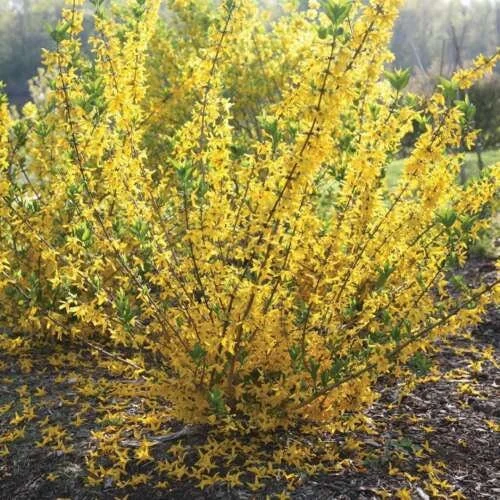
Introduce a burst of early spring color to your landscape with the magnificent Forsythia ‘Flying Machine’ live plant. Renowned for its profusion of bright golden-yellow flowers that appear before its leaves, this deciduous shrub is a true harbinger of spring. The ‘Flying Machine’ cultivar is particularly noted for its vigorous growth and abundant bloom, creating a stunning visual impact in any garden setting. As a member of the olive family (Oleaceae), Forsythia is a classic and beloved choice for gardeners seeking reliable early-season vibrancy. This well-rooted starter plant, approximately 7 inches tall, is ready to establish itself and transform your outdoor space into a golden spectacle each spring.
The golden yellow forsythia is a popular choice for its hardiness and ability to adapt to various soil types, making it suitable for a wide range of climates and gardening styles. Its cheerful blooms are a welcome sight after the long winter months, providing nectar for early pollinators and a vibrant backdrop for other emerging spring plants. Whether you’re looking to create a dense hedge, a striking border, or a focal point in your garden, the ‘Flying Machine’ offers unparalleled charm and beauty. It’s an excellent investment for enduring seasonal delight.
Key Benefits
The Forsythia ‘Flying Machine’ live plant offers numerous advantages, making it a highly desirable addition to any garden. Its ease of care and spectacular display contribute to its enduring popularity among both novice and experienced gardeners:
- Spectacular Early Spring Blooms: This shrub is one of the first plants to flower in spring, covering its bare branches with brilliant golden-yellow blossoms, providing a much-needed splash of color after winter.
- Vigorous Growth Habit: Known for its robust and rapid growth, the ‘Flying Machine’ quickly establishes itself and can reach a mature size of 5-8 feet tall, offering a substantial presence in your landscape.
- Low Maintenance: Once established, this deciduous shrub for garden requires minimal care, making it an excellent choice for gardeners seeking high impact with low effort.
- Versatile Landscape Use: Ideal for creating informal hedges, screening unsightly areas, stabilizing slopes, or as an attractive specimen plant in mixed borders.
- Wildlife Attraction: The early spring flowers provide a valuable nectar source for early emerging bees and other pollinators, supporting local ecosystems.
- Adaptable to Various Conditions: Tolerant of a range of soil types and able to thrive in both full sun and partial shade, offering flexibility in planting location.
- Hardy & Resilient: A robust plant that can withstand colder temperatures, making it a reliable performer in USDA Zones 6-8.
Plant Care & Growing Tips
Caring for your Forsythia ‘Flying Machine’ live plant is relatively straightforward, ensuring years of beautiful spring blooms. This hardy shrub thrives with basic attention to its environmental needs. For optimal flowering, plant your forsythia in a location that receives full sun to partial shade. Full sun (at least 6 hours of direct sunlight per day) will promote the most abundant bloom, while partial shade can still yield good results, especially in hotter climates, though flowering may be slightly reduced. Ensure the chosen site has well-drained soil, as forsythia does not tolerate consistently wet feet.
Watering should be consistent during the first growing season to help the plant establish a strong root system. Once established, forsythia is quite drought-tolerant and will generally only require supplemental watering during prolonged dry spells. Avoid overwatering, which can lead to root rot. The ideal soil type is a well-drained loam, but it can adapt to sandy or clay soils as long as drainage is adequate. Fertilize in early spring with a balanced, slow-release granular fertilizer, or a general-purpose shrub and tree food, following package instructions. Pruning is best done immediately after the plant has finished flowering in spring. This allows the plant to set new flower buds for the following year on old wood. Remove any dead, damaged, or crossing branches, and thin out about one-third of the oldest stems from the base to encourage new growth and maintain a desirable shape. Over-pruning or pruning at the wrong time can reduce the amount of bloom for the next season. Understanding these forsythia care tips will help your shrub flourish.
Protection during extreme winter conditions is generally not necessary in its recommended zones, but a layer of mulch around the base can help regulate soil temperature and retain moisture. Watch out for common pests like aphids, which can be managed with insecticidal soap if infestations occur. Fungal diseases are rare with good air circulation and proper drainage. This early spring flowering plant is generally quite disease-resistant, ensuring a vibrant display with minimal fuss.
Size & Details
This offering is for a Forsythia ‘Flying Machine’ live plant, supplied as a well-rooted starter plant. It arrives in a 2 1/2 inch pot and measures approximately 7 inches in height, ready for transplanting into your garden. As a deciduous shrub, it will lose its leaves in the fall and winter, revealing its graceful branch structure, before bursting forth with its spectacular golden-yellow flowers in early spring. The mature size of the ‘Flying Machine’ cultivar typically ranges from 5 to 8 feet in height and can spread similarly wide, creating a substantial and impactful presence in the landscape. Its growth rate is considered fast, meaning you won’t have to wait long to enjoy its full glory.
This shrub is suitable for USDA Hardiness Zones 6-8, indicating its resilience to winter temperatures in these regions. It prefers full sun to partial shade for optimal flowering and thrives in well-drained soil. The plant is shipped in its nursery pot, ensuring its roots are protected during transit and ready for a successful transition to its new home. Expect this vigorous forsythia to establish quickly and begin showcasing its characteristic golden yellow forsythia blooms within its first few years, with increasingly impressive displays as it matures.
Frequently Asked Questions
- Q: How big does this plant get? A: The Forsythia ‘Flying Machine’ live plant typically grows to a mature height of 5 to 8 feet and can spread equally wide, forming a dense and beautiful shrub. Its size makes it suitable for hedges or as a prominent specimen.
- Q: What size pot does it come in? A: This starter plant is shipped as a well-rooted specimen in a 2 1/2 inch nursery pot, with the plant itself measuring approximately 7 inches tall upon arrival.
- Q: Is this an indoor or outdoor plant? A: Forsythia ‘Flying Machine’ is primarily an outdoor plant. It is a hardy deciduous shrub designed to thrive in garden landscapes, offering beautiful early spring flowering plant displays.
- Q: How much sunlight does it need? A: For the best floral display, this forsythia requires full sun, meaning at least 6 hours of direct sunlight per day. It can tolerate partial shade, but flowering may be less prolific.
- Q: Is this plant easy to care for? A: Yes, forsythia is known for being a very low-maintenance and robust plant. Once established, it is quite hardy and requires minimal attention, making it an excellent choice for beginners.
- Q: What condition will it arrive in? A: Your golden yellow forsythia will arrive as a well-rooted starter plant, carefully packaged in its nursery pot to ensure its health and vitality during transit.
- Q: When is the best time to plant? A: The best time to plant forsythia is in the spring or fall. This allows the plant to establish its root system before the stress of summer heat or winter cold.
- Q: Will it survive winter in my zone? A: This cultivar is hardy in USDA Zones 6-8, meaning it is well-equipped to survive winter temperatures within these regions. Ensure proper establishment before its first winter.
- Q: What type of soil does it prefer? A: Forsythia thrives in well-drained soil. While adaptable to various soil types, good drainage is crucial to prevent root issues. Amendments to heavy clay soils can improve drainage.
- Q: How often should I prune this deciduous shrub for garden? A: Pruning should be done annually immediately after the plant finishes flowering in spring. This is essential to encourage new growth and abundant blooms for the following year, as it flowers on old wood.


Reviews
There are no reviews yet.