Overview
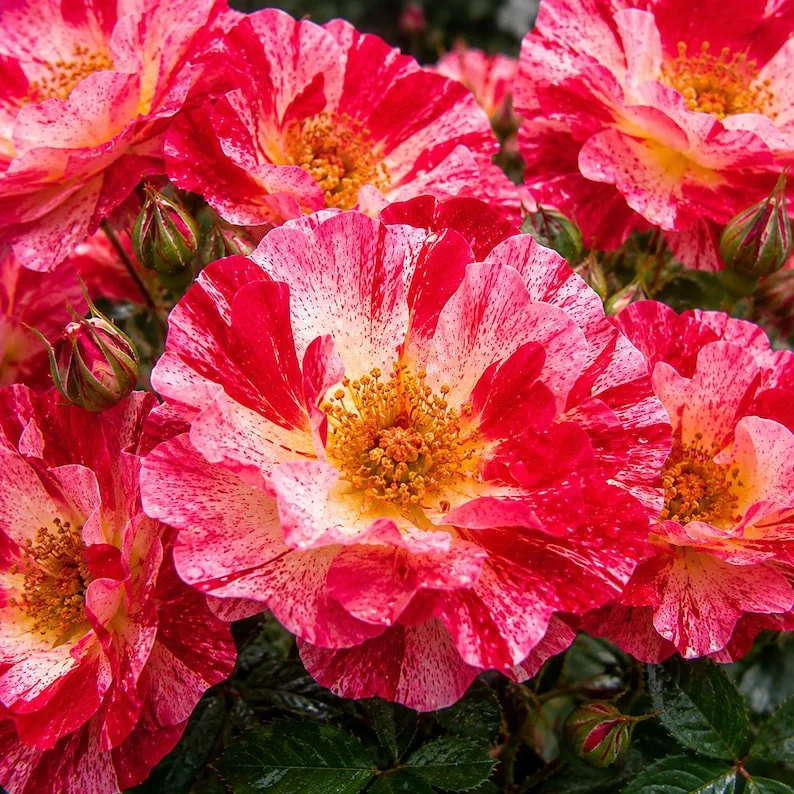
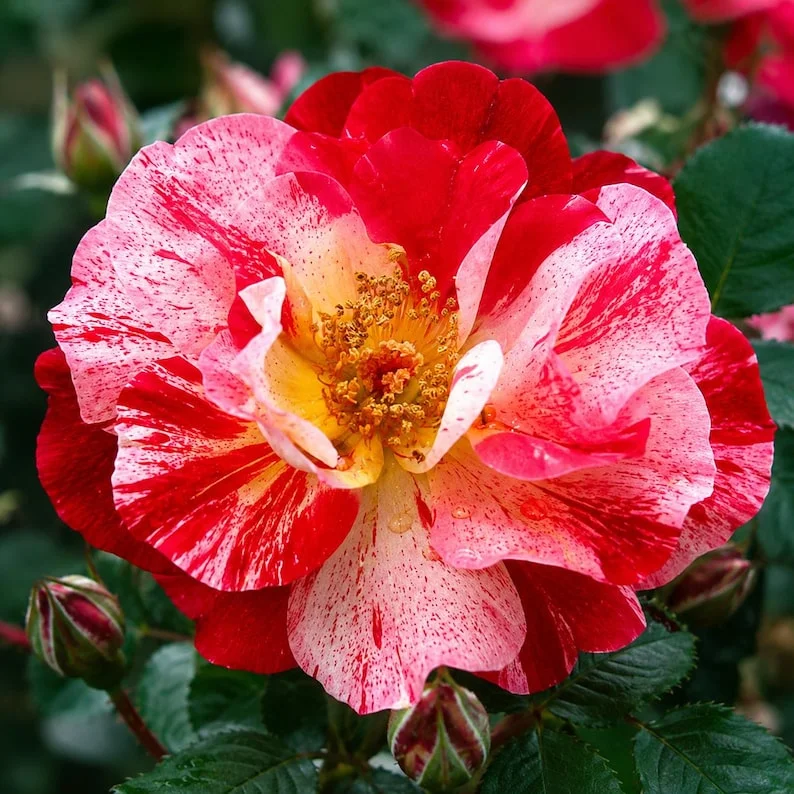
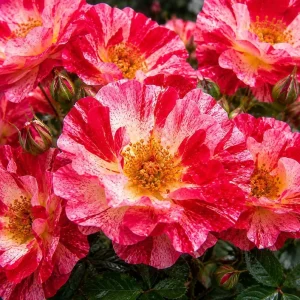
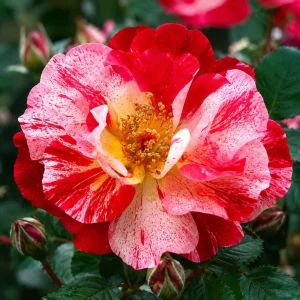
Introduce a vibrant, patriotic spectacle to your garden with the Fourth of July climbing rose. This remarkable live plant, known for its distinctive red and white striped blooms, is a true showstopper. Each flower is a unique masterpiece, featuring a delightful blend of crimson and pure white, creating a festive display reminiscent of fireworks. As a climbing variety, this rose is ideal for adorning fences, trellises, pergolas, or walls, offering vertical interest and a continuous flush of color from late spring through fall. Its vigorous growth habit ensures a lush, full appearance, quickly transforming any outdoor space into a captivating floral haven. Whether you’re an experienced gardener or just starting, the Fourth of July climbing rose is a rewarding addition, promising beauty and charm with relatively easy care.
This particular offering is for a healthy, actively growing live rose plant, ready to be transplanted into your garden. Its robust nature makes it a resilient choice for various climates, and its stunning aesthetic appeal is sure to draw admiration. Embrace the joy of cultivating this exceptional climbing rose and watch as it brings a dynamic and colorful dimension to your landscape.
Key Benefits
The Fourth of July climbing rose offers a multitude of benefits, making it a highly desirable plant for any garden. Its unique beauty and robust nature contribute to a truly enriching gardening experience.
- Spectacular Striped Blooms: Enjoy the breathtaking beauty of large, semi-double flowers adorned with striking red and white stripes. These patriotic colors provide a festive and eye-catching display throughout the growing season, making it a standout feature in any garden.
- Vigorous Climbing Habit: This rose is an excellent choice for vertical gardening, quickly covering fences, trellises, arbors, and walls. Its strong, flexible canes can reach impressive heights, adding dramatic flair and maximizing garden space.
- Long Blooming Period: Experience continuous flushes of vibrant flowers from late spring until the first frost. The prolonged blooming ensures your garden remains colorful and engaging for many months, offering sustained visual interest.
- Fragrant Flowers: While primarily admired for its visual appeal, the Fourth of July climbing rose also offers a light, pleasant fragrance. This subtle scent adds another layer of sensory enjoyment to your outdoor living spaces.
- Attracts Pollinators: The abundant blooms serve as an attractive beacon for beneficial pollinators like bees and butterflies, contributing to the overall health and biodiversity of your garden ecosystem.
- Relatively Low Maintenance: Once established, this striped climbing rose is quite hardy and requires moderate care. Regular watering, feeding, and occasional pruning will keep it thriving and producing its beautiful flowers year after year.
- Versatile Landscape Use: Perfect for creating privacy screens, softening architectural features, or adding a romantic touch to garden structures. Its adaptability makes it suitable for various garden designs and themes.
Plant Care & Growing Tips
Caring for your Fourth of July climbing rose is a rewarding experience that ensures a bountiful display of its unique striped blooms. This vigorous climber thrives with proper attention to its environmental needs. It prefers a location that receives at least 6 hours of direct sunlight per day; full sun is ideal for the best flowering performance. Ensure the soil is well-draining and rich in organic matter. A slightly acidic to neutral pH (6.0-7.0) is optimal for robust growth. When planting, dig a hole wide enough to accommodate the roots comfortably and amend the soil with compost to improve fertility and drainage.
Watering should be consistent, especially during dry spells and the plant’s establishment phase. Aim for deep watering at the base of the plant, avoiding overhead irrigation to minimize fungal diseases. Fertilize your red and white rose plant in early spring with a balanced granular rose food, and again after the first flush of blooms to encourage reblooming. Pruning is essential for maintaining shape, promoting air circulation, and maximizing flower production. In late winter or early spring, remove any dead, diseased, or crossing canes. Also, selectively prune to train the canes along your chosen support structure. Watch out for common rose pests like aphids and spider mites, and treat them promptly with organic insecticidal soap if necessary. Good air circulation and proper watering practices will help prevent fungal issues.
Size & Details
This offering is for one Fourth of July climbing rose live plant, typically shipped in a 4-inch nursery growing pot. The plant is actively growing and well-rooted, prepared for successful transplantation into your garden or a larger container. At the time of shipment, the plant’s height will vary depending on its growth stage, usually between 6 to 12 inches tall, with established foliage. Once mature and given proper support, this vigorous climbing rose can reach heights of 10 to 14 feet, with a spread of 4 to 6 feet, making it an impressive focal point. It exhibits a moderate to fast growth rate, quickly establishing itself and beginning to produce its spectacular blooms. Expect the first flush of flowers in late spring to early summer, with continuous blooming cycles throughout the warmer months. This live rose plant is ready to bring its unique charm and patriotic colors to your outdoor space.
Frequently Asked Questions
- Q: How big does this Fourth of July climbing rose get? A: This vigorous climbing rose can reach impressive heights of 10 to 14 feet with adequate support, and spread 4 to 6 feet wide. Its mature size makes it perfect for covering large structures like pergolas or fences.
- Q: What size pot does it come in? A: This live plant is typically shipped in a 4-inch nursery growing pot, ensuring it has a healthy root system ready for transplanting. We recommend potting it up or planting directly into the ground upon arrival.
- Q: Is this an indoor or outdoor plant? A: The Fourth of July climbing rose is an outdoor plant, specifically bred for garden performance. It requires ample sunlight and space to climb and thrive, making it unsuitable for indoor cultivation.
- Q: How much sunlight does it need? A: For optimal growth and the most abundant blooms, this climbing rose needs at least 6 hours of direct sunlight per day. A location with full sun exposure is highly recommended.
- Q: Is this plant easy to care for? A: Once established, this climbing rose is relatively easy to care for. It requires consistent watering, regular feeding, and annual pruning to maintain its health and prolific flowering. It’s a great choice for gardeners of varying experience levels.
- Q: What condition will it arrive in? A: Your live rose plant will arrive well-packaged and healthy, actively growing in its nursery pot. We take great care to ensure it reaches you in excellent condition, ready for planting.
- Q: When is the best time to plant a striped climbing rose? A: The best time to plant this climbing rose is in spring after the last frost, or in early fall before the ground freezes. This allows the plant to establish its root system before extreme weather.
- Q: Will it survive winter in my zone? A: The Fourth of July climbing rose is generally hardy in USDA Zones 5-9. In colder zones, winter protection may be necessary, such as mulching the base or wrapping the canes.
- Q: What kind of soil does it prefer? A: This rose prefers well-draining soil that is rich in organic matter. A slightly acidic to neutral pH (6.0-7.0) is ideal for healthy growth and vibrant blooms.
- Q: Does this rose have a fragrance? A: Yes, the Fourth of July climbing rose offers a light, pleasant fragrance that adds to its overall charm. While not overpoweringly strong, it contributes to the sensory experience of your garden.


Reviews
There are no reviews yet.